Details
Artist
Styles
Portfolio with 20 sheets (10 colored, 10 b/w) // Da uno a dieci by Alighiero Boetti, created in 1980, is a vibrant and playful limited edition offset print portfolio featuring 20 sheets—10 in color and 10 in black and white. This work exemplifies Boetti's fascination with numbers, patterns, and linguistic exploration. The brightly colored sheets are adorned with bold, repetitive typography and hand motifs, encouraging viewers to interact with the concept of counting and numerical progression from one to ten. The combination of graphical repetition and contrasting color schemes reflects Boetti’s approach to conceptual art, where he merges systematic structures with creative expression. This portfolio offers an engaging visual journey through structured patterns, embodying the artist’s unique blend of order and spontaneity.
Details
Artist
Styles
Portfolio with 20 sheets (10 colored, 10 b/w) // Da uno a dieci by Alighiero Boetti, created in 1980, is a vibrant and playful limited edition offset print portfolio featuring 20 sheets—10 in color and 10 in black and white. This work exemplifies Boetti's fascination with numbers, patterns, and linguistic exploration. The brightly colored sheets are adorned with bold, repetitive typography and hand motifs, encouraging viewers to interact with the concept of counting and numerical progression from one to ten. The combination of graphical repetition and contrasting color schemes reflects Boetti’s approach to conceptual art, where he merges systematic structures with creative expression. This portfolio offers an engaging visual journey through structured patterns, embodying the artist’s unique blend of order and spontaneity.
- Recently Added
- Price (low-high )
- Price (high-low )
- Year (low-high )
- Year (high-low )

Alighiero Boetti
Non Parto Non Resto (Nove Quadrati), 1979
Drawing / Watercolor
Watercolor
Inquire For Price

Alighiero Boetti
Ammazzare Il Tempo, 1983
Limited Edition Print
Serigraph
Currently Not Available

Alighiero Boetti
Da Uno A Dieci, 1980
Limited Edition Print
Offset Print
Currently Not Available
Related Artists


Related Articles

Art Movements - March 28, 2024
Lettrism: The Alphabet as Art
Discover Lettrism, the art of the alphabet! Explore how artists like Isidore Isou redefined letters as visual art, blending poetry, design, and modern expression. Read More

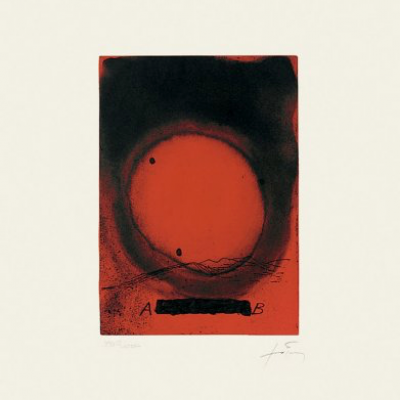
Artwork by Antoni Tapies
What is Arte Povera?
A movement and style in art that originated in Italy during the 1960s. It integrates elements of minimalism, performance art, and conceptual art by using everyday or seemingly worthless materials, such as newspapers, stones, or rags. The goal was to challenge and subvert the commercialization of art.
RECENTLY VIEWED
-->