
What is the CoBrA movement?
- Show All
- Established
- Discoveries
- Show All
Artworks Related to CoBrA
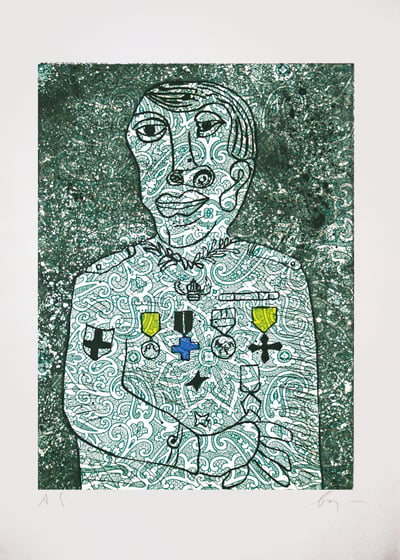
Enrico Baj
Personnage de guerre, 1971
Limited Edition Print
Etching
EUR 1,250
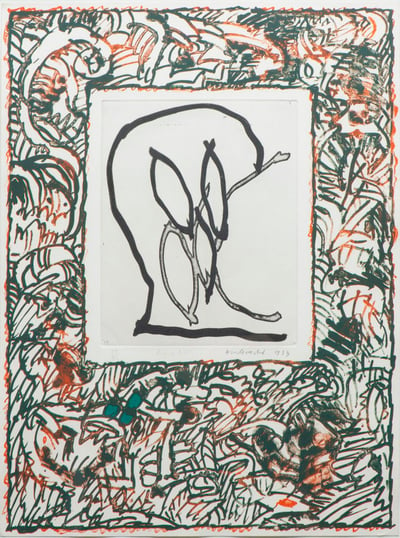
Pierre Alechinsky
Ligne BVV, 1983
Limited Edition Print
Lithograph
Currently Not Available
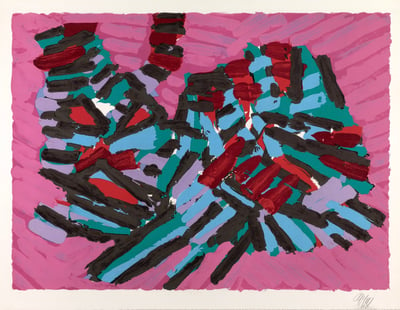
Karel Appel
About a Cat, 1979
Limited Edition Print
Lithograph
USD 750
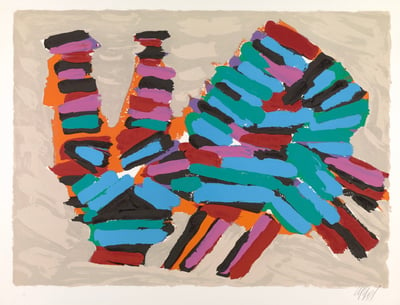
Karel Appel
Frightened Cat, 1979
Limited Edition Print
Lithograph
USD 750
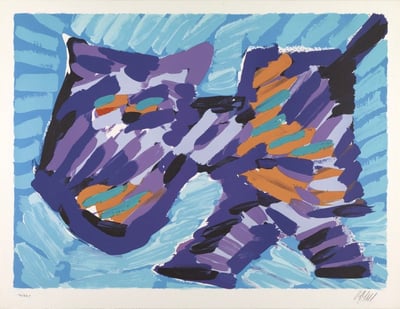
Karel Appel
Walking Cat, 1979
Limited Edition Print
Lithograph
USD 750
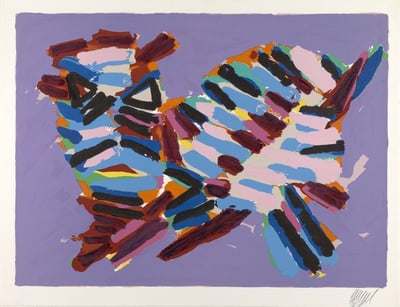
Karel Appel
Innocent Cat, 1979
Limited Edition Print
Lithograph
USD 750
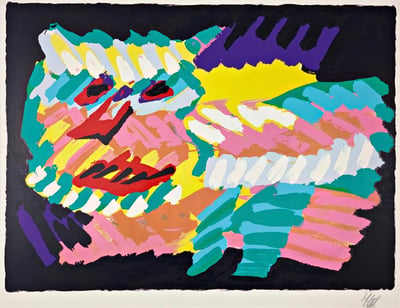
Karel Appel
Pink Cat, 1979
Limited Edition Print
Lithograph
USD 750

Reinhoud d'Haese
Deluxe Edition, 1989
Limited Edition Print
Etching
Currently Not Available
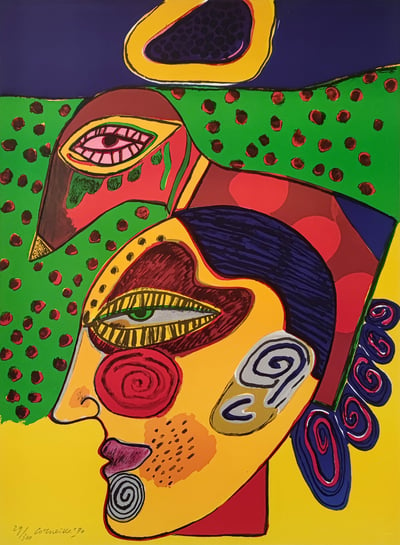
Guillaume Corneille
Tête de femme et oiseau pensif, 1980
Limited Edition Print
Lithograph
EUR 570
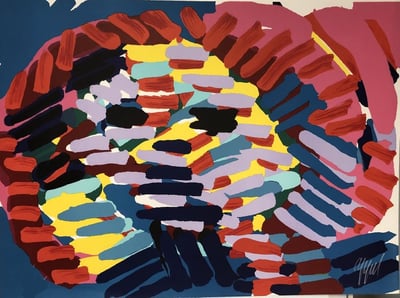
Karel Appel
Once I Was The Sun, 1978
Limited Edition Print
Lithograph
USD 1,100

Karel Appel
Flower with Blue Eyes, 1977
Sculpture / Object
Wood
Currently Not Available
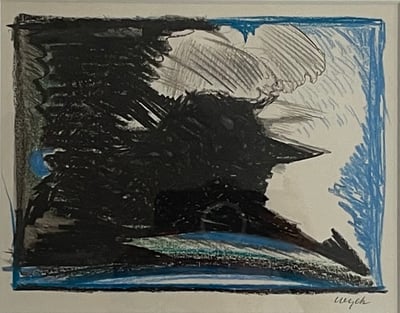
Maurice Wyckaert
Untitled (unique)
Drawing / Watercolor
Mixed Media
EUR 1,875
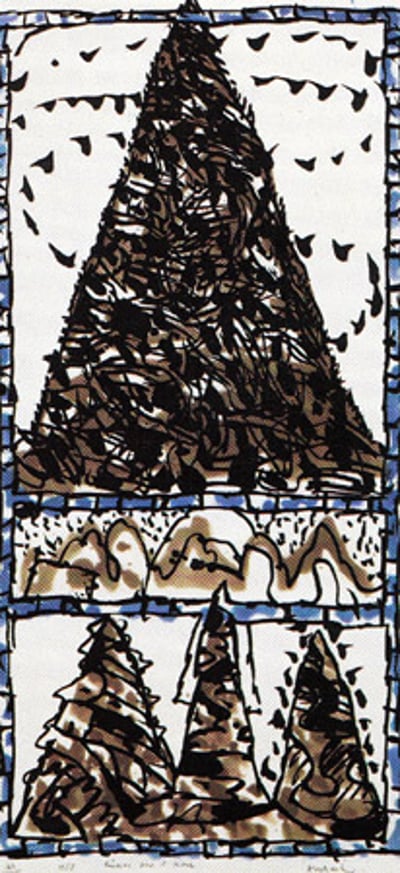
Pierre Alechinsky
Reserve pour l'hiver, 1988
Limited Edition Print
Etching
Currently Not Available
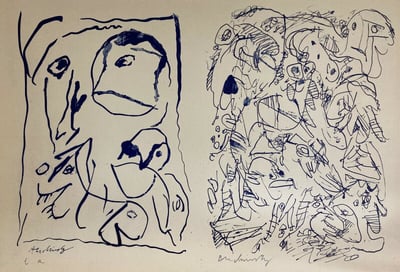
Pierre Alechinsky
Sans titre, Unknown
Limited Edition Print
Lithograph
Currently Not Available
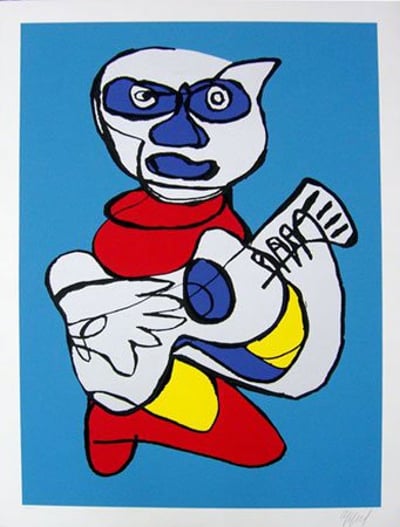
Karel Appel
Obra gráfica, 1974
Limited Edition Print
Serigraph
EUR 1,550
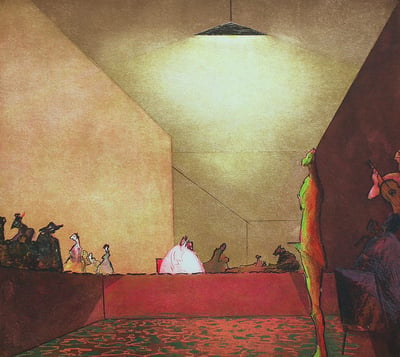
Constant Nieuwenhuys
L'ultima cena, 1980
Limited Edition Print
Etching and Aquatint
EUR 2,990
Related Articles
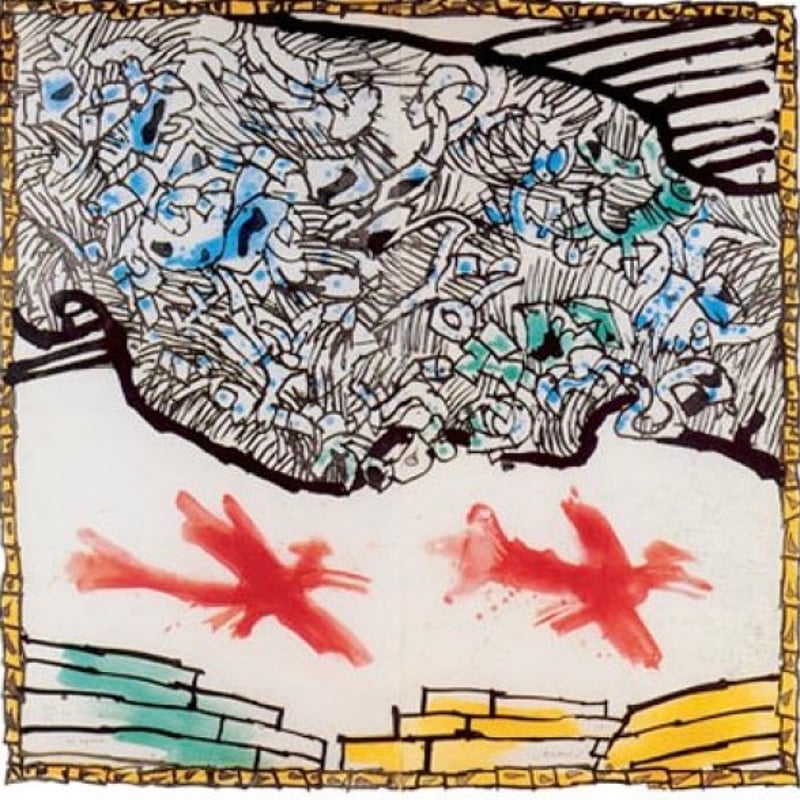
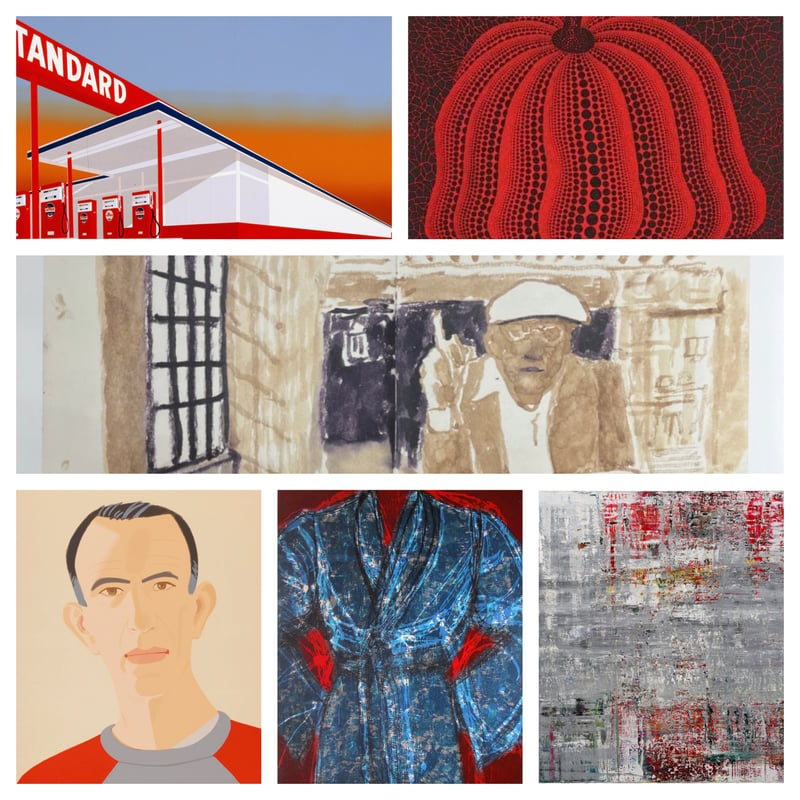
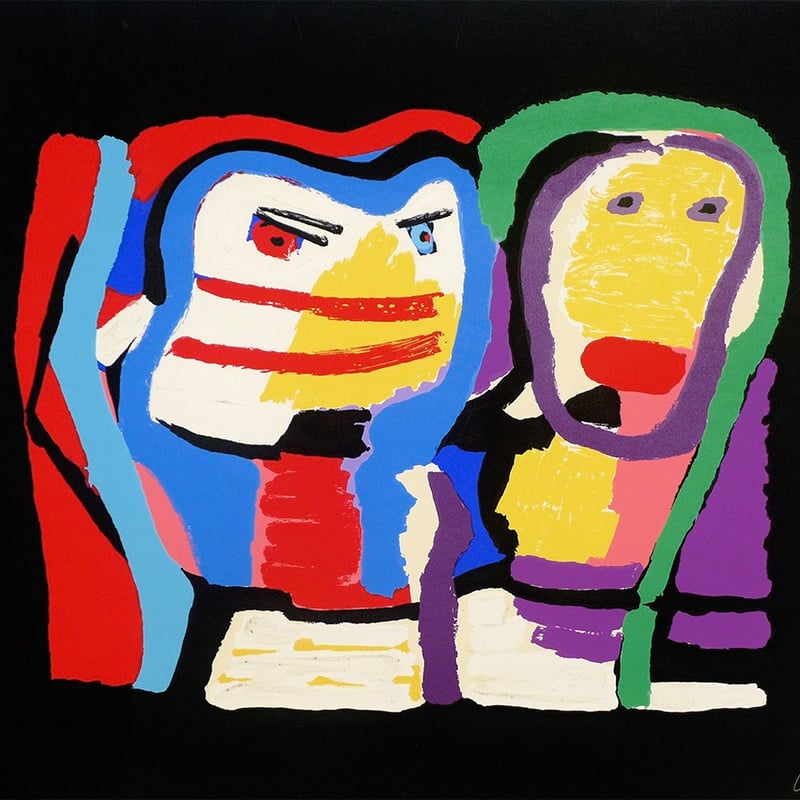

Art Informel is a French term referring to the gestural and improvisational techniques common in abstract painting during the 1940s and 50s. It encompasses various styles that dominated these decades, characterized by informal, spontaneous methods. Artists used this term to describe approaches that moved away from traditional structures and embraced more expressive, unstructured techniques.

Tempera is a paint traditionally made by mixing colored pigments with egg yolk. It dries quickly and is highly durable, with some examples dating back to 100 AD still in existence. Modern tempera paint often uses glue size as a binder instead of egg yolk. Tempera is known for its bright colors and fine, detailed application, making it popular for panel paintings and icons.
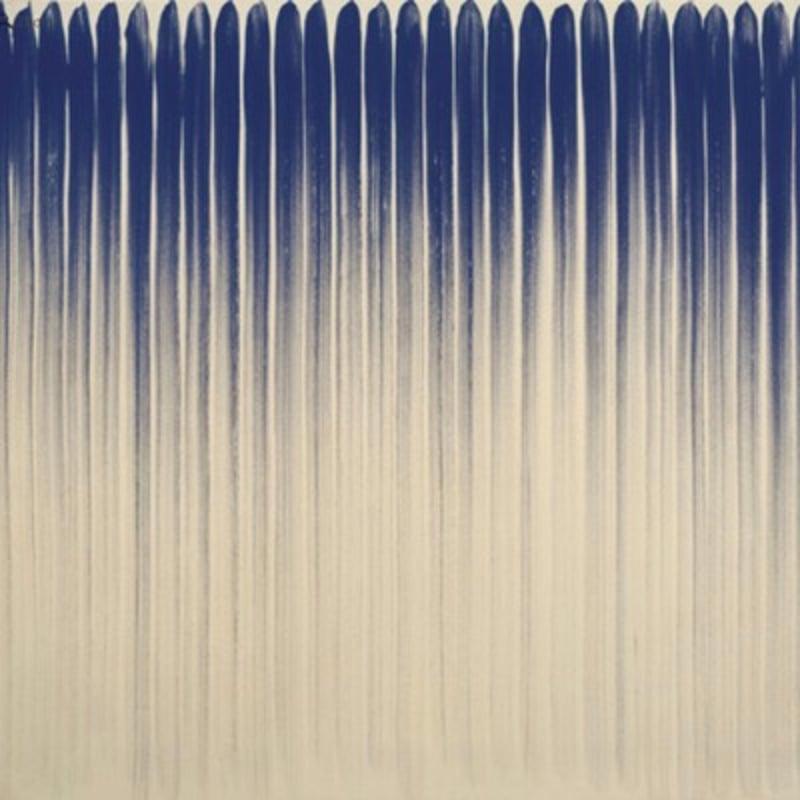
Meaning School of Things, Mono-ha originated in Tokyo in the mid-1960s. Instead of creating traditional artwork, the artists of Mono-ha used different materials and their natural properties to express dismay at the industrialization taking place in Japan at the time. The movement gained international attention and is now a widely respected form of art, known for its emphasis on the relationship between materials and their environment.
Can't find your Answer?
Thank you! Your question has been sent — we'll get back to you shortly.
