
What is the CoBrA movement?
CoBrA stands for Copenhagen, Brussels, and Amsterdam; the group was formed with a desire to break away from the existing art movements of the time. Their critique of Western society led them to experiment and evolve into a significant international movement. CoBrA was founded on November 8, 1948, at the Notre Dame Café in Paris, where its manifesto was signed by Karel Appel, Joseph Noiret, Corneille, Christian Dotremont, Constant, and Asger Jorn. The group was united by a shared commitment to freedom in both form and color, and their work emphasized experimentation and spontaneity.
Show All
- Show All
- Established
- Discoveries
Show All
- Show All
Artworks Related to CoBrA
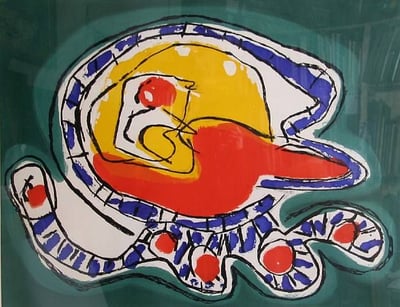
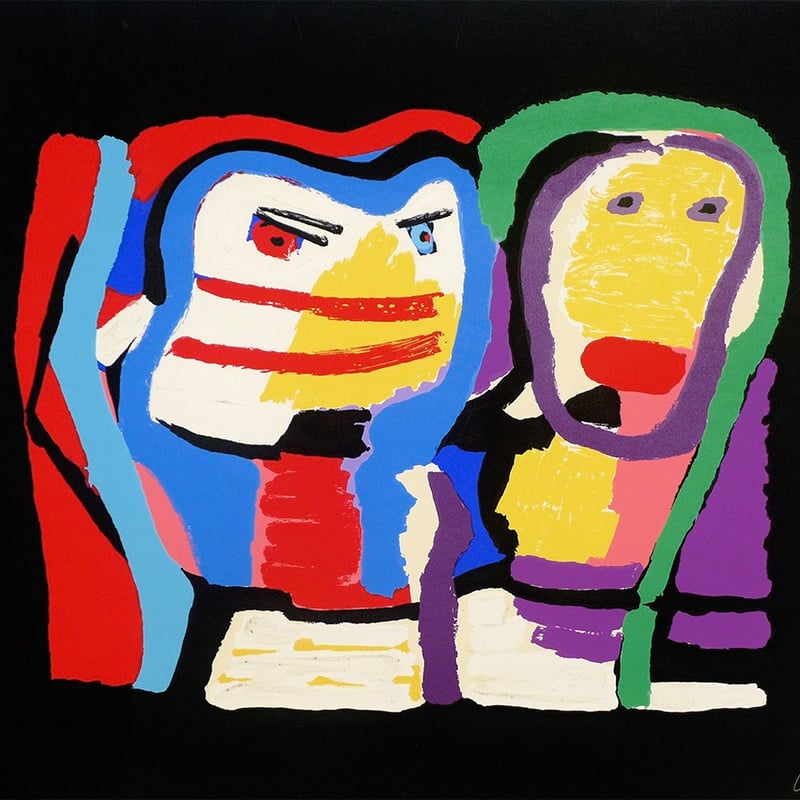
Karel Appel
Tete montagne I, 1976
Limited Edition Print
Aquatint
EUR 2,350
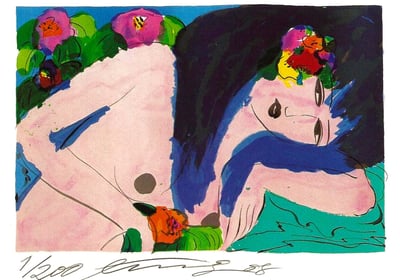
Walasse Ting
Untitled WT EP 20, 1985
Limited Edition Print
Lithograph
EUR 1,490
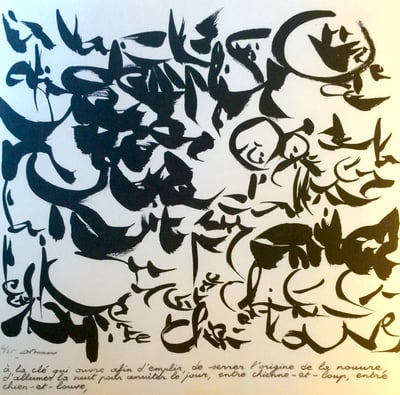
Christian Dotremont
A la clé qui ouvre…, 1978
Limited Edition Print
Lithograph
Currently Not Available

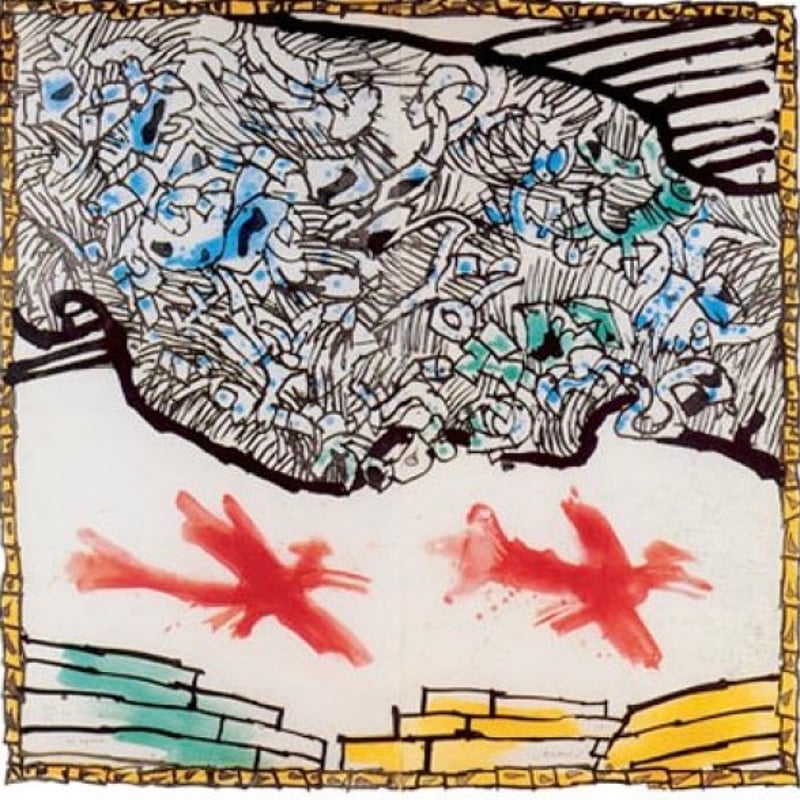
Pierre Alechinsky
Vol Augural, 1990
Limited Edition Print
Etching
EUR 22,000
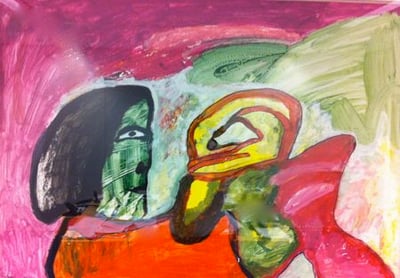
Lucebert
Untitled (Vivid Facescape), 1989
Drawing / Watercolor
Mixed Media
EUR 6,750

Constant Nieuwenhuys
Composition, 1982
Limited Edition Print
Etching
Currently Not Available
Related Articles
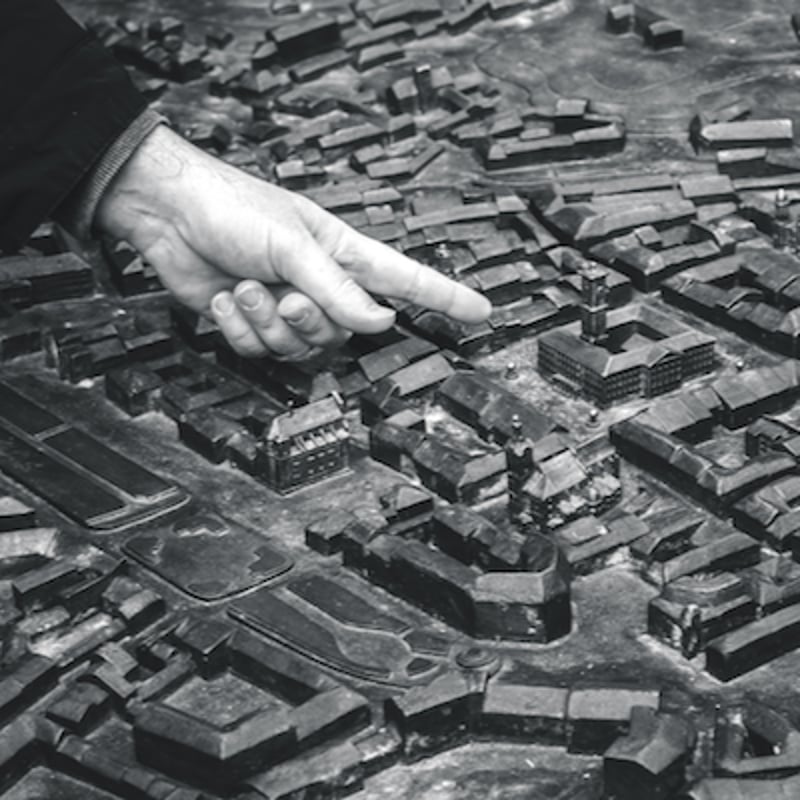
A maquette is a small-scale model of a sculpture that serves as a preliminary version of the final piece. It allows the artist to experiment with ideas and make adjustments without the expense and effort of creating a full-sized sculpture.
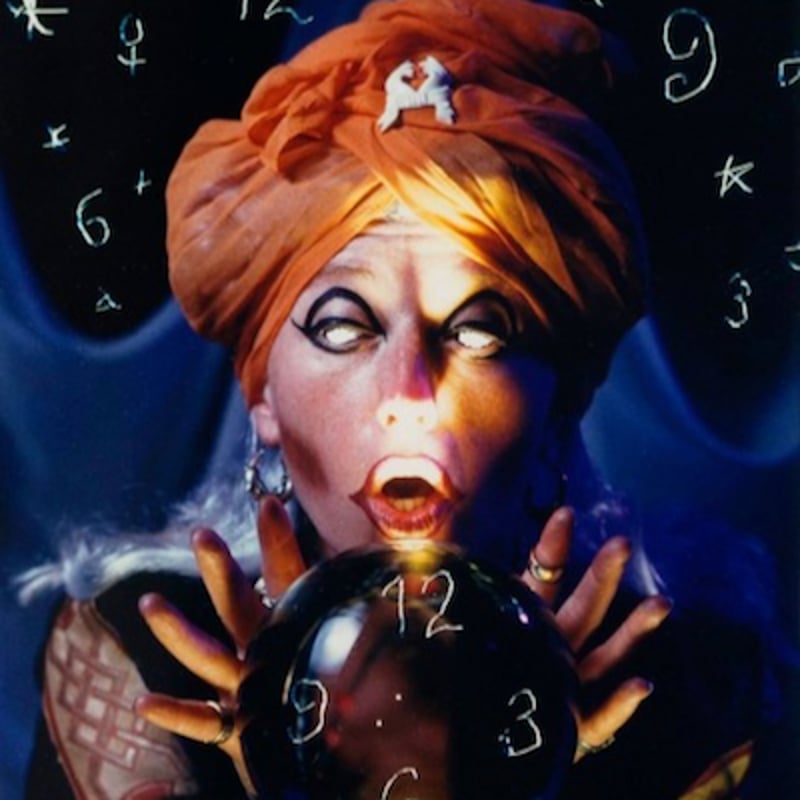
The Uncanny is a concept described by psychologist Sigmund Freud as the eerie or unsettling feeling that arises when something familiar is presented in a strange or unfamiliar way. Surrealist artists, who aimed to reveal the subconscious and merge it with reality, often utilized this concept by combining familiar objects in unexpected and bizarre ways. This approach created a sense of discomfort or unease, challenging the viewer's perception of reality.
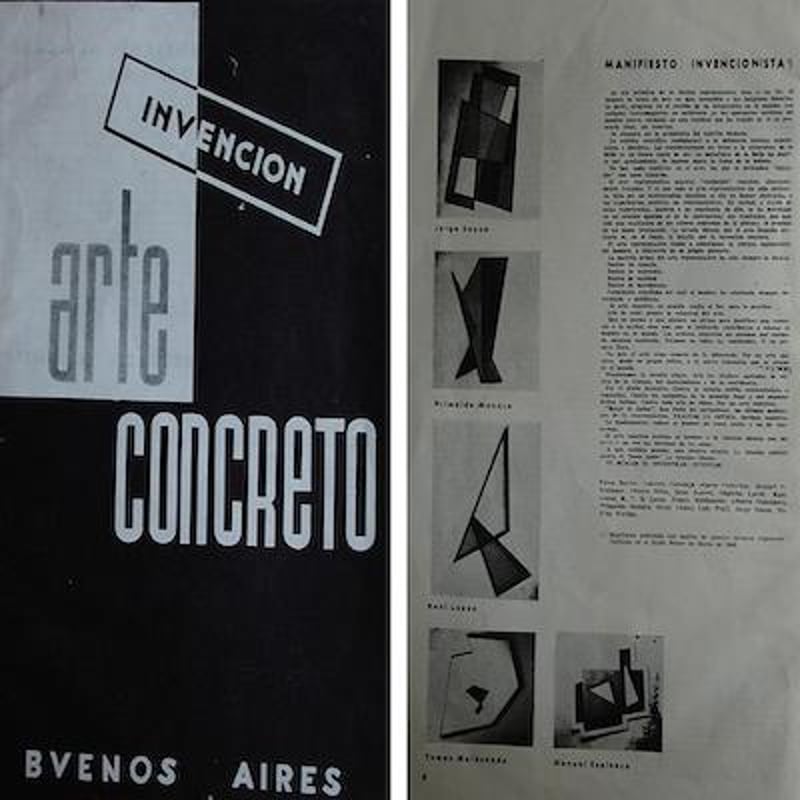
The Manifesto Invencionista was published in 1946, marking the beginning of the concrete art movement in Buenos Aires, Argentina. Written by artist Tomás Maldonado and published by the Asociación Arte Concreto-Invención, the manifesto announced the principles of Concrete Art. Concrete art is purely abstract, with no reference to visual reality, emphasizing geometric forms and the materiality of the artwork itself.
Can't find your Answer?
Thank you! Your question has been sent — we'll get back to you shortly.
