
What is Surrealism?
- Show All
- Established
- Discoveries
- Show All
Artworks Related to Surrealism

Roberto Matta
Plusieurs Autres Vies, 1978
Limited Edition Print
Etching
EUR 1,875

Roberto Matta
Attire Le Gai Venin, 1978
Limited Edition Print
Etching
EUR 1,875
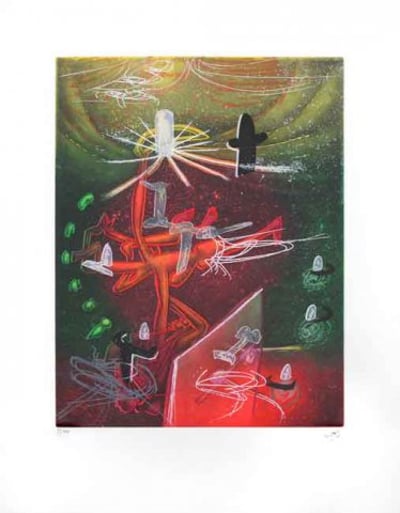
Roberto Matta
Je Fixe Des Vertiges, 1978
Limited Edition Print
Etching
EUR 1,875

Roberto Matta
Feu, Feu Sur Moi, 1978
Limited Edition Print
Etching
EUR 1,875
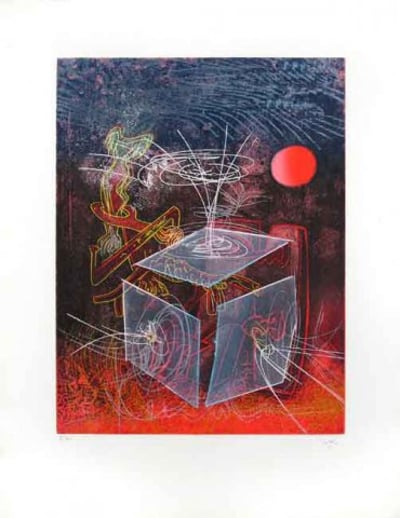
Roberto Matta
L'âme Est Une Inconnue, 1978
Limited Edition Print
Etching
EUR 1,875

Roberto Matta
Nous Ne Sommes Pas Au Monde, 1978
Limited Edition Print
Etching
EUR 1,875

Ellsworth Kelly
Tournes , 1973-76
Limited Edition Print
Lithograph
USD 15,000 - 19,000

Ellsworth Kelly
Germigny , 1973-76
Limited Edition Print
Lithograph
USD 15,000 - 19,000
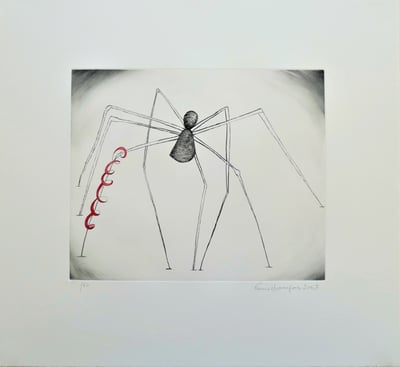
Louise Bourgeois
Untitled (Spider and Snake), 2003
Limited Edition Print
Mixed Media
EUR 23,600
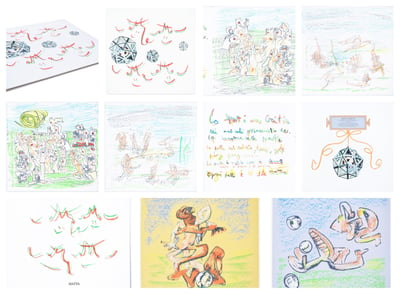
Roberto Matta
Music Foot (portfolio), 1990
Limited Edition Print
Lithograph
EUR 2,750
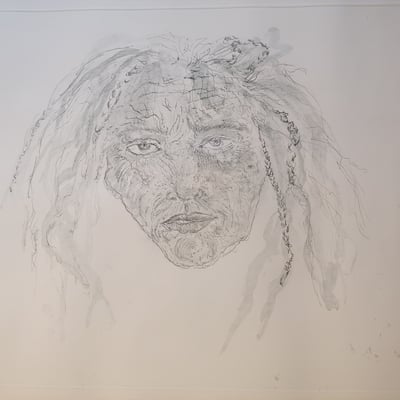
Kiki Smith
1st State Self Portrait, 1993
Limited Edition Print
Etching
USD 5,950
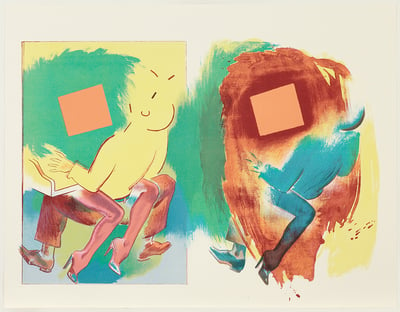
Allen Jones
Two Part Invention, 2012
Limited Edition Print
Lithograph
EUR 2,500
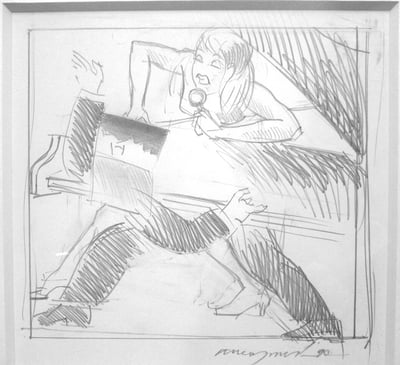
Allen Jones
Study for Night Fever, 1990
Drawing / Watercolor
Pencil
EUR 8,500
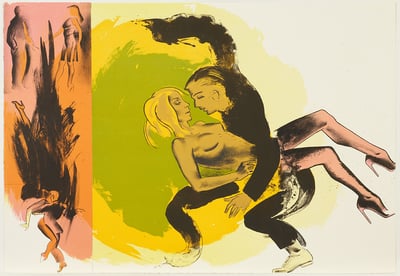
Allen Jones
Swing Low, 2012
Limited Edition Print
Lithograph
EUR 2,500
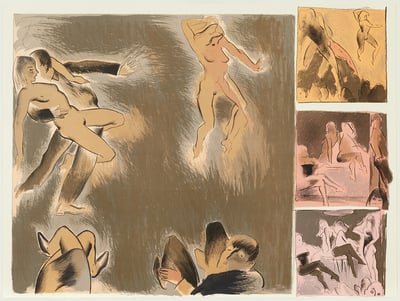
Allen Jones
Gentlemen, 2012
Limited Edition Print
Lithograph
EUR 2,500
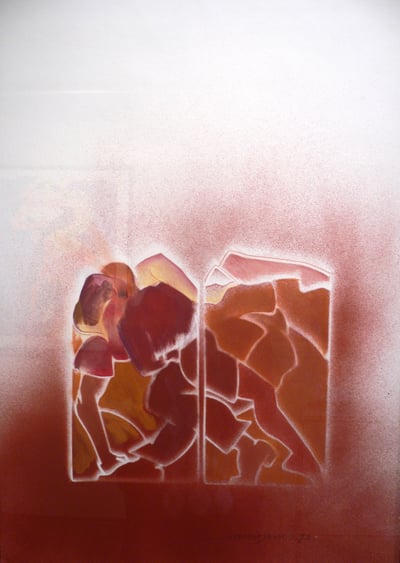
Allen Jones
Dancing Gate, 1993
Limited Edition Print
Mixed Media
EUR 12,000
Related Articles
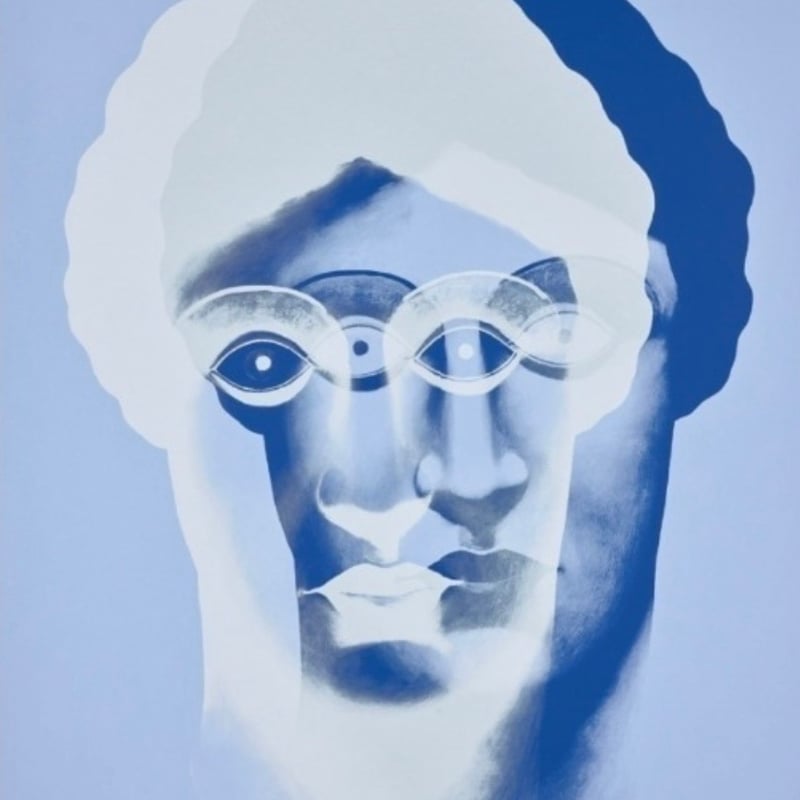
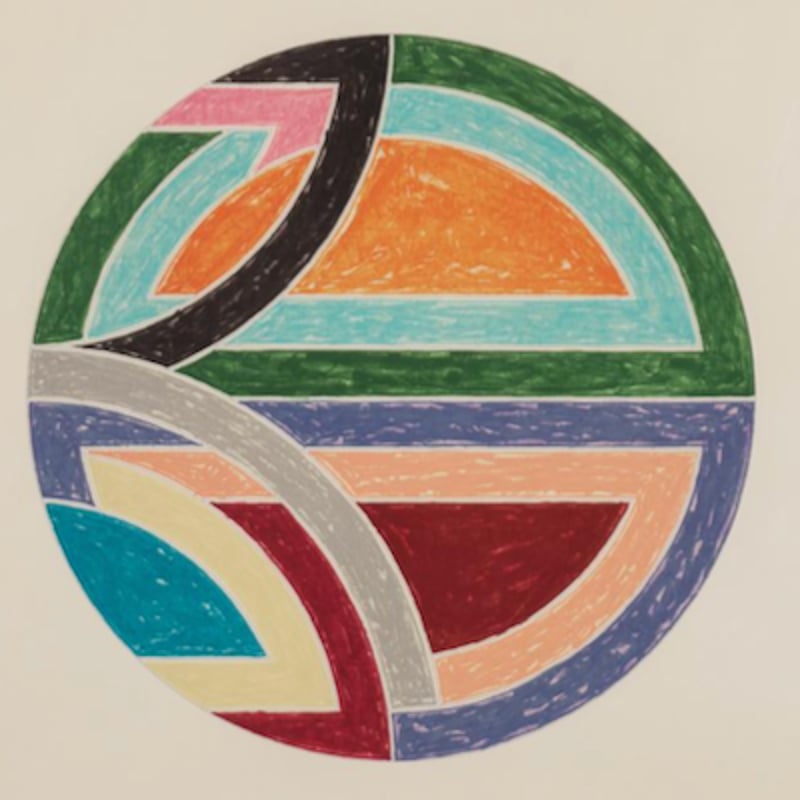
American Abstract Artists (AAA) is an organization founded in New York City in 1936 to promote abstract art and its appreciation in the United States. At a time when abstract art faced strong opposition from critics, the AAA provided crucial exhibition opportunities for abstract artists, helping to foster the growth and acceptance of the movement.
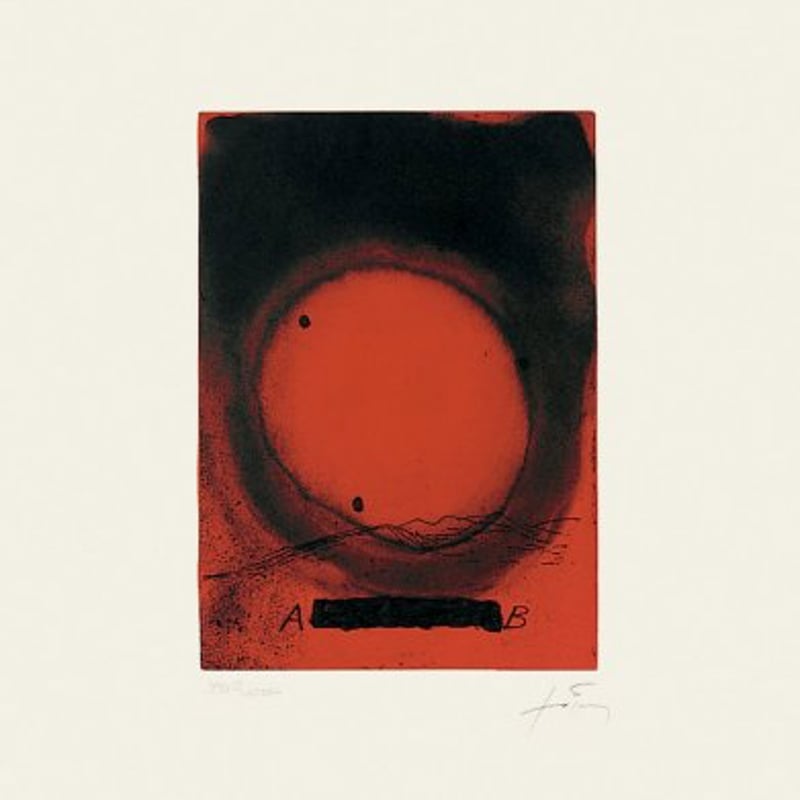
A movement and style in art that originated in Italy during the 1960s. It integrates elements of minimalism, performance art, and conceptual art by using everyday or seemingly worthless materials, such as newspapers, stones, or rags. The goal was to challenge and subvert the commercialization of art.
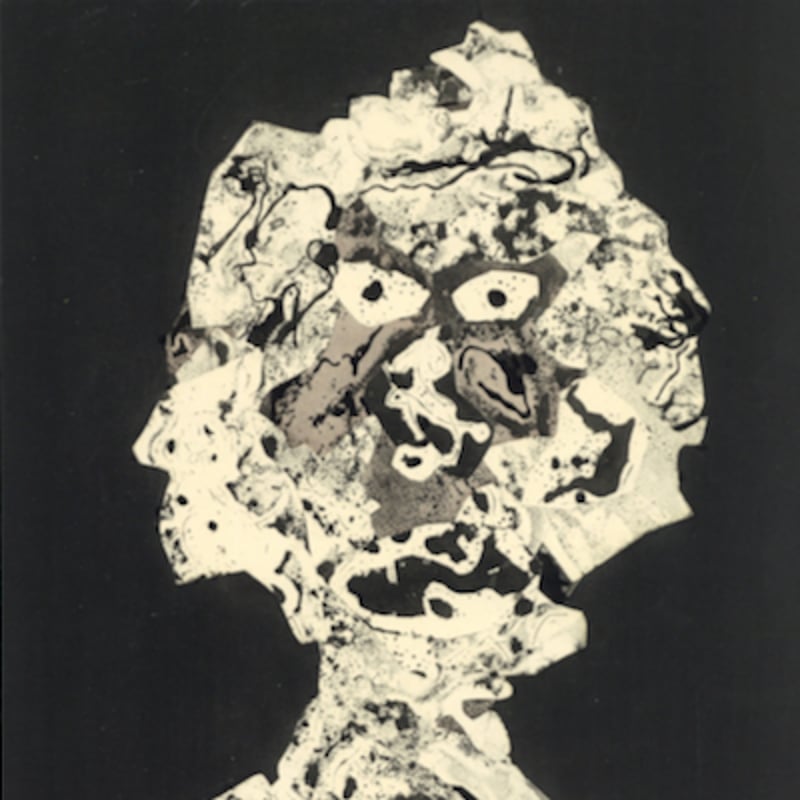
Art Brut, a French term meaning Raw Art, was coined by Jean Dubuffet to describe art created outside the conventional fine arts tradition. Dubuffet used the term to refer to works made by self-taught artists, including the mentally ill, prisoners, and others on the margins of society. He also called it Outsider Art. This art is characterized by its raw, unrefined nature, often created without concern for traditional presentation or imitation.
Can't find your Answer?
Thank you! Your question has been sent — we'll get back to you shortly.
