
What is Surrealism?
- Show All
- Established
- Discoveries
- Show All
Artworks Related to Surrealism
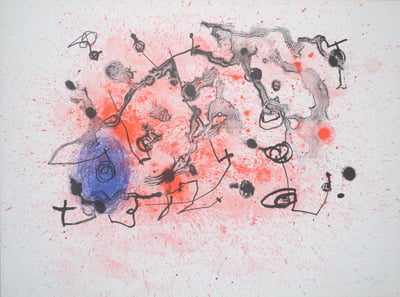
Joan Miró
Series II, Blue and Red - M291, 1961
Limited Edition Print
Lithograph
USD 4,375
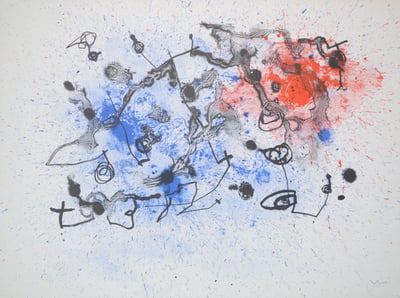
Joan Miró
Series II - Blue And Red - M290, 1961
Limited Edition Print
Lithograph
USD 4,375
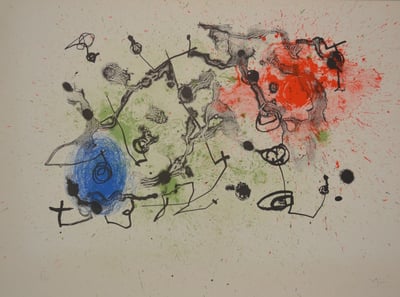
Joan Miró
Series II Blue Red And Green - M294, 1961
Limited Edition Print
Lithograph
USD 4,375
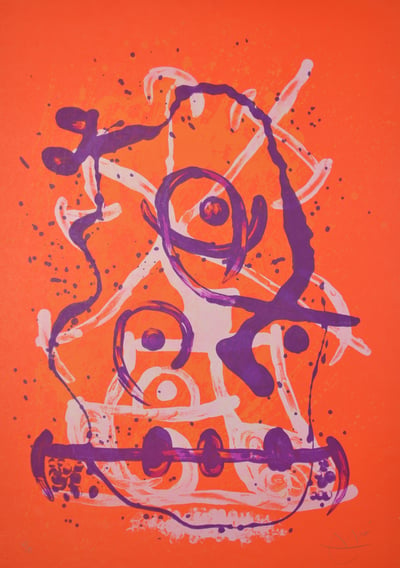
Joan Miró
Chevauchee Rouge Et Violet - M610, 1969
Limited Edition Print
Lithograph
USD 6,500
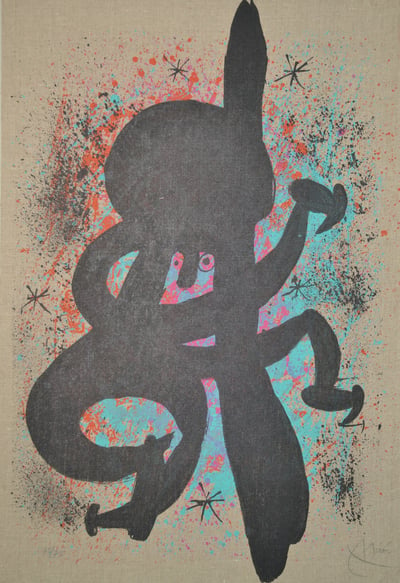
Joan Miró
The Feverish Eskimo - M637, 1969
Limited Edition Print
Lithograph
USD 6,500
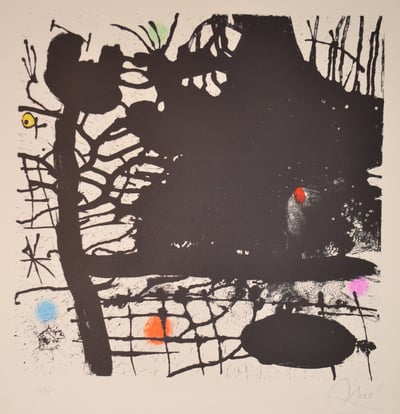
Joan Miró
La Nuit Tentaculaire - M639, 1969
Limited Edition Print
Lithograph
USD 6,200
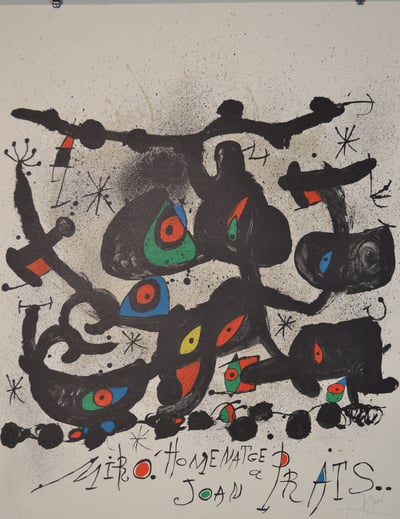
Joan Miró
Homentage A Joan Prats - M735, 1971
Limited Edition Print
Lithograph
USD 6,200

Joan Miró
Hommage A Miro - M868, 1972
Limited Edition Print
Lithograph
USD 5,300
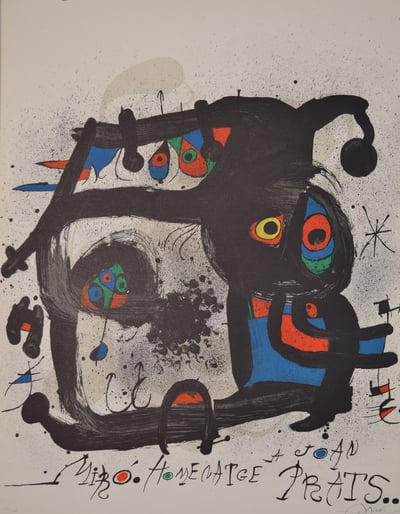
Joan Miró
Homentage A Joan Prats - M852, 1972
Limited Edition Print
Lithograph
USD 5,300
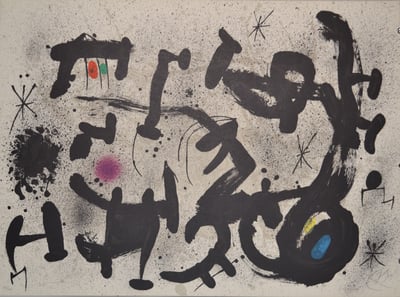
Joan Miró
Hommage A Joan Prats - M1034, 1975
Limited Edition Print
Lithograph
USD 5,200
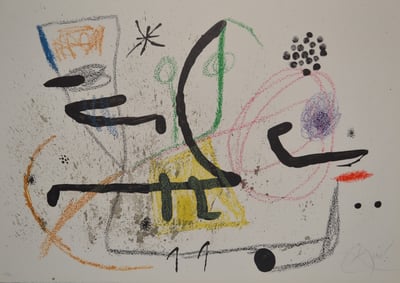
Joan Miró
Maravillas - M1061, 1975
Limited Edition Print
Lithograph
USD 6,500
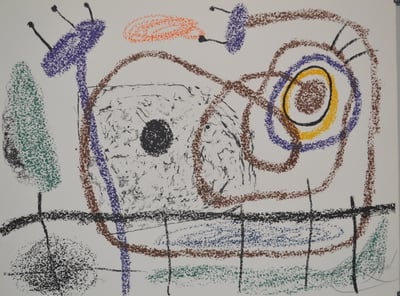
Joan Miró
Album 21 - M1132, 1978
Limited Edition Print
Lithograph
USD 6,250
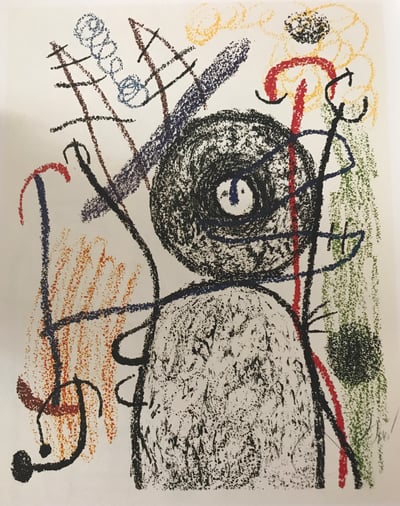
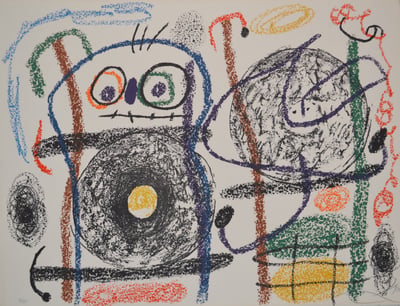
Joan Miró
Album 21, plate 14 - M1139, 1978
Limited Edition Print
Lithograph
USD 6,200
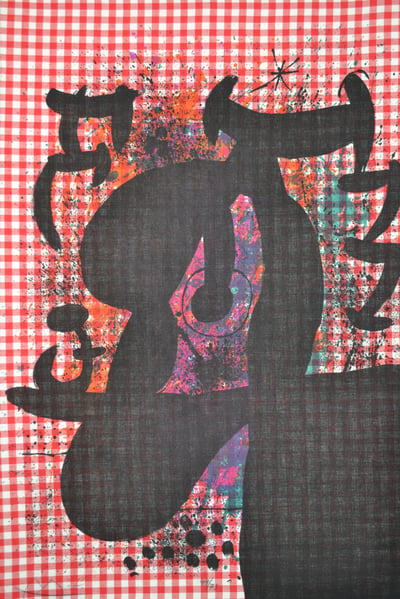
Joan Miró
Album 21, plate 15 - M1140
Limited Edition Print
Lithograph
USD 6,250
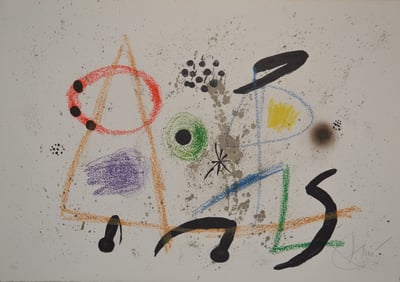
Joan Miró
Le Bagnard - M594 , 1969
Limited Edition Print
Lithograph
USD 7,450
Joan Miró
Maravillas - M1055
Limited Edition Print
Lithograph
USD 6,250
Related Articles
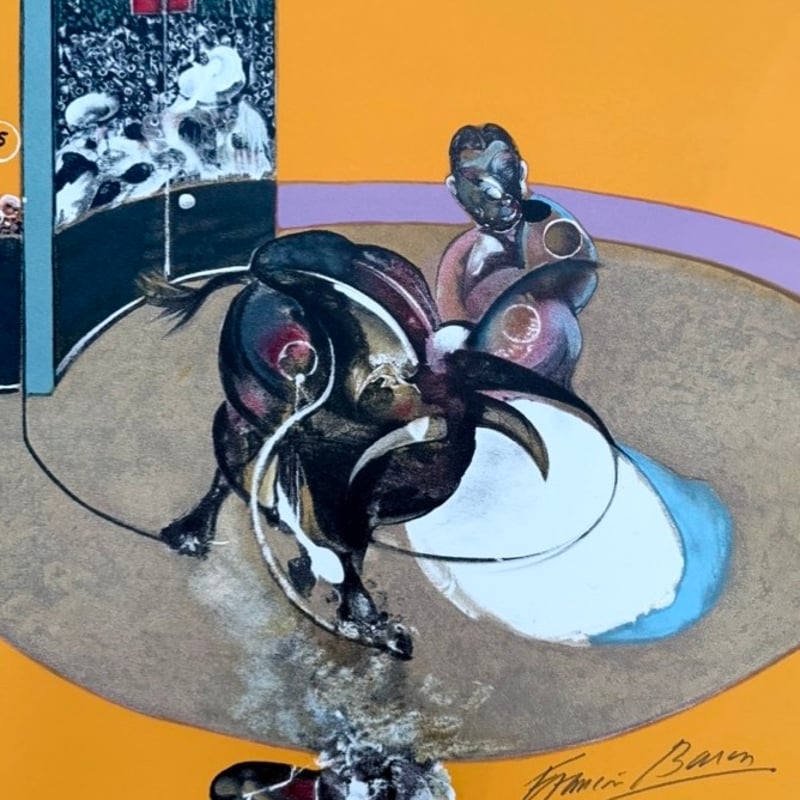
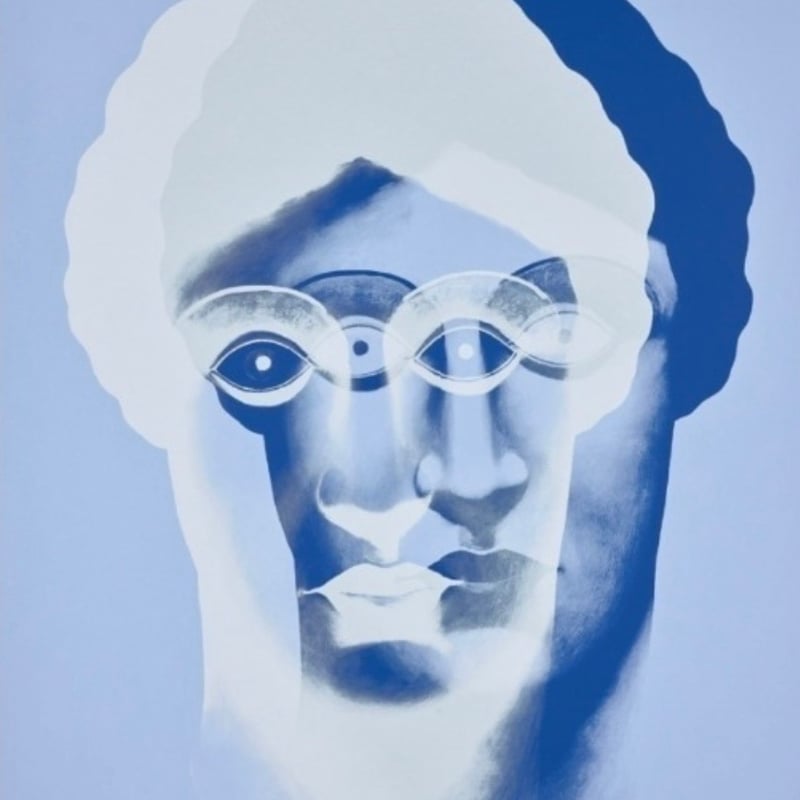

Mixed media refers to artwork that incorporates more than one medium within a single piece. Unlike multimedia art, which combines distinct forms of visual art and often includes elements like sound, video, or digital media, mixed media focuses on combining traditional art materials, such as paint, ink, and collage. Mixed media art allows artists to achieve a wide range of effects and textures by layering and blending different materials.
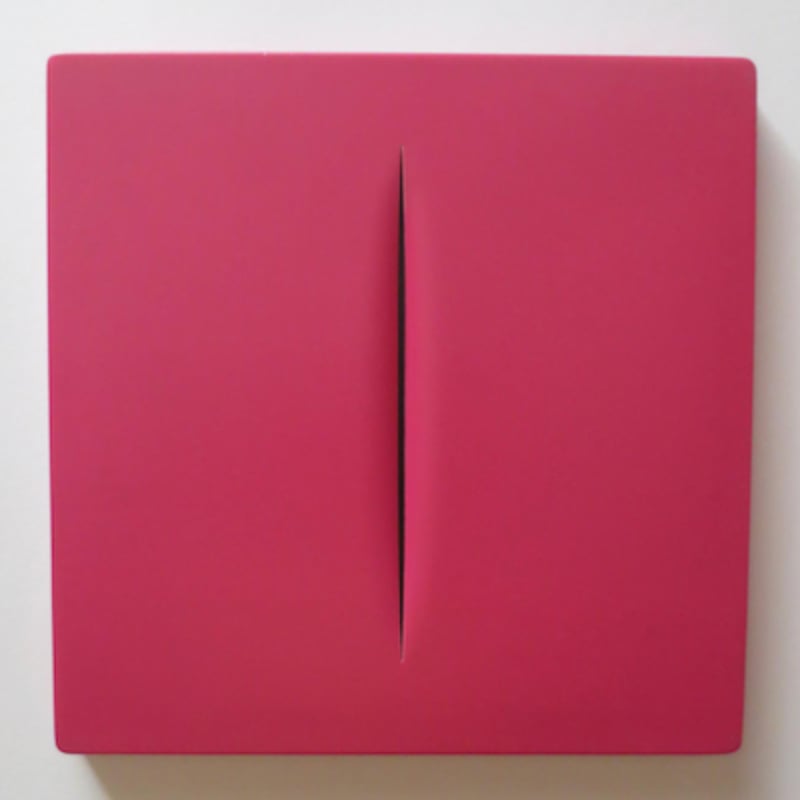
Spatialism is an art movement that originated in Italy in 1947, founded by Lucio Fontana with the intention of synthesizing sound, color, movement, and space into a new form of art. The movement's central ideas were outlined in Fontana's first manifesto, published in 1947, where he introduced the concept of spatial art to capture the spirit of the post-war era. His ideas were further developed in five subsequent manifestos. Although Fontana's ideas were sometimes considered vague, his influence was significant, as he was one of the first European artists to emphasize art as a performance and gesture.
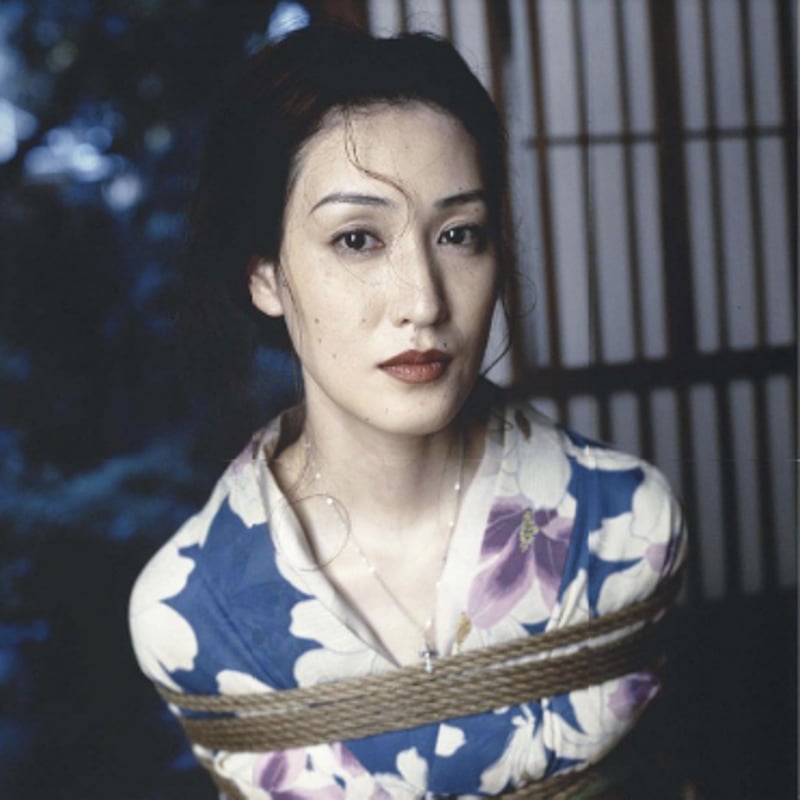
Shock Art is an art movement that uses disturbing images, scents, or sounds to provoke a strong, often shocked, reaction from viewers. It is often regarded as a form of social commentary, with critics and supporters debating whether its impact is positive or negative. Shock Art frequently employs taboo, obscene, or outrageous elements to challenge societal norms and provoke critical thought.
Can't find your Answer?
Thank you! Your question has been sent — we'll get back to you shortly.
