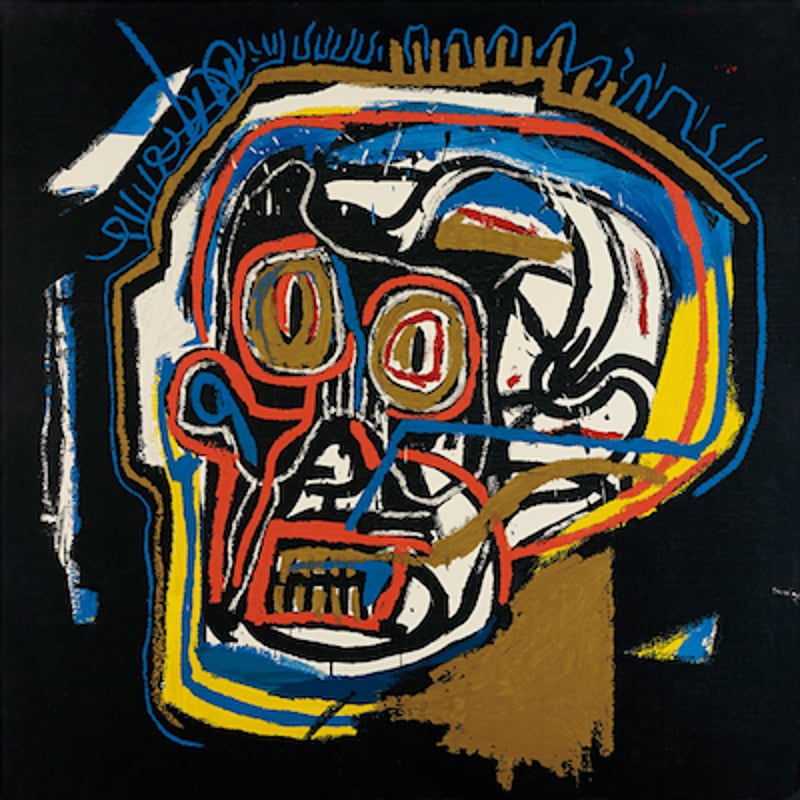
What is Street art?
- Show All
- Established
- Discoveries
- Show All
Artworks Related to Street Art
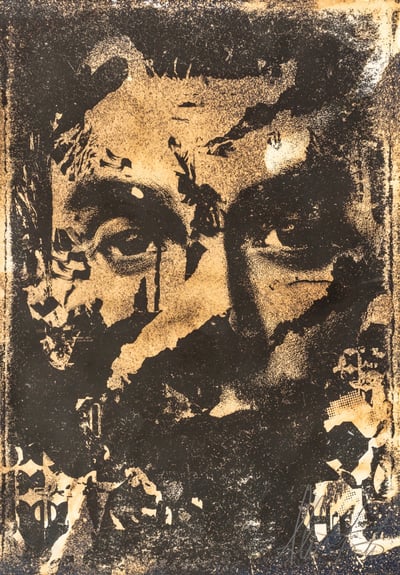
Vhils
Acquaint 1, 2022
Limited Edition Print
Lithograph
Currently Not Available
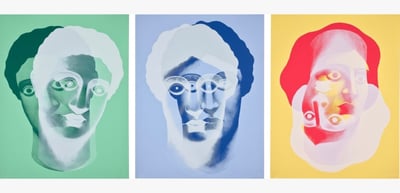
Nicolas Party
Karma Series of Portraits, 2017
Limited Edition Print
Screen-print
GBP 25,000 - 30,000
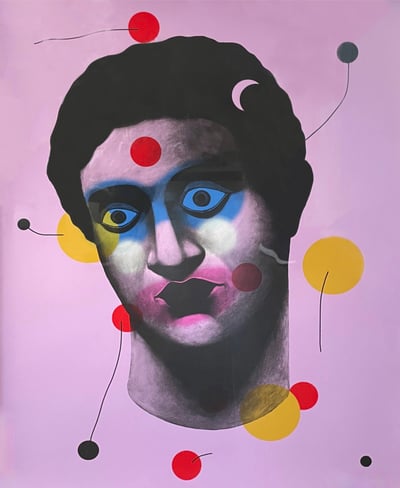
Nicolas Party
Portrait for RXArt Children's Hospital Commission, 2019
Limited Edition Print
Screen-print
GBP 9,500
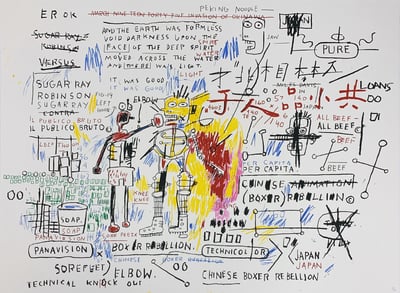
Jean-Michel Basquiat
Boxer Rebellion, 1982-83/2018
Limited Edition Print
Screen-print
USD 60,000 - 80,000
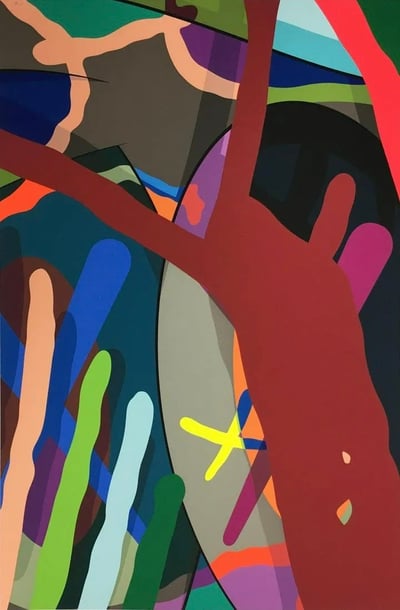
KAWS
Tension 4, 2019
Limited Edition Print
Screen-print
USD 11,350
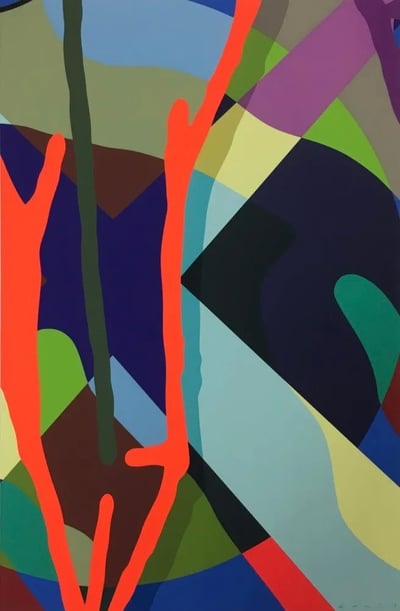
KAWS
Tension 6, 2019
Limited Edition Print
Screen-print
USD 11,350
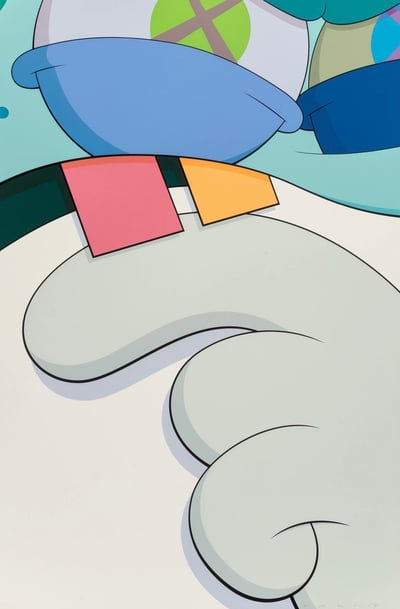
KAWS
Blame Game IX, 2014
Limited Edition Print
Screen-print
USD 16,900

Mr. Brainwash
Madonna, 2011
Limited Edition Print
Monoprint
Inquire For Price
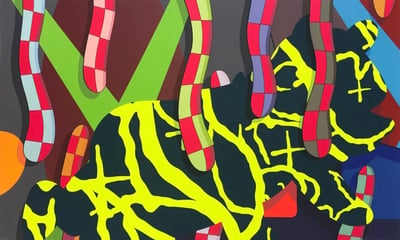
KAWS
Far Far Down, 2018
Limited Edition Print
Screen-print
USD 23,000 - 30,000
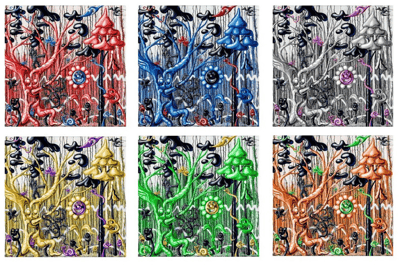
Kenny Scharf
Furungle (Suite of 6), 2021
Limited Edition Print
Mixed Media
USD 29,000

Mr. Brainwash
Street Connoisseur Follow Your Dreams Red, 2022
Limited Edition Print
Mixed Media
USD 4,300
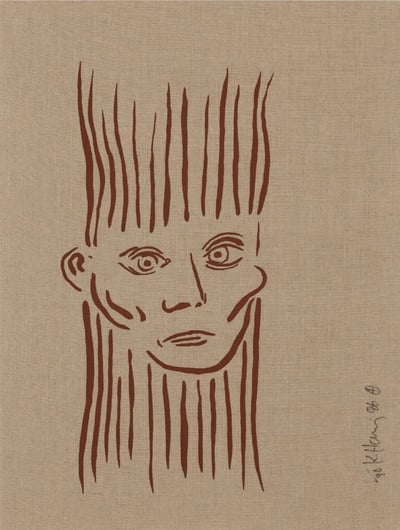
Keith Haring
Portrait of Joseph Beuys, 1986
Limited Edition Print
Screen-print
USD 10,850

Keith Haring
Untitled (Cockfight), 1985
Limited Edition Print
Lithograph
USD 42,900
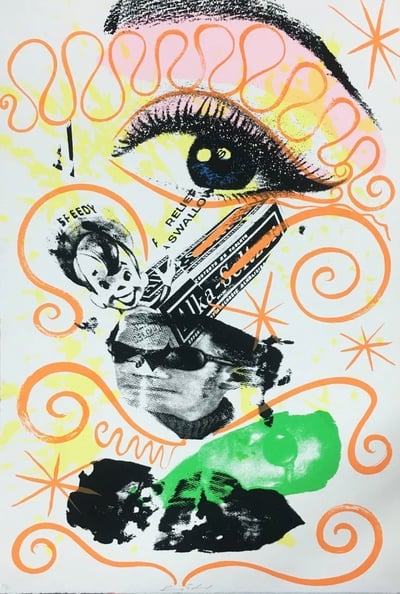
Kenny Scharf
Best Buddies, 1993
Limited Edition Print
Serigraph
USD 1,690

Keith Haring
International Youth Year, 1985
Limited Edition Print
Lithograph
USD 14,300
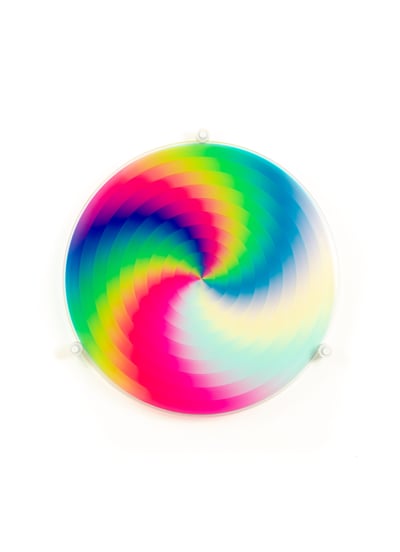
Felipe Pantone
Substractive Variability Compact, 2022
Sculpture / Object
Acrylic sculpture
EUR 4,700
Related Articles
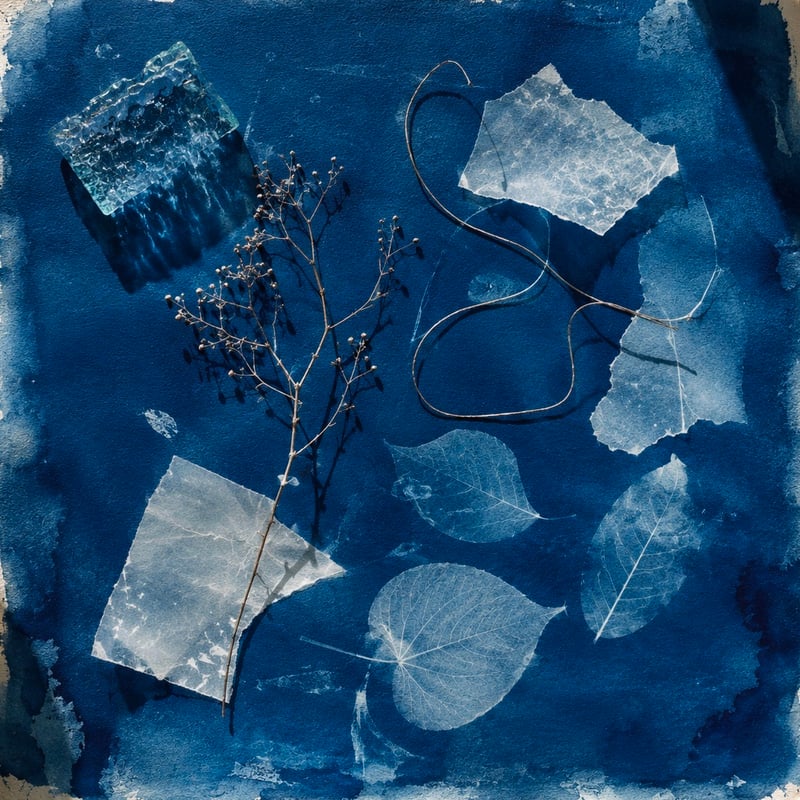
Cyanotype is a photographic technique that creates images in shades of blue, commonly known as blueprints. It involves coating a surface with a mixture of two chemicals, typically ferric ammonium citrate and potassium ferricyanide. When exposed to UV light and then washed in water, the process produces white images on a deep blue background.
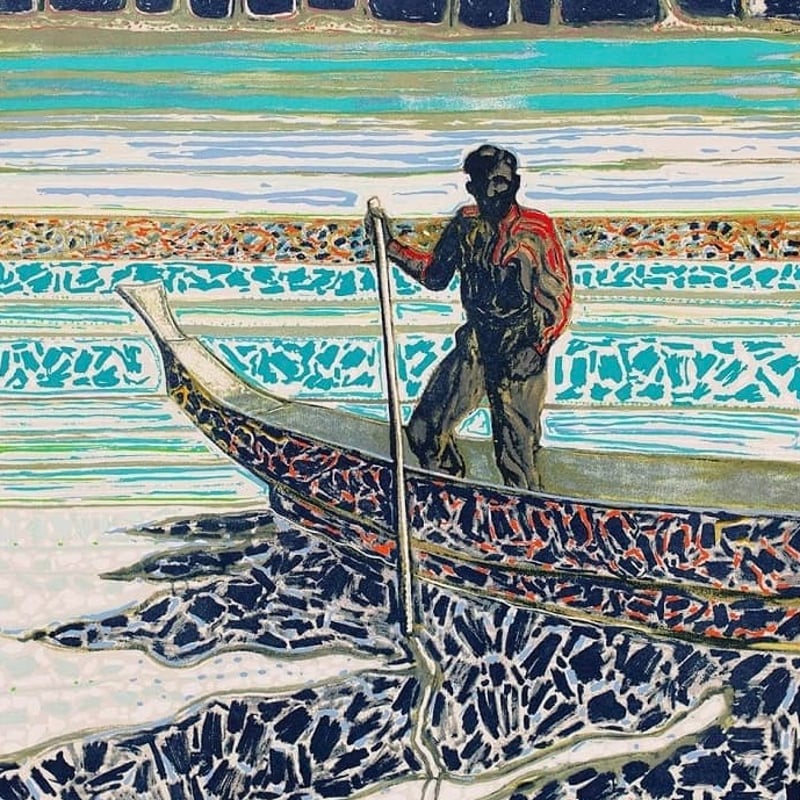
Stuckism is an art movement that promotes figurative painting over conceptual art. It was founded in 1999 by Charles Thomson and Billy Childish with an initial group of 13 artists in Britain. The movement has since expanded to 52 countries with 233 groups worldwide. Several manifestos, issued by Thomson and Childish, advocate for the spirit of modernism and the creation of spiritual art, regardless of medium, subject matter, or style. Stuckism emphasizes the importance of genuine expression and rejects the dominance of conceptual art in the contemporary art scene.
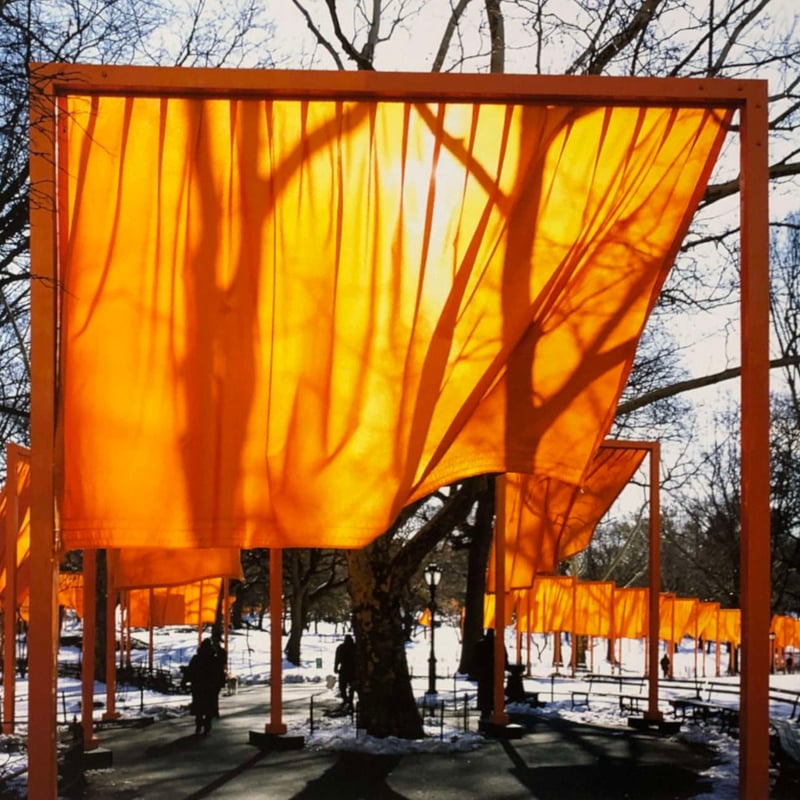
Ephemeral art is a type of art that occurs only once and typically lasts for a very short period. It cannot be displayed as a traditional work of art in a gallery or museum. Examples of ephemeral art include performances, happenings, sound sculptures, flyers, and mass-produced items. This art form emphasizes the transient nature of the experience, existing only in the moment and often leaving no lasting physical trace.
Can't find your Answer?
Thank you! Your question has been sent — we'll get back to you shortly.
