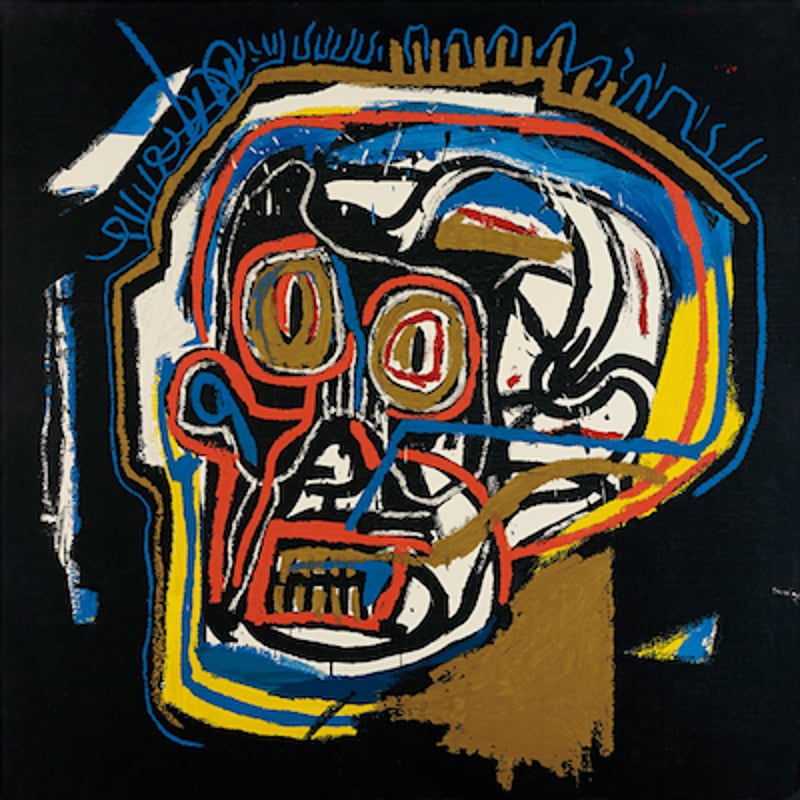
What is Street art?
- Show All
- Established
- Discoveries
- Show All
Artworks Related to Street Art

Mr. Brainwash
Love Splash, 2010
Limited Edition Print
Screen-print
USD 5,900
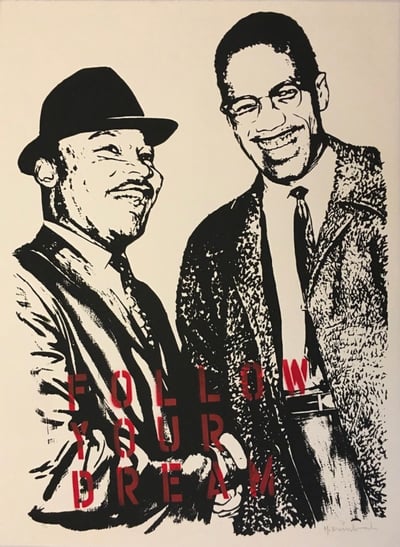
Mr. Brainwash
Follow Your Dream (Martin Luther King Jr. and Malcolm X), 2008
Limited Edition Print
Screen-print
USD 4,325
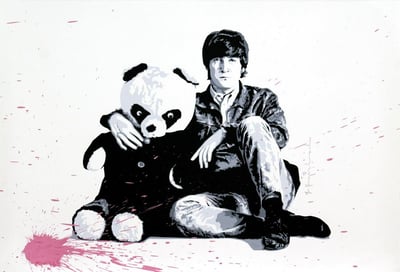
Mr. Brainwash
All You Need Is Love (Lennon), 2010
Limited Edition Print
Silkscreen
USD 4,735

Jean-Michel Basquiat
50 Cent Piece, 1982-83/2020
Limited Edition Print
Screen-print
Inquire For Price
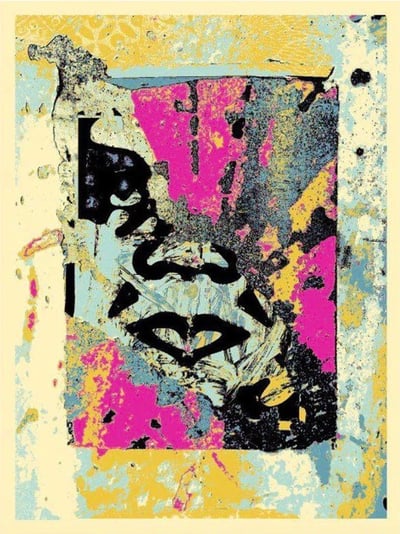
Shepard Fairey
Enhanced Disintegration (Pink), 2019
Limited Edition Print
Screen-print
GBP 1,000
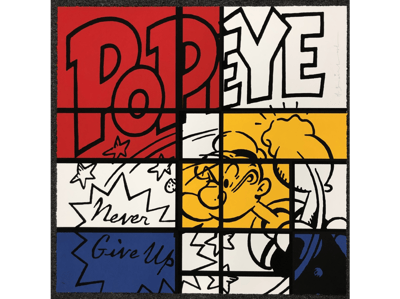
Mr. Brainwash
Mondrian, 2019
Limited Edition Print
Screen-print
Currently Not Available
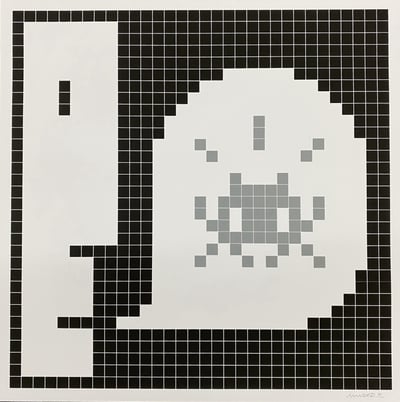
Invader
Alert (Gray), 2021
Limited Edition Print
Screen-print
GBP 5,400

Donald Baechler
Family I, 1986
Limited Edition Print
Etching
Currently Not Available
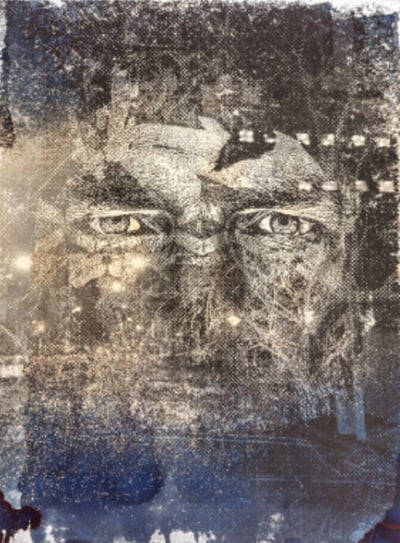
Vhils
Contrive series #05, 2019
Limited Edition Print
Lithograph
EUR 3,100

Felipe Pantone
Chromadyna Micap #5, 2021
Limited Edition Print
Lithograph
EUR 1,200

Felipe Pantone
Chromadyna Micap #4, 2021
Limited Edition Print
Lithograph
EUR 1,200

Felipe Pantone
Chromadyna Micap #3, 2021
Limited Edition Print
Lithograph
EUR 1,200

Felipe Pantone
Chromadyna Micap #2, 2021
Limited Edition Print
Lithograph
EUR 1,200

Felipe Pantone
Chromadyna Micap #1, 2021
Limited Edition Print
Lithograph
EUR 1,200

Cabelo
Without title 9, 2015
Limited Edition Print
Monotype
Currently Not Available
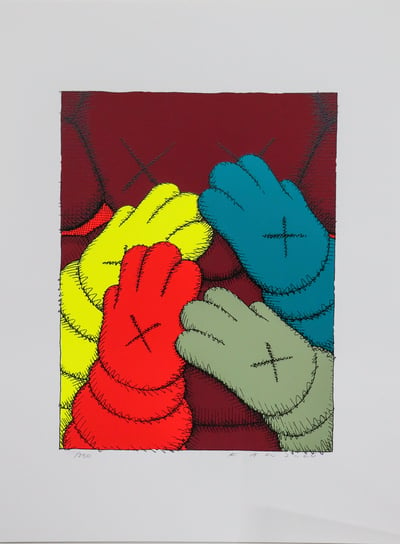
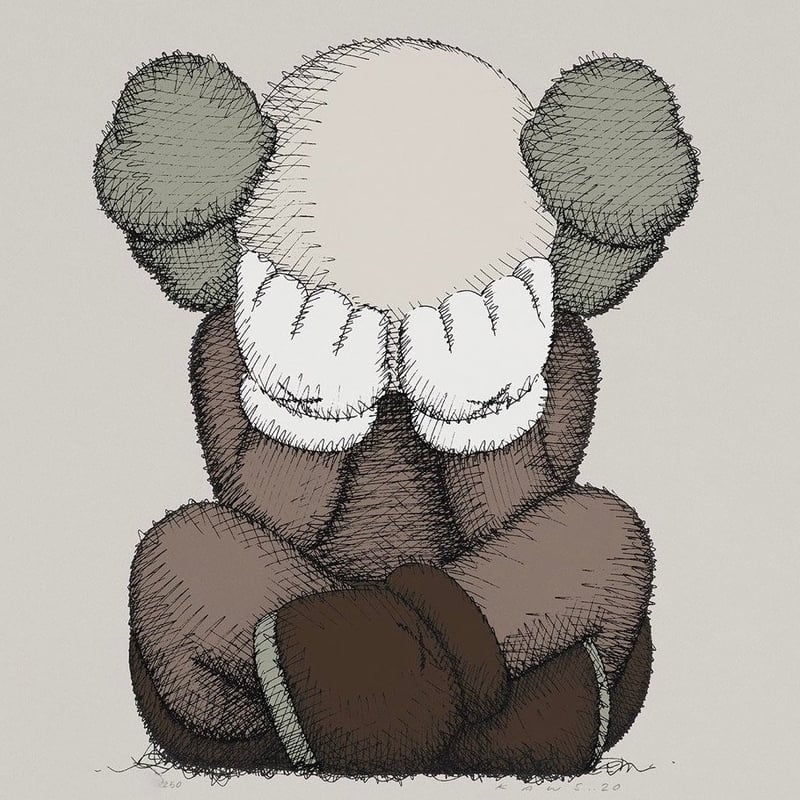
KAWS
Untitled IX (Urge), 2020
Limited Edition Print
Silkscreen
USD 7,000 - 10,000
Related Articles

Magnum Photos is a photographic cooperative founded in 1947 by four photographers: Robert Capa, Henri Cartier-Bresson, George Rodger, and David Chim Seymour. Based in New York, the organization was created to give photographers the freedom to document the human condition with compassion and integrity. Magnum Photos has an extensive historical image library, capturing world events and offering a unique perspective on global history.

Art Intervention refers to art created with the intention of interacting with an existing situation, structure, artwork, audience, or institution. This form of art gained popularity in the 1960s as artists sought to provoke change within political and social contexts. The concept of Artist-in-Residence programs was influenced by the ideas and practices of this movement.
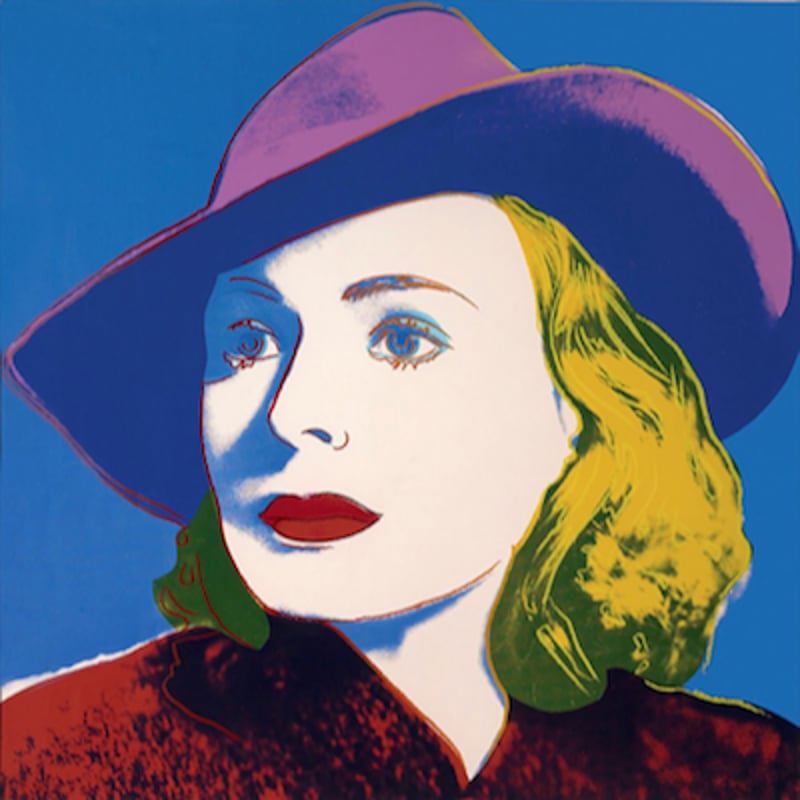
Pop Art is an art movement that began in Britain in 1955 and in the late 1950s in the U.S. It challenged traditional fine arts by incorporating imagery from popular culture, such as news, advertising, and comic books. Pop Art often isolates and recontextualizes materials, combining them with unrelated elements. The movement is more about the attitudes and ideas that inspired it than the specific art itself. Pop Art is seen as a reaction against the dominant ideas of Abstract Expressionism, bringing everyday consumer culture into the realm of fine art.
Can't find your Answer?
Thank you! Your question has been sent — we'll get back to you shortly.
