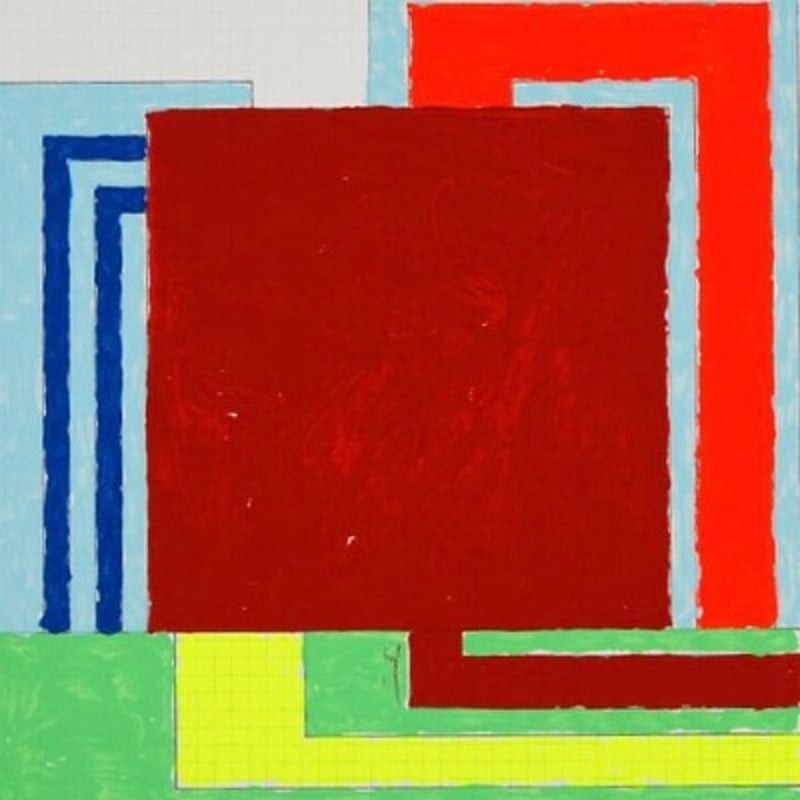
What is Neo-Geo?
- Show All
- Established
- Discoveries
- Show All
Artworks Related to Neo-Geo
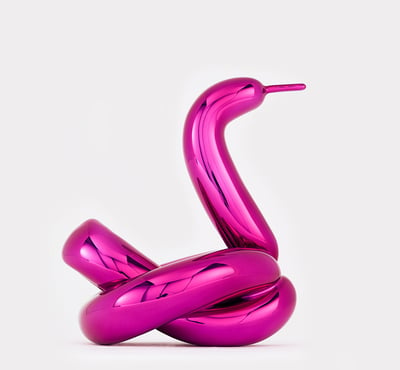
Jeff Koons
Balloon Swan (Magenta), 2019
Sculpture / Object
Porcelain
USD 11,900

Jeff Koons
Balloon Rabbit (Violet), 2019
Sculpture / Object
Mixed Media
USD 11,900
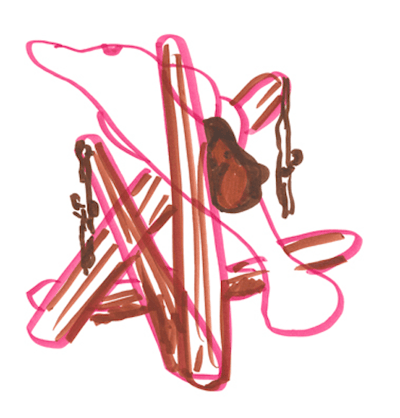
Jeff Koons
Dolphin Saddle, 2009
Limited Edition Print
Lithograph
GBP 10,700
Peter Halley
Cartoon Views, 2020
Limited Edition Print
Etching
EUR 1,750
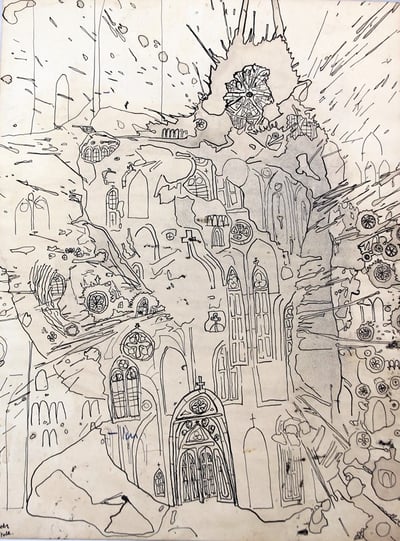
John Armleder
Étude, 1966
Drawing / Watercolor
Ink
EUR 4,000
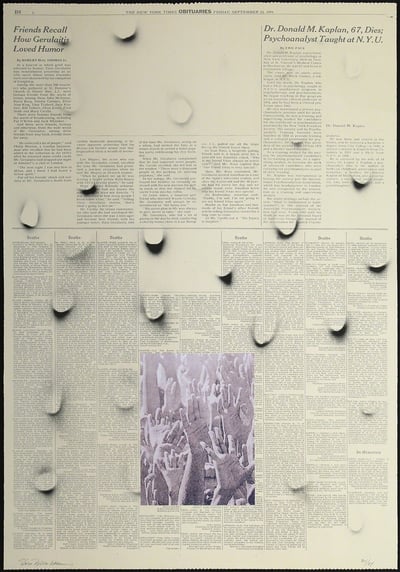
Ross Bleckner
September 23rd bis (variant 1), 2016
Limited Edition Print
Lithograph
Currently Not Available

Ross Bleckner
September 23rd bis (variant 4), 2016
Limited Edition Print
Lithograph
EUR 1,800
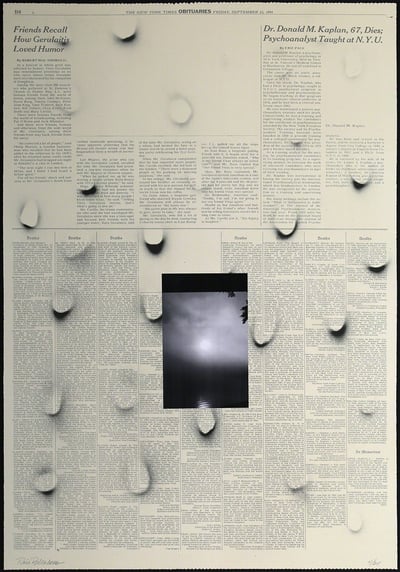
Ross Bleckner
September 23rd bis (variant 5), 2016
Limited Edition Print
Lithograph
EUR 1,800

Ross Bleckner
September 23rd bis (variant 6), 2016
Limited Edition Print
Lithograph
EUR 1,800

Ross Bleckner
September 23rd bis (variant 3), 2016
Limited Edition Print
Lithograph
EUR 1,800
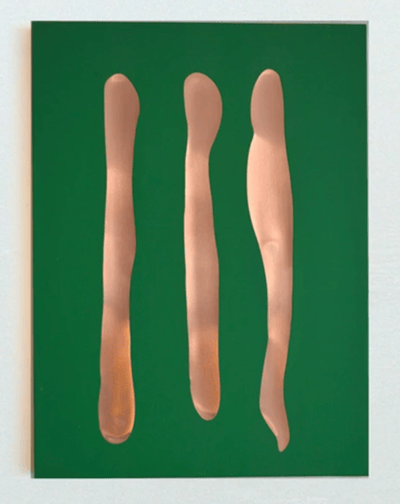
Gunther Forg
Mr Green, 2002
Limited Edition Print
Mixed Media
EUR 4,500 - 7,000
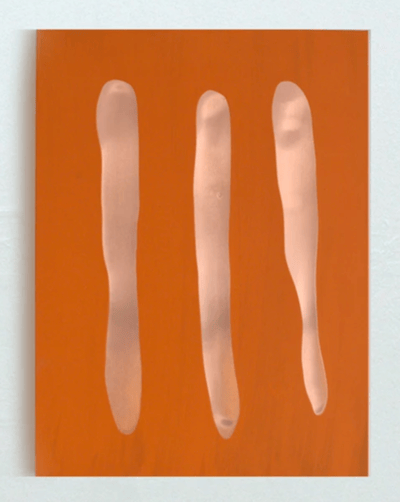
Gunther Forg
Mr Orange, 2002
Limited Edition Print
Mixed Media
EUR 4,500 - 7,000
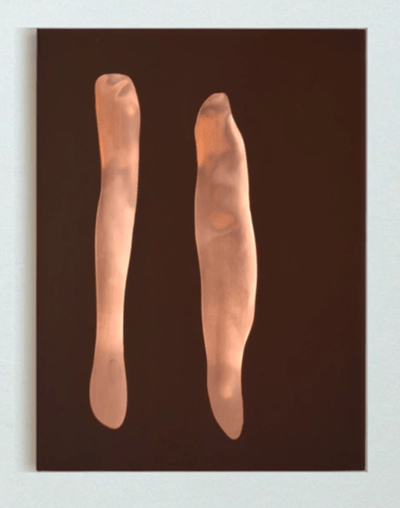
Gunther Forg
Mr Brown, 2002
Limited Edition Print
Mixed Media
EUR 4,500 - 7,000
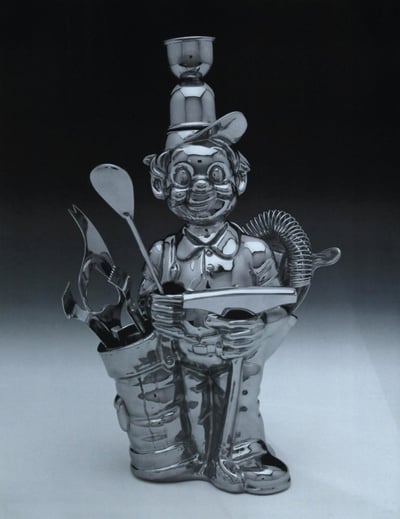
Jeff Koons
Fisherman Golfer, 1986
Limited Edition Print
Lithograph
Artwork On Hold
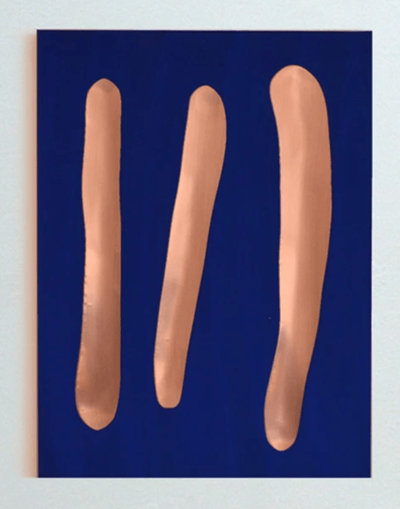
Gunther Forg
Mr Blue, 2002
Limited Edition Print
Mixed Media
EUR 4,500 - 7,000
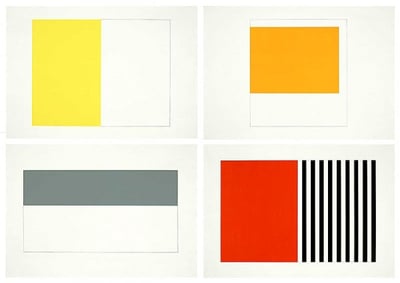
Gunther Forg
Wandmalereien Bern
Limited Edition Print
Silkscreen
Currently Not Available
Related Articles



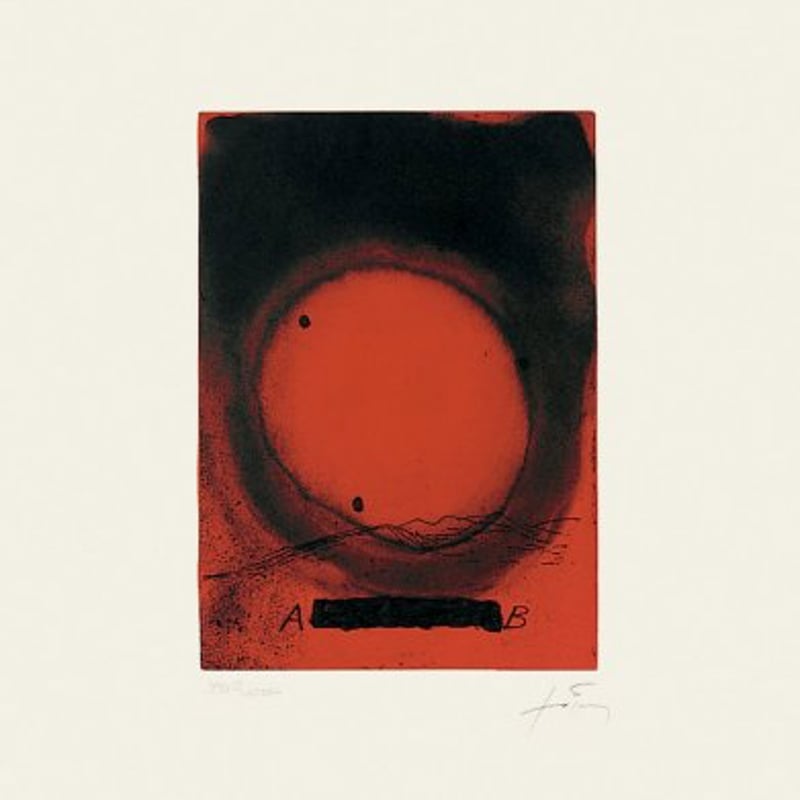
A movement and style in art that originated in Italy during the 1960s. It integrates elements of minimalism, performance art, and conceptual art by using everyday or seemingly worthless materials, such as newspapers, stones, or rags. The goal was to challenge and subvert the commercialization of art.

Provenance refers to the chronology of ownership, location, or custody of an artwork. Tracing an object's provenance helps establish its authenticity and historical context by documenting its ownership history, storage locations, and custody over time. This process often involves expert opinions, comparative analysis, and scientific testing to provide evidence of the artwork’s origin and history.

Tansaekhwa, also known as monochrome painting, is a movement in Korean art that began in the mid-1970s. These artworks are characterized by the manipulation of painting materials, such as pushing paint, soaking the canvas, ripping paper, or other techniques that alter the medium. Tansaekhwa emphasizes texture, materiality, and the physical process of creating the artwork.
Can't find your Answer?
Thank you! Your question has been sent — we'll get back to you shortly.
