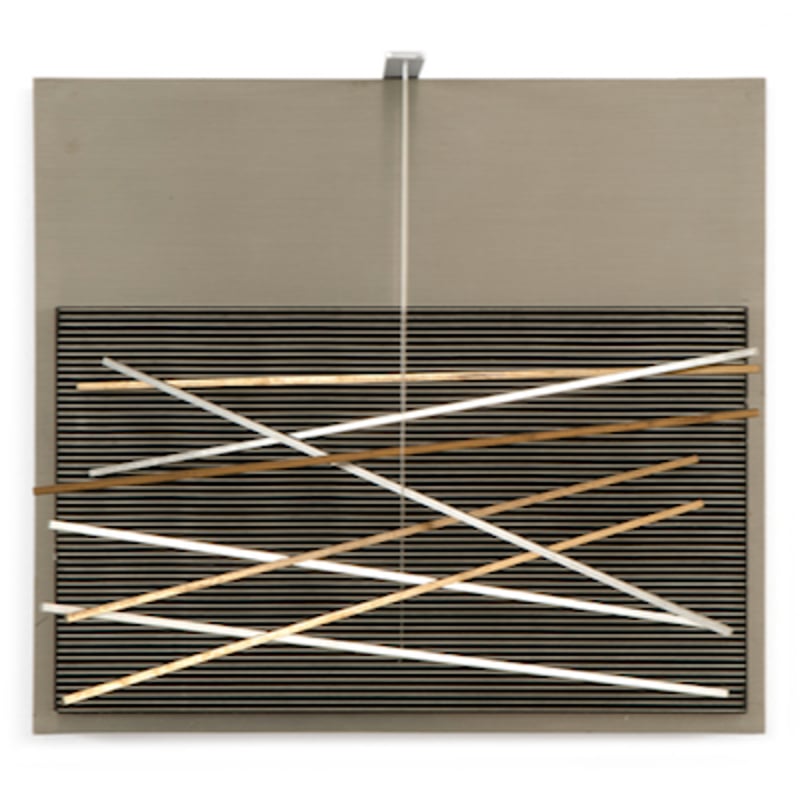
What is kinetic art?
- Show All
- Established
- Discoveries
- Show All
Artworks Related to Kinetic art
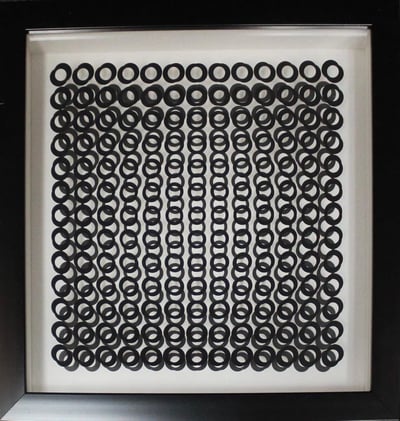
Victor Vasarely
Profound Works 7, 1973
Limited Edition Print
Serigraph
USD 500
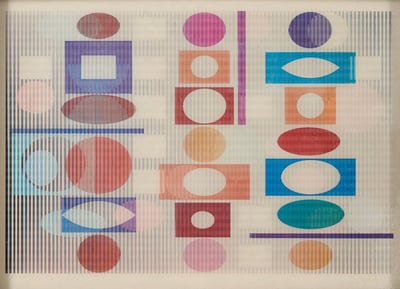
Yaacov Agam
Poly Meta, c. 1970-80
Limited Edition Print
Mixed Media
Inquire For Price
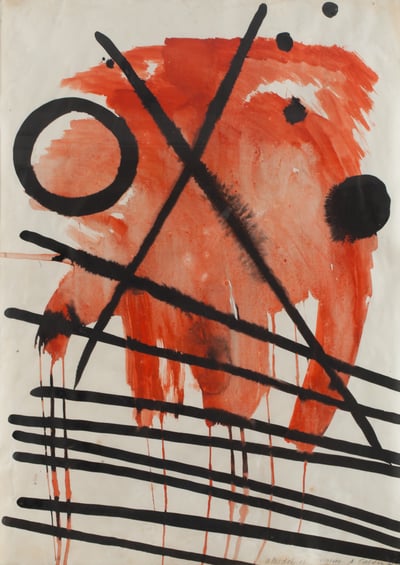
Alexander Calder
Untitled, 1961
Drawing / Watercolor
Mixed Media
Inquire For Price
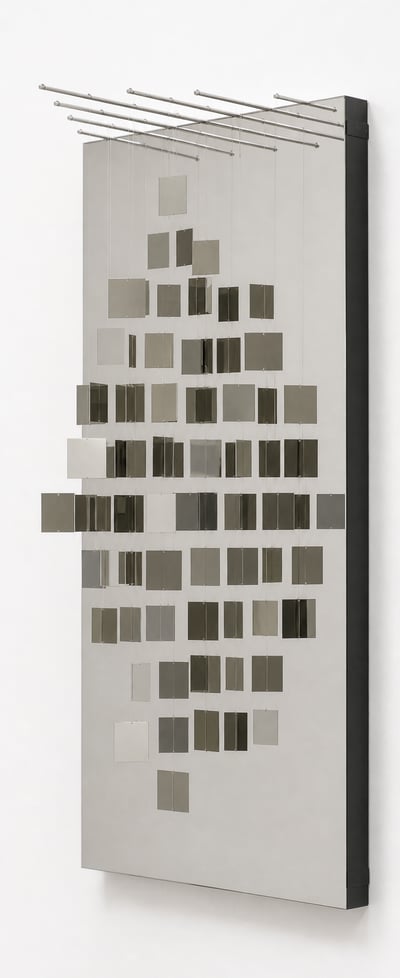
Julio Le Parc
Losange Virtuel sur mirroir, 2021
Sculpture / Object
Mixed Media
EUR 20,000
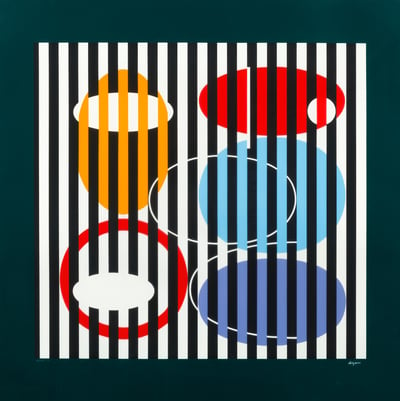
Yaacov Agam
End to end Suite, 1991
Limited Edition Print
Silkscreen
USD 1,025
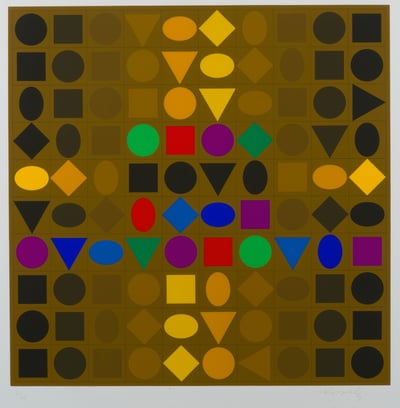
Victor Vasarely
Sorbonne, 1973
Limited Edition Print
Silkscreen
USD 1,350
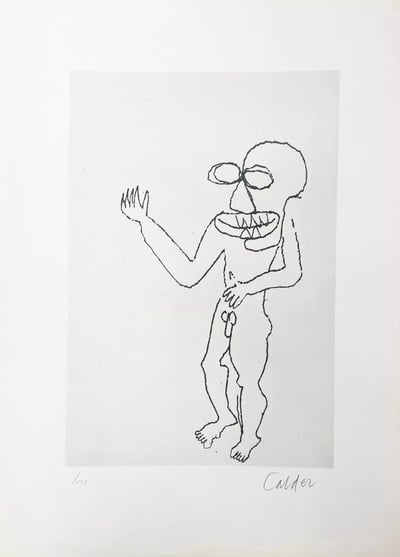
Alexander Calder
Santa Claus VIII, 1974
Limited Edition Print
Etching
USD 1,000

Alexander Calder
Santa Claus VII, 1974
Limited Edition Print
Etching
USD 1,150

Alexander Calder
Santa Claus VI, 1974
Limited Edition Print
Etching
USD 1,000
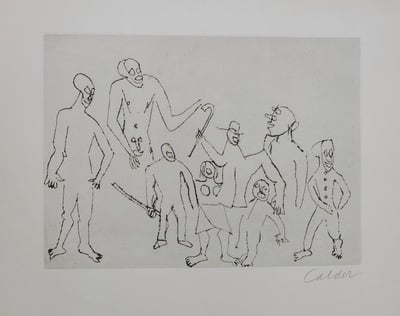
Alexander Calder
Santa Claus IV, 1974
Limited Edition Print
Etching
USD 1,000
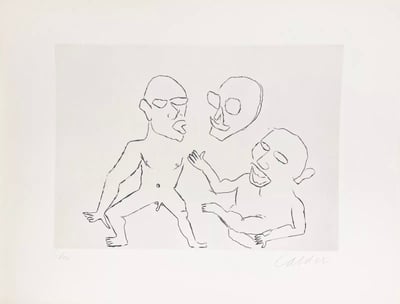
Alexander Calder
Santa Claus III, 1974
Limited Edition Print
Etching
Inquire For Price
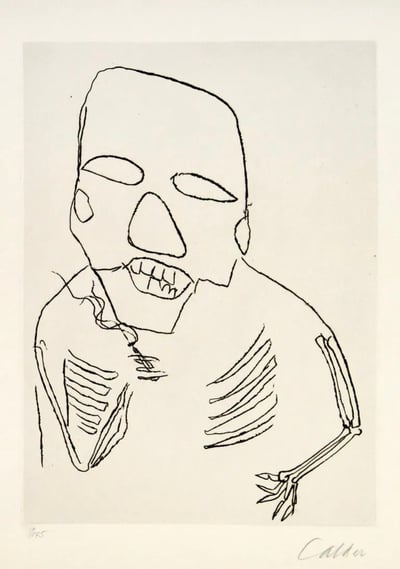
Alexander Calder
Santa Claus I, 1974
Limited Edition Print
Etching
USD 1,000

Alexander Calder
Papouse, 1969
Limited Edition Print
Lithograph
Currently Not Available

Alexander Calder
McGovern for McGovernment , 1972
Limited Edition Print
Screen-print
USD 1,850

Alexander Calder
McGovern for Government, 1974
Limited Edition Print
Lithograph
USD 1,350

Alexander Calder
Clown, 1976
Limited Edition Print
Lithograph
USD 6,190
Related Articles
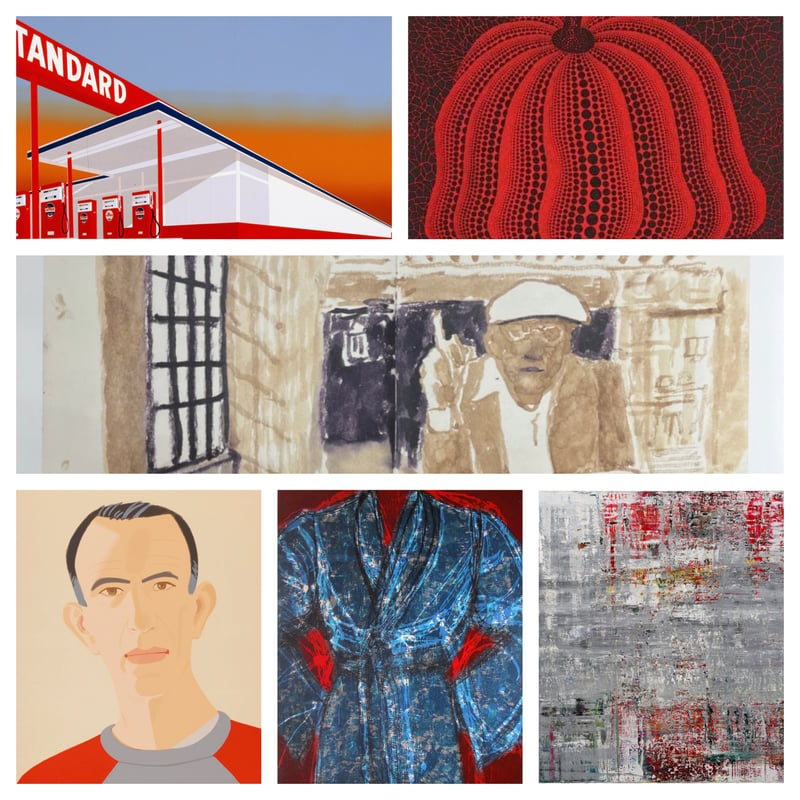

A body print is an art technique where the artist uses their body as a printing plate. This can be done by smearing grease, margarine, or oil on the skin, hair, and clothes, then pressing the body against a surface like paper. The oiled imprint is then dusted with pigment. Unlike a self-portrait, a body print explores two competing concepts of identity rather than capturing a likeness of the artist. The method emphasizes the physicality of the body while questioning the boundaries between self-representation and abstraction.
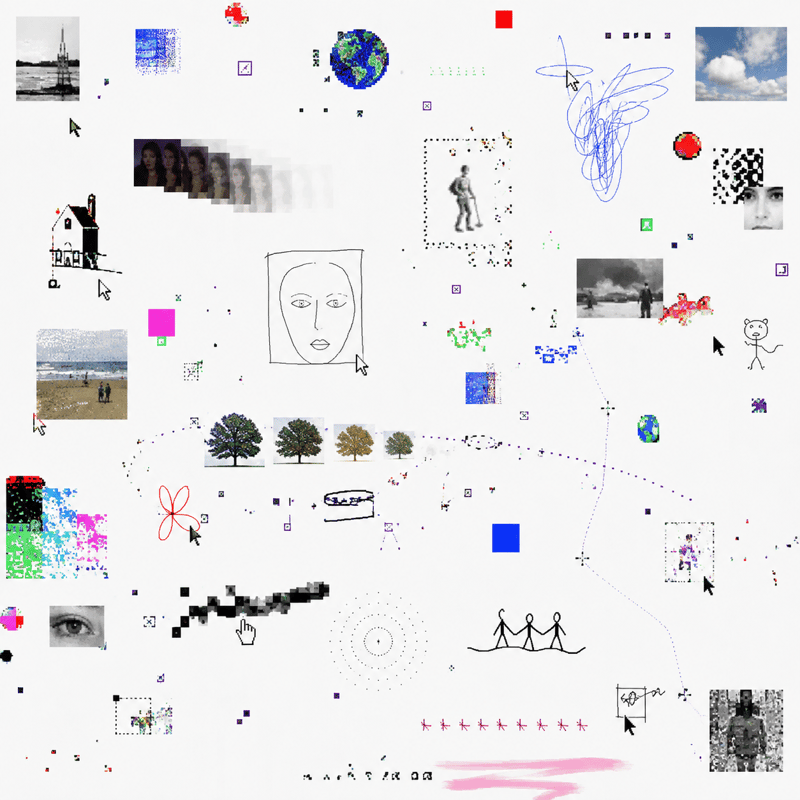
Net Art is art created on the internet, specifically for the internet. Artists who create it use computers to generate imagery, exhibit art online, or build programs that produce unique artworks. Since the 1990s, the movement has been considered subversive because it transcends geographic boundaries and defies traditional art norms, challenging conventional ideas of where and how art should be experienced.
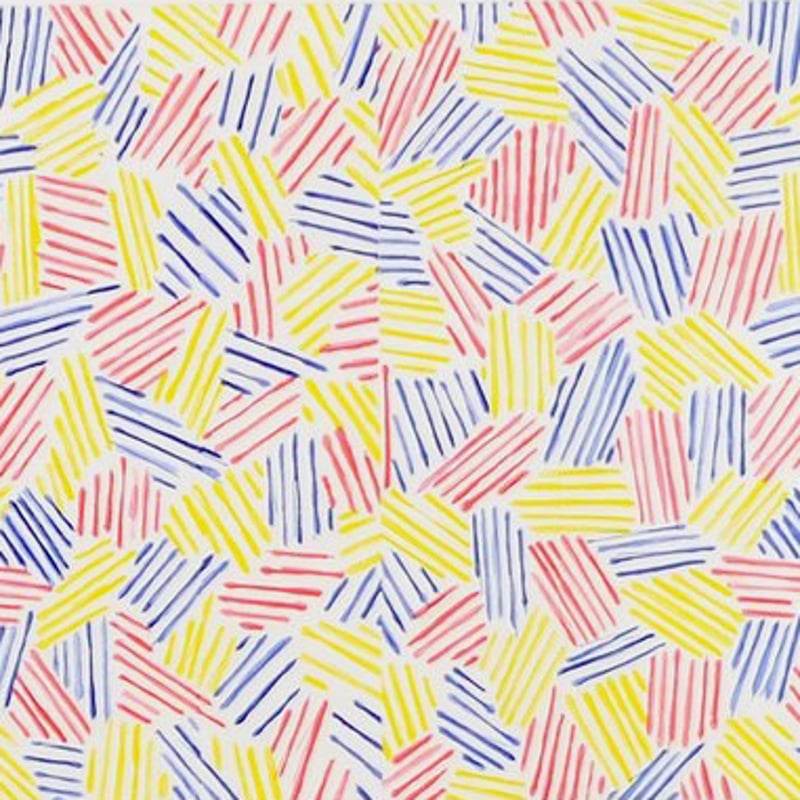
Intaglio is a printmaking technique where a design is incised below the surface of a metal or stone plate. Ink is applied to the plate, filling the incised lines or depressions, while the surface is wiped clean. The ink in the depressions is then transferred to paper using an etching press. Common intaglio techniques include engraving, etching, and drypoint.
Can't find your Answer?
Thank you! Your question has been sent — we'll get back to you shortly.
