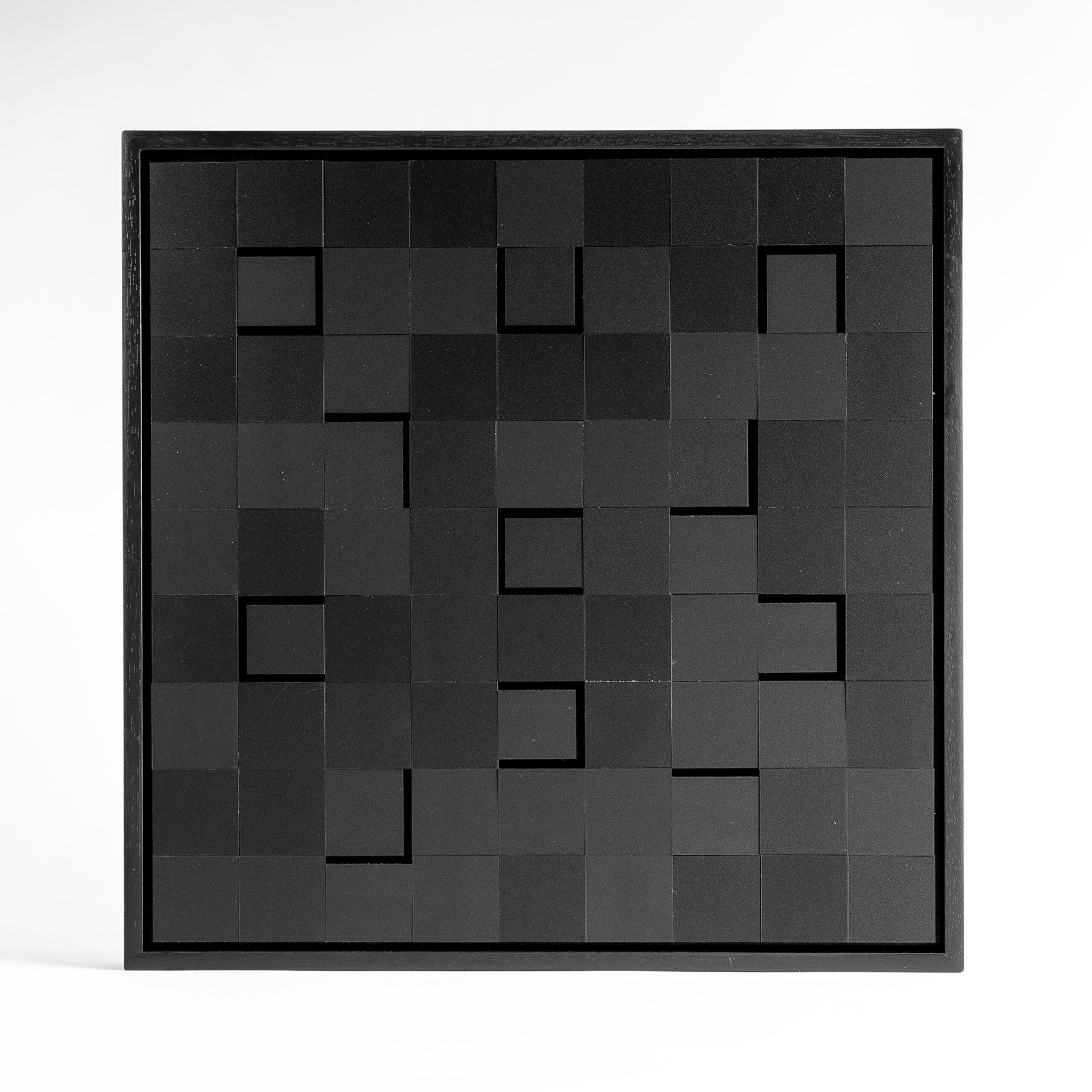
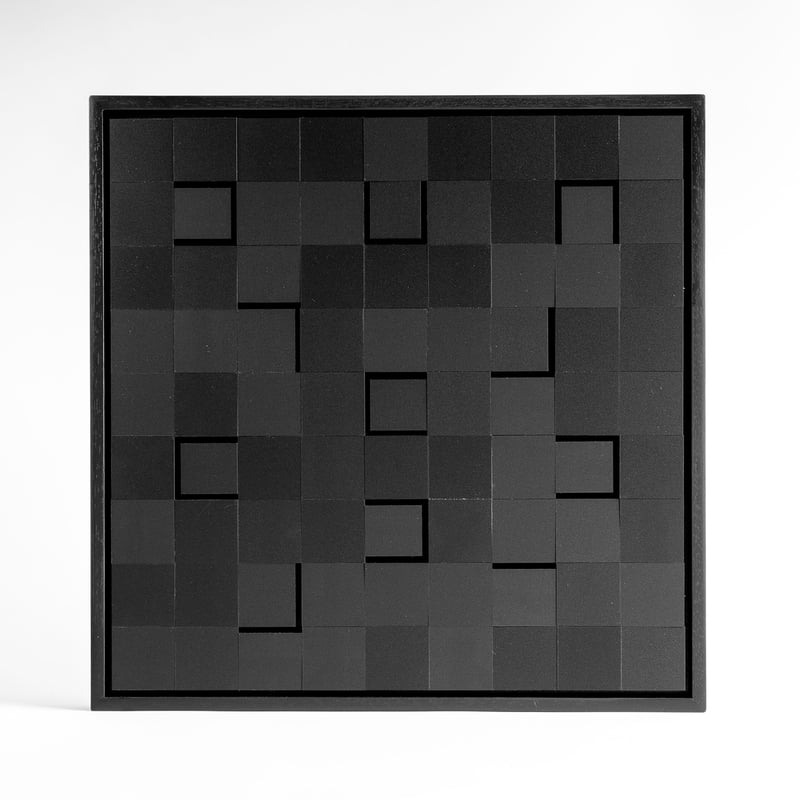
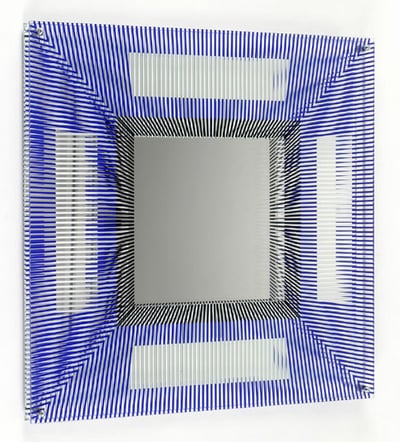
Lumiere noire unique II/X, 2011
Form
Medium
Size
- Inches
- Centimeters
Edition
Price
- USD
- EUR
- GBP
- CHF
- Authenticity Guaranteed
- Insured Shipping
- Online Since 2005
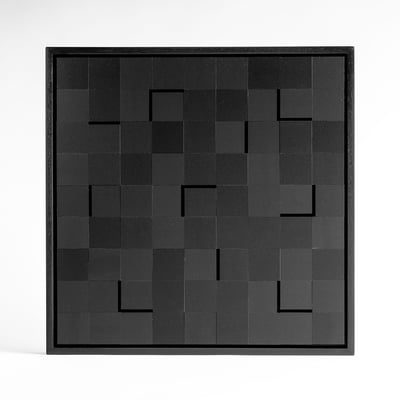
Luis Tomasello
Lumiere noire unique VI/X, 2011
Sculpture / Object
Mixed Media
EUR 3,500
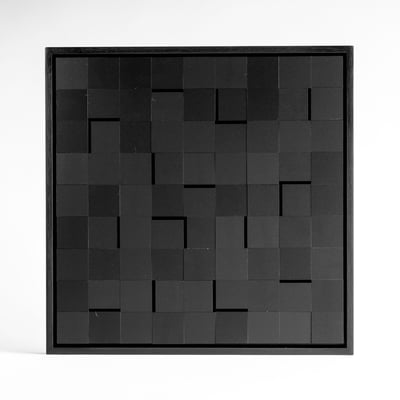
Luis Tomasello
Lumiere noire unique V/X, 2011
Sculpture / Object
Mixed Media
EUR 3,500
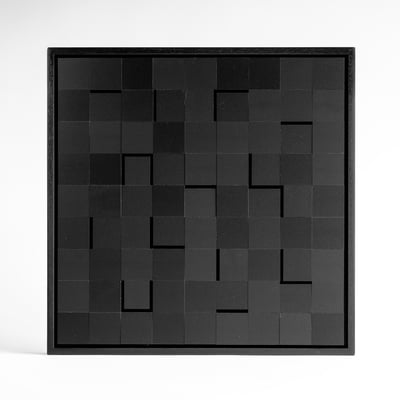
Luis Tomasello
Lumiere noire unique IV/X, 2011
Sculpture / Object
Mixed Media
EUR 3,500
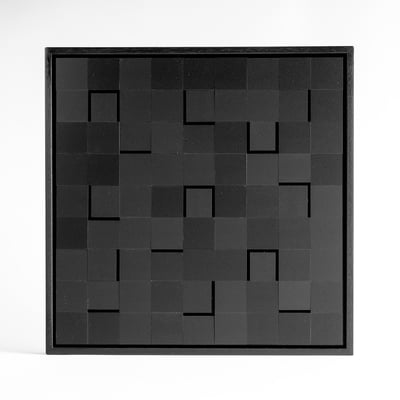
Luis Tomasello
Lumiere noire unique III/X, 2011
Sculpture / Object
Mixed Media
EUR 3,500
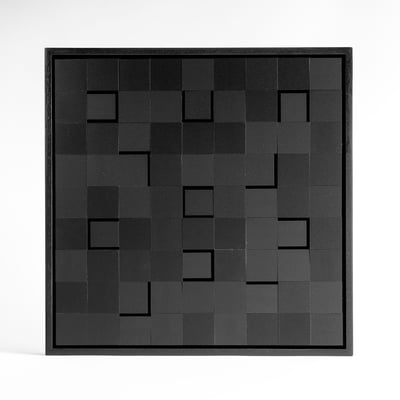
Luis Tomasello
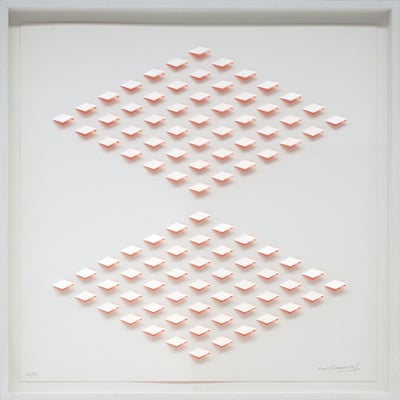
Lumiere noire unique II/X, 2011
Sculpture / Object
Mixed Media
EUR 3,500
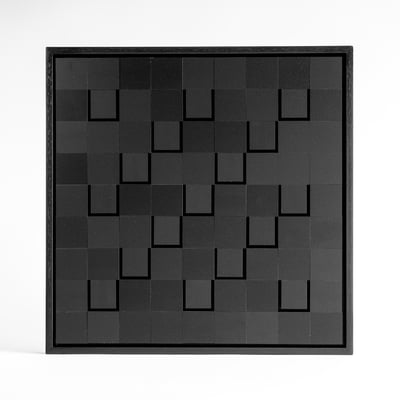
Luis Tomasello
Lumiere noire unique I/X, 2011
Sculpture / Object
Mixed Media
EUR 3,500
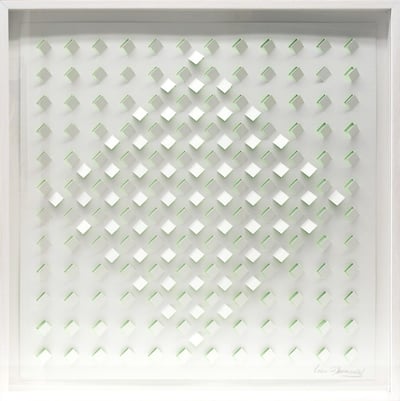
Luis Tomasello
S/T 1 - Verde, 2013
Limited Edition Print
Lithograph
EUR 3,000
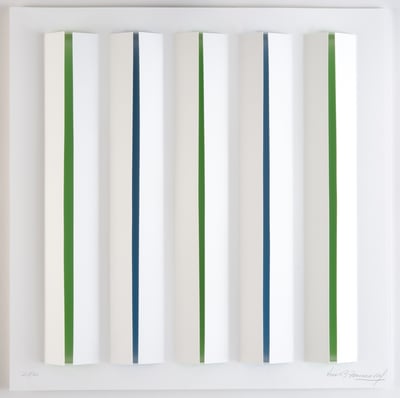
Luis Tomasello
s/t 2, 2012
Sculpture / Object
Mixed Media
EUR 2,200
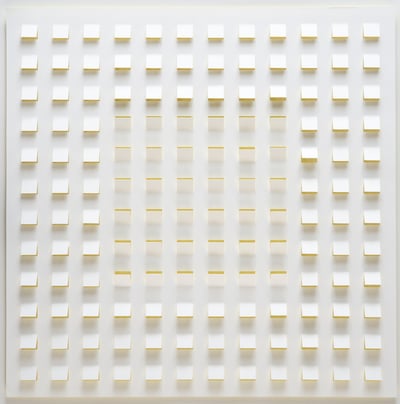
Luis Tomasello
s/t 3, 2012
Sculpture / Object
Mixed Media
EUR 2,200
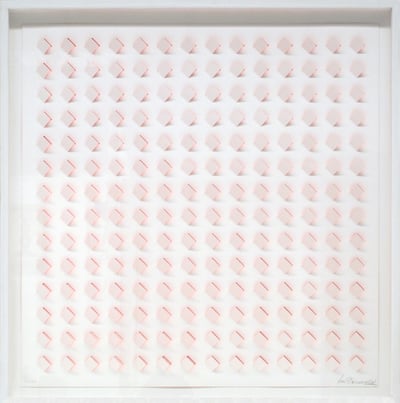
Luis Tomasello
S/T 3 - Rosa, 2013
Limited Edition Print
Lithograph
EUR 3,000
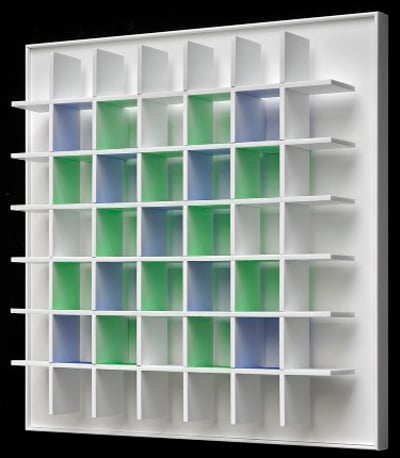
Luis Tomasello
Grille Chromoplastique c, 2012
Sculpture / Object
Acrylic sculpture
EUR 2,000
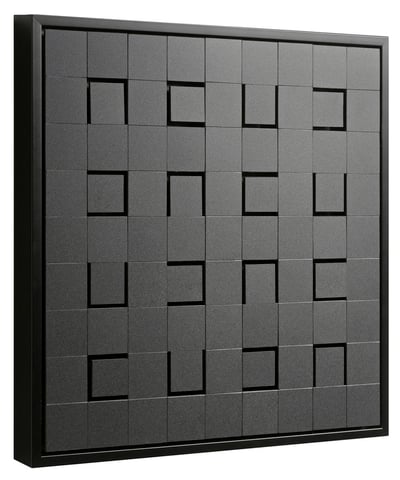
Luis Tomasello
Lumiere Noire, 2011
Sculpture / Object
Mixed Media
EUR 2,500
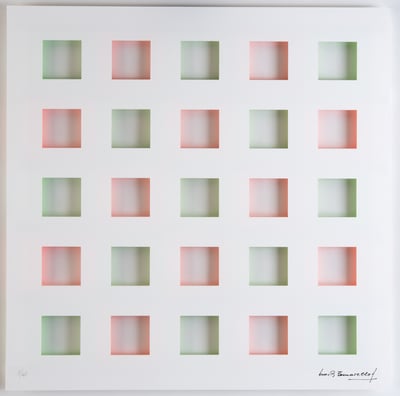
Luis Tomasello
ST 1, 2012
Sculpture / Object
Mixed Media
EUR 2,200
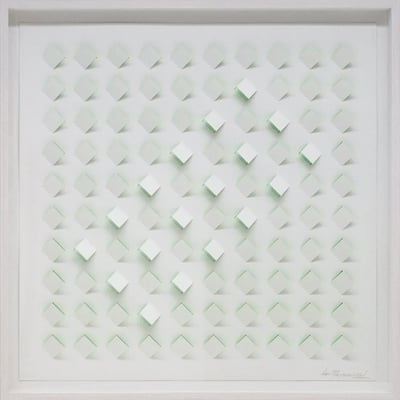
Luis Tomasello
S/T 4 - Verde , 2013
Limited Edition Print
Lithograph
EUR 3,000
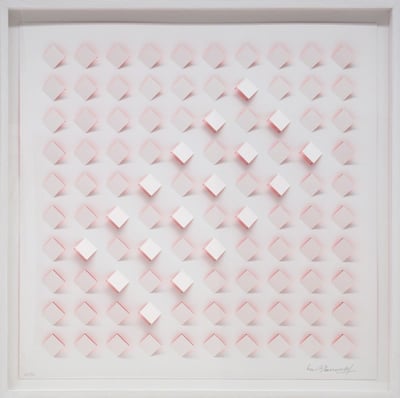
Luis Tomasello
S/T 4 - Rosa , 2013
Limited Edition Print
Lithograph
EUR 3,000
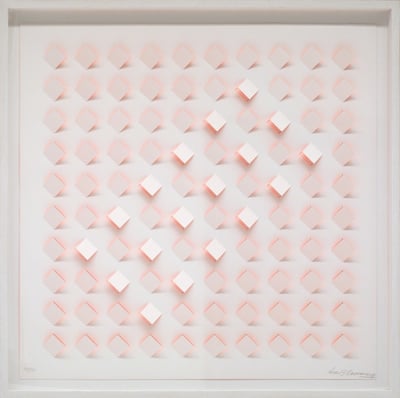
Luis Tomasello
S/T 4 - Naranja , 2013
Limited Edition Print
Lithograph
EUR 3,000
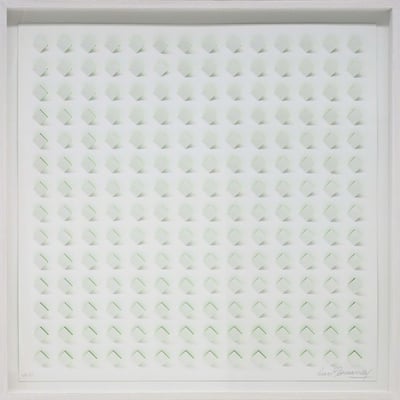
Luis Tomasello
S/T 3 - Verde, 2013
Limited Edition Print
Lithograph
EUR 3,000
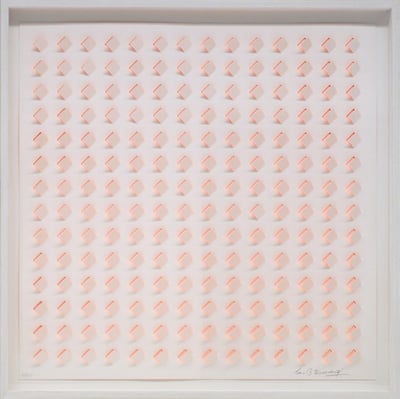
Luis Tomasello
S/T 3 - Naranja, 2013
Limited Edition Print
Lithograph
EUR 3,000
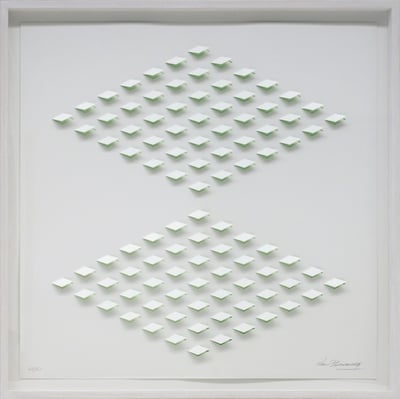
Luis Tomasello
S/T 2 - Verde, 2013
Limited Edition Print
Lithograph
EUR 3,000
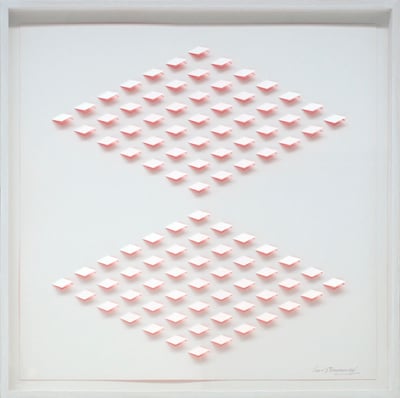
Luis Tomasello
S/T 2 - Rosa, 2013
Limited Edition Print
Lithograph
EUR 3,000
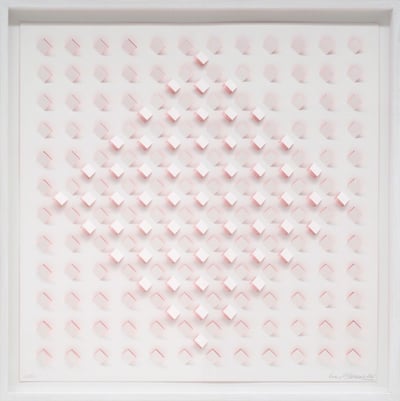
Luis Tomasello
S/T 2 - Naranja , 2013
Limited Edition Print
Lithograph
EUR 3,000
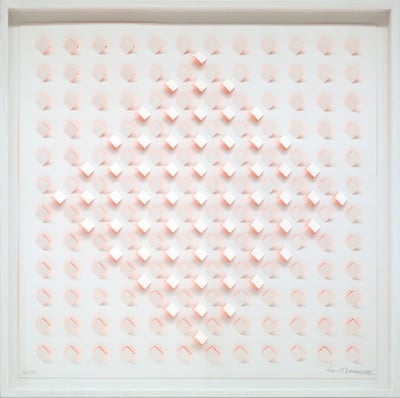
Luis Tomasello
S/T 1 - Rosa , 2013
Limited Edition Print
Lithograph
EUR 3,000
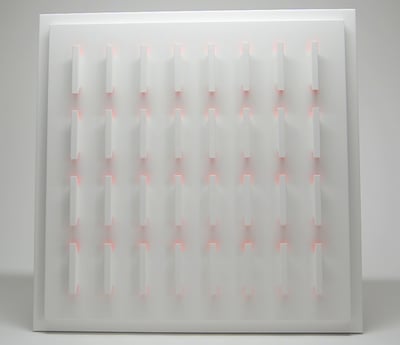
Luis Tomasello
S/T 1 - Naranja , 2013
Limited Edition Print
Lithograph
EUR 3,000
Luis Tomasello
Chromoplastique 1025, 2013
Sculpture / Object
Wood
EUR 4,000
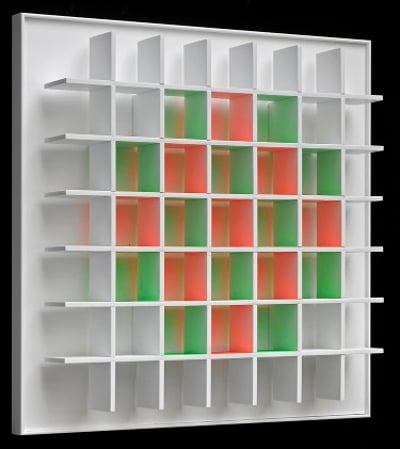
Luis Tomasello
Grille Chromoplastique B, 2012
Sculpture / Object
Mixed Media
EUR 2,000
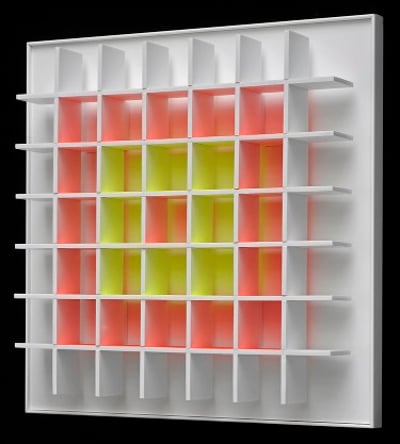
Luis Tomasello
Grille chromoplastique A, 2012
Sculpture / Object
Object
EUR 2,000
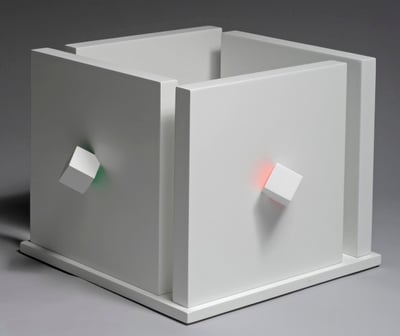
Luis Tomasello
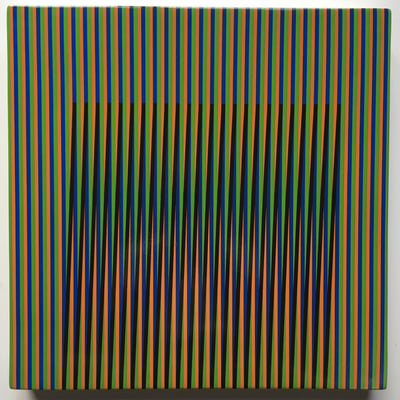
Cube atmosphére chromoplastique, 2011
Sculpture / Object
Wood
EUR 6,000
Related Artists
Related Articles
Popular, Collecting - July 23, 2025
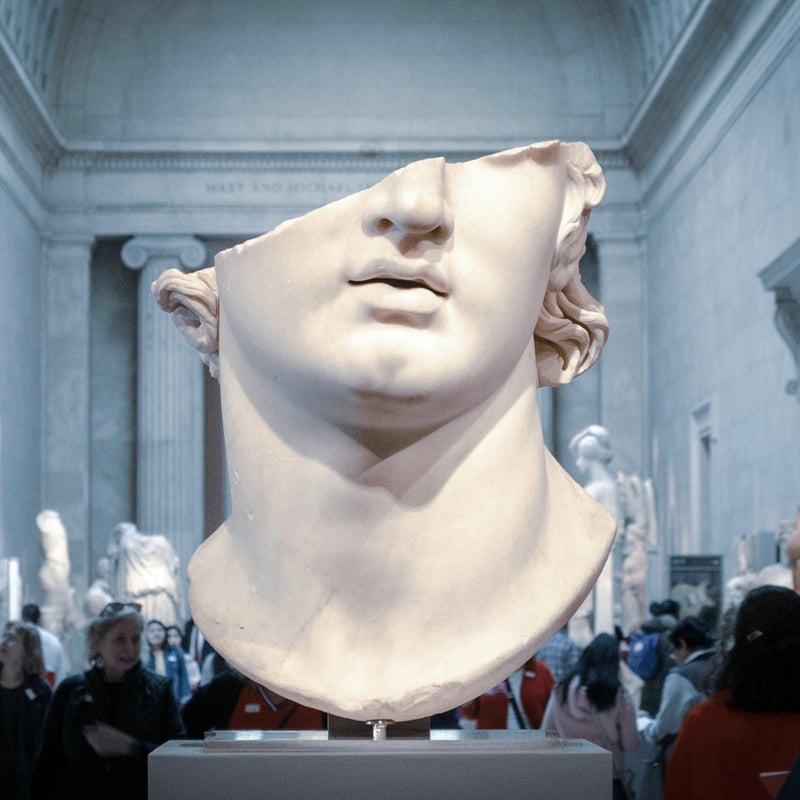
Sculpture Care and Display: From Plinths to Pedestals in Your Home
Learn how to display and care for sculpture at home—from lighting tips to material care—so your art can truly shine in any space.Read More
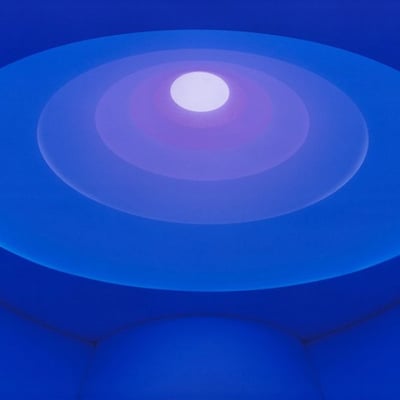
What is ‘light and space’?
The Light and Space Movement refers to loosely affiliated art movements connected to minimalism, geometric abstraction, and op art that originated in Southern California in the 1960s. Greatly influenced by artist John McLaughlin, these artists focused on sensory phenomena such as light, perception, and space as central elements of their work. They also incorporated cutting-edge technologies from the aerospace and engineering industries to develop light-filled and sensuous objects, creating immersive experiences that emphasize the viewer's perception.