
What is Hard Edge Art?
- Show All
- Established
- Discoveries
- Show All
Artworks Related to Hard Edge art
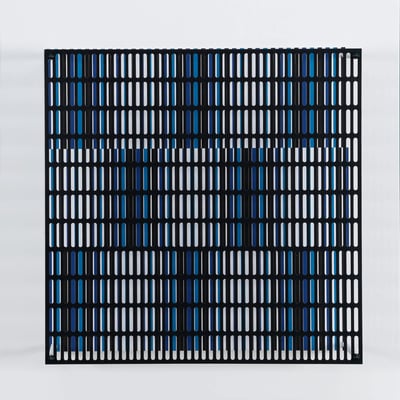
Antonio Asis
Vibration bandes noir, bleu et turquoise, 2010
Sculpture / Object
Mixed Media
EUR 3,000
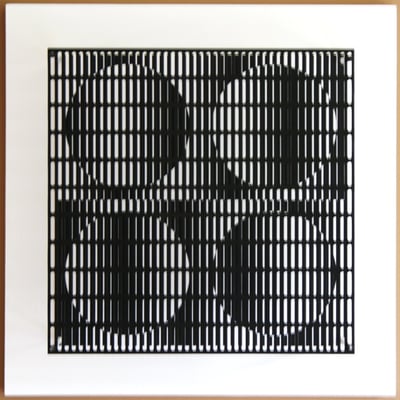
Antonio Asis
vibration 4 cercles noir et blanc, 2010
Sculpture / Object
Mixed Media
EUR 3,000
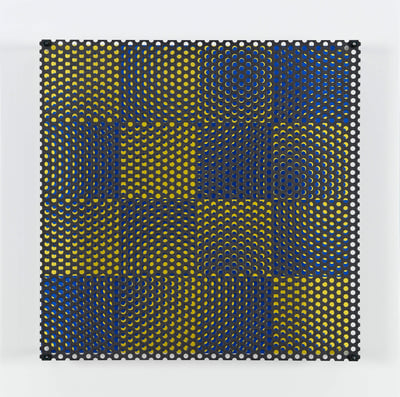
Antonio Asis
vibration 16 carres bleu et jaune, 2010
Sculpture / Object
Mixed Media
EUR 3,000
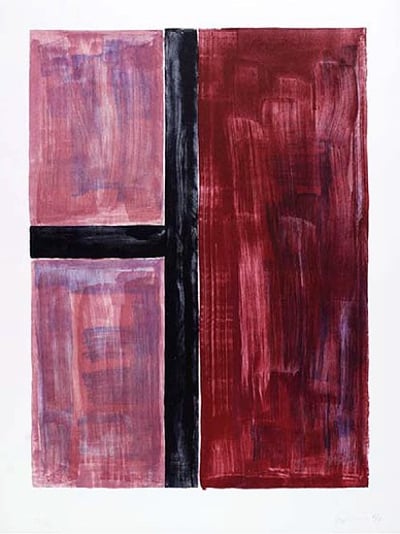
Gunther Forg
Ohne Titel (red squares), 2004
Limited Edition Print
Lithograph
EUR 1,600
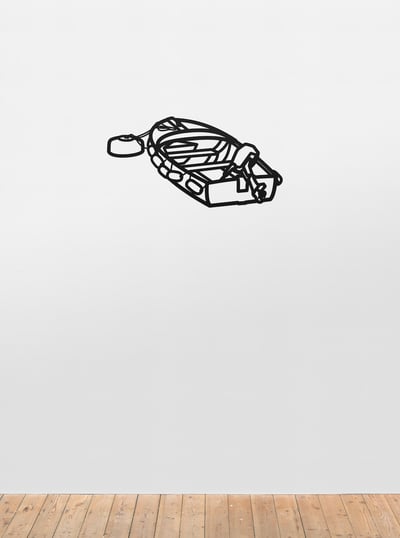
Julian Opie
Boat 4, 2015
Sculpture / Object
Mixed Media
Currently Not Available
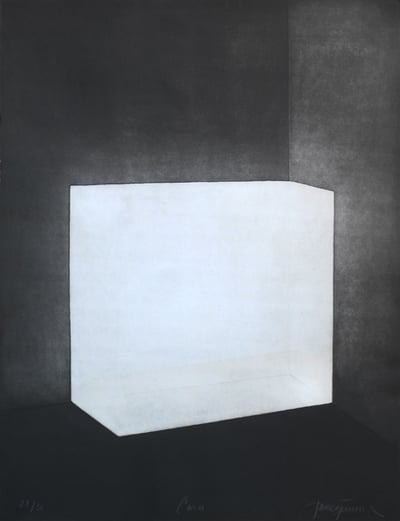
James Turrell
Carn, 1988
Limited Edition Print
Etching
Currently Not Available
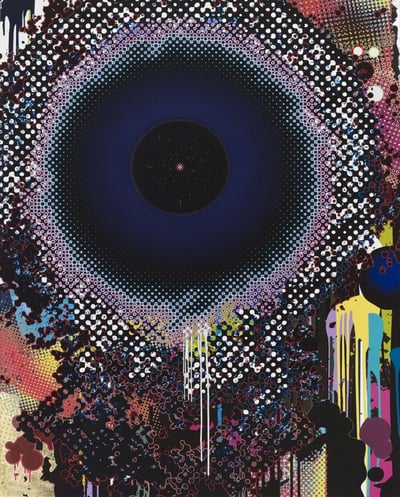
Takashi Murakami
Warp, 2009
Limited Edition Print
Offset Print
EUR 1,500
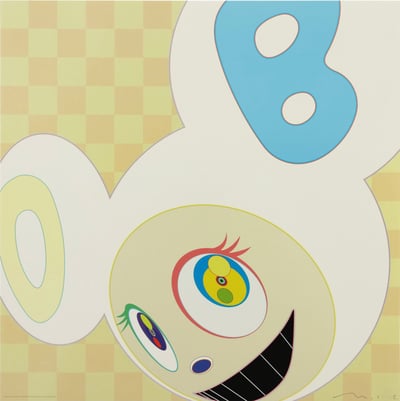
Takashi Murakami
White Reverse Dob, 2006
Limited Edition Print
Offset Print
EUR 2,000
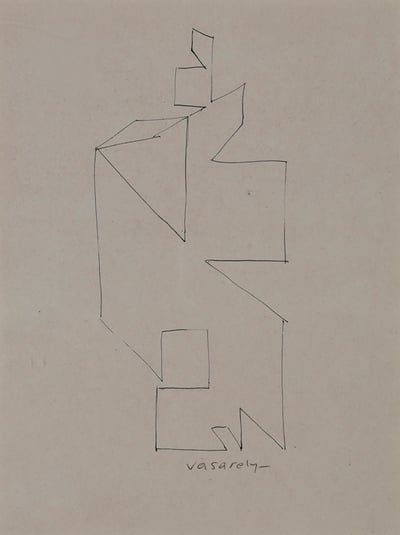
Victor Vasarely
Drawing I
Drawing / Watercolor
Mixed Media
EUR 4,500
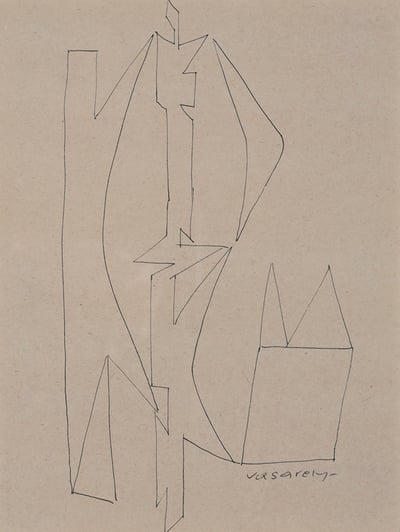
Victor Vasarely
Drawing II
Drawing / Watercolor
Mixed Media
EUR 4,500
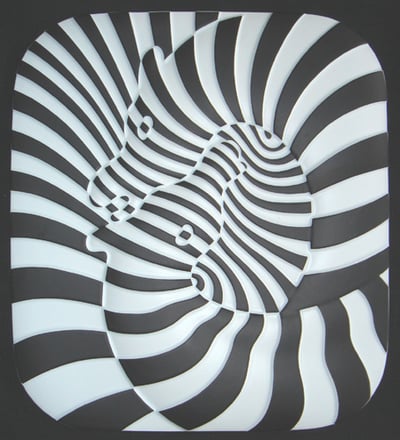
Victor Vasarely
Zebra Ceramique, 1977
Sculpture / Object
Ceramic
EUR 1,600
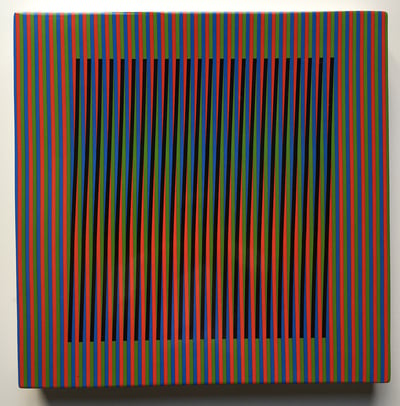
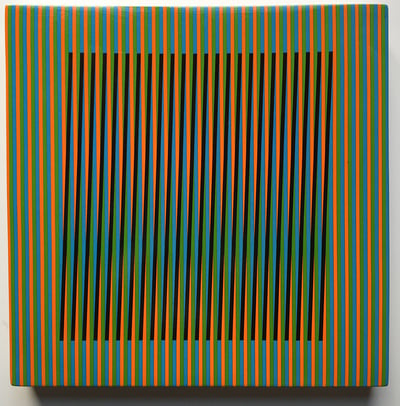
Carlos Cruz-Diez
Céramique # 2, 2008
Ceramics
Ceramic
EUR 12,000
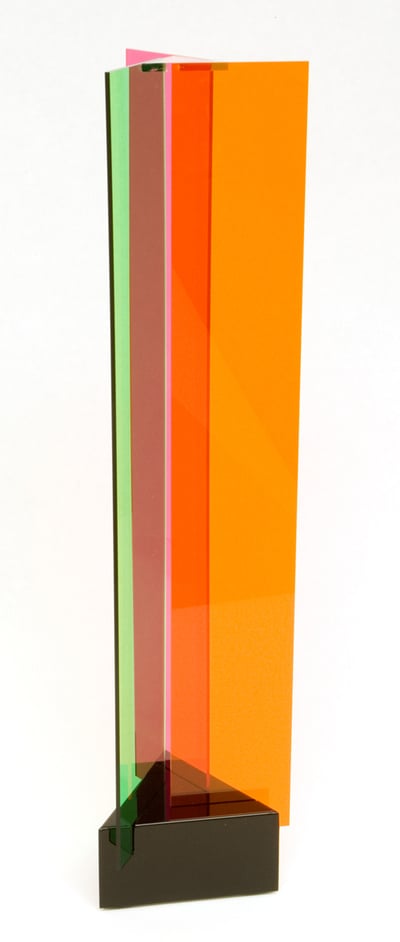
Carlos Cruz-Diez
Céramique # 3, 2008
Ceramics
Ceramic
EUR 12,000
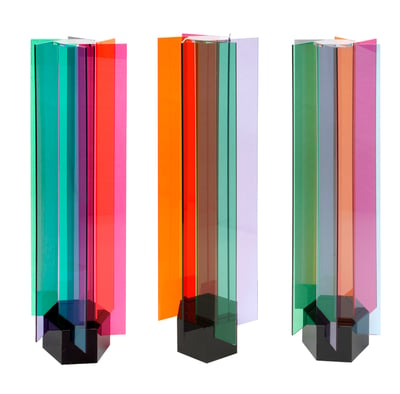
Carlos Cruz-Diez
Transchromie à 3 plaques, 2011
Sculpture / Object
Object
EUR 7,500
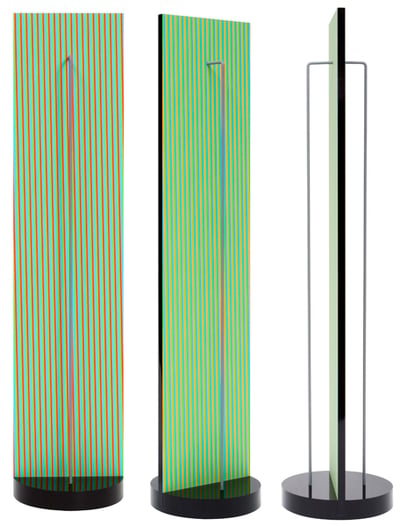
Carlos Cruz-Diez
Transchromies a 6 elements, 2010
Sculpture / Object
Object
EUR 12,000
Carlos Cruz-Diez
Couleur a l espace Ariel, 2011
Sculpture / Object
Object
EUR 9,000
Related Articles
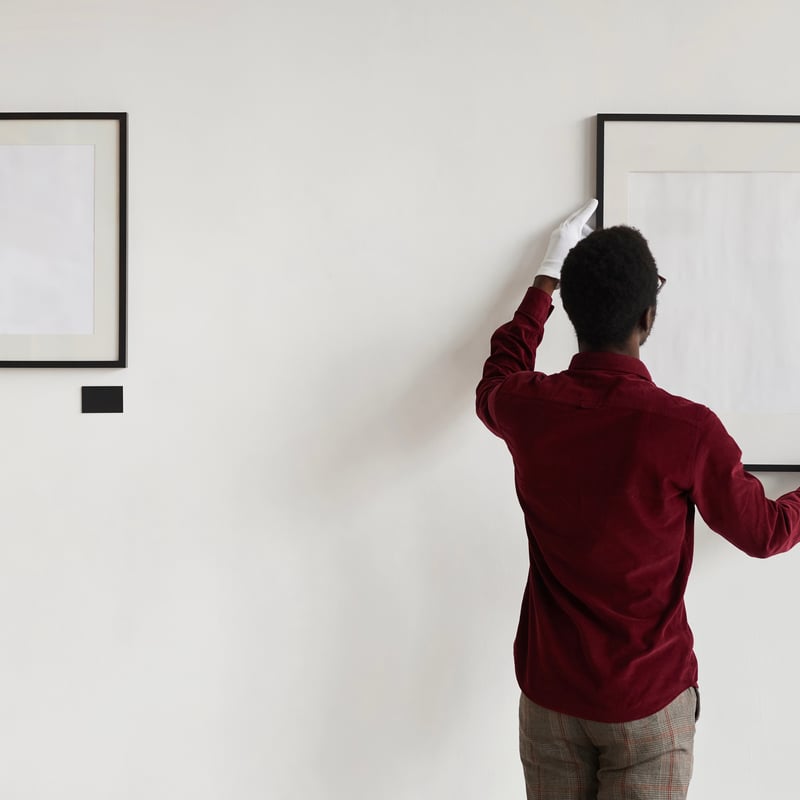

Textile refers to a flexible material made by weaving, felting, crocheting, knitting, or knotting long strands of natural or synthetic yarn or thread. Textile artists often create their own materials or use selected textiles in fabric art compositions, incorporating a wide range of textures and patterns.
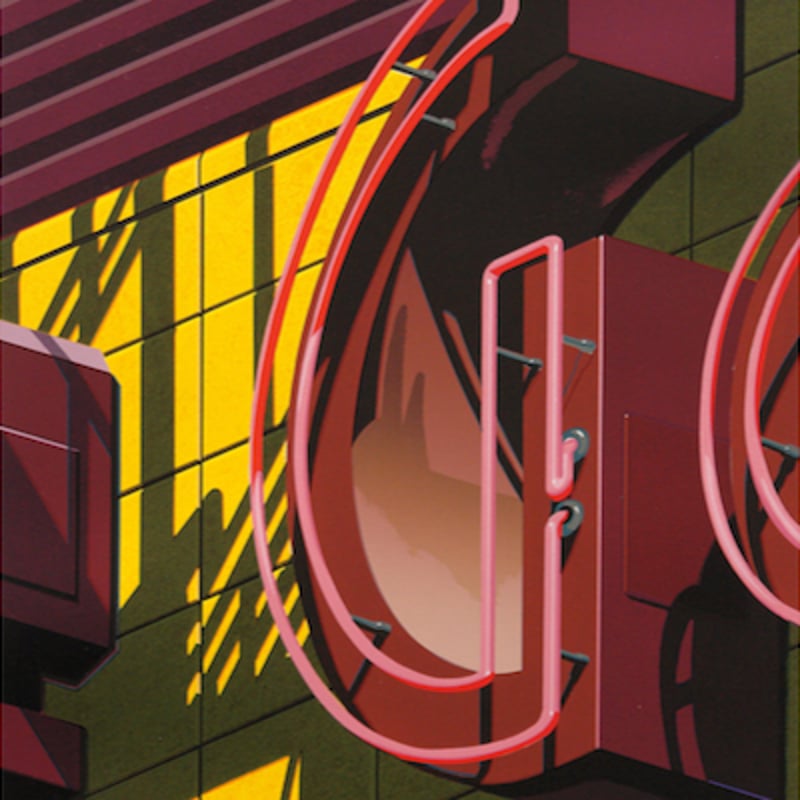
Hyperrealism is a genre of sculpture and painting that closely resembles high-resolution photographs. It is an evolution of Photorealism and is often applied to an independent art style or movement that became prominent in Europe and the United States in the early 2000s. Hyperrealist artists focus on extreme detail and precision, creating works that are often indistinguishable from real-life images.

CoBrA stands for Copenhagen, Brussels, and Amsterdam; the group was formed with a desire to break away from the existing art movements of the time. Their critique of Western society led them to experiment and evolve into a significant international movement. CoBrA was founded on November 8, 1948, at the Notre Dame Café in Paris, where its manifesto was signed by Karel Appel, Joseph Noiret, Corneille, Christian Dotremont, Constant, and Asger Jorn. The group was united by a shared commitment to freedom in both form and color, and their work emphasized experimentation and spontaneity.
Can't find your Answer?
Thank you! Your question has been sent — we'll get back to you shortly.
