
What is Hard Edge Art?
- Show All
- Established
- Discoveries
- Show All
Artworks Related to Hard Edge art

Julian Opie
Medieval Village 1, 2019
Limited Edition Print
Mixed Media
USD 4,400
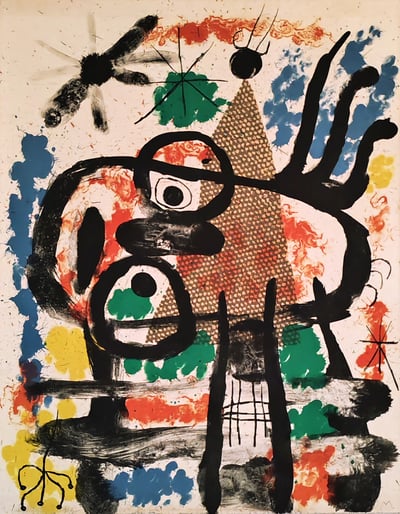
Joan Miró
Album 19, Planche 5, 1961
Limited Edition Print
Lithograph
Artwork On Hold

Julian Opie
Cargo shorts: Boston Statuette, 2020
Sculpture / Object
Bronze
USD 14,400
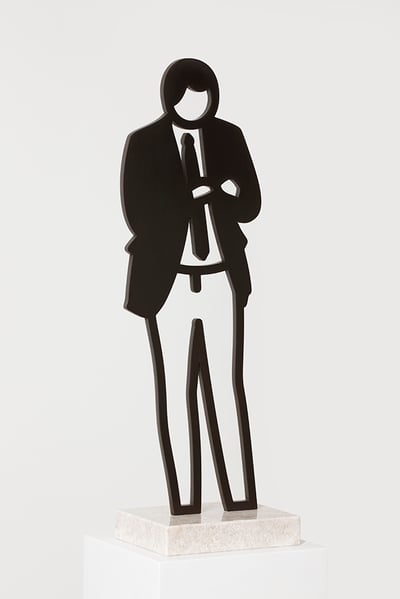
Julian Opie
Blazer: Boston Statuette, 2020
Sculpture / Object
Bronze
USD 14,400

Julian Opie
Cornish Coast 2: Polridmouth Coast, 2017
Limited Edition Print
Mixed Media
USD 7,800

Julian Opie
Cornish Coast 1: Lantivet Coast, 2017
Limited Edition Print
Mixed Media
USD 7,800

Julian Opie
Cornish Coast 2: Lantivet Coast, 2017
Limited Edition Print
Mixed Media
USD 7,800

KAWS
What Party - Blue, 2020
Limited Edition Print
Screen-print
USD 25,000 - 30,000

KAWS
Presenting the Past, 2014
Limited Edition Print
Silkscreen
USD 31,000 - 35,000
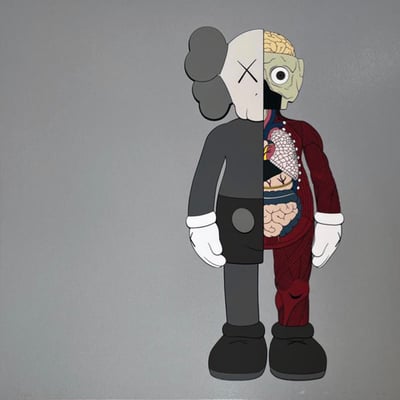
KAWS
Dissected Companion (Brown), 2006
Limited Edition Print
Screen-print
USD 30,000 - 40,000

Robert Indiana
First Love, 1991
Limited Edition Print
Aquatint
USD 3,575

Julian Opie
Magpie, 2020
Sculpture / Object
Acrylic sculpture
Currently Not Available
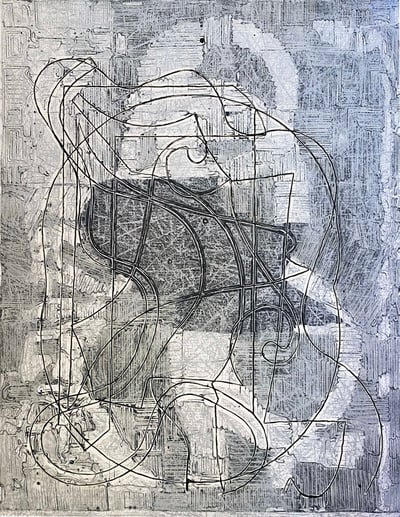
Frank Stella
Imola Three, I (from the Circuits Series), 1982
Limited Edition Print
Mixed Media
USD 43,000 - 50,000

Ellsworth Kelly
Mallarmé Suite: Blue, 1992
Limited Edition Print
Lithograph
USD 11,500

Ellsworth Kelly
Green Curve with Radius of 20', 1974
Limited Edition Print
Lithograph
USD 17,800
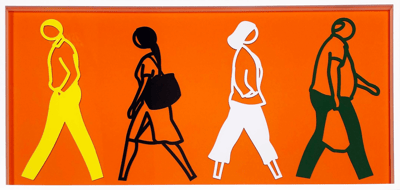
Julian Opie
Street 1, 2020
Limited Edition Print
Relief printing
USD 21,000
Related Articles
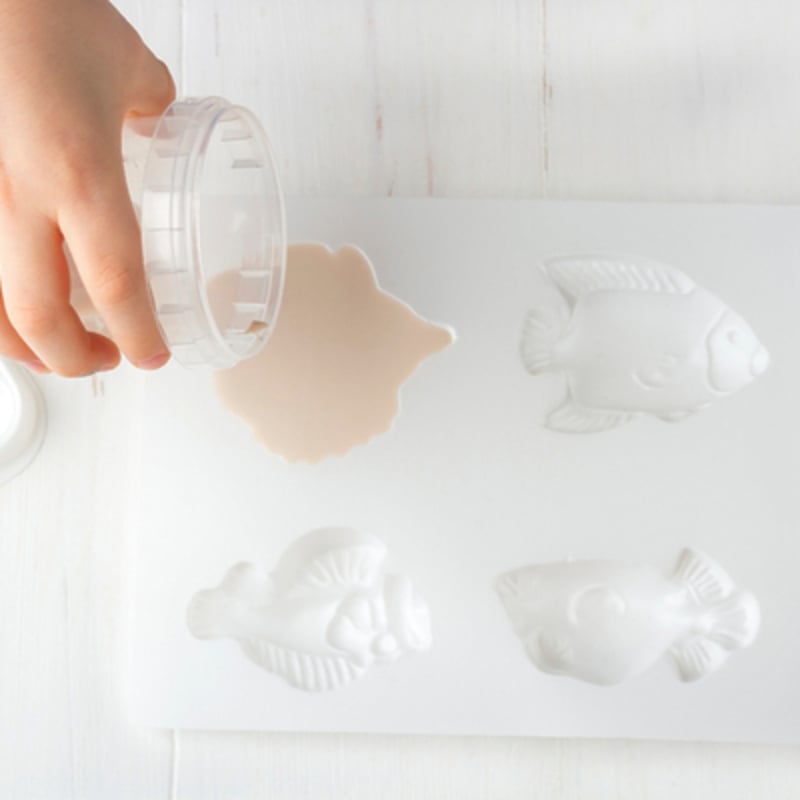
A cast is a form created by pouring a liquid material, such as plastic, plaster, acrylic, concrete, or mixed media, into a mold. Once the liquid cools and fully solidifies, the cast is removed from the mold, revealing the final shape. This process is widely used in sculpture, manufacturing, and various forms of art to replicate intricate designs and shapes.
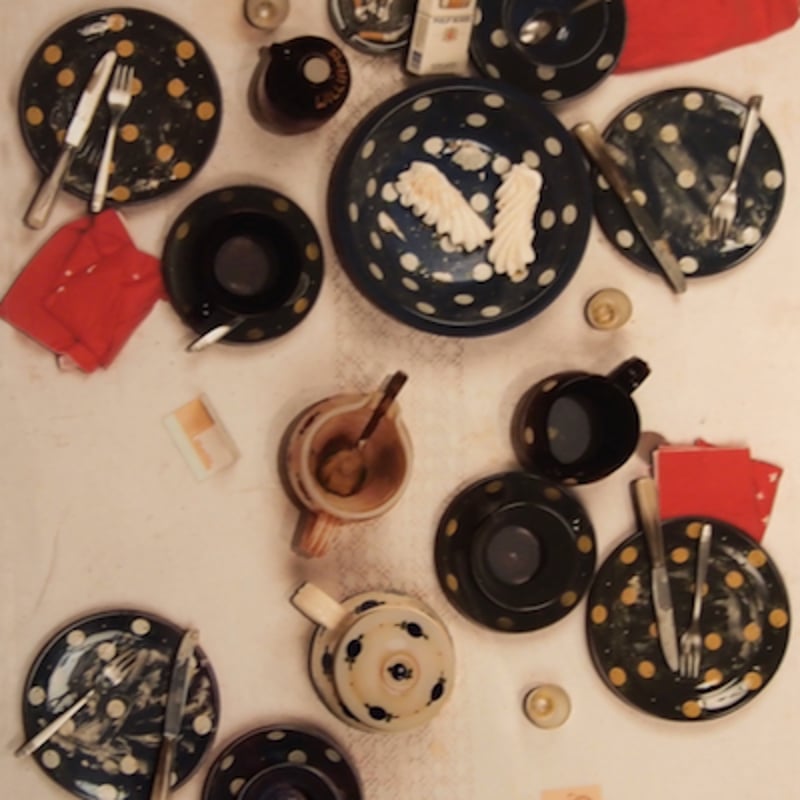
Nouveau Réalisme is an artistic movement founded in 1960 by art critic Pierre Restany and painter Yves Klein during a collective exhibition at a gallery in Milan. Restany wrote the original manifesto in April 1960, proclaiming the movement. In October of that year, nine artists, including Martial Raysse, Yves Klein, Daniel Spoerri, Jean Tinguely, Arman, Pierre Restany, and three Ultra-Lettrists—Jacques de la Villeglé, François Dufrêne, and Raymond Hains—signed the declaration. In 1961, the movement expanded to include Mimmo Rotella, Niki de Saint Phalle, Gérard Deschamps, and César. The movement emphasized a return to reality in art, often incorporating everyday objects and exploring the boundaries between art and life.

The Düsseldorf School of Photography refers to a group of photographers who studied under Bernd and Hilla Becher at the Kunstakademie Düsseldorf during the 1970s. This group was known for its devotion to the black-and-white industrial images characteristic of the German tradition known as New Objectivity. The photographers focused on precise, methodical documentation of industrial structures, often using a detached and objective approach.
Can't find your Answer?
Thank you! Your question has been sent — we'll get back to you shortly.
