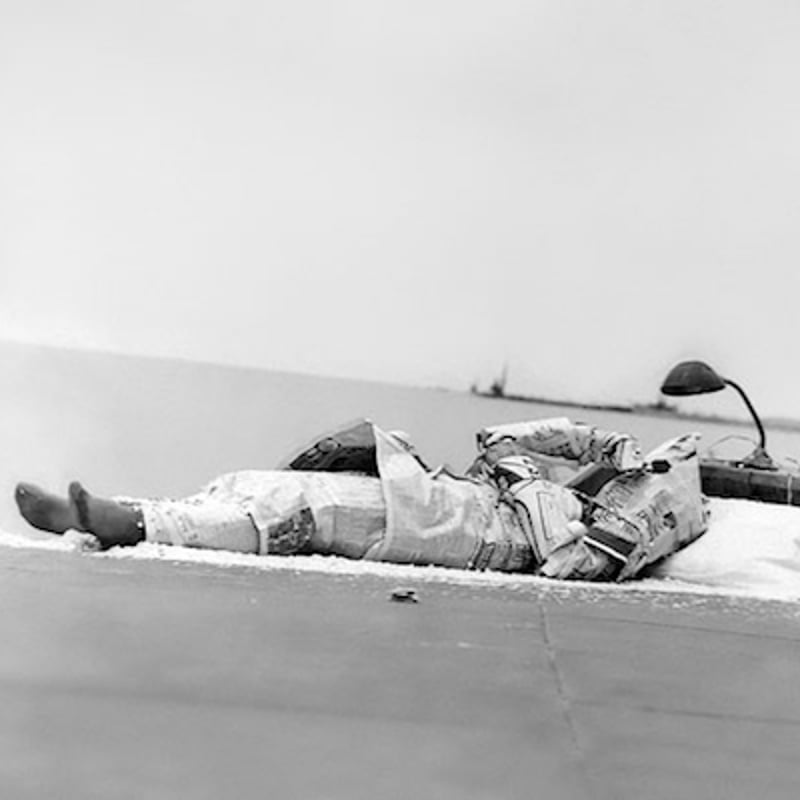
What is Happening?
- Show All
- Established
- Discoveries
- Show All
Artworks Related to Happening
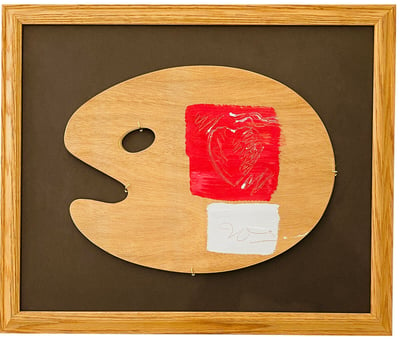
Jim Dine
Untitled - Artist Palette with Heart in Red, 1986
Sculpture / Object
Mixed Media
Inquire For Price

Robert Rauschenberg
Happiness, 1994
Limited Edition Print
Lithograph
USD 3,700
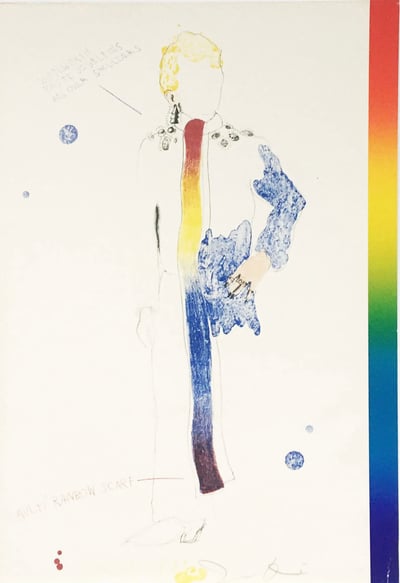
Jim Dine
Dorian Gray in Multi Rainbow Scarf, 1968
Limited Edition Print
Lithograph
USD 1,250
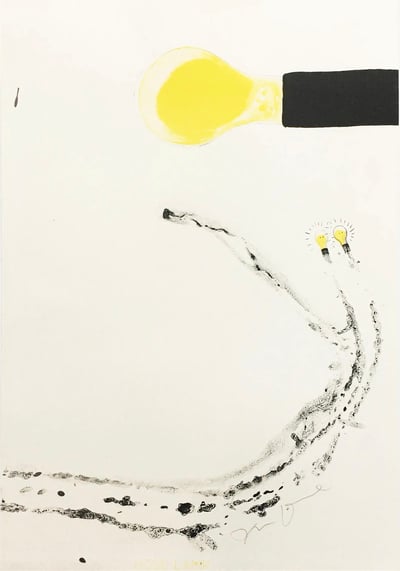
Jim Dine
Hose Lamp, 1968
Limited Edition Print
Lithograph
Inquire For Price
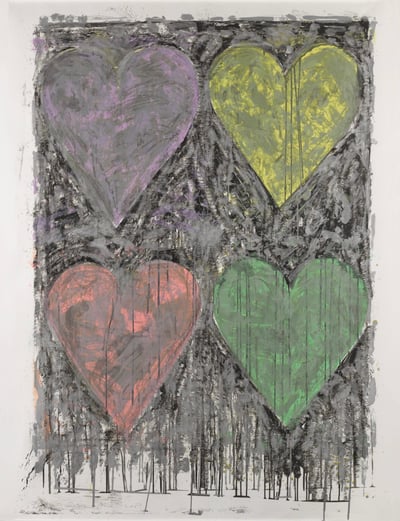
Jim Dine
Four Hearts in Silver, 2007
Limited Edition Print
Mixed Media
USD 11,000
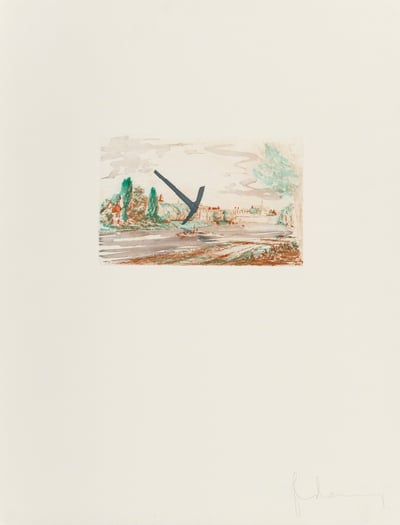
Claes Oldenburg
Pick-Axe Superimposed on a Drawing of Site by EL Grimm, 1982
Limited Edition Print
Etching
Currently Not Available

Robert Rauschenberg
Untitled (Native American with Truck), 2000
Limited Edition Print
Pigment print
EUR 2,850
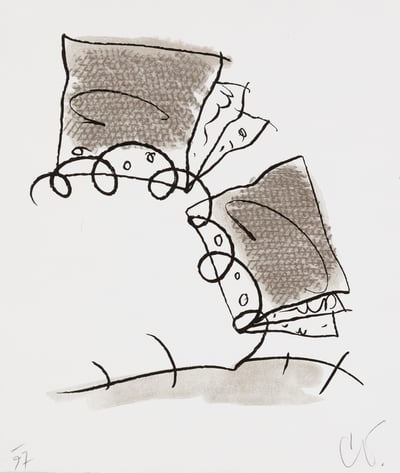
Claes Oldenburg
Notebook Torn in Half , 1997
Limited Edition Print
Lithograph
USD 1,100

Claes Oldenburg
Sketch for a Sculpture in the Form of a Dress Collar and Tie, with Stud, 1994
Limited Edition Print
Lithograph
Inquire For Price

Claes Oldenburg
Broken Button (Split Button), 1981
Sculpture / Object
Mixed Media
Currently Not Available

Claes Oldenburg
The Soap at Baton Rouge, 1990
Sculpture / Object
Mixed Media
Inquire For Price

Red Grooms
Gertrude Stein, 1975
Sculpture / Object
Mixed Media
Currently Not Available
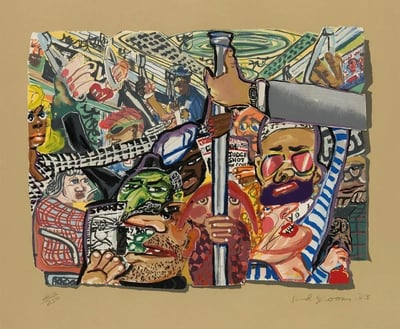
Red Grooms
Saskia Down the Metro, 1983
Limited Edition Print
Collage
USD 3,570
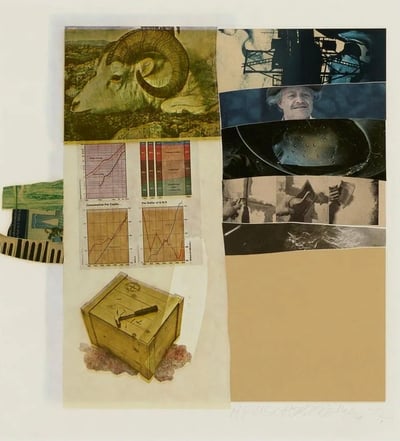
Robert Rauschenberg
Horsefeathers Thirteen I, 1972
Limited Edition Print
Mixed Media
Currently Not Available
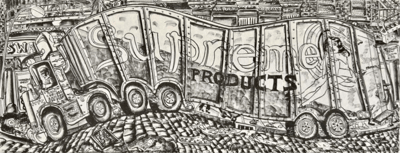
Red Grooms
Truck I, 1979
Limited Edition Print
Lithograph
USD 2,100
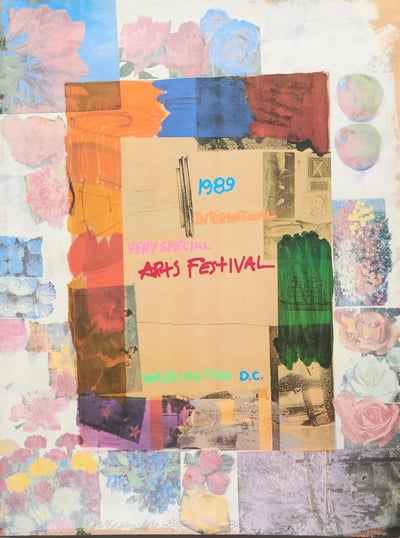
Robert Rauschenberg
International Very Special Arts Festival, 1989
Limited Edition Print
Lithograph
Inquire For Price
Related Articles

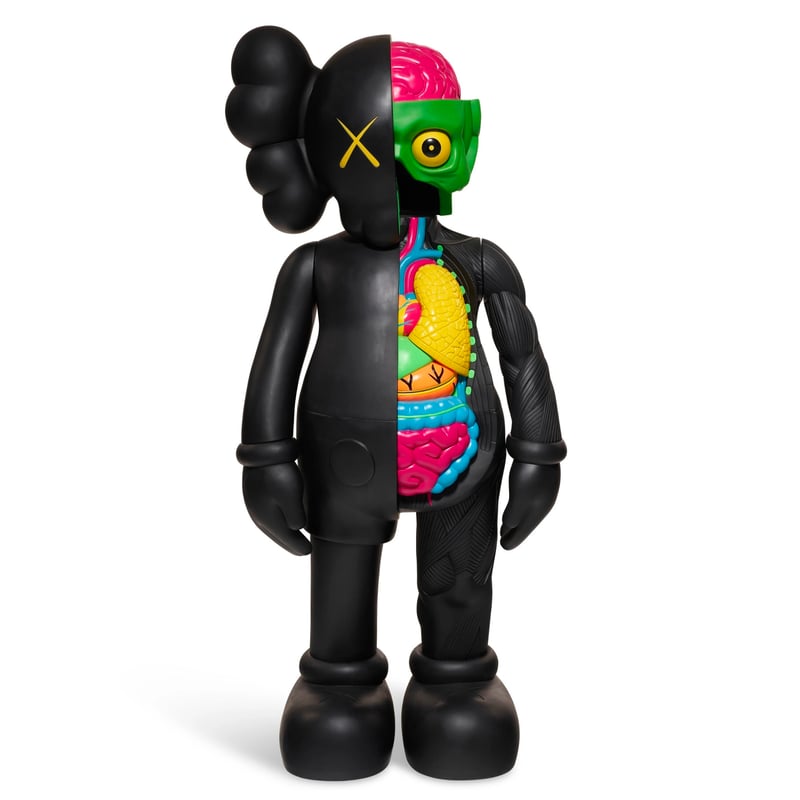

Drypoint is an intaglio printmaking technique where an image is incised onto a plate using a sharp, pointed tool, typically a needle made of metal or diamond. Traditionally, copper plates were used, but today zinc, plexiglass, or acetate are also common. Drypoint is easier for drawing artists to master compared to engraving, as the needle technique resembles drawing with a pencil rather than the more complex burin used in engraving.
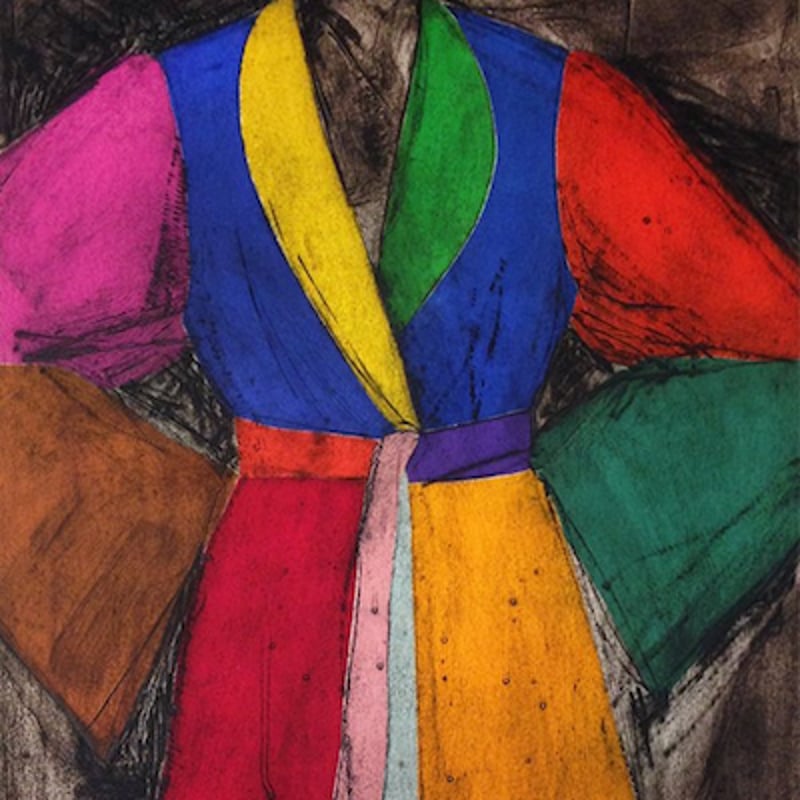
Neo-Dada is a minor visual and audio art movement with intents similar to those of Dada artwork. While it revives some of Dada's objectives, Neo-Dada emphasizes the importance of the produced artwork rather than the concept behind it. The movement is considered the foundation of Pop Art, Nouveau Réalisme, and Fluxus. Neo-Dada is known for its use of absurdist contrasts, popular imagery, and modern materials, blending high and low culture in a way that challenges traditional artistic conventions.

Etching and aquatint are printmaking techniques. In aquatint, the printing plate is etched with a pattern of tiny pits and cracks to create a wide range of tonal gradations. This technique allows artists to replicate the broad, flat tones found in watercolor paintings and ink washes.
Can't find your Answer?
Thank you! Your question has been sent — we'll get back to you shortly.
