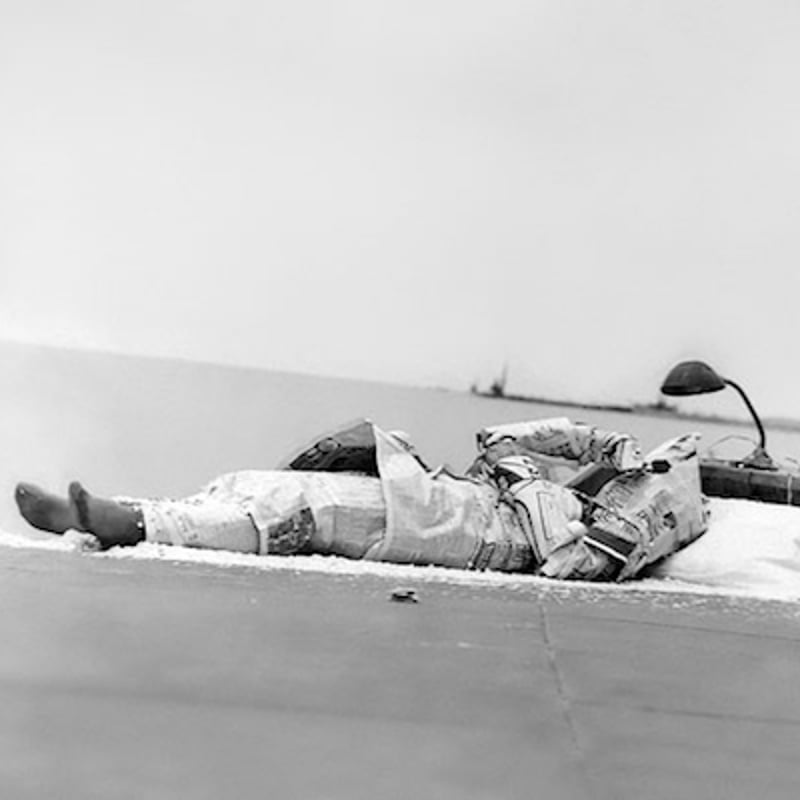
What is Happening?
A Happening is a term used to describe artistic and theatrical events held by artists in the 1950s and 60s. These events were typically staged in gallery installations or planned environments and often involved audience participation, along with elements like lighting, sounds, and slide projections. Happenings were a precursor to performance art, which later included the active participation of the artists themselves.
Show All
- Show All
- Established
- Discoveries
Show All
- Show All
Artworks Related to Happening
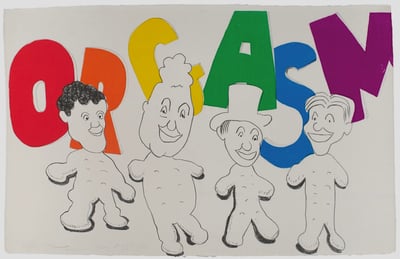
Jim Dine
Orgasm, 1970
Limited Edition Print
Lithograph
EUR 1,900
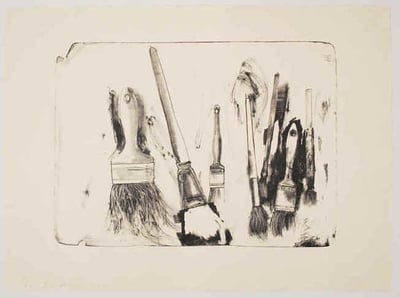
Jim Dine
Brushes Drawn on Stone #2, 2010
Limited Edition Print
Lithograph
USD 4,000
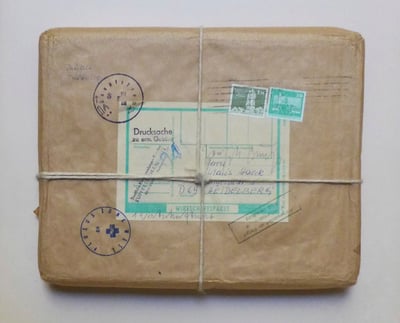
Joseph Beuys
Wirtschaftspaket, 1984
Sculpture / Object
Mixed Media
EUR 16,600
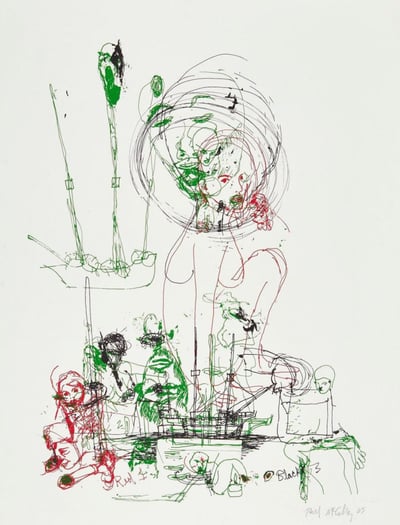
Paul Mccarthy
Red, Green, Black, 2005
Limited Edition Print
Silkscreen
USD 4,500

Paul Mccarthy
Pudding, 1999
Sculpture / Object
Mixed Media
EUR 1,500
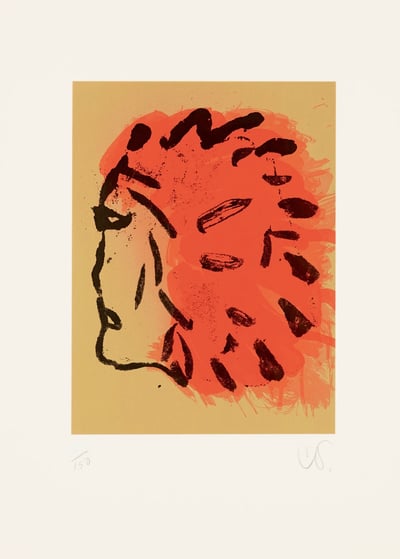
Claes Oldenburg
Injun Foster, 1973
Limited Edition Print
Silkscreen
EUR 2,800
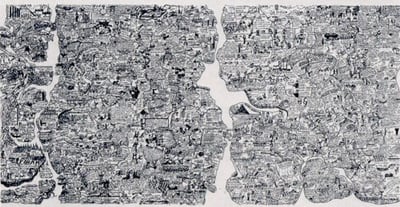
Oyvind Fahlstrom
World map, 1973
Limited Edition Print
Silkscreen
Currently Not Available
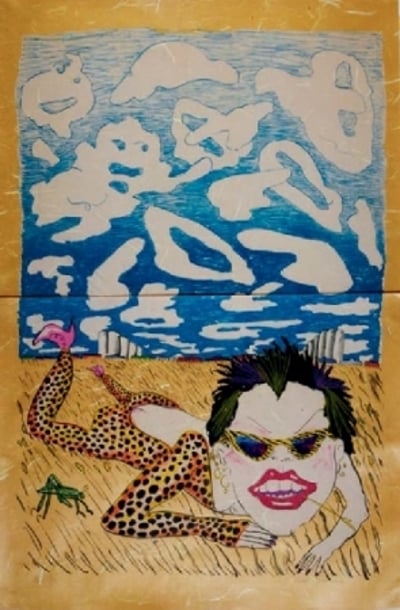
Red Grooms
Lorna Doone, 1979
Limited Edition Print
Lithograph
USD 1,200
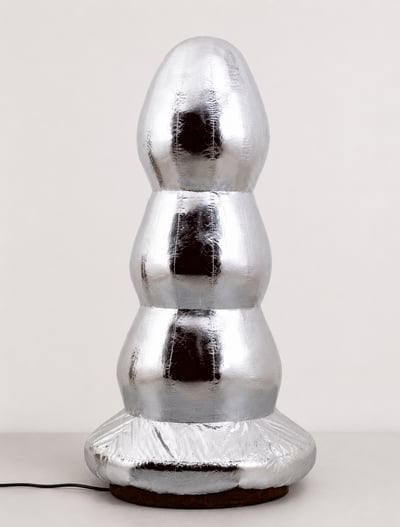
Paul Mccarthy
Brancusi Tree (silver), 2007
Sculpture / Object
Mixed Media
Currently Not Available
Related Articles
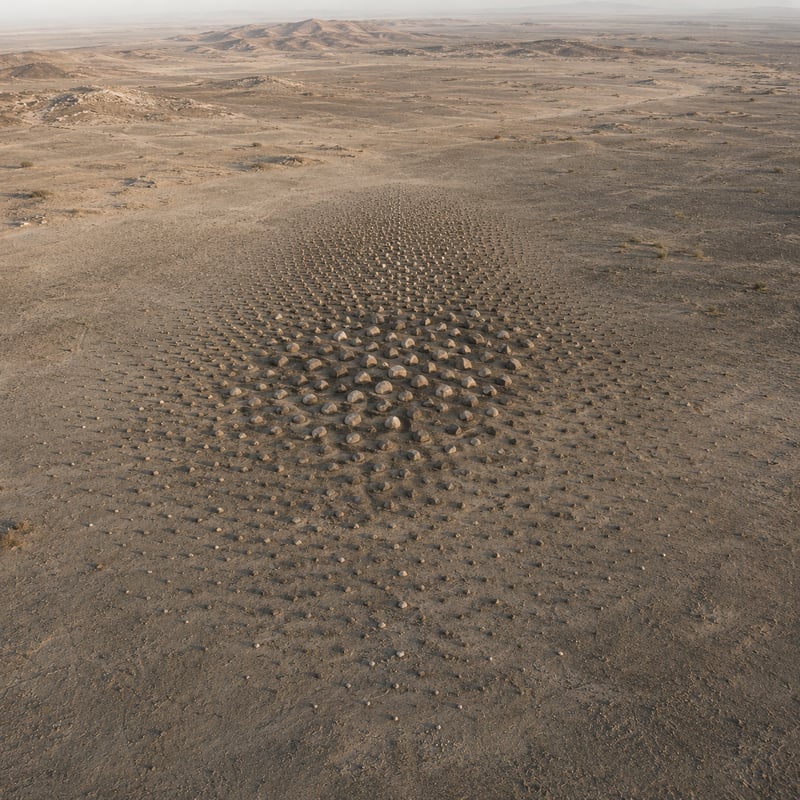
Earth art, also known as Land Art, emerged in the 1960s and 70s as part of the conceptual art movement. It involves creating artworks by sculpting the land or constructing structures in the landscape using natural materials like earth, rocks, or twigs. These works are often large-scale and emphasize the relationship between art and nature.

Lettrism is an art form that uses letters, words, and symbols to create artwork. The movement was established in Paris in the 1940s and later gained popularity in the 1950s in America. Lettrisme is the French spelling of the movement's name, derived from the French word for letter.

Site-Specific Art is a form of artwork created to exist in a particular location, with the artist considering the site as an integral part of the creative process. Robert Irwin was a key figure in promoting this art form in California. Site-Specific Art emerged as a reaction against modernist objects, which were often portable, commodified, and confined to museum spaces. In contrast, Site-Specific Art is inherently tied to its location, challenging the traditional notions of art as a transportable and marketable commodity.
Can't find your Answer?
Thank you! Your question has been sent — we'll get back to you shortly.
