What is constructivism?
- Show All
- Established
- Discoveries
- Show All
Artworks Related to Constructivism
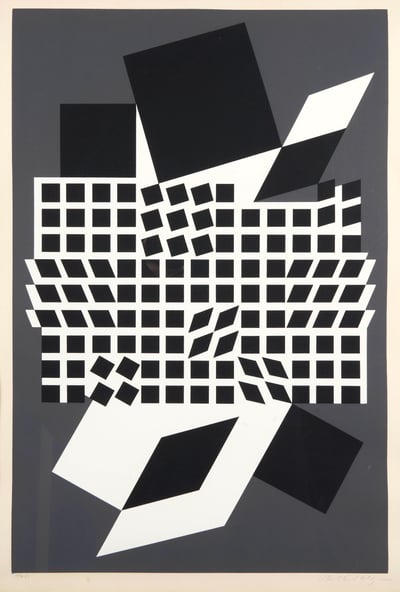
Victor Vasarely
OETA, 1959
Limited Edition Print
Screen-print
USD 1,000
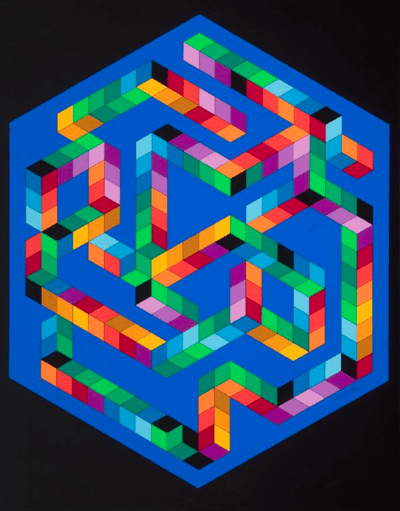
Victor Vasarely
Babel 3, 1978
Limited Edition Print
Screen-print
USD 950

Victor Vasarely
Silver Composition, 1980
Limited Edition Print
Screen-print
Currently Not Available

Victor Vasarely
Viva, 1974
Limited Edition Print
Screen-print
USD 1,100

Victor Vasarely
Kraft und Natur I, 1972
Limited Edition Print
Screen-print
Currently Not Available

Victor Vasarely
Composition
Limited Edition Print
Lithograph
EUR 1,350

Henry Moore
Album internacional, 1973
Limited Edition Print
Lithograph
EUR 1,150

Victor Vasarely
Album Meta: Seven Plates 7, 1976
Limited Edition Print
Screen-print
USD 3,700

Victor Vasarely
Album Meta: Seven Plates 5, 1976
Limited Edition Print
Screen-print
USD 3,700

Victor Vasarely
Album Meta: Seven Plates 2, 1976
Limited Edition Print
Screen-print
USD 3,700

Victor Vasarely
Album Meta: Seven Plates 4, 1976
Limited Edition Print
Screen-print
USD 3,700
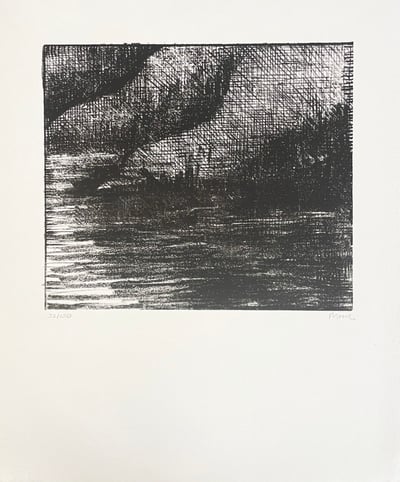
Henry Moore
Fjord, 1974
Limited Edition Print
Lithograph
Inquire For Price

Henry Moore
Elephant skull (Plate A), 1969
Limited Edition Print
Etching and Aquatint
EUR 1,550
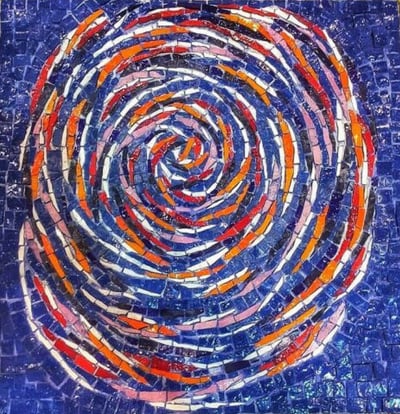
Piero Dorazio
Vortice, 1989
Sculpture / Object
Mosaic
EUR 2,000

Henry Moore
Two Heads, 1973
Limited Edition Print
Lithograph
Currently Not Available

Henry Moore
Head, 1975
Limited Edition Print
Lithograph
USD 1,100
Related Articles

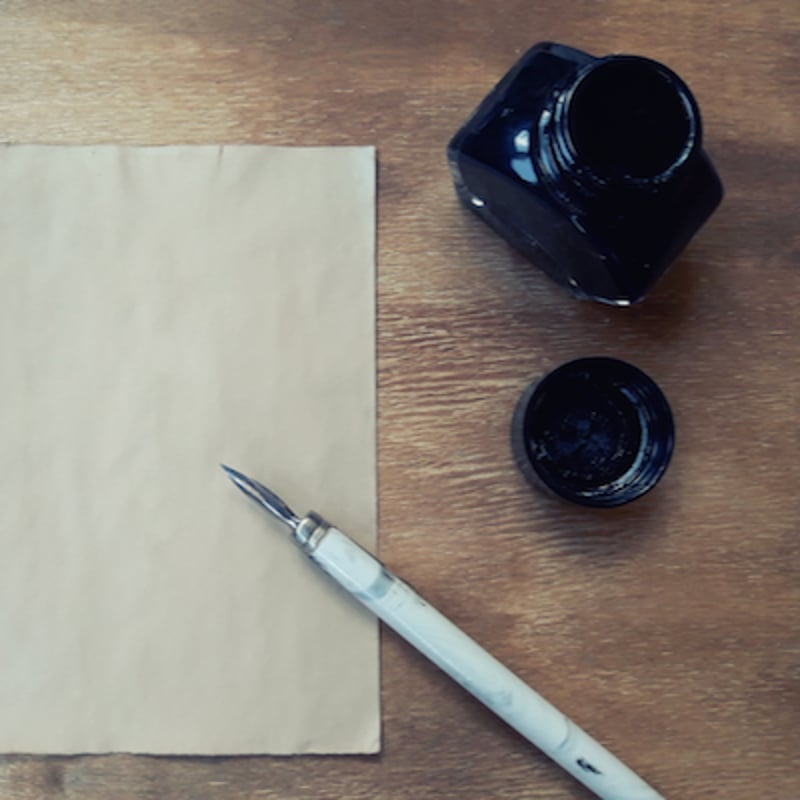
Pen and ink is a traditional drawing technique that involves using a dip pen with India ink on paper. The fine tip of the dip pen is ideal for creating varied lines and detailed shading. Some artists prefer using a fountain pen with an ink reservoir for greater convenience.
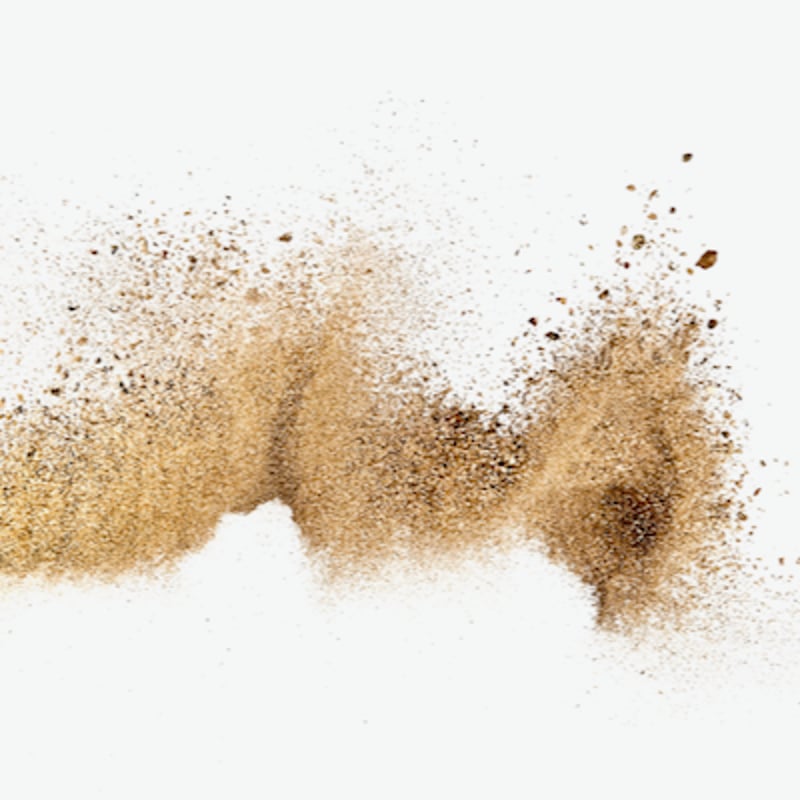
Sand consists of loose grains of material primarily made up of minerals like quartz, mica, and feldspar, as well as small fragments of rocks. Sand paintings are created by pouring colored sand into intricate designs, often for cultural rituals or special celebrations. These designs can take many days to complete and are traditionally brushed away after the ceremony, emphasizing the impermanence of the artwork.
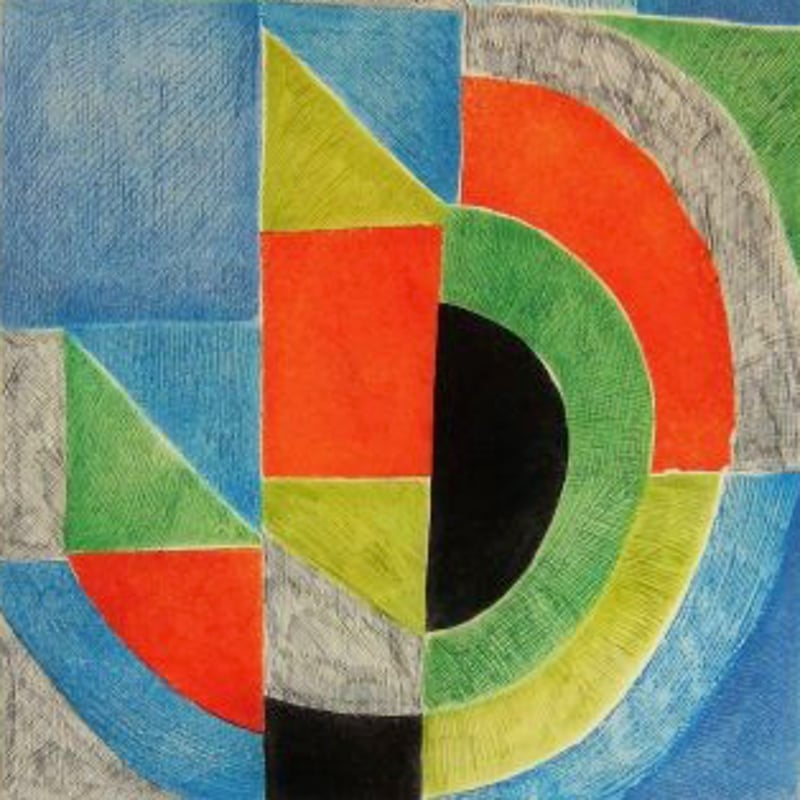
Réalités Nouvelles means new realities and refers to an exhibiting society founded in 1939 in Paris by Sonia Delaunay. The Salon des Réalités Nouvelles was dedicated to promoting abstract art, which it considered to be a new reality because it does not imitate the existing physical world. The movement emphasized that abstract art creates its own reality, independent of the external world, and played a significant role in the development and recognition of abstract art in the mid-20th century.
Can't find your Answer?
Thank you! Your question has been sent — we'll get back to you shortly.
