
What is Comic Strip Art?
- Show All
- Established
- Discoveries
- Show All
Artworks Related to Comic Strip art
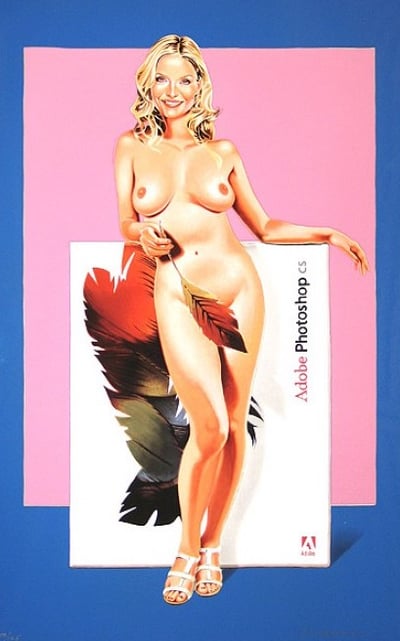
Mel Ramos
Photoshop CS.
Limited Edition Print
Mixed Media
EUR 3,600
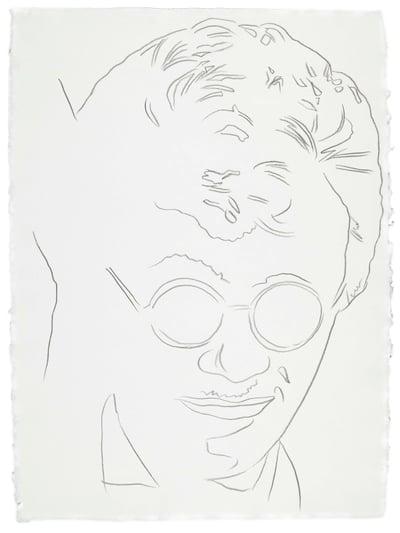
Andy Warhol
Rats and Star Band Member #2 , 1983
Drawing / Watercolor
Pencil
EUR 32,000
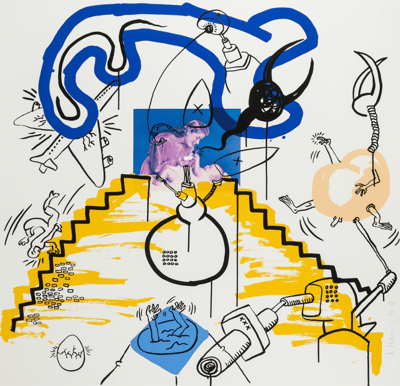
Keith Haring
Apocalypse 3, 1988
Limited Edition Print
Screen-print
EUR 12,250
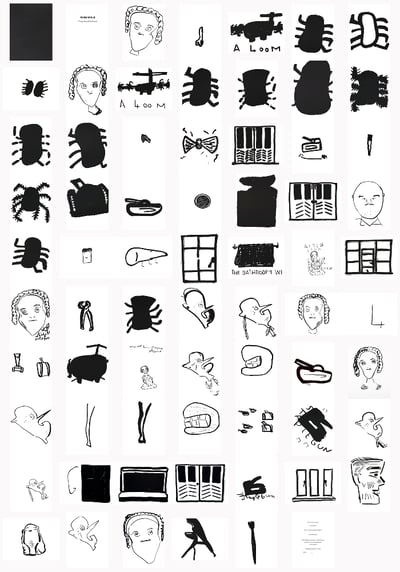
Rose Wylie
Things around the house (66 pc), 2016
Limited Edition Print
Lithograph
EUR 30,500
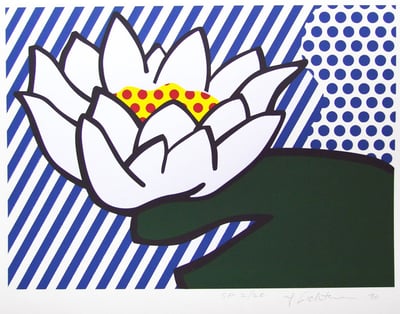
Roy Lichtenstein
Water Lily, 1993
Limited Edition Print
Screen-print
Currently Not Available

Dan Perjovschi
Calendar 2007, 2007
Limited Edition Print
Mixed Media
EUR 1,200
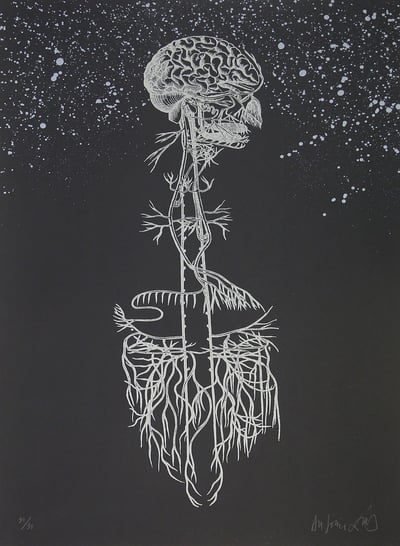
Antonio Dias
Navegador, 2015
Limited Edition Print
Lithograph
EUR 2,500
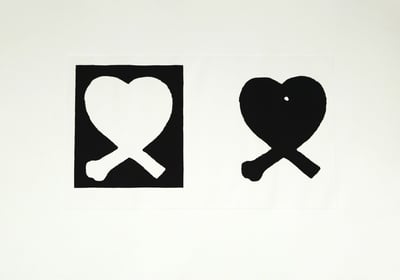
Antonio Dias
Without title , 2015
Limited Edition Print
Etching
Currently Not Available
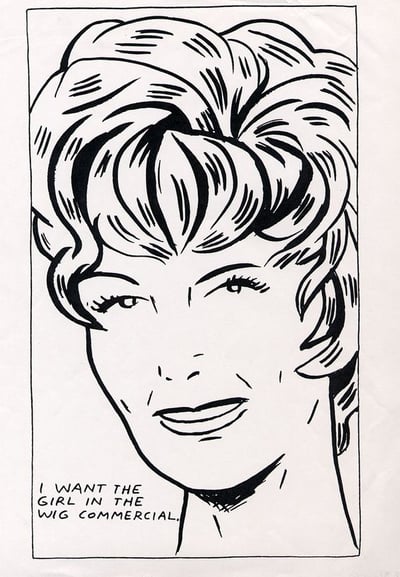
Raymond Pettibon
I Want To Be The Girl In The Wig Commercial, 1989
Limited Edition Print
Lithograph
USD 3,900
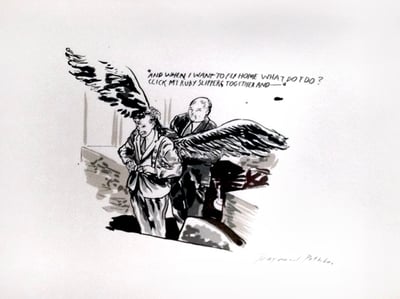
Raymond Pettibon
And When I Want to Fly Home What Do I Do?, 2004
Limited Edition Print
Lithograph
USD 2,700
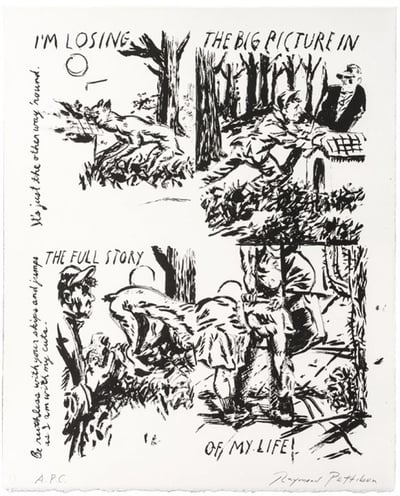
Raymond Pettibon
I’m Losing The Big Picture In The Full Story Of My Life, 2010
Limited Edition Print
Lithograph
USD 3,900
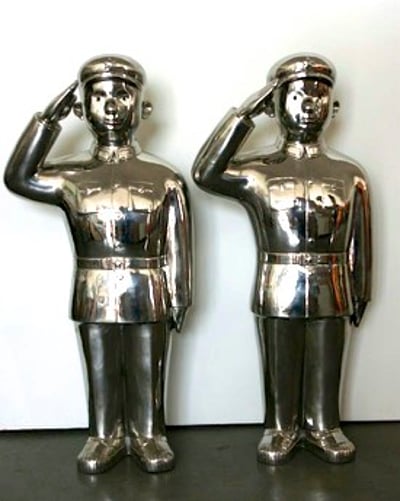
Shen Jingdong
Salute (Duo), 2013
Sculpture / Object
Metal
USD 23,600
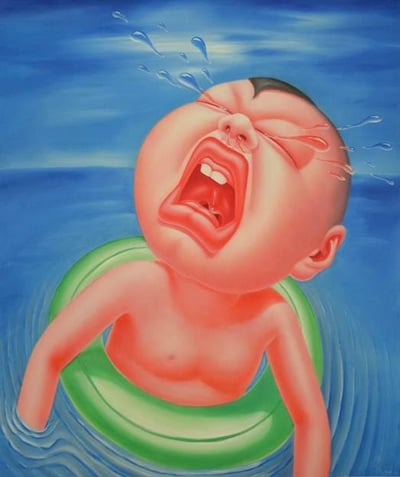
Yin Jun
Crying Series - Swimming , 2012
Painting
Oil on canvas
EUR 14,250
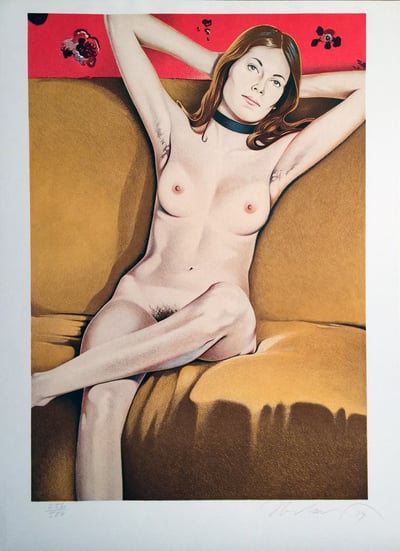
Mel Ramos
Unknown, 1979
Limited Edition Print
Lithograph
USD 4,200
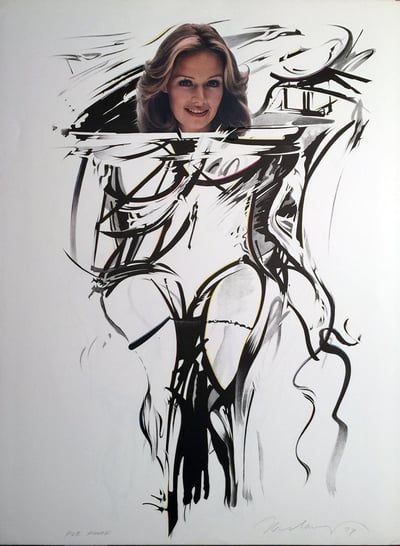
Mel Ramos
I Still Get a Thrill When I See Bill I, 1979
Limited Edition Print
Lithograph
USD 2,000
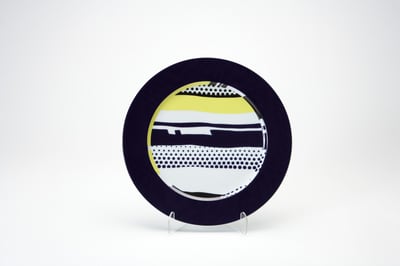
Roy Lichtenstein
Rosenthal plate 1, 2000
Sculpture / Object
Plate
EUR 700
Related Articles

Young British Artists (YBAs), also known as Britart or Brit artists, refers to a group of artists who began exhibiting together in London in 1988. Most of them graduated from the BA Fine Arts course at Goldsmiths in the late 1980s. The YBAs are known for their wild lifestyles, use of unconventional materials, and a combination of entrepreneurial and oppositional attitudes. They dominated the British art scene in the 1990s and gained significant media attention. Many of these artists were initially supported and collected by Charles Saatchi, a key figure in their rise to prominence.

Monoprinting is a printmaking technique where a single impression is created from a re-printable surface, such as a lithographic stone, wood block, or metal plate. Unlike traditional printmaking, where multiple copies are produced, monoprinting results in a unique image. Techniques used in monoprinting include etching, lithography, and woodcut, but the key characteristic is that each print is one-of-a-kind.

Montage is a film editing technique where a series of shots are edited into a sequence to condense time, convey information, and manage space within the narrative. While it primarily refers to this method in film, the term can also be used in various other contexts to describe the assembly of disparate elements into a cohesive whole.
Can't find your Answer?
Thank you! Your question has been sent — we'll get back to you shortly.
