
What is Comic Strip Art?
- Show All
- Established
- Discoveries
- Show All
Artworks Related to Comic Strip art
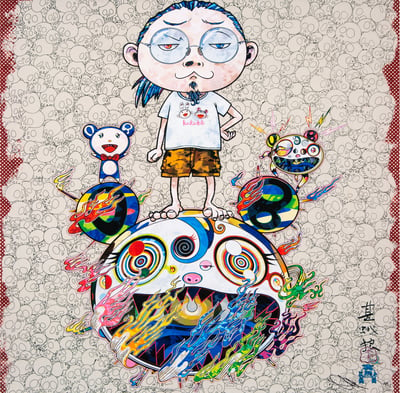
Takashi Murakami
Obliterate the self and even a fire is cool, 2013
Limited Edition Print
Lithograph
EUR 2,300
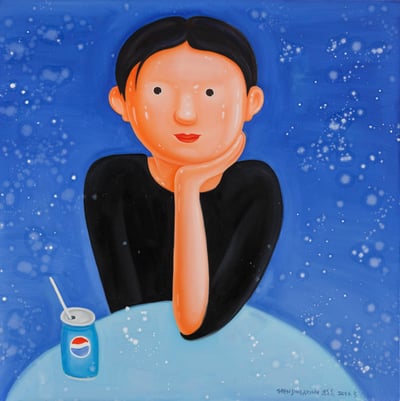
Shen Jingdong
Moments, 2014
Painting
Oil on canvas
USD 28,990
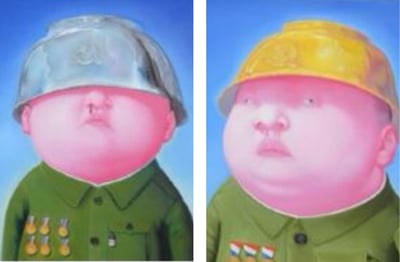
Yin Kun
Commentator Golden & Iron Bowl, 2014
Painting
Oil on canvas
USD 43,750
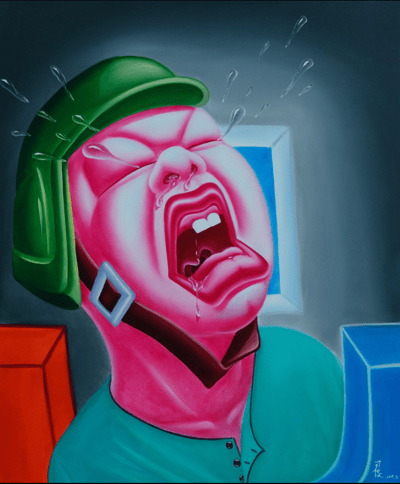
Yin Jun
Crying Boy, 2013
Painting
Oil on canvas
USD 18,900
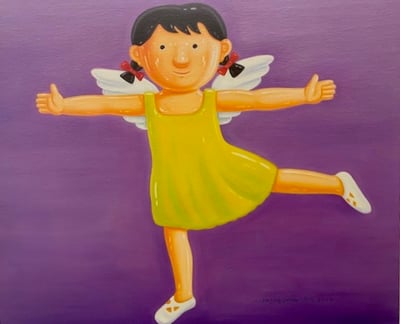
Shen Jingdong
Little Girl, 2012
Painting
Acrylic on canvas
EUR 23,600
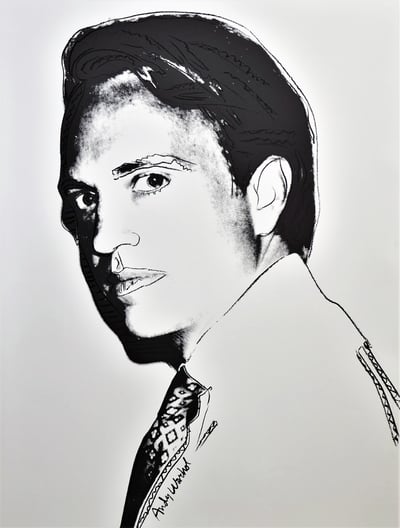
Andy Warhol
Carter Burden, 1977
Limited Edition Print
Silkscreen
EUR 29,000
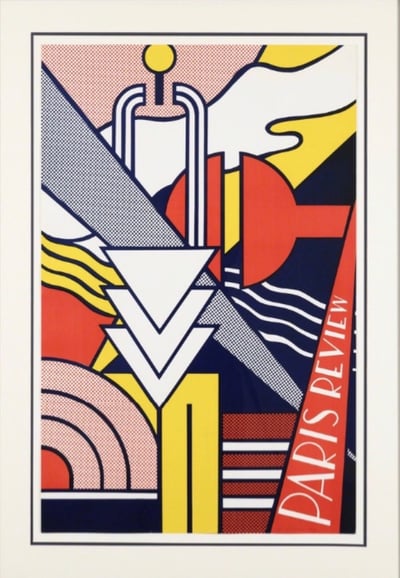
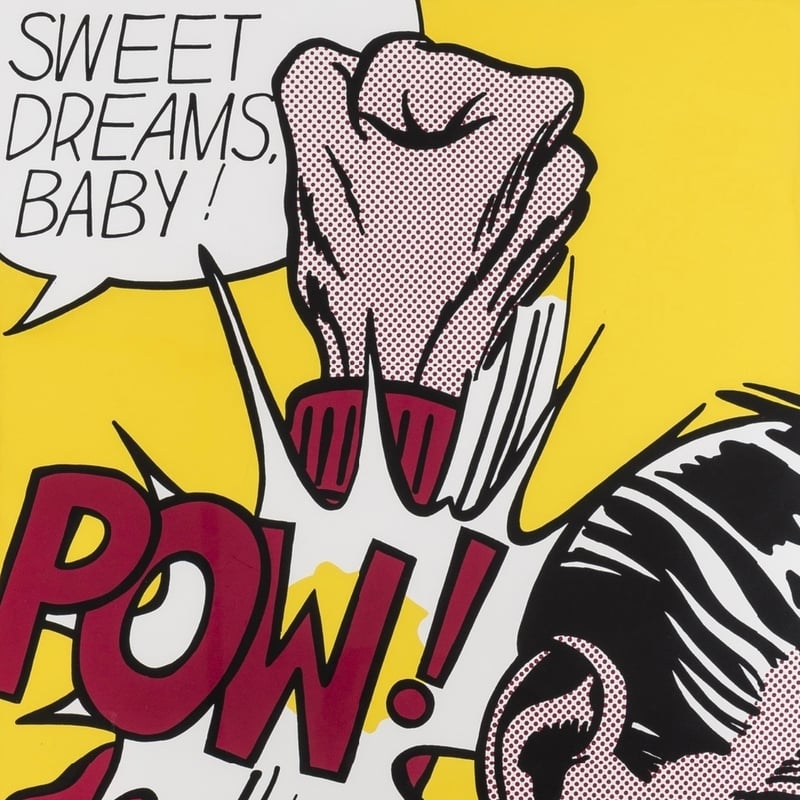
Roy Lichtenstein
Paris Review, 1967
Limited Edition Print
Silkscreen
USD 22,850
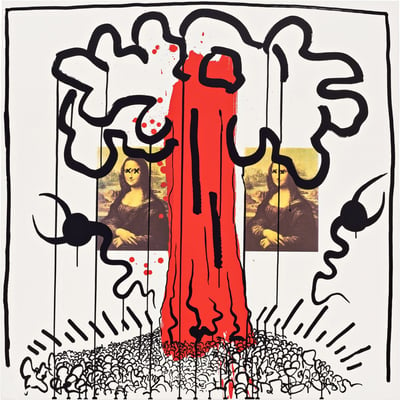
Keith Haring
Apocalypse 1, 1988
Limited Edition Print
Mixed Media
Currently Not Available
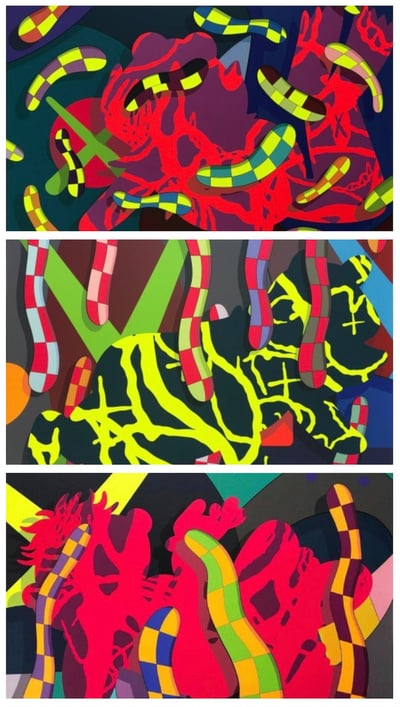
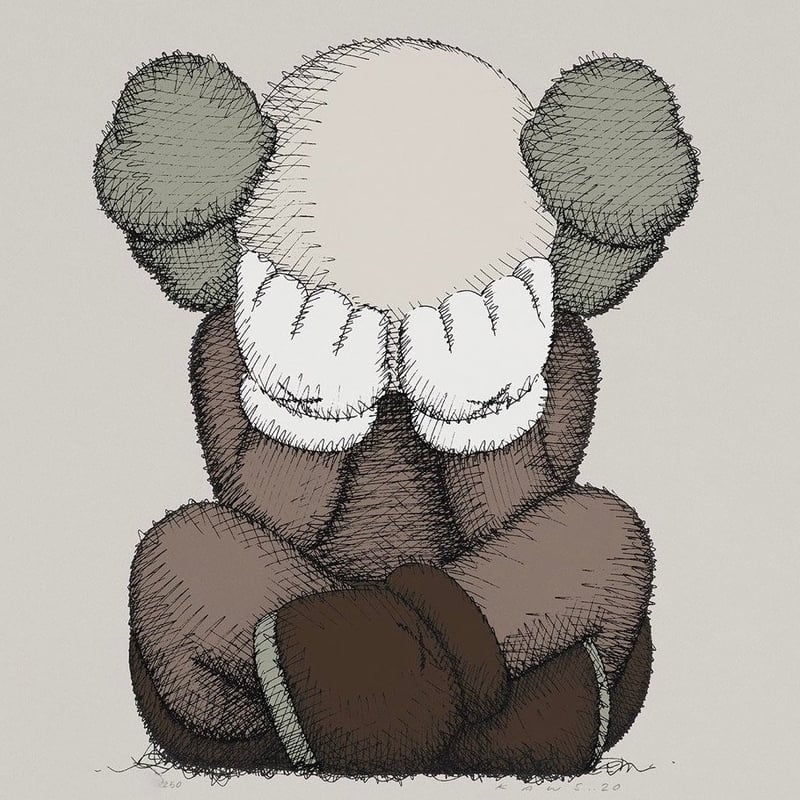
KAWS
Set of 3 serigraphs, 2017/18
Limited Edition Print
Serigraph
Inquire For Price
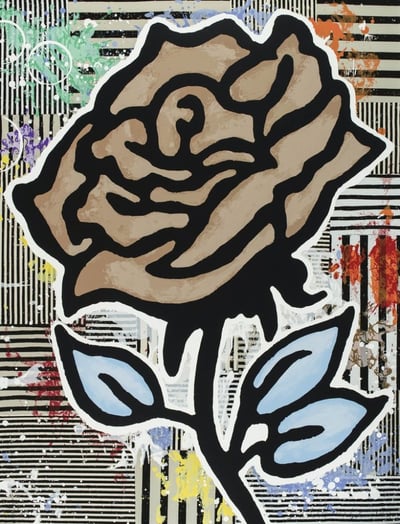
Donald Baechler
The brown rose, 2015
Limited Edition Print
Silkscreen
Currently Not Available
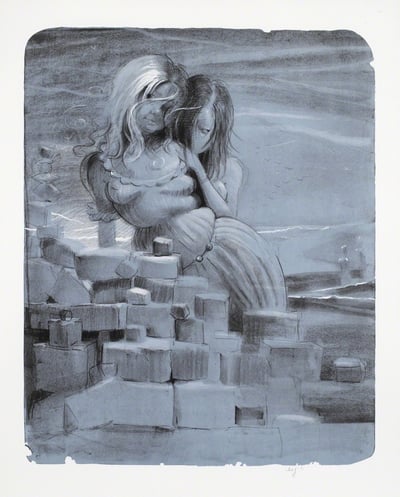
Lisa Yuskavage
Forces, 2007
Limited Edition Print
Lithograph
Currently Not Available
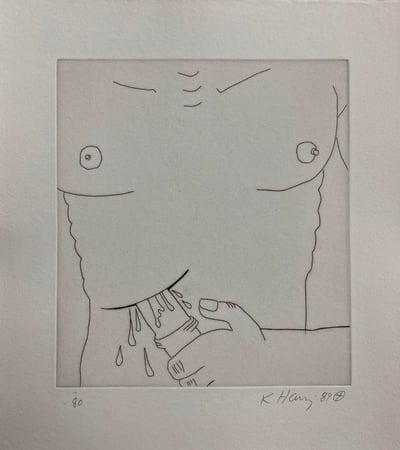
Keith Haring
Untitled from ''The Valley'', 1989
Limited Edition Print
Etching
USD 7,100
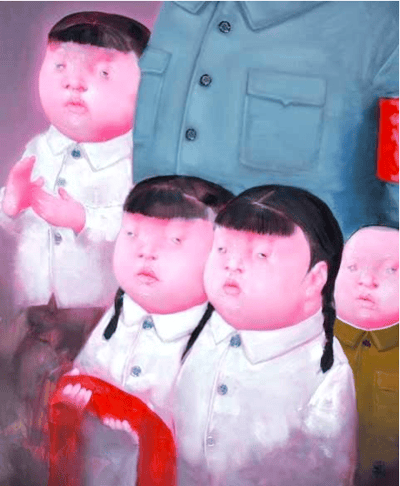
Yin Kun
Chinese Fairytales - Walk, 2013
Painting
Oil on canvas
USD 6,500
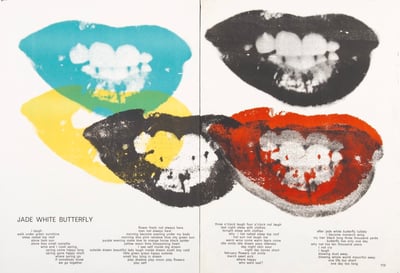
Andy Warhol
Marilyn Monroe Lips (One Cent Life) FS. 11.5, 1964
Limited Edition Print
Lithograph
USD 1,550
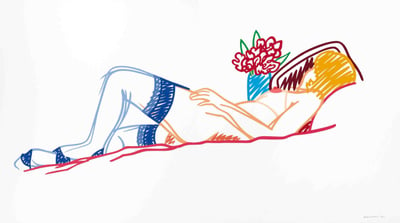
Tom Wesselmann
Bouquet and stockings, 1991
Limited Edition Print
Screen-print
USD 51,500
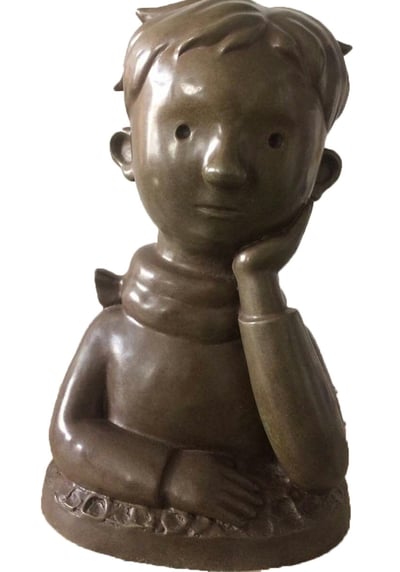
Shen Jingdong
Little Prince, 2015
Sculpture / Object
Bronze
USD 14,250
Related Articles


An artist proof traditionally refers to a print impression taken during the printing process to evaluate the current state of the artwork as the artist works on the plate. These proofs often show incomplete images and are sometimes called trial impressions or working proofs. However, in modern practice, an artist proof typically refers to an impression of the finished work that is identical to the numbered edition copies but is set aside for the artist's personal use. Artist proofs are usually marked A.P. and may be considered more valuable by collectors due to their limited availability.

A Biennial is an art exhibition held every two years, typically on a large scale with international participants. The first and most famous example is the Venice Biennale, established in 1895 and held in the Giardini, a public park in Venice. Over time, the event has grown to include thirty permanent pavilions, each representing different countries. Biennials have become significant events in the contemporary art world, offering a platform for artists to showcase their work to a global audience.

Site-Specific Art is a form of artwork created to exist in a particular location, with the artist considering the site as an integral part of the creative process. Robert Irwin was a key figure in promoting this art form in California. Site-Specific Art emerged as a reaction against modernist objects, which were often portable, commodified, and confined to museum spaces. In contrast, Site-Specific Art is inherently tied to its location, challenging the traditional notions of art as a transportable and marketable commodity.
Can't find your Answer?
Thank you! Your question has been sent — we'll get back to you shortly.
