
What is Comic Strip Art?
- Show All
- Established
- Discoveries
- Show All
Artworks Related to Comic Strip art
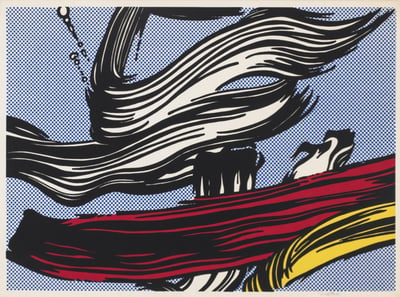
Roy Lichtenstein
Brushstrokes, 1967
Limited Edition Print
Screen-print
Inquire For Price
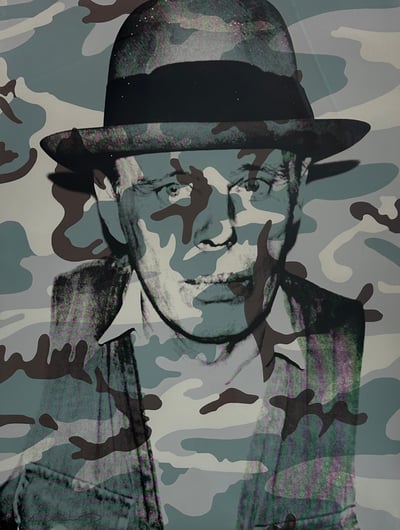
Andy Warhol
Joseph Beuys in Memoriam, 1986
Limited Edition Print
Screen-print
EUR 30,000 - 40,000

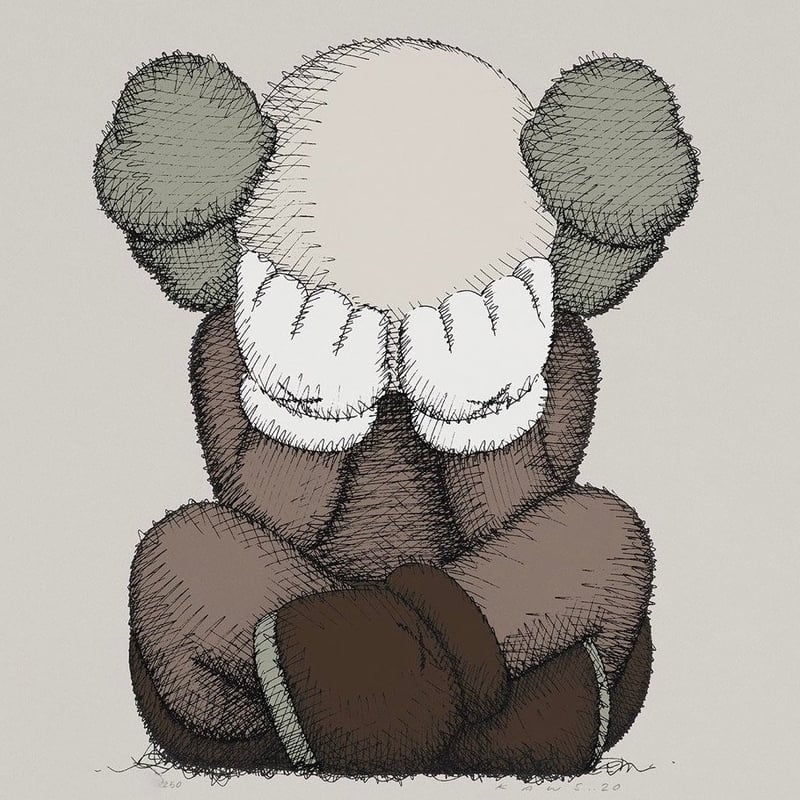
KAWS
Urge (portfolio), 2020
Limited Edition Print
Screen-print
USD 50,000 - 60,000
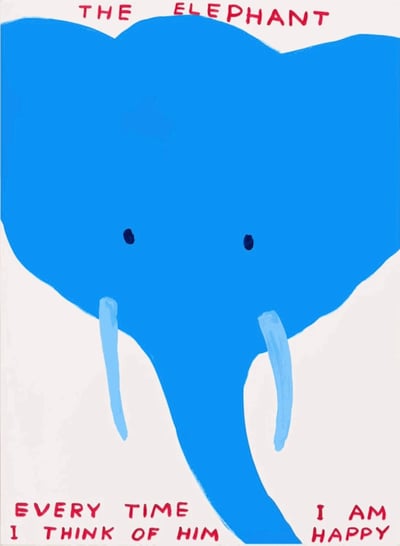
David Shrigley
The Elephant, Every time I think of him I am happy, 2022
Limited Edition Print
Screen-print
USD 5,400
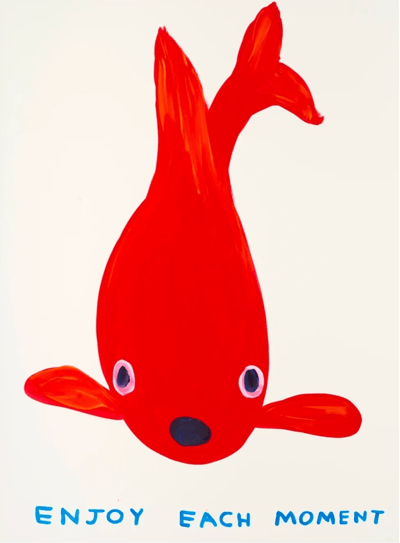
David Shrigley
Enjoy Each Moment, 2022
Limited Edition Print
Screen-print
GBP 4,200
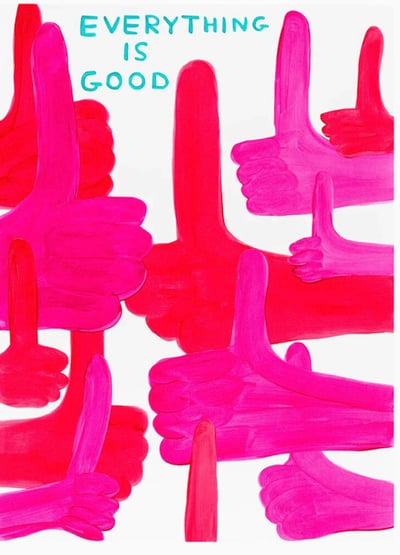
David Shrigley
Everything Is Good, 2023
Limited Edition Print
Screen-print
GBP 3,900
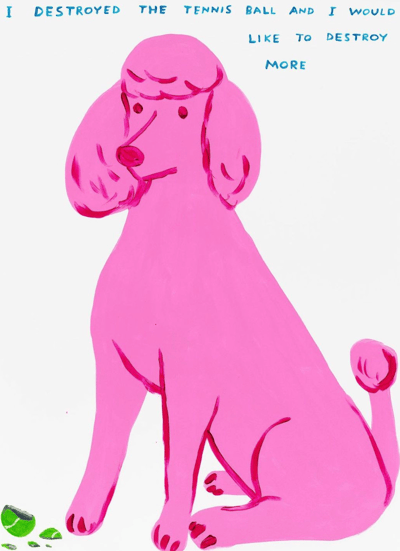
David Shrigley
I Destroyed The Tennis Ball And I Would Like To Destroy More, 2023
Limited Edition Print
Screen-print
GBP 3,350
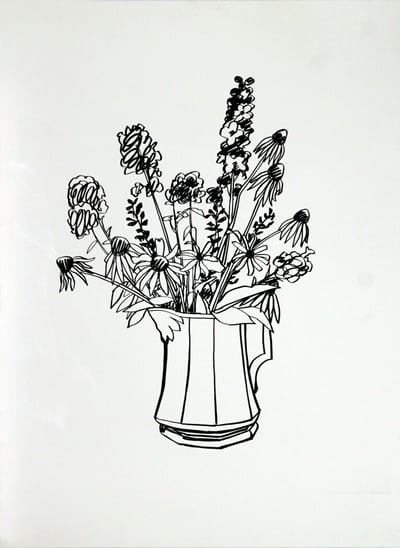
Tom Wesselmann
Country Bouquet for Tammy, 1989
Limited Edition Print
Screen-print
USD 3,000
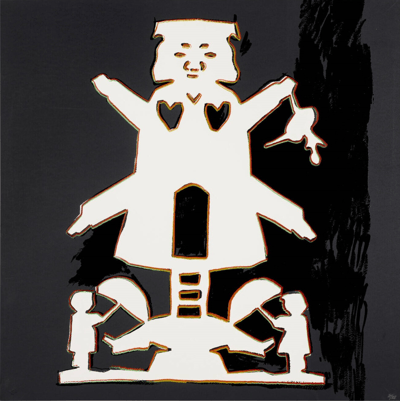
Andy Warhol
Hans Christian Andersen (Miller with two Ole Lukojes), 1987
Limited Edition Print
Screen-print
USD 8,400
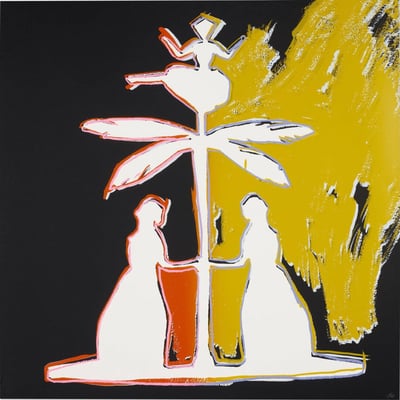
Andy Warhol
Hans Christian Andersen (Two Women by a Palm Tree with a Ballerina on Top of it), 1987
Limited Edition Print
Screen-print
USD 8,400
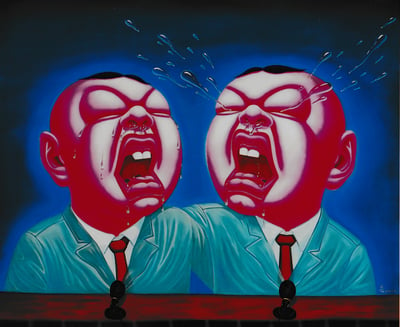
Yin Jun
Crying Series - Brothers, 2013
Painting
Oil on canvas
USD 28,000
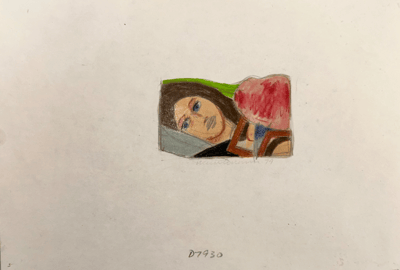
Tom Wesselmann
Bedroom Face Sketch, 1979
Drawing / Watercolor
Coloured pencil
Inquire For Price
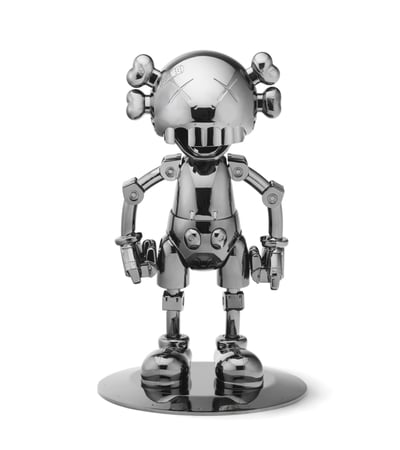
KAWS
KAWS x Hajime Sorayama: No Future Companion, 2008
Sculpture / Object
Mixed Media
USD 13,700
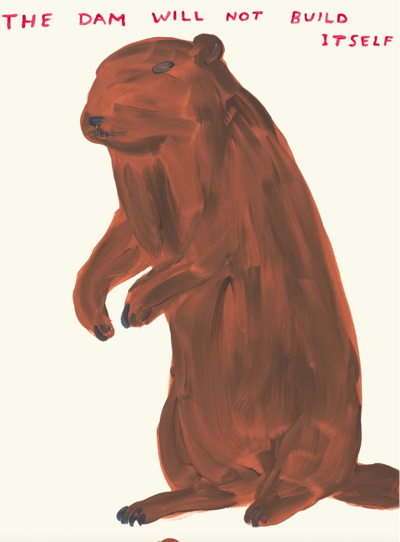
David Shrigley
The Dam Will Not Build Itself, 2023
Limited Edition Print
Screen-print
GBP 2,700
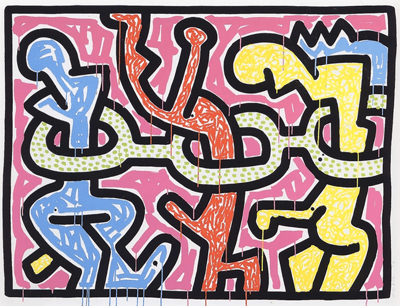
Keith Haring
Flowers II (Pink), 1990
Limited Edition Print
Screen-print
USD 50,000 - 60,000
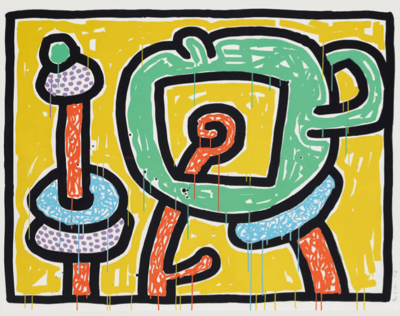
Keith Haring
Flowers III (Yellow), 1990
Limited Edition Print
Screen-print
USD 45,000 - 55,000
Related Articles
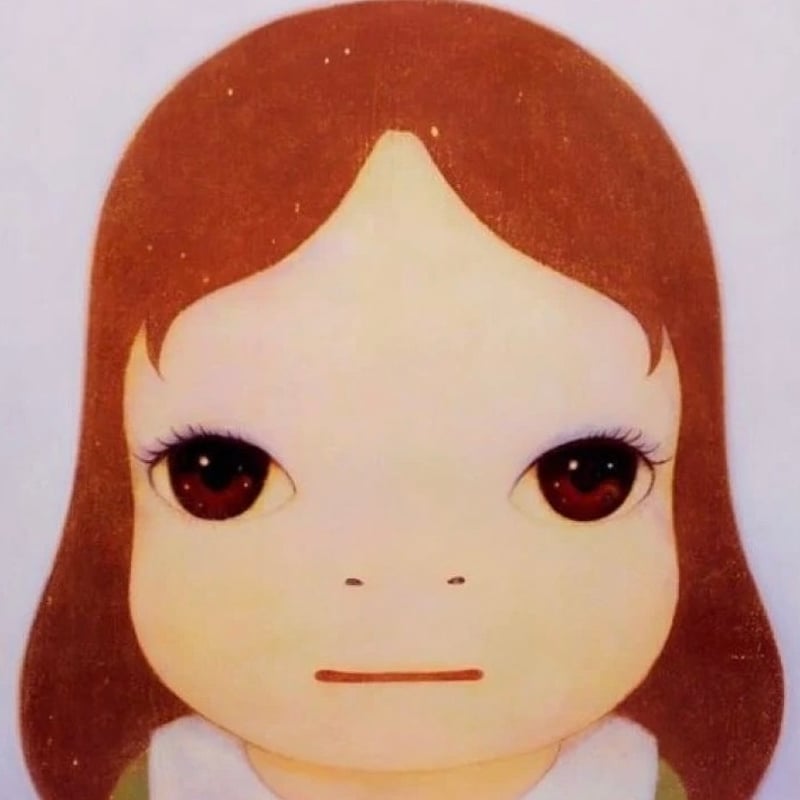
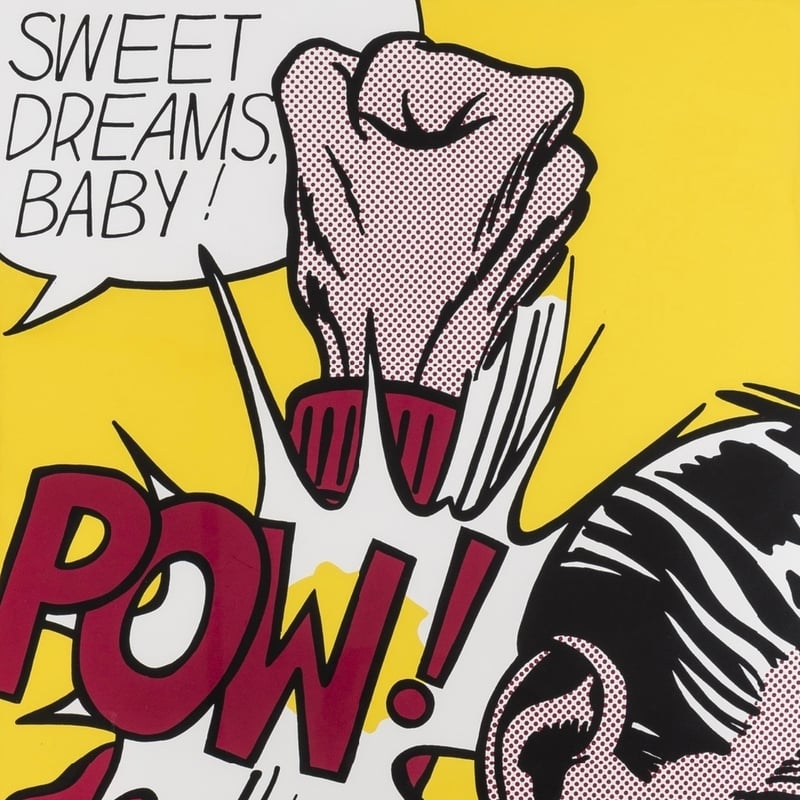
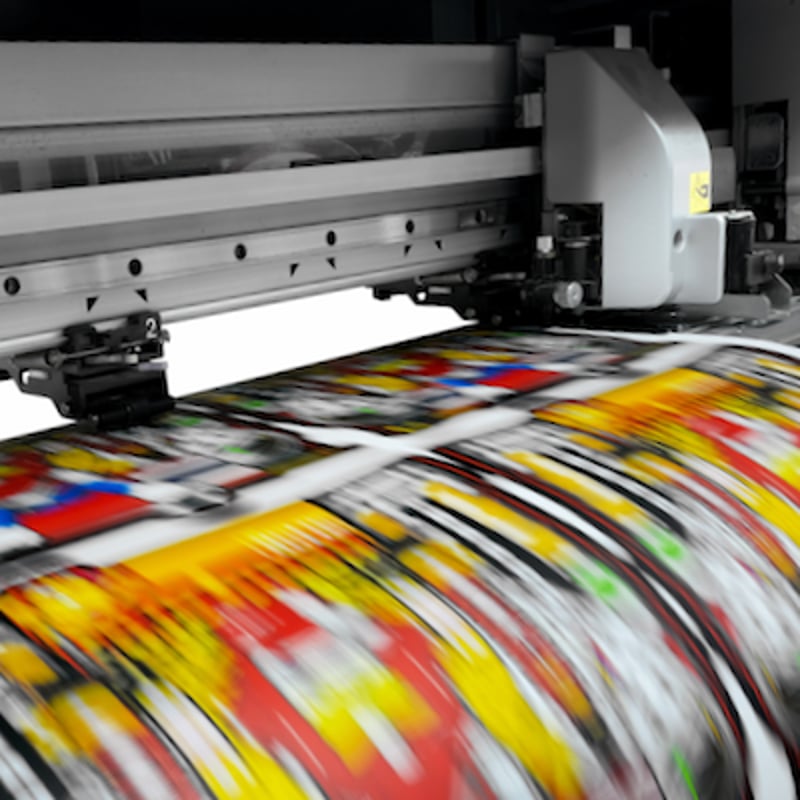
Computer printing involves using computer technology to reproduce fine art images as prints. In its basic form, this means creating digital versions of artwork that are printed onto paper. More advanced techniques allow artists to program computers to generate original art, which is then printed using various printing technologies.
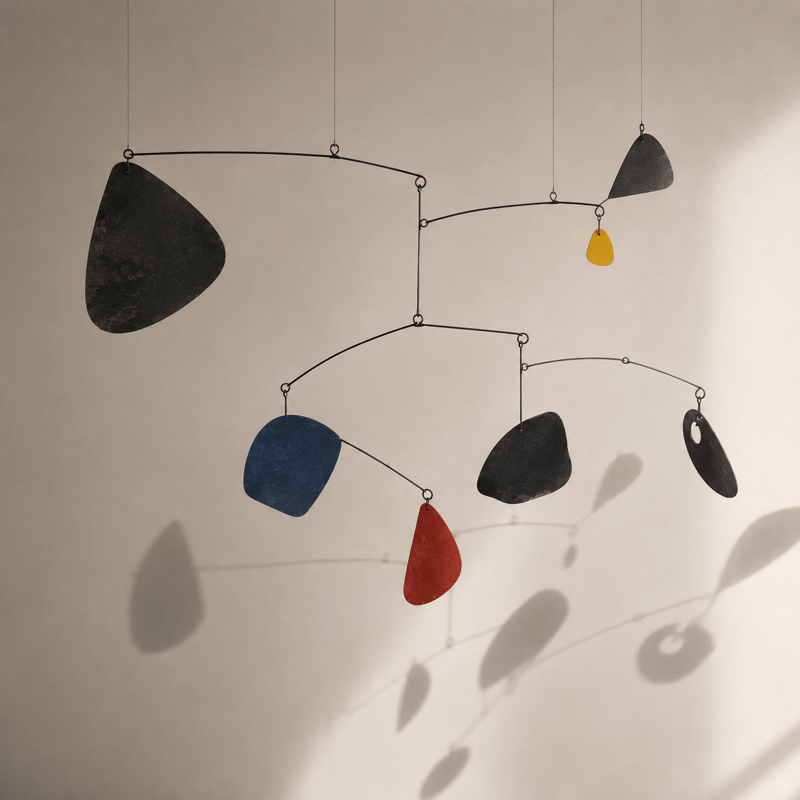
A mobile is a type of kinetic sculpture consisting of an ensemble of balanced parts that hang freely and move independently or as a whole when influenced by air currents or touch. Typically made of wire and colorful metal shapes, mobiles are designed to create dynamic visual effects through their motion.
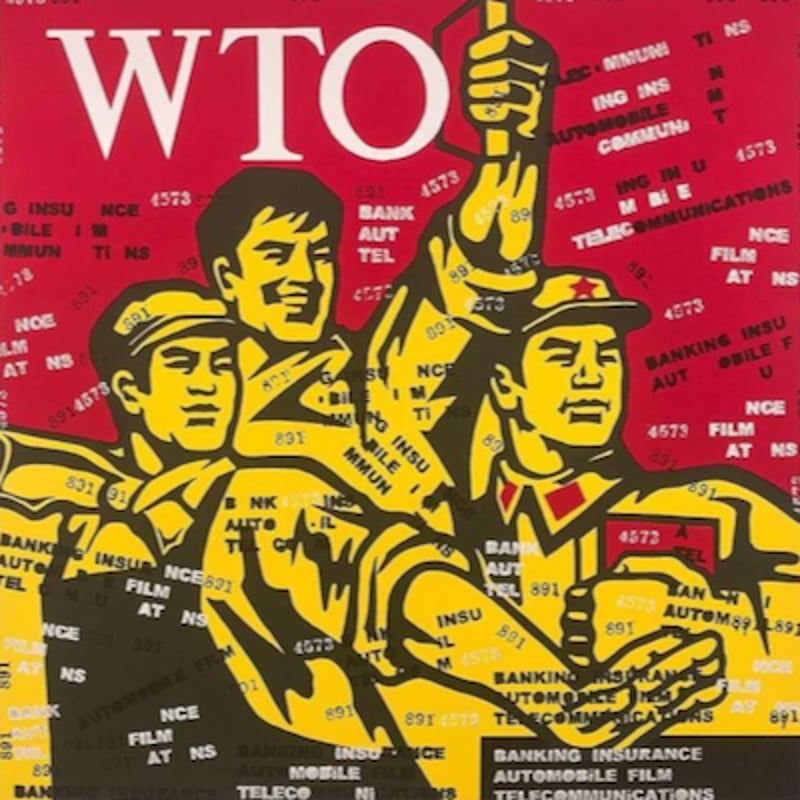
Political Pop was an art movement that emerged in China during the 1980s, blending the Pop Art style of Western countries with the socialist realism of China. This movement arose during a time of rapid social and political change in China, as artists sought to create works that questioned and critiqued these cultural shifts. Political Pop often juxtaposed iconic images from Chinese propaganda with Western consumer culture, highlighting the tensions between tradition and modernization.
Can't find your Answer?
Thank you! Your question has been sent — we'll get back to you shortly.
