
What is Comic Strip Art?
- Show All
- Established
- Discoveries
- Show All
Artworks Related to Comic Strip art
Tom Wesselmann
Private Listing
Drawing / Watercolor
Andy Warhol
Private Listing
Drawing / Watercolor
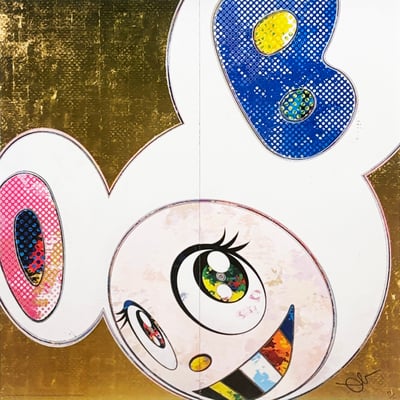
Takashi Murakami
DOB in Pure White Robe (Pink & Blue), 2013
Limited Edition Print
Offset Print
Currently Not Available
Andy Warhol
Private Listing
Limited Edition Print
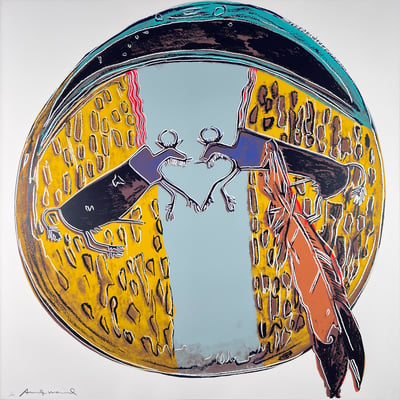
Andy Warhol
Cowboys and Indians: Plains Indian Shield II.382, 1986
Limited Edition Print
Screen-print
USD 30,000 - 42,000
Andy Warhol
Private Listing
Limited Edition Print
Andy Warhol
Private Listing
Limited Edition Print
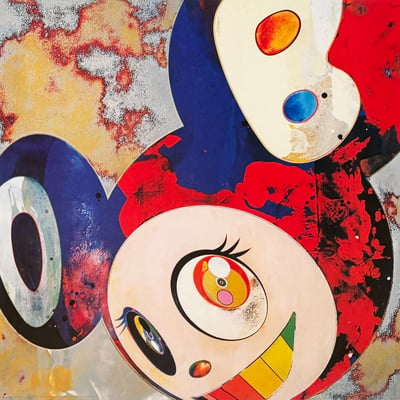
Takashi Murakami
And Then, And Then, And Then, And Then, And Then (Gargle Glop), 2006
Limited Edition Print
Offset Print
USD 3,000
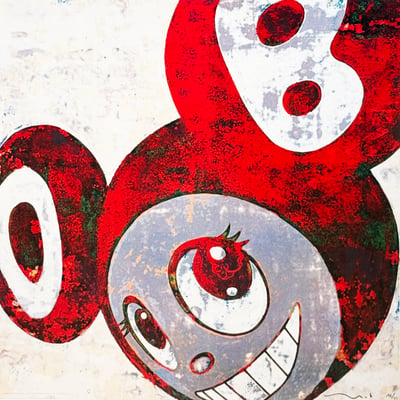
Takashi Murakami
And then, and then, and then, and then, and then, 2006
Limited Edition Print
Offset Print
USD 3,000
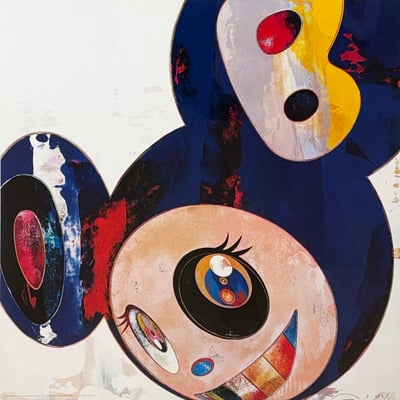
Takashi Murakami
And then, and then and then and then / Hello, 2006
Limited Edition Print
Offset Print
USD 3,000
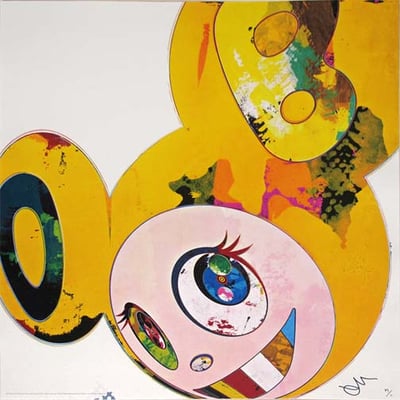
Takashi Murakami
And Then X5 Yellow Universe, 2013
Limited Edition Print
Offset Print
USD 3,000
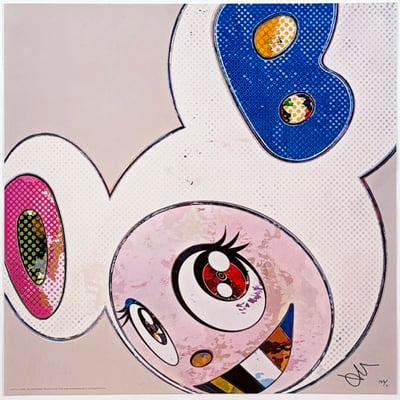
Takashi Murakami
And Then x 6 (White: The Superflat Method Pink and Blue Ears), 2013
Limited Edition Print
Offset Print
USD 3,125
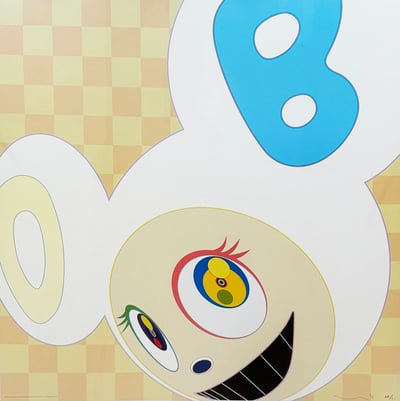
Takashi Murakami
And Then Ichimatsu Pattern, 2006
Limited Edition Print
Offset Print
USD 3,125
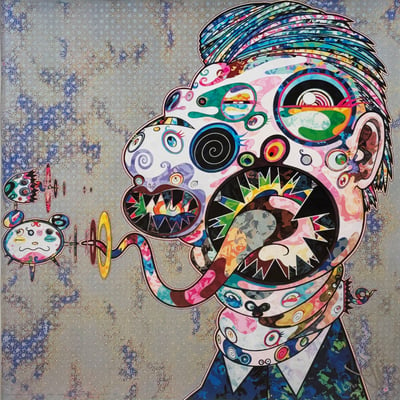
Takashi Murakami
An Homage to Francis Bacon (Study for Head of George Dyer, Moire), 2016
Limited Edition Print
Offset Print
USD 3,725
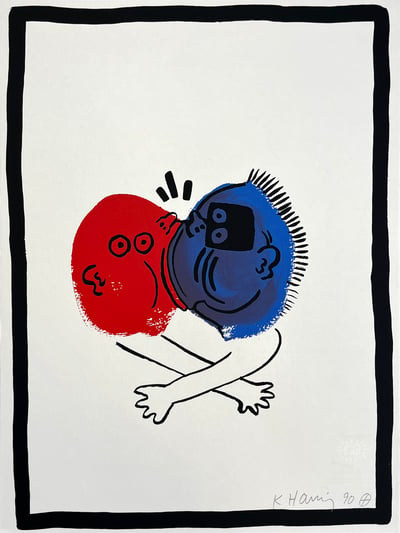
Keith Haring
Story of Red and Blue #19, 1989
Limited Edition Print
Lithograph
USD 6,150
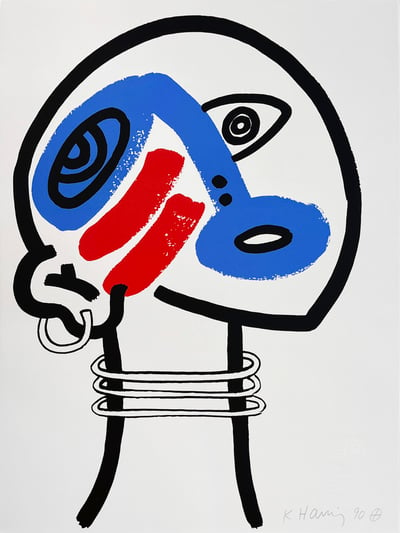
Keith Haring
Story of Red and Blue #17, 1989
Limited Edition Print
Lithograph
USD 5,500
Related Articles
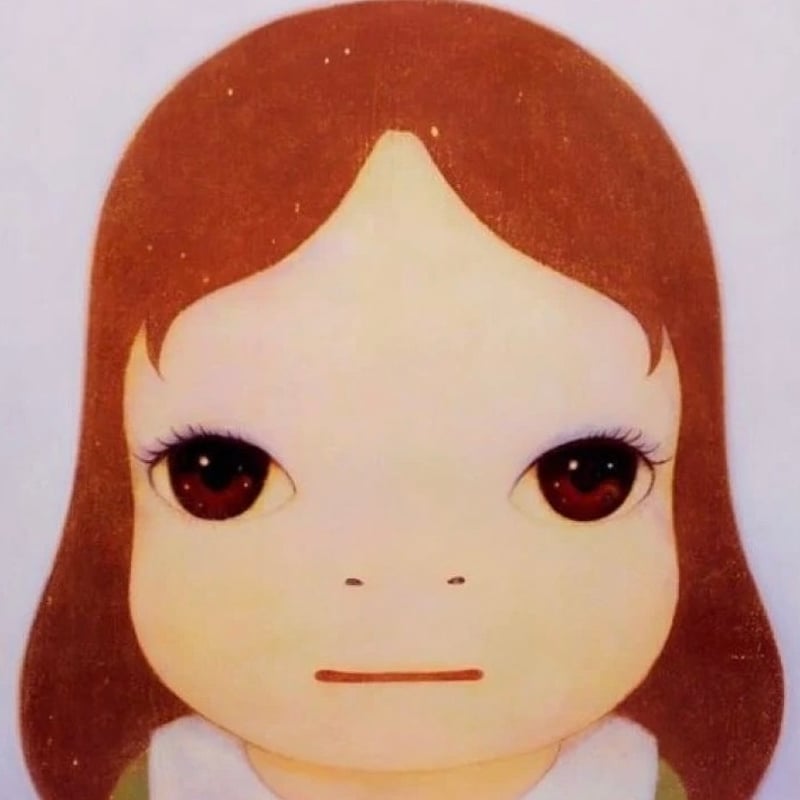
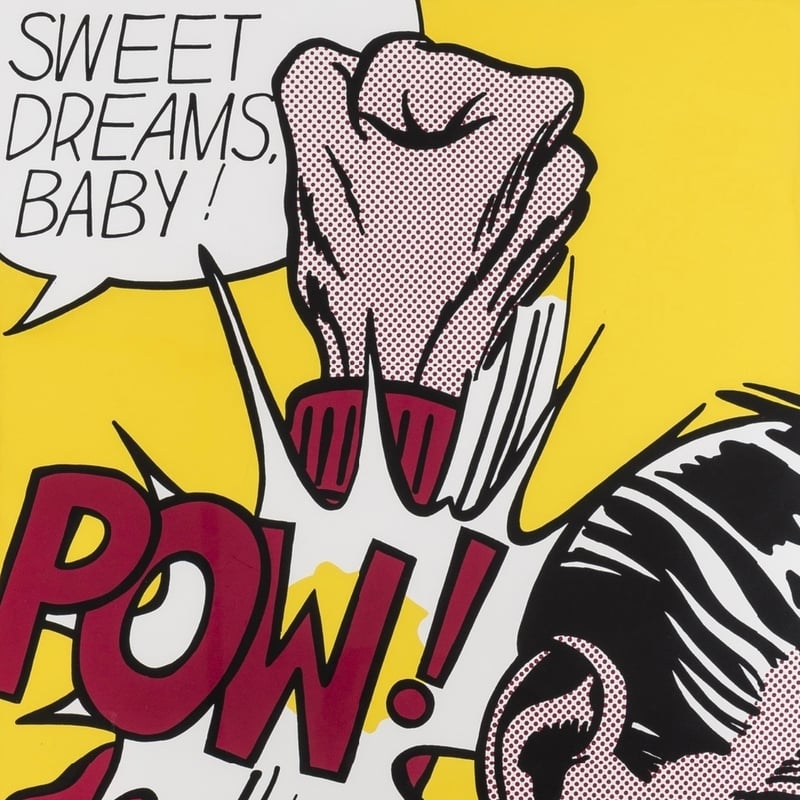

Pixel Art is a form of digital art created by placing individual pixels, similar to assembling a mosaic where each small piece contributes to a larger image. The style is often associated with nostalgia, as it draws on the techniques used in early video game graphics. Pixel art has seen a resurgence in popularity, both as a nod to retro aesthetics and as a distinct artistic style in modern digital art.
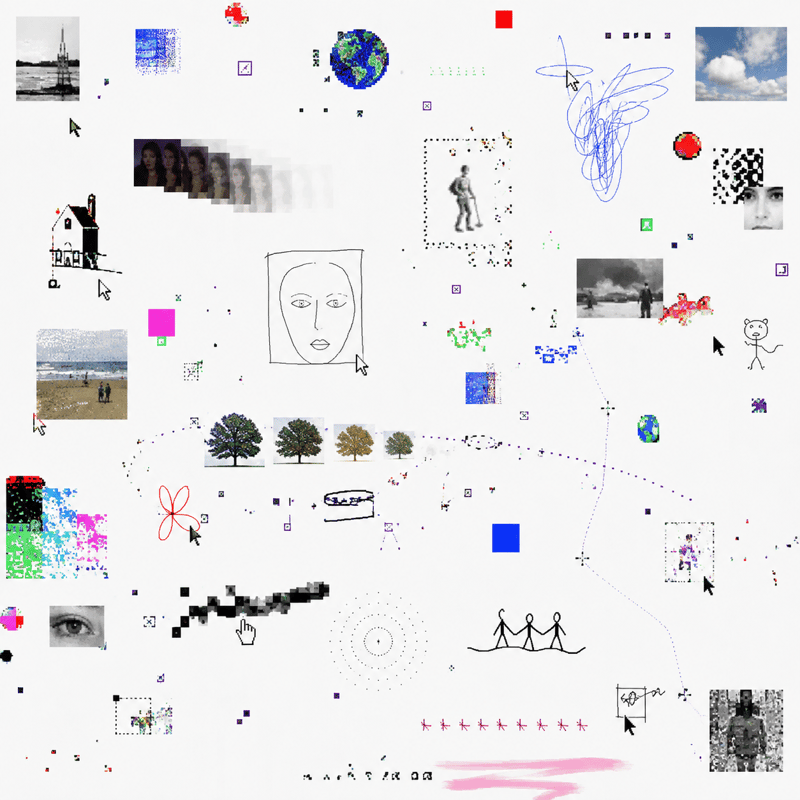
Net Art is art created on the internet, specifically for the internet. Artists who create it use computers to generate imagery, exhibit art online, or build programs that produce unique artworks. Since the 1990s, the movement has been considered subversive because it transcends geographic boundaries and defies traditional art norms, challenging conventional ideas of where and how art should be experienced.
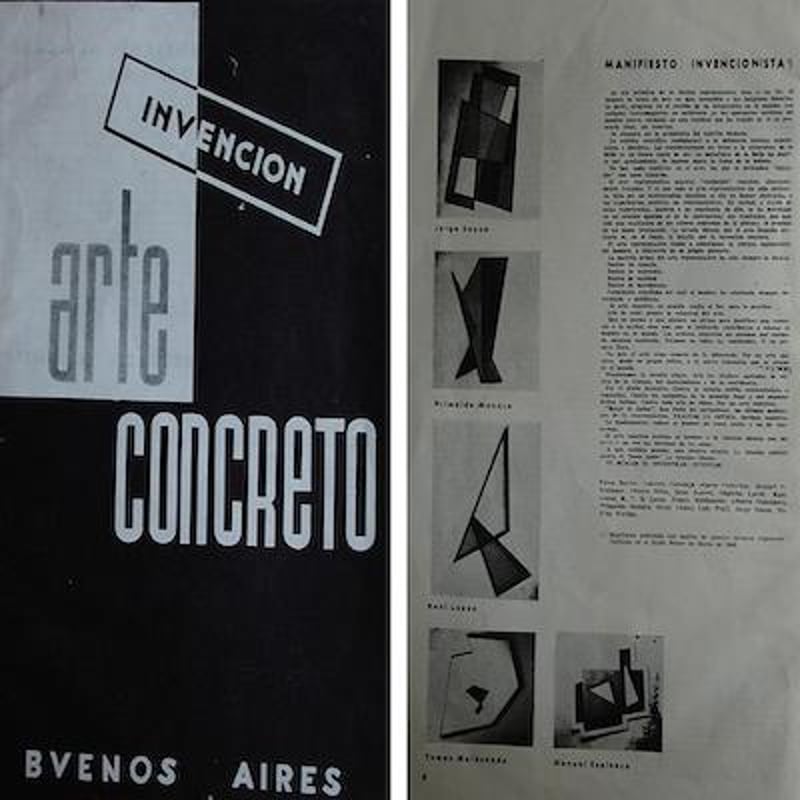
The Manifesto Invencionista was published in 1946, marking the beginning of the concrete art movement in Buenos Aires, Argentina. Written by artist Tomás Maldonado and published by the Asociación Arte Concreto-Invención, the manifesto announced the principles of Concrete Art. Concrete art is purely abstract, with no reference to visual reality, emphasizing geometric forms and the materiality of the artwork itself.
Can't find your Answer?
Thank you! Your question has been sent — we'll get back to you shortly.
