
What is Comic Strip Art?
- Show All
- Established
- Discoveries
- Show All
Artworks Related to Comic Strip art

Keith Haring
Pop Shop II (D), 1988
Limited Edition Print
Silkscreen
USD 45,000 - 50,000

Kenny Scharf
Mouse Eats Cheese Underwater, 1993
Drawing / Watercolor
Mixed Media
USD 19,500
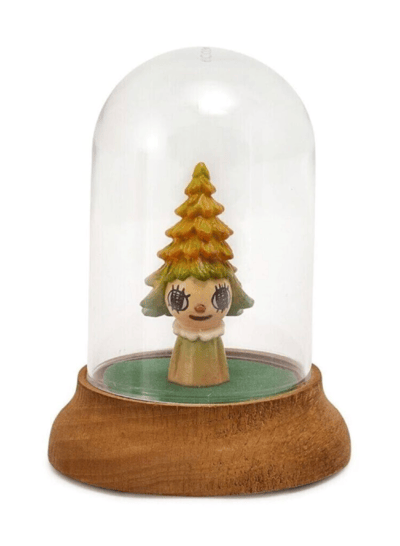
Yoshitomo Nara
Mini Mori Girl, 2012
Sculpture / Object
Mixed Media
GBP 6,600
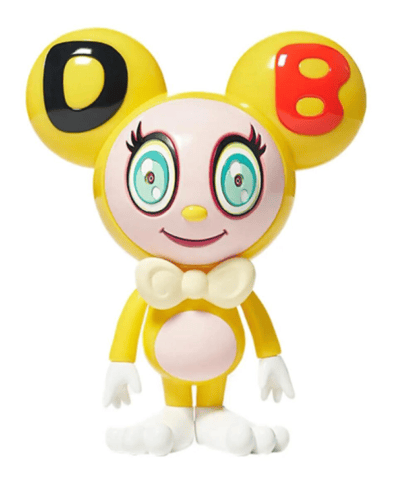
Takashi Murakami
Untitled - yellow, 2020
Sculpture / Object
Mixed Media
Inquire For Price
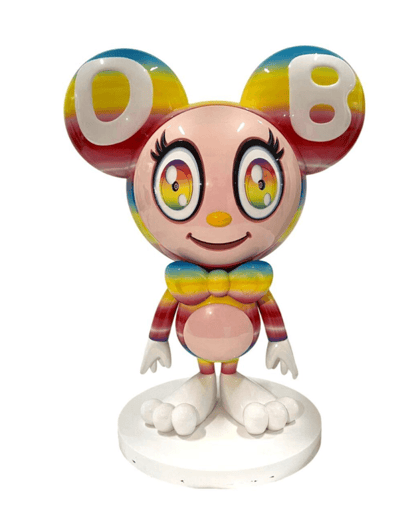
Takashi Murakami
Untitled - multi, 2020
Sculpture / Object
Mixed Media
Inquire For Price
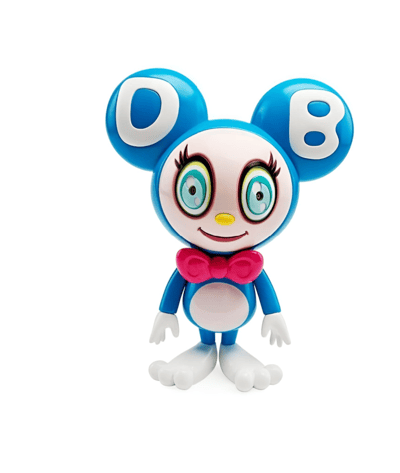
Takashi Murakami
Untitled (Mr DOB), 2020
Sculpture / Object
Mixed Media
Inquire For Price
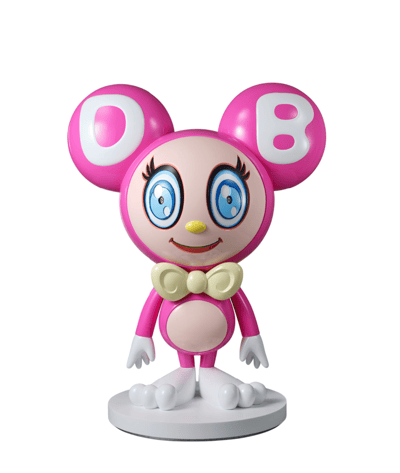
Takashi Murakami
Untitled - magenta, 2020
Sculpture / Object
Mixed Media
Inquire For Price

Takashi Murakami
October Story Silkscreen (Orange Lavender Flowers), 2019
Limited Edition Print
Silkscreen
GBP 6,600
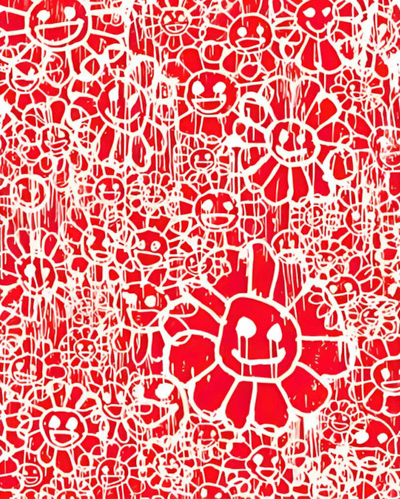
Takashi Murakami
Madsaki Flowers B Red, 2017
Limited Edition Print
Silkscreen
GBP 3,000
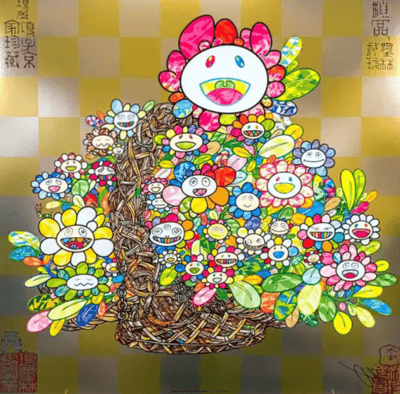
Takashi Murakami
Bouquet in a Basket, 2024
Limited Edition Print
Offset Print
GBP 4,500

Roy Lichtenstein
Industry and the Arts (II), 1969
Limited Edition Print
Screen-print
GBP 30,000 - 40,000
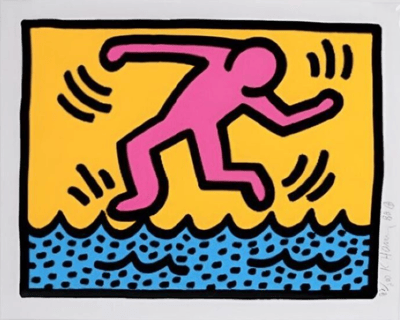
Keith Haring
Pop Shop II Plate 3, 1988
Limited Edition Print
Screen-print
Inquire For Price

KAWS
Pinocchio & Jiminy Cricket, 2010
Sculpture / Object
Mixed Media
GBP 10,000 - 14,000
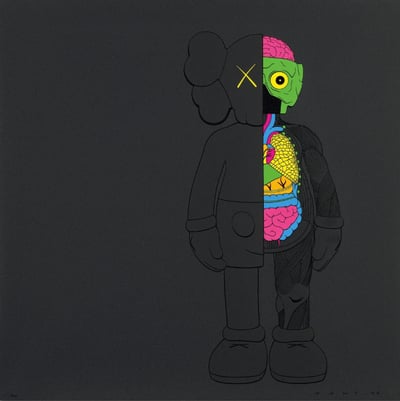
KAWS
Dissected Companion (Black), 2006
Limited Edition Print
Screen-print
GBP 8,000 - 10,000

Tom Wesselmann
Woman with Green Blouse, 1988
Limited Edition Print
Screen-print
USD 14,000 - 20,000
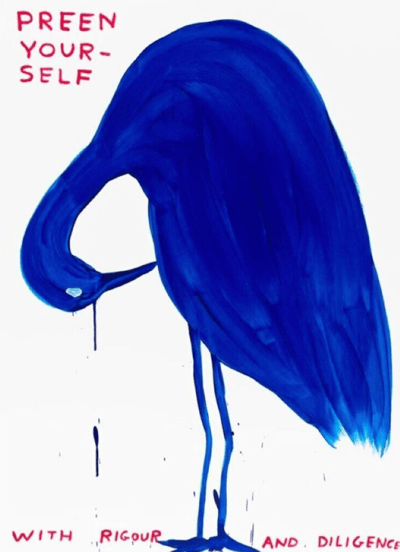
David Shrigley
Preen Yourself, 2023
Limited Edition Print
Screen-print
GBP 3,900
Related Articles
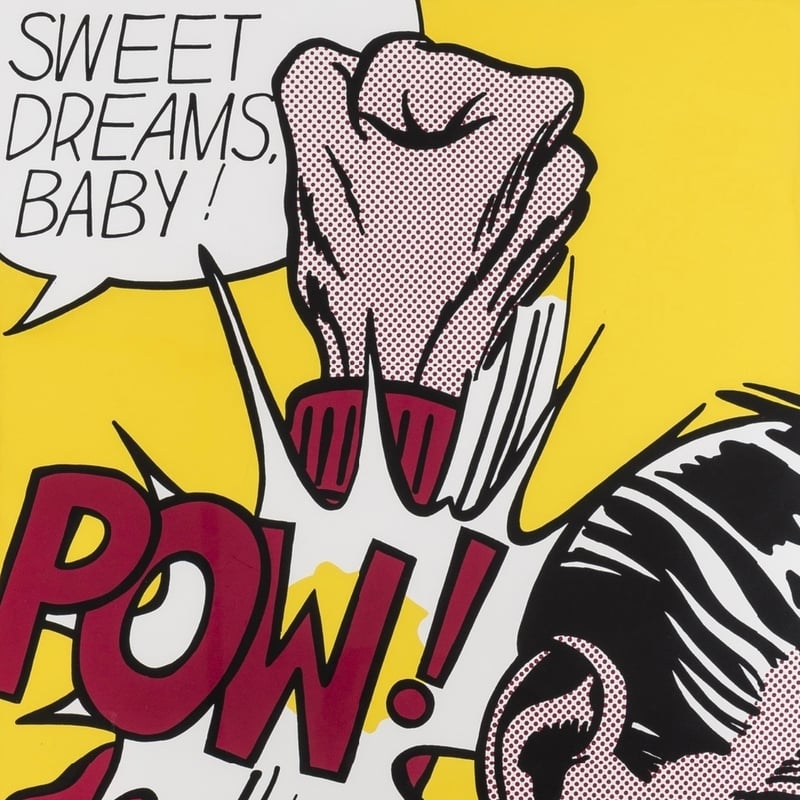
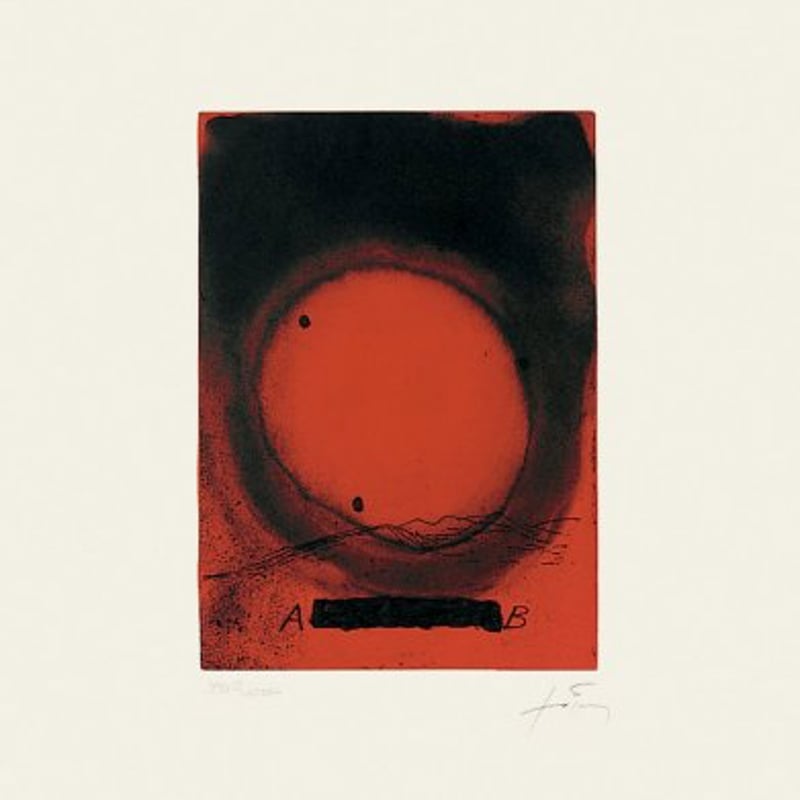
A movement and style in art that originated in Italy during the 1960s. It integrates elements of minimalism, performance art, and conceptual art by using everyday or seemingly worthless materials, such as newspapers, stones, or rags. The goal was to challenge and subvert the commercialization of art.
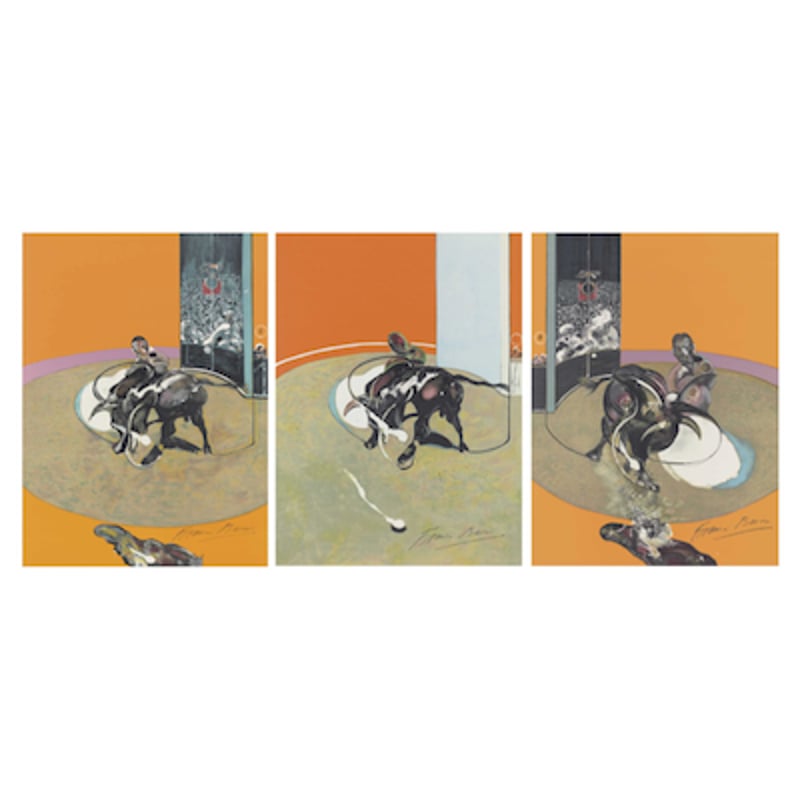
A triptych is an artwork divided into three sections or panels, often hinged together, allowing it to be displayed open or folded shut. It is a type of polyptych, a term for multi-panel artworks. Typically, the central panel is the largest, flanked by two smaller panels, although some triptychs have panels of equal size. Triptychs have been historically significant in religious art but are also used in contemporary works.

Tansaekhwa, also known as monochrome painting, is a movement in Korean art that began in the mid-1970s. These artworks are characterized by the manipulation of painting materials, such as pushing paint, soaking the canvas, ripping paper, or other techniques that alter the medium. Tansaekhwa emphasizes texture, materiality, and the physical process of creating the artwork.
Can't find your Answer?
Thank you! Your question has been sent — we'll get back to you shortly.
