
What is Comic Strip Art?
- Show All
- Established
- Discoveries
- Show All
Artworks Related to Comic Strip art
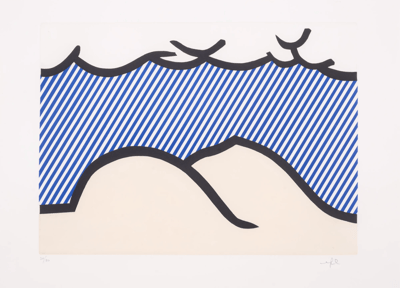
Roy Lichtenstein
Illustration for 'De Denver au Montana, Depart 27 Mai 1972' (I), 1992
Limited Edition Print
Etching and Aquatint
USD 12,500
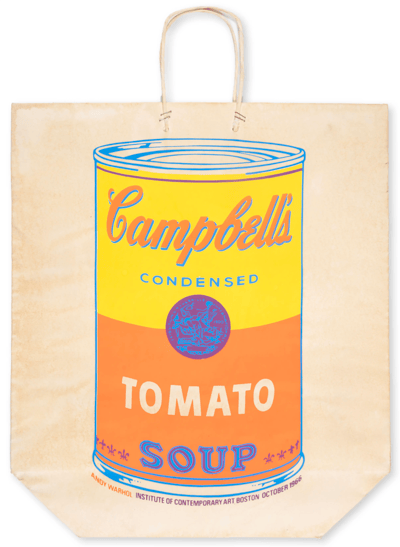
Andy Warhol
Campbell's Soup Can (Tomato), 1966
Limited Edition Print
Screen-print
USD 4,125
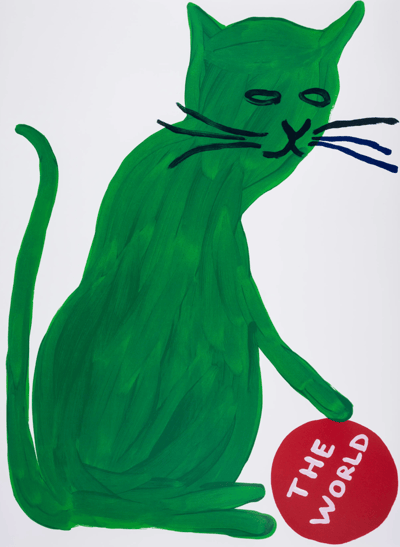
David Shrigley
The World, 2019
Limited Edition Print
Lithograph
USD 3,450

Andy Warhol
Golden Mushroom (from Campbell's Soup II), 1969
Limited Edition Print
Screen-print
USD 50,000 - 60,000

Yoshitomo Nara
Y.N. (Self-Portrait), 2002
Limited Edition Print
Intaglio
Inquire For Price
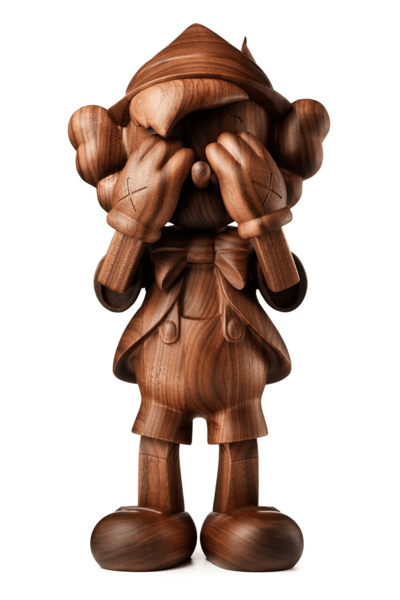
KAWS
Pinocchio, 2017
Sculpture / Object
Wood
Inquire For Price

Keith Haring
The Story of Red and Blue #5, 1989–90
Limited Edition Print
Screen-print
USD 4,500
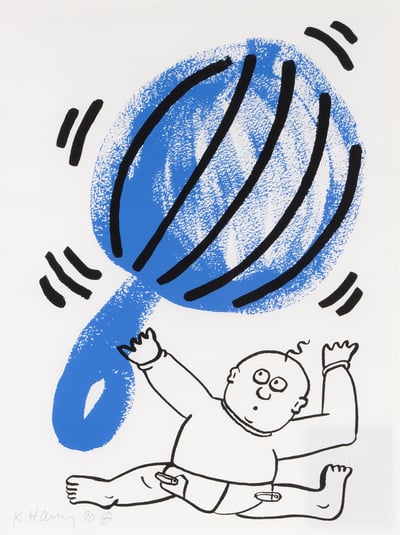
Keith Haring
The Story of Red and Blue #2, 1989-1990
Limited Edition Print
Screen-print
USD 4,500
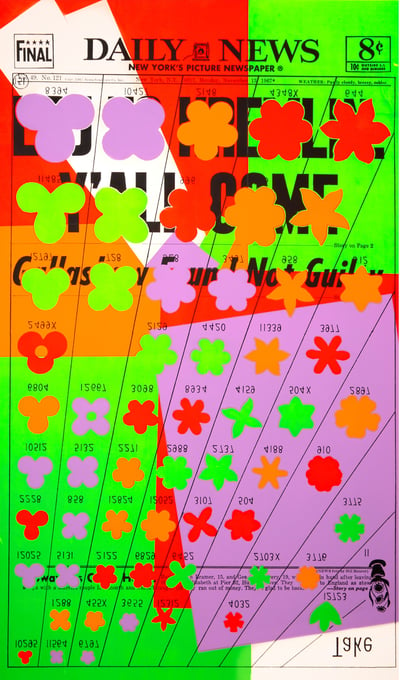
Andy Warhol
Daily News - LBJ to Kremlin – Y'all Come, 1967
Limited Edition Print
Silkscreen
USD 20,000

Keith Haring
Poster for Nuclear Disarmament, 1982
Limited Edition Print
Offset Print
USD 11,000 - 15,000
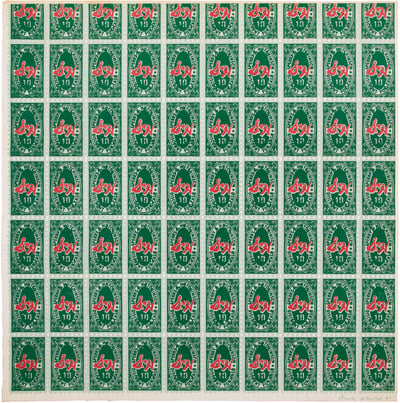
Andy Warhol
S & H Green Stamps, 1965
Limited Edition Print
Offset Print
USD 11,400

Roy Lichtenstein
Composition II, 1996
Limited Edition Print
Screen-print
USD 80,000 - 90,000

Andy Warhol
Tomato Soup, II.46 from Campbell's Soup I, 1968
Limited Edition Print
Screen-print
USD 150,000 - 170,000

Andy Warhol
$ (9), II.285, 1982
Limited Edition Print
Screen-print
USD 200,000 - 250,000
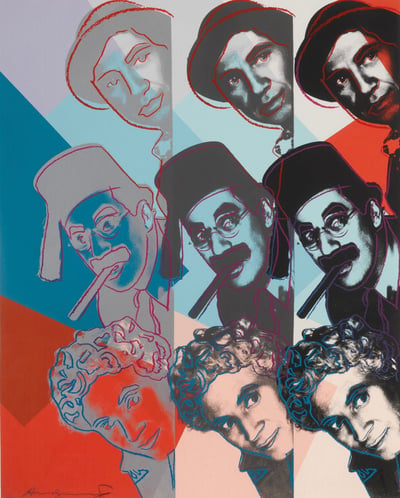
Andy Warhol
The Marx Brothers (F. & S. II.232), 1980
Limited Edition Print
Serigraph
USD 50,000 - 60,000
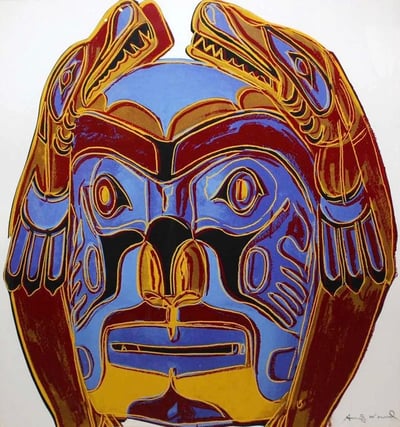
Andy Warhol
Cowboys and Indians: Northwest Coast Mask, II.380, 1986
Limited Edition Print
Screen-print
USD 39,700
Related Articles
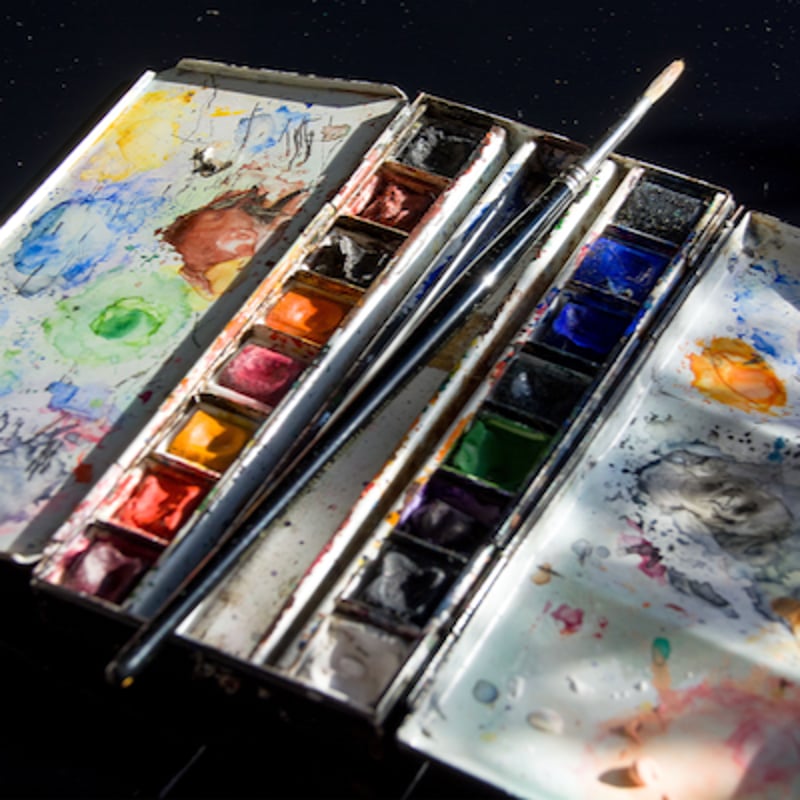
Watercolor refers to both the medium and the resulting artwork created using pigments suspended in a water-soluble vehicle. Watercolors are known for their luminous, transparent appearance because the pigments are applied in pure form with minimal fillers. By adding Chinese white, the watercolor can become opaque, resembling gouache.
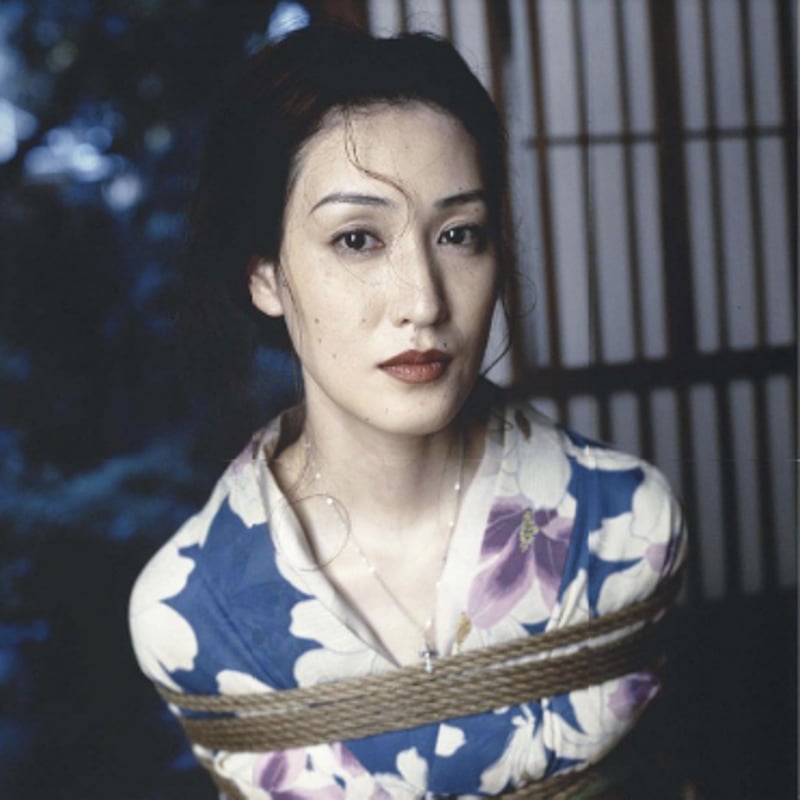
Shock Art is an art movement that uses disturbing images, scents, or sounds to provoke a strong, often shocked, reaction from viewers. It is often regarded as a form of social commentary, with critics and supporters debating whether its impact is positive or negative. Shock Art frequently employs taboo, obscene, or outrageous elements to challenge societal norms and provoke critical thought.
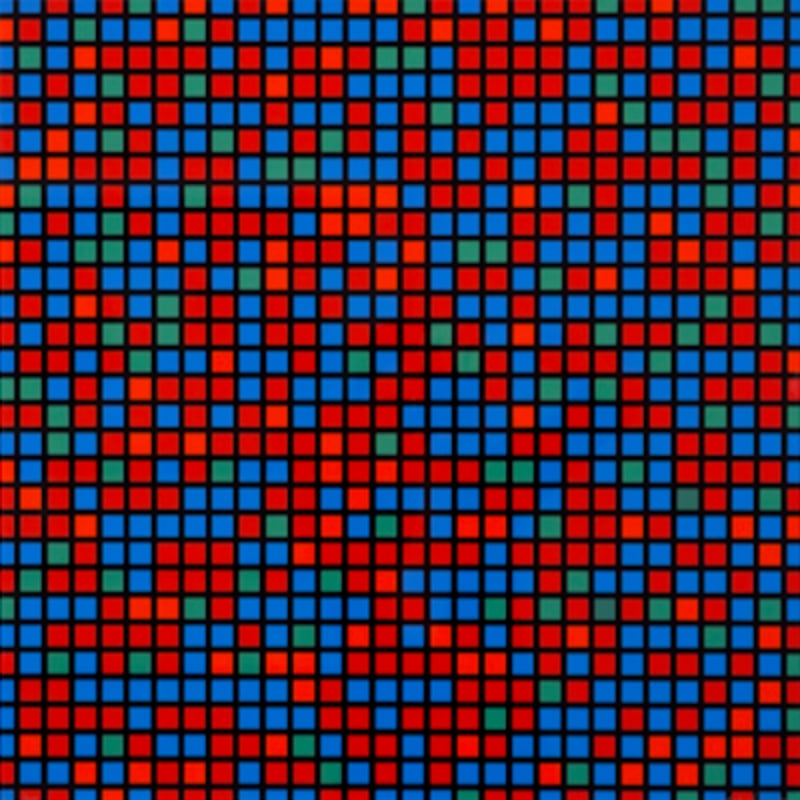
Geometric abstraction is a form of abstract art that uses geometric shapes arranged in a non-illusionistic space (though not always) and combined into non-representational (non-objective) compositions. Based on years of artistic research, some artists have proposed that geometric abstraction offers a solution to modern challenges by rejecting traditional illusionistic practices in favor of clarity and simplicity.
Can't find your Answer?
Thank you! Your question has been sent — we'll get back to you shortly.
