
What is Comic Strip Art?
- Show All
- Established
- Discoveries
- Show All
Artworks Related to Comic Strip art
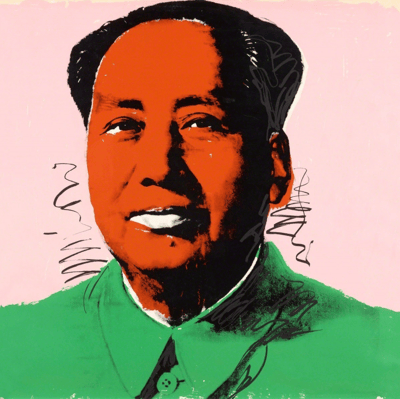
Andy Warhol
Mao (F & S II.94), 1972
Limited Edition Print
Screen-print
USD 45,000 - 55,000
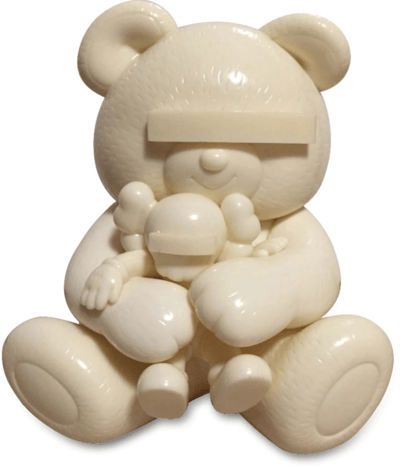
KAWS
Undercover Bear (white), 2009
Sculpture / Object
Mixed Media
Inquire For Price
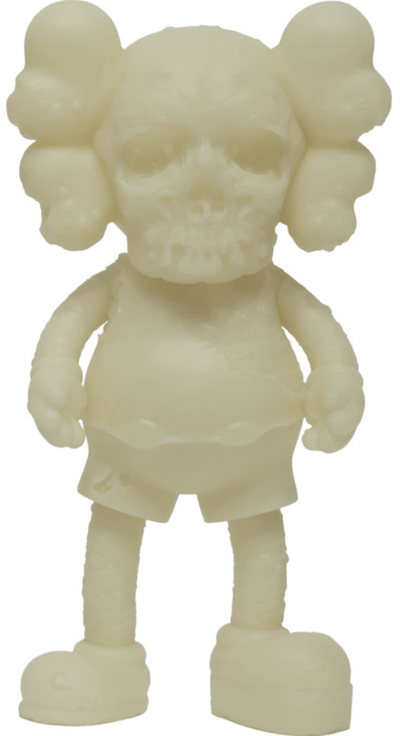
KAWS
Pushead Companion (Glow in the dark), 2006
Sculpture / Object
Mixed Media
Inquire For Price
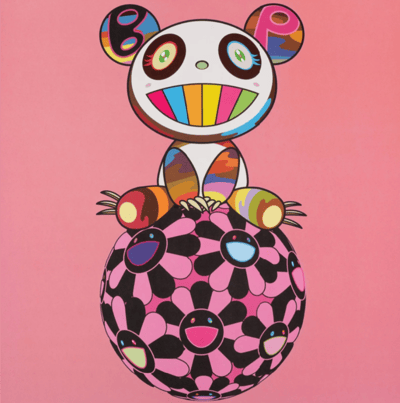
Takashi Murakami
BLACKPINK Pandakashi (Pink), 2023
Limited Edition Print
Mixed Media
GBP 2,390
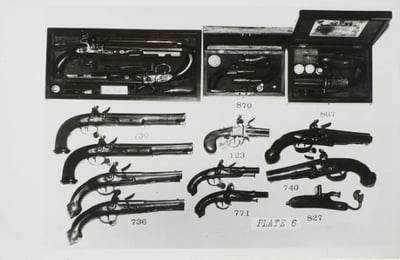
Andy Warhol
Gun Collection Photgraph
Limited Edition Print
Gelatin Silver Print
Inquire For Price
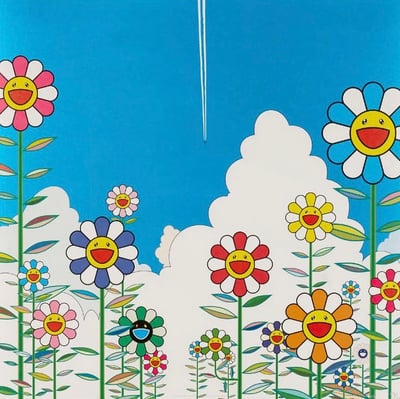
Takashi Murakami
Vapor Trail, 2004
Limited Edition Print
Offset Print
GBP 5,400
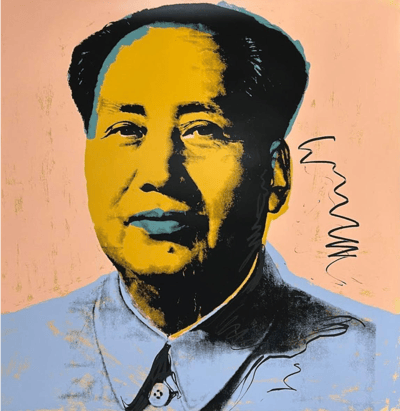
Andy Warhol
Mao (F & S II.92), 1972
Limited Edition Print
Screen-print
USD 45,000 - 55,000
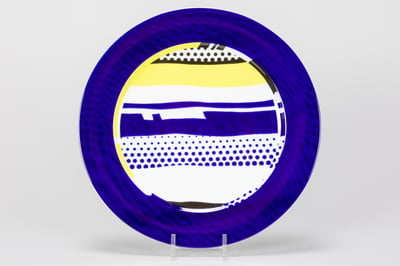
Roy Lichtenstein
Rosenthal plate 2, 2000
Sculpture / Object
Plate
EUR 750
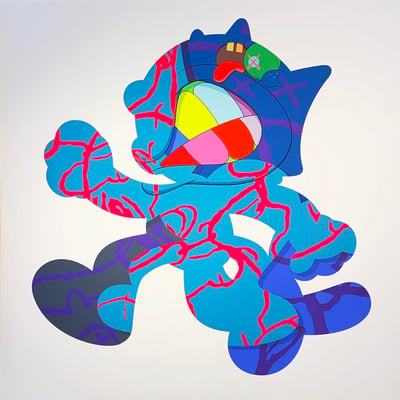
KAWS
Ankle Bracelet, 2017
Limited Edition Print
Silkscreen
USD 45,000 - 50,000
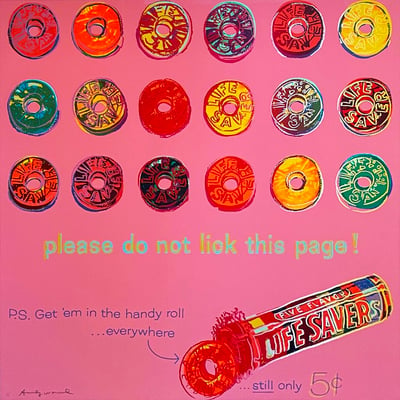
Andy Warhol
Ads: Life Savers, II.353, 1985
Limited Edition Print
Screen-print
USD 120,000 - 150,000
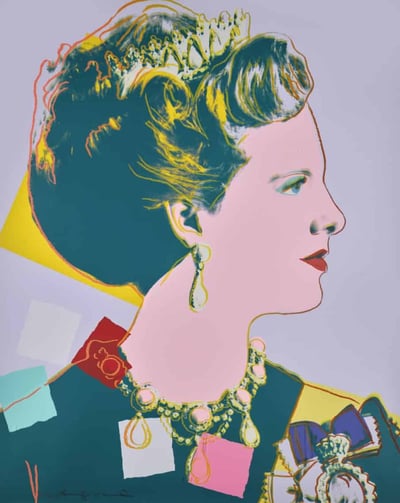
Andy Warhol
Queen Margrethe II of Denmark, FS II. 342A, 1985
Limited Edition Print
Screen-print
USD 50,000 - 60,000
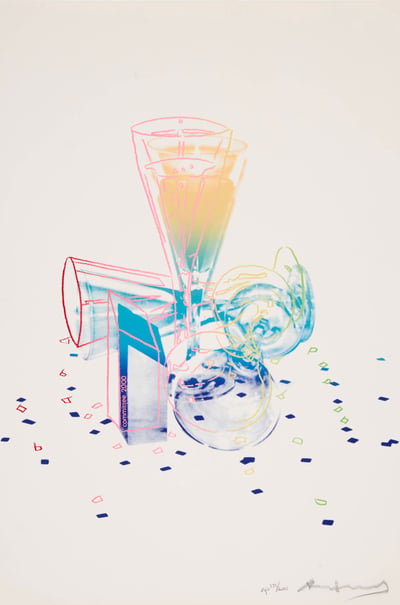
Andy Warhol
Committee 2000, II.289, 1982
Limited Edition Print
Screen-print
USD 16,850
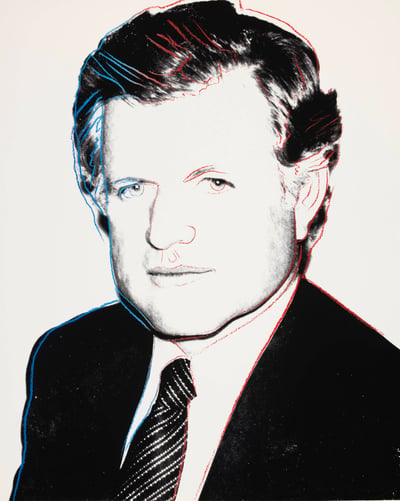
Andy Warhol
Edward Kennedy FS II.240, 1980
Limited Edition Print
Screen-print
Inquire For Price
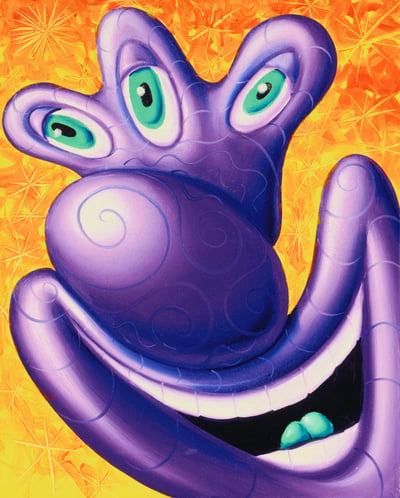
Kenny Scharf
Untitled (from the Seven Prints by Seven Artists portfolio), 2008
Limited Edition Print
Mixed Media
Inquire For Price
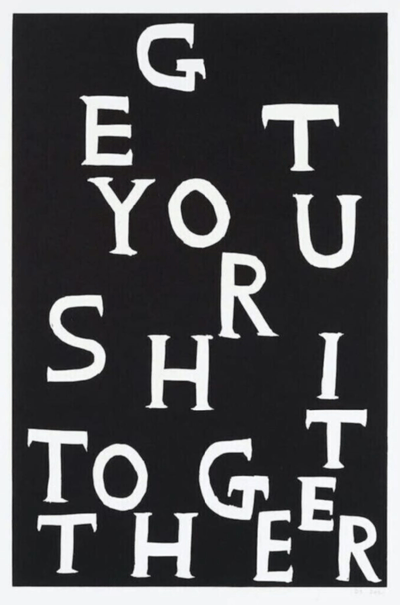
David Shrigley
Get Your Shit Together, 2021
Limited Edition Print
Linocut
USD 8,000 - 10,000
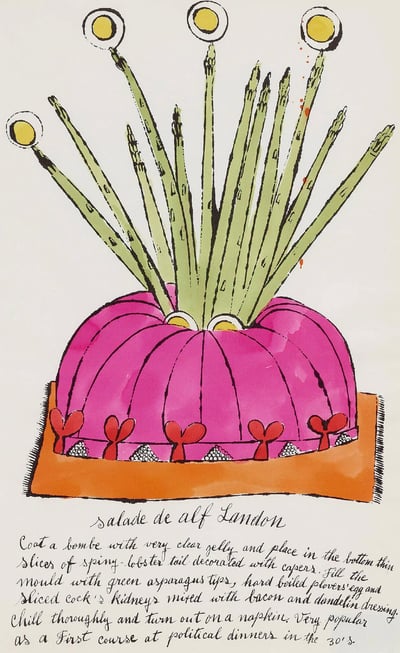
Andy Warhol
Salade de alf Landon (Wild Raspberries IV.128A), 1959
Limited Edition Print
Offset Print
Inquire For Price
Related Articles
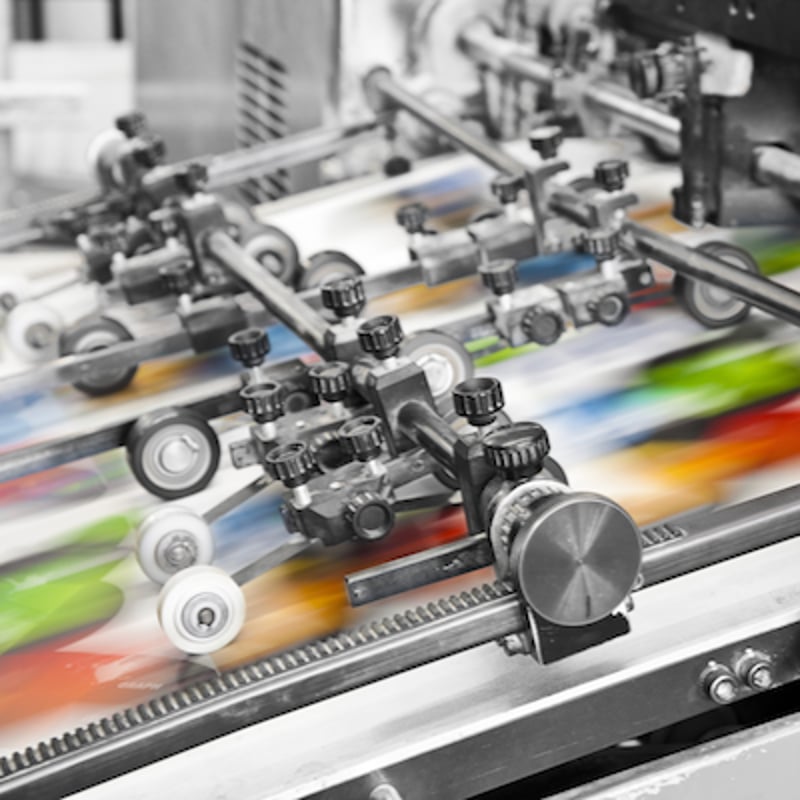
Offset lithography is a printing technique where the inked image is first transferred (offset) from a plate to a rubber blanket and then to the printing surface. This method combines the lithographic process, which relies on the repulsion of water and oil, to keep non-printing areas ink-free by attracting a water-based film. Offset lithography was originally developed to reduce costs in reproducing artwork and is widely used for high-volume printing due to its efficiency and ability to produce sharp, consistent images.
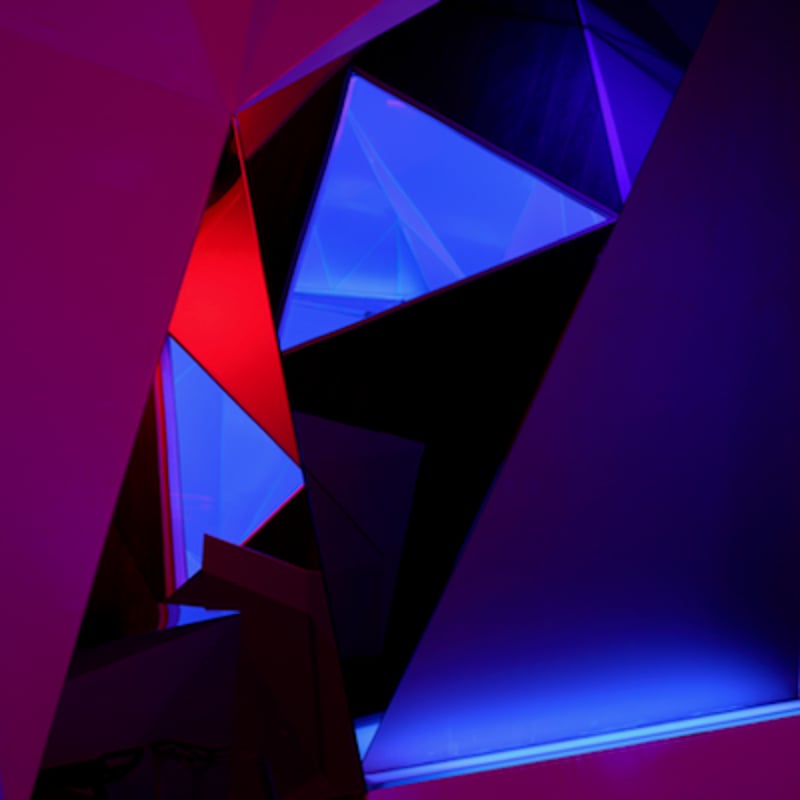
Light art refers to artworks that use light as the primary medium. These can include sculptures or installations that interact with the natural or urban environment. Light art can be suspended, in relief, ground-based, permanent, or temporary. There are two main types of light art: one displayed indoors in galleries and another exhibited outdoors. Light art has been used throughout human history, from ancient times to contemporary public installations.
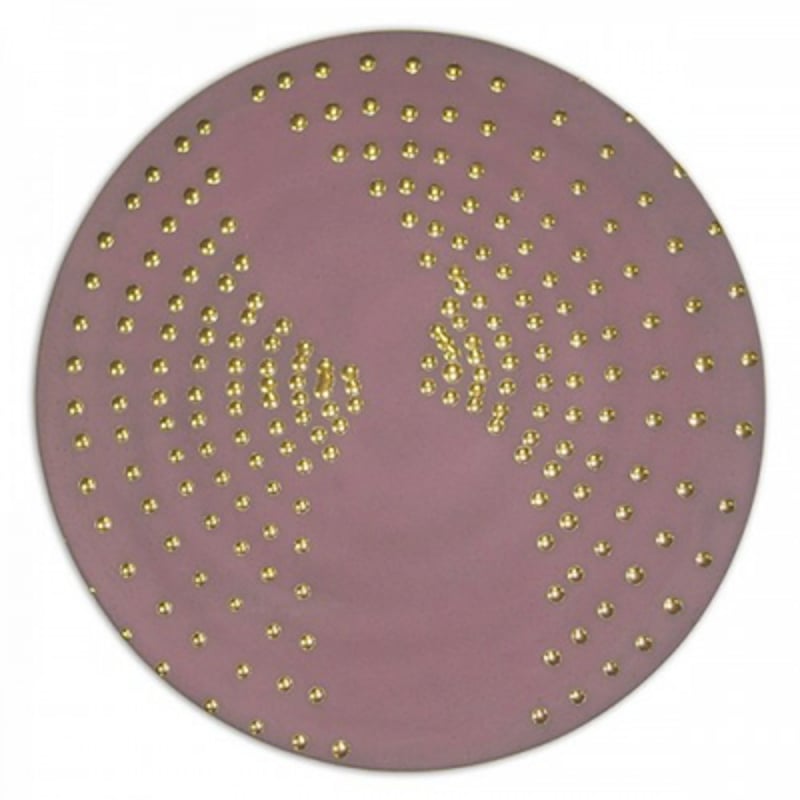
ZERO was an art movement founded by Otto Piene and Heinz Mack, aiming to develop into a large international and cross-border movement. The name ZERO originated from a magazine founded by Heinz Mack in 1957, which became a platform for the group's ideas. The magazine was published for several years before ceasing in 1967. The ZERO movement sought to create a new beginning in art, emphasizing light, space, and movement, and became influential in post-war European art.
Can't find your Answer?
Thank you! Your question has been sent — we'll get back to you shortly.
