
What is action painting?
Action Painting is a style of painting where the physical act of creating art—such as gestural brushstrokes, splashing or dripping paint, or moving and dancing while applying paint—is considered essential to the artwork itself. This approach emphasizes the artist's movement and spontaneity as integral to the creative process.
Show All
- Show All
- Established
- Discoveries
Show All
- Show All
Artworks Related to Action painting
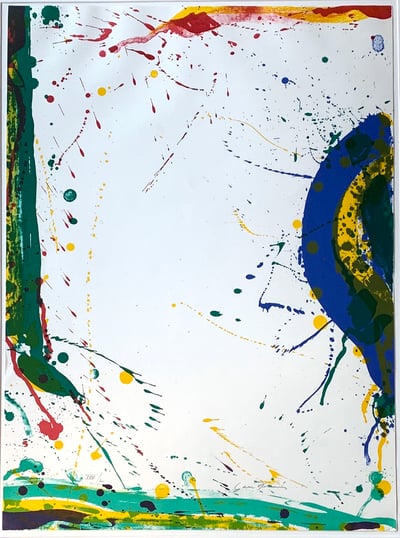
Sam Francis
Untitled (SF-315), 1986
Limited Edition Print
Lithograph
USD 8,500
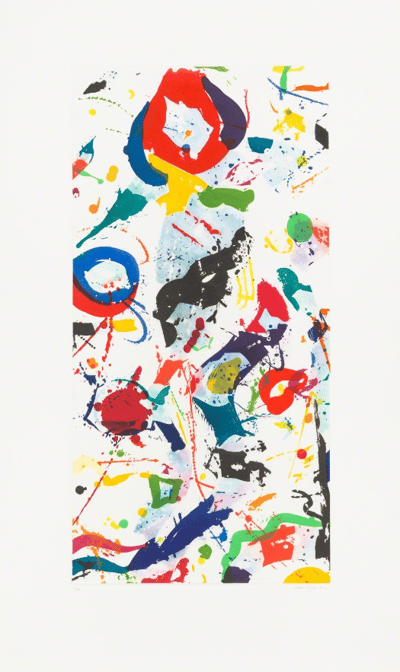
Sam Francis
SFE 079, 1992
Limited Edition Print
Etching
Currently Not Available
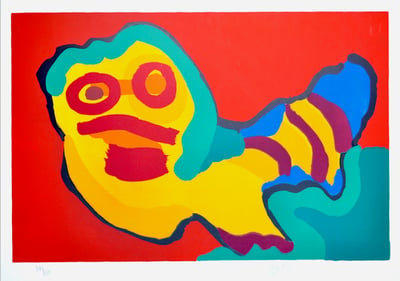
Karel Appel
Sunshine people, 1974
Limited Edition Print
Silkscreen
USD 1,700
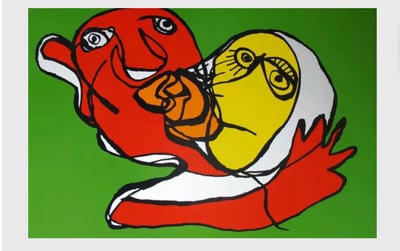
Karel Appel
Putting green kiss , 1978
Limited Edition Print
Silkscreen
USD 1,750
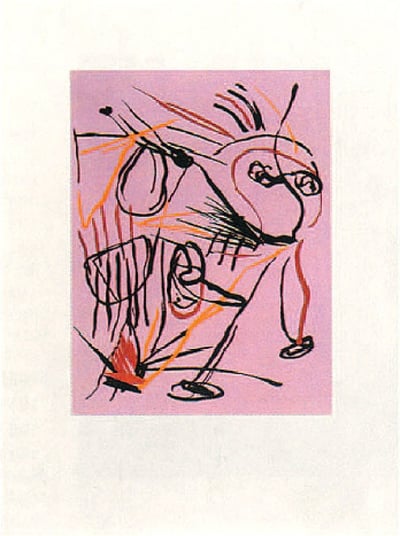
Karel Appel
Como el Viento, 1988
Limited Edition Print
Etching and Aquatint
EUR 1,700
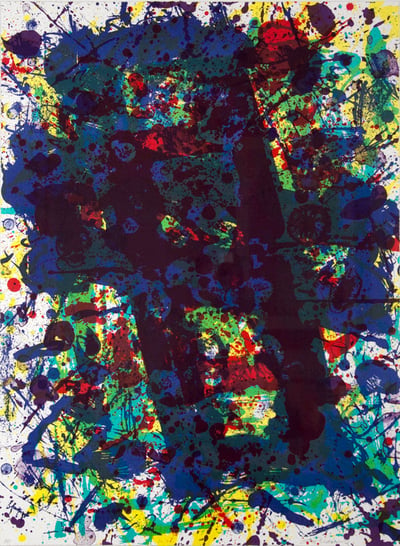
Sam Francis
Untitled from the Papierski Portfolio, 1992
Limited Edition Print
Lithograph
EUR 6,000
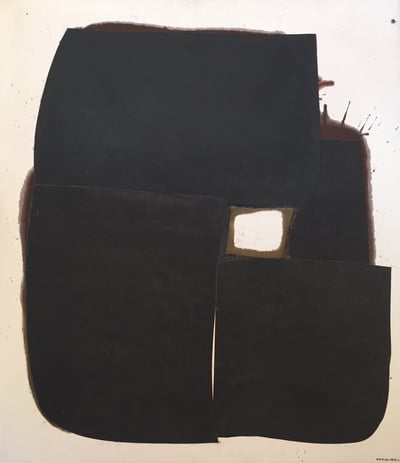
Conrad Marca-Relli
F-M-2-67, 1967
Painting
Mixed Media
USD 60,000
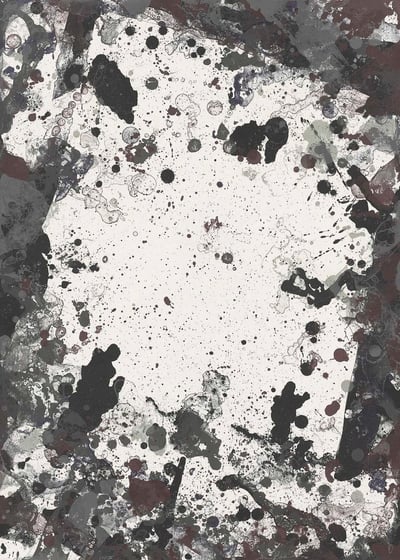
Sam Francis
Metal Line, 1971
Limited Edition Print
Lithograph
USD 8,500

Joan Mitchell
Tree I, 1990
Limited Edition Print
Lithograph
Currently Not Available
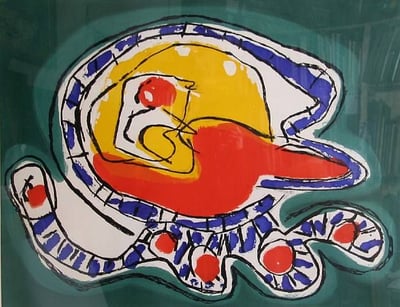
Karel Appel
Tete montagne I, 1976
Limited Edition Print
Aquatint
EUR 2,350
Related Articles
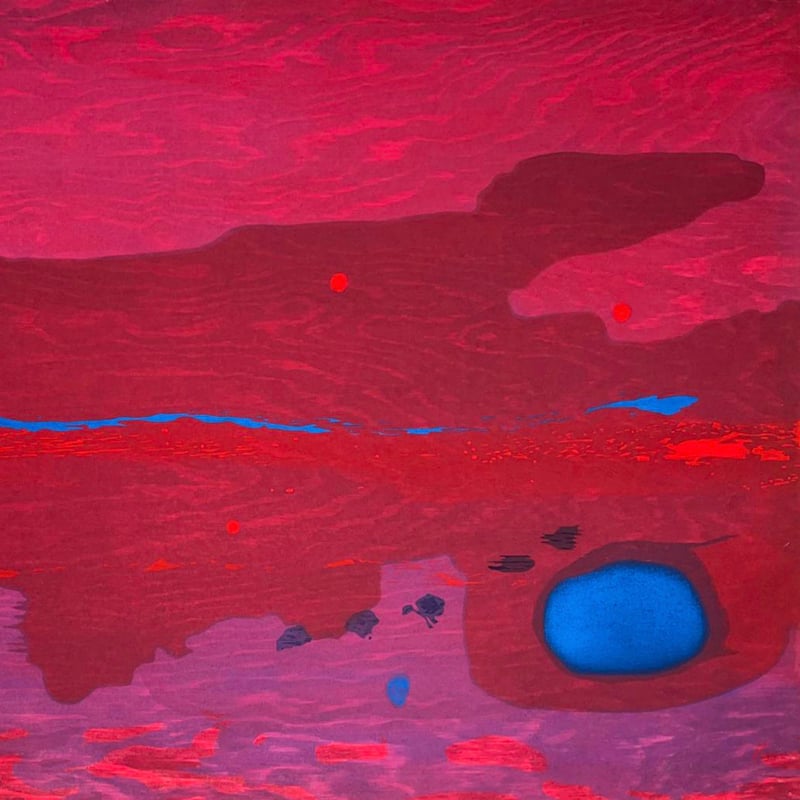

Process Art is an artistic movement and creative approach where the focus is on the act of creation rather than the final product. The term process in this context refers to the various stages of art-making, including gathering, sorting, associating, and organizing materials and actions. This movement emphasizes the artistic journey and the human expression involved in creating art, rather than the finished piece itself. Process Art is driven by inherent motivation, intentionality, and the rationale behind the actions, viewing the creative process as the true artwork.
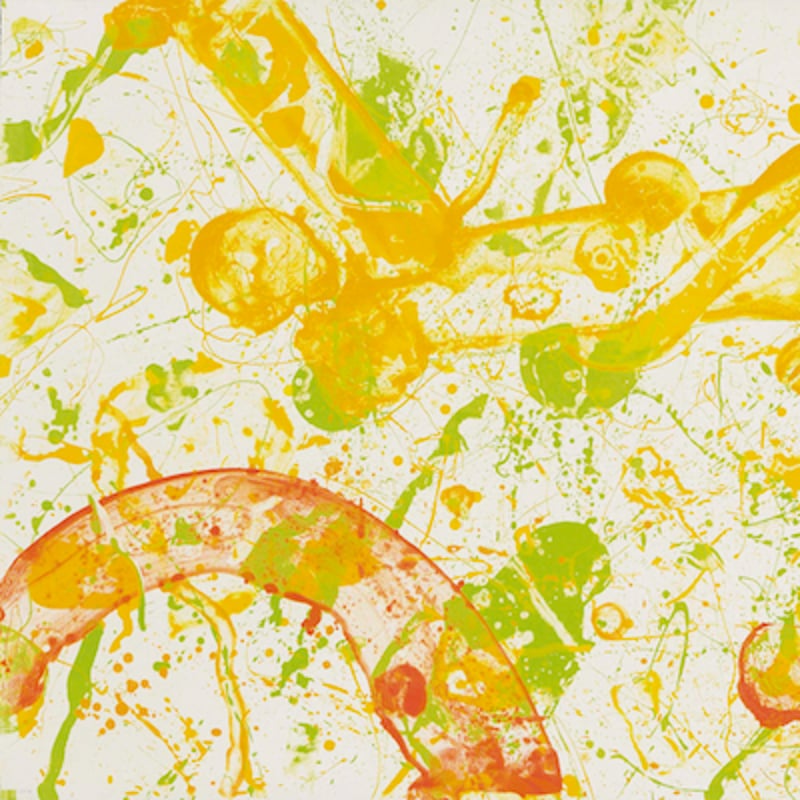
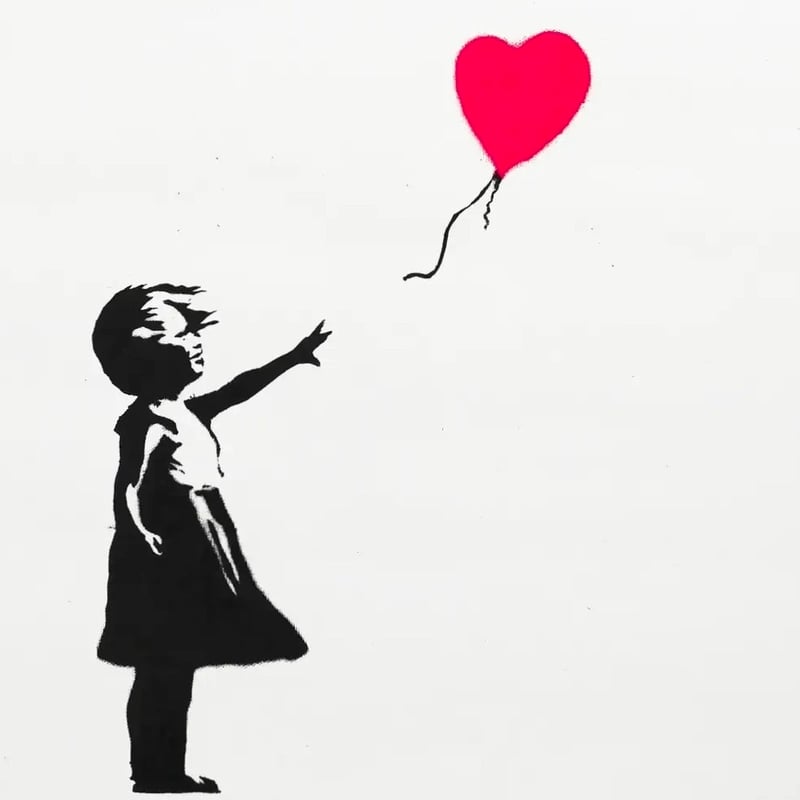
Tachisme is a French abstract painting style that gained popularity between 1940 and 1950, often seen as the European counterpart to Abstract Expressionism. However, there are stylistic differences between the two. Tachisme, which emerged from Art Informel, rejected geometric abstraction in favor of more intuitive and spontaneous expression. It was a reaction against the structured forms of Cubism and is closely related to Informalism. Tachisme emphasizes gestural brushwork, irregular forms, and a focus on the process of painting itself.
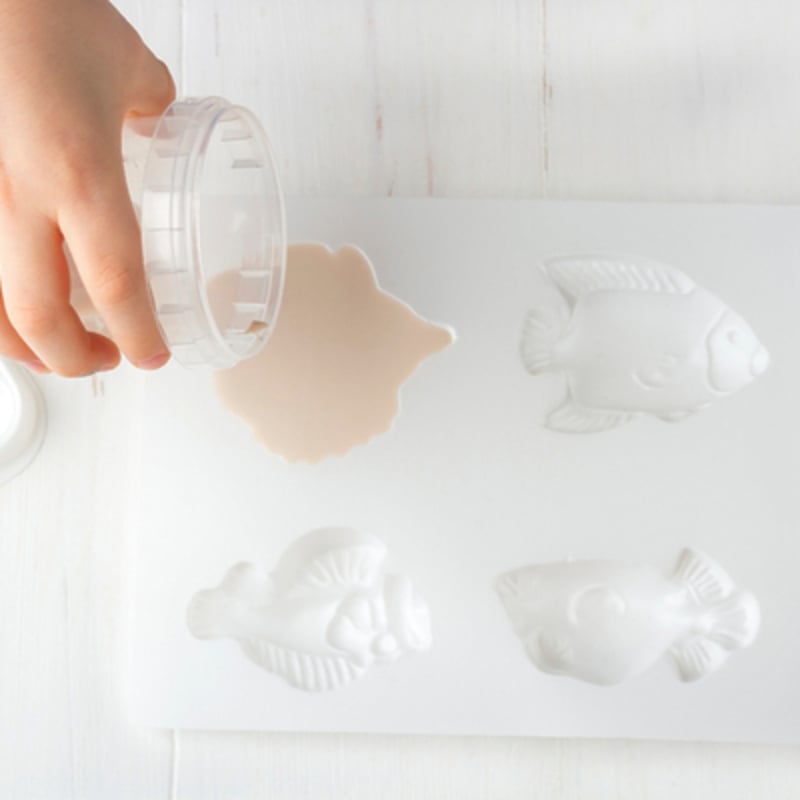
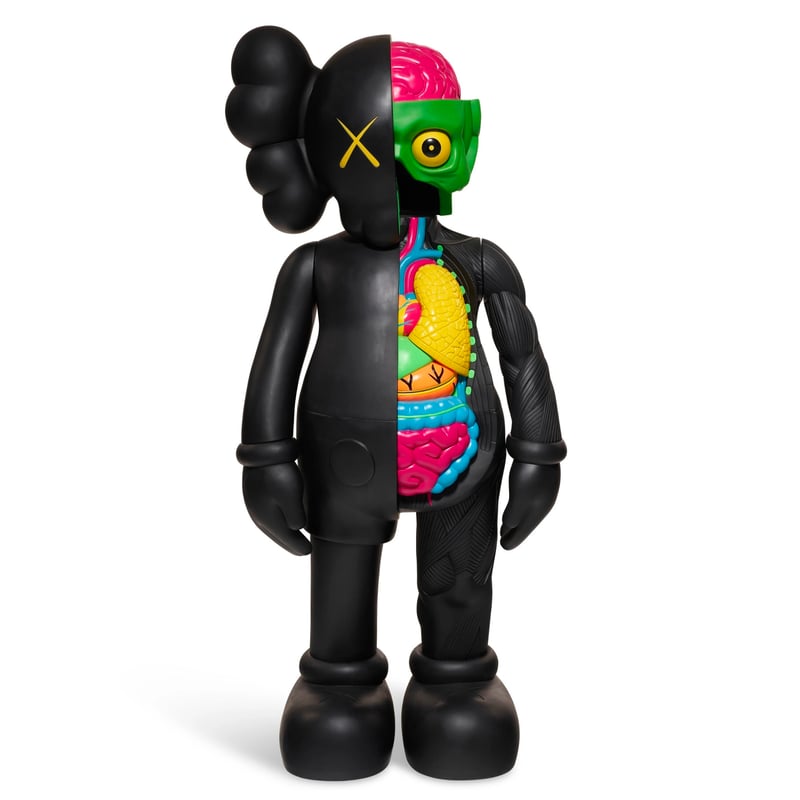
A cast is a form created by pouring a liquid material, such as plastic, plaster, acrylic, concrete, or mixed media, into a mold. Once the liquid cools and fully solidifies, the cast is removed from the mold, revealing the final shape. This process is widely used in sculpture, manufacturing, and various forms of art to replicate intricate designs and shapes.
Can't find your Answer?
Thank you! Your question has been sent — we'll get back to you shortly.
