What is abstract expressionism?
- Show All
- Established
- Discoveries
- Show All
Artworks Related to Abstract expressionism
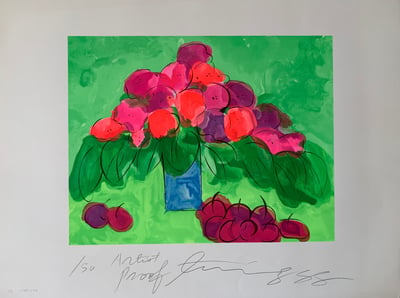
Walasse Ting
I Love Cherries and Flowers, 1980
Limited Edition Print
Lithograph
Currently Not Available
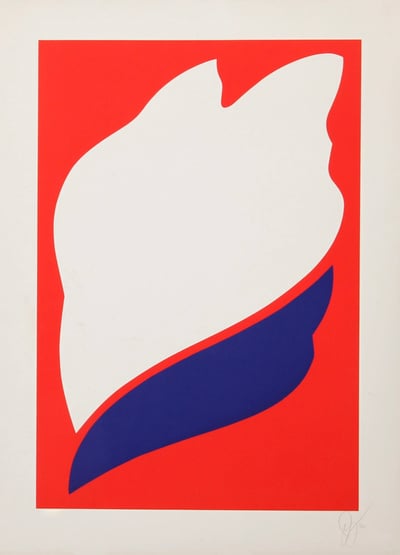
Jack Youngerman
Peace, 1973
Limited Edition Print
Silkscreen
EUR 1,700
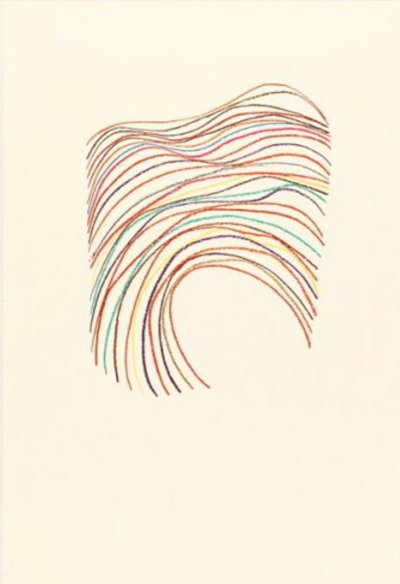
León Ferrari
Mod. 13, 2009
Limited Edition Print
Lithograph
EUR 1,000
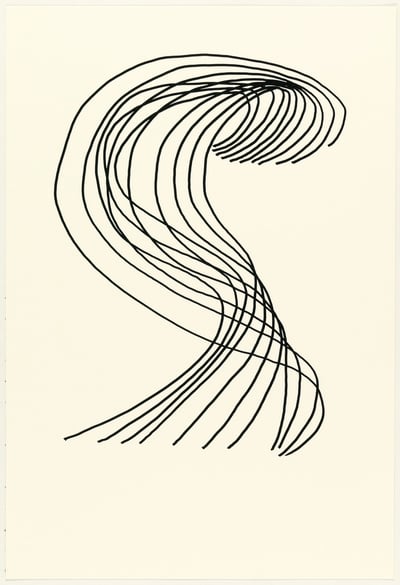
León Ferrari
Mod. 4, 2009
Limited Edition Print
Lithograph
EUR 1,000
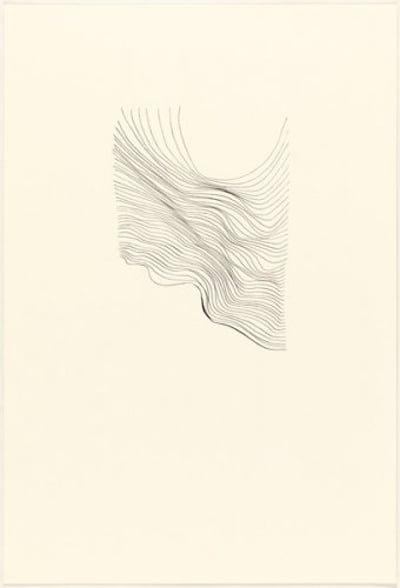
León Ferrari
Mod. 3, 2009
Limited Edition Print
Lithograph
EUR 1,000
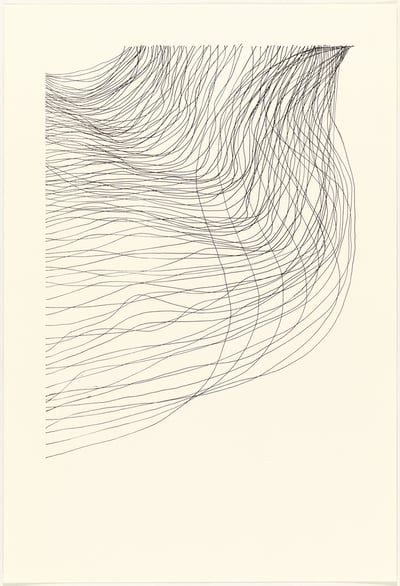
León Ferrari
Mod. 2, 2009
Limited Edition Print
Lithograph
EUR 1,000
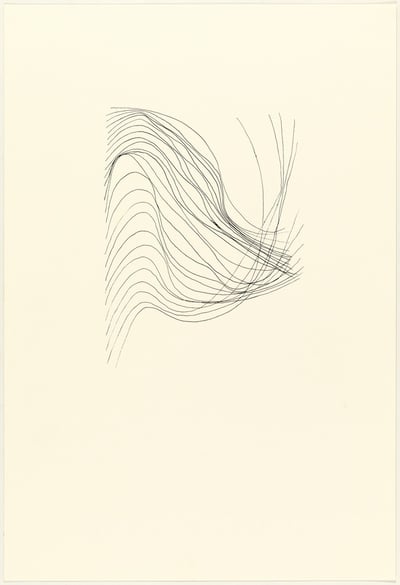
León Ferrari
Mod. 1, 2009
Limited Edition Print
Lithograph
EUR 1,000
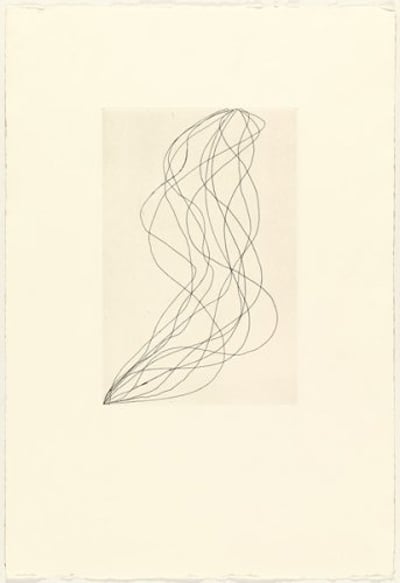
León Ferrari
Mod. 2, 2009
Limited Edition Print
Etching
EUR 1,000
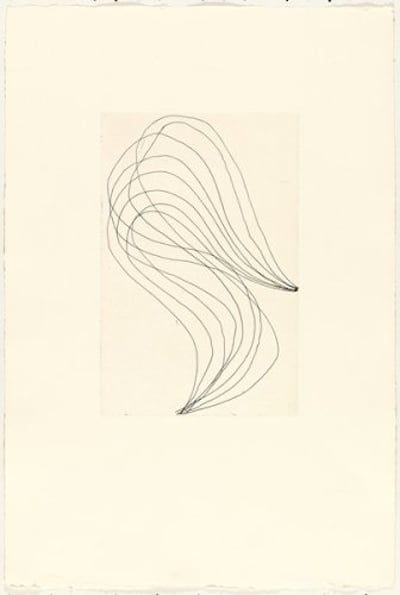
León Ferrari
Mod. 1, 2009
Limited Edition Print
Etching
EUR 1,000
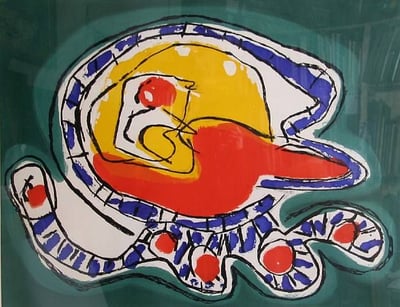
Karel Appel
Tete montagne I, 1976
Limited Edition Print
Aquatint
EUR 2,350
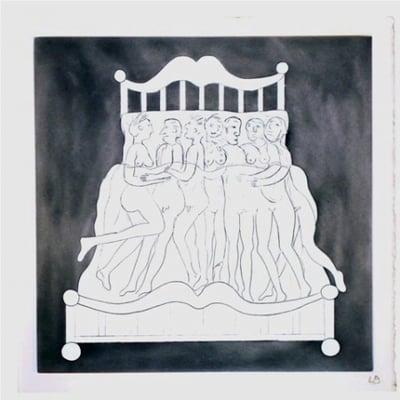
Louise Bourgeois
Metamorfosis V, 1999
Limited Edition Print
Etching
Currently Not Available

Louise Bourgeois
Metamorfosis I , 1999
Limited Edition Print
Etching
Currently Not Available
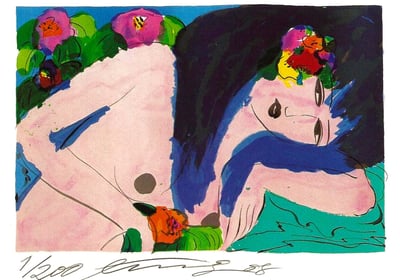
Walasse Ting
Untitled WT EP 20, 1985
Limited Edition Print
Lithograph
EUR 1,490

Pierre Alechinsky
Vol Augural, 1990
Limited Edition Print
Etching
EUR 22,000
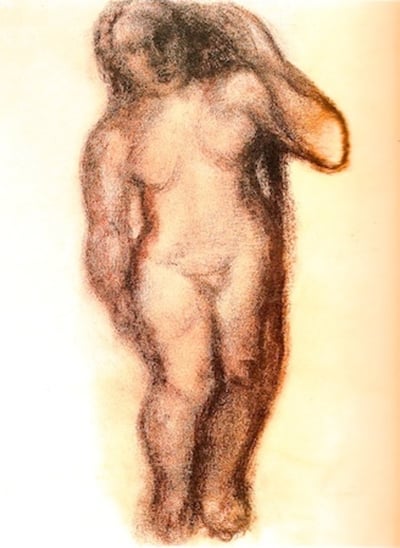
Constant Permeke
Naakt, 1938
Drawing / Watercolor
Mixed Media
EUR 10,000 - 14,000
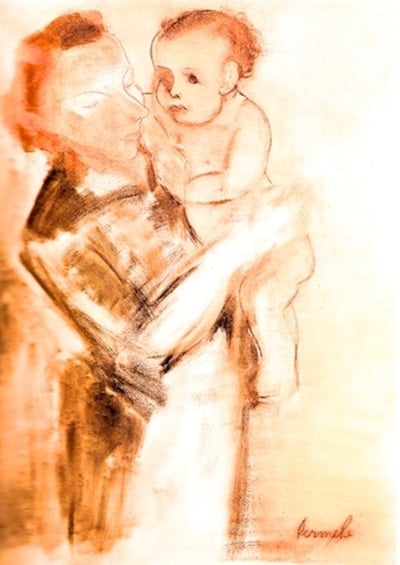
Constant Permeke
Moederschap, 1949
Drawing / Watercolor
Mixed Media
EUR 30,000 - 40,000
Related Articles
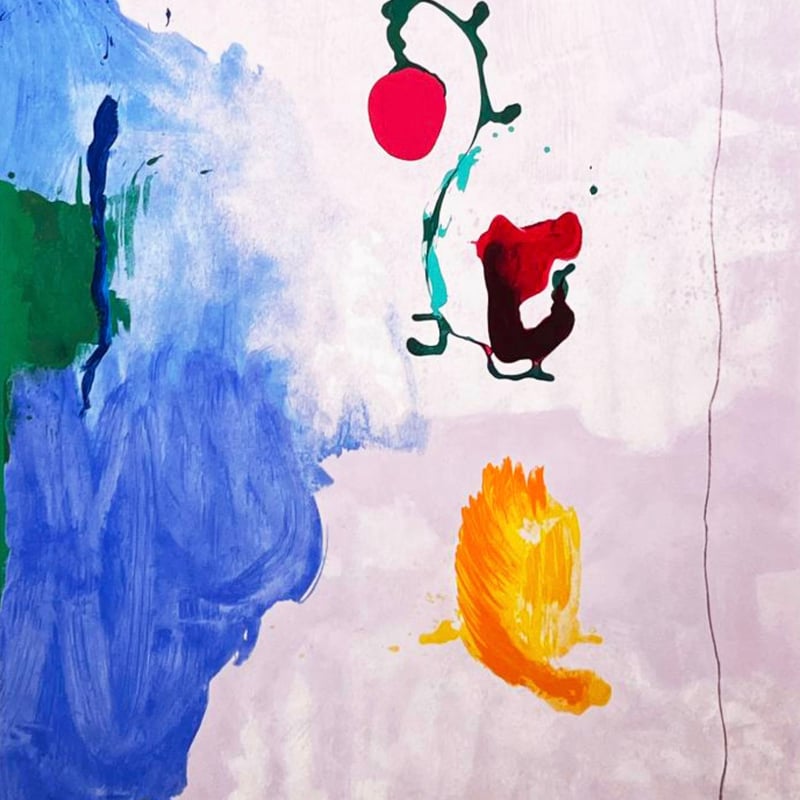
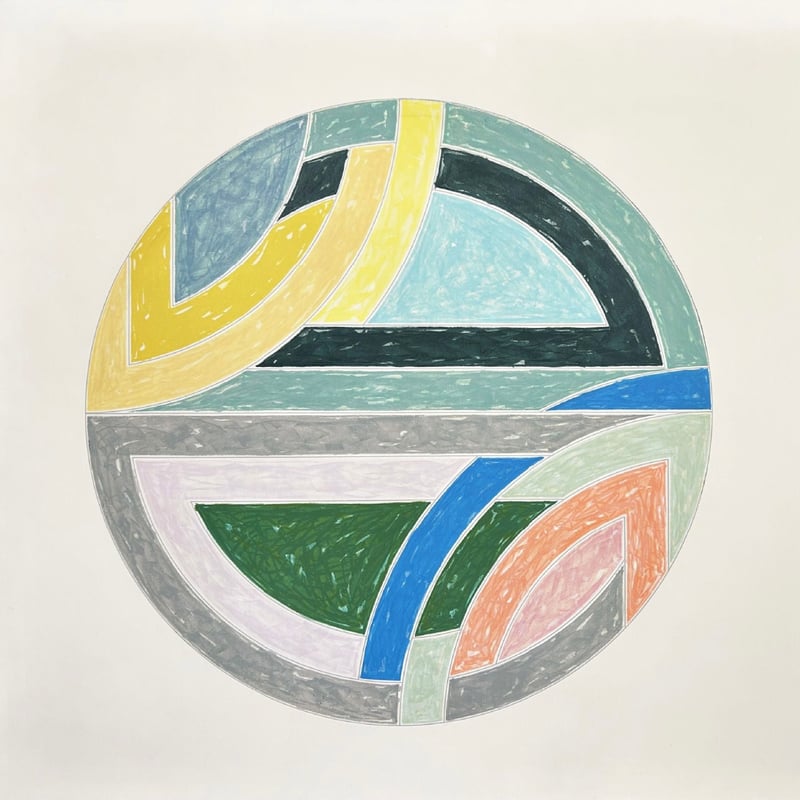

Textile refers to a flexible material made by weaving, felting, crocheting, knitting, or knotting long strands of natural or synthetic yarn or thread. Textile artists often create their own materials or use selected textiles in fabric art compositions, incorporating a wide range of textures and patterns.

Installation art is a three-dimensional artistic genre that involves site-specific works designed to alter the viewer's perception of space. These works are typically created for interior spaces, such as museums and galleries, but can also be found in private and public locations. Installation art can be temporary or permanent, depending on its purpose and setting.
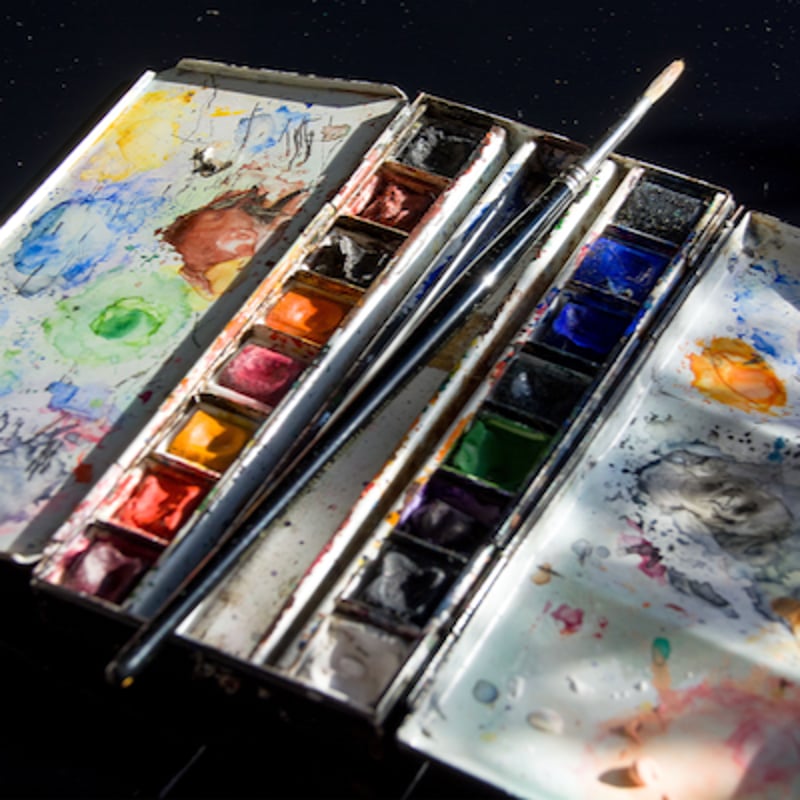
Watercolor refers to both the medium and the resulting artwork created using pigments suspended in a water-soluble vehicle. Watercolors are known for their luminous, transparent appearance because the pigments are applied in pure form with minimal fillers. By adding Chinese white, the watercolor can become opaque, resembling gouache.
Can't find your Answer?
Thank you! Your question has been sent — we'll get back to you shortly.
