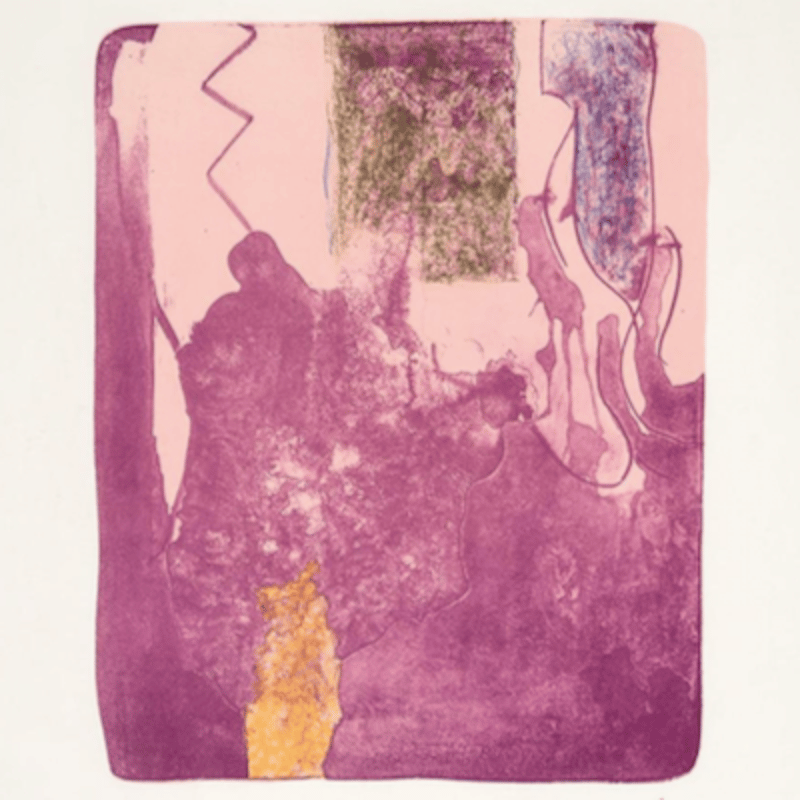
What is abstract expressionism?
- Show All
- Established
- Discoveries
- Show All
Artworks Related to Abstract expressionism
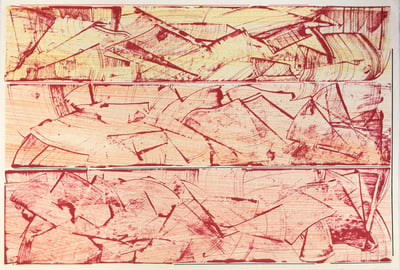
Kenneth Noland
Rey, 1990
Limited Edition Print
Lithograph
USD 1,500
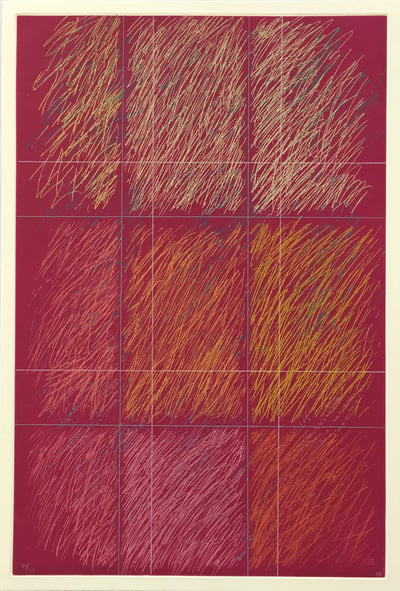
Kenneth Noland
Roy, 1990
Limited Edition Print
Etching and Aquatint
USD 1,500
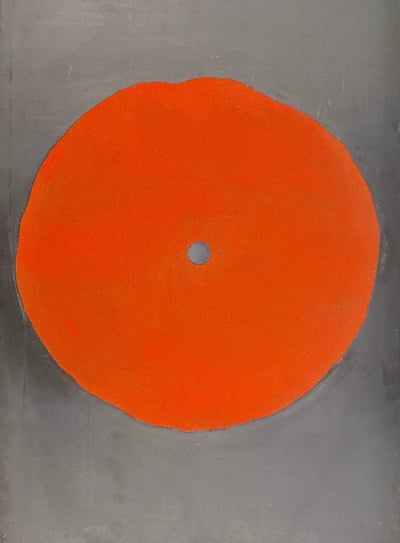
Donald Sultan
Sand Trumpet, 2008
Limited Edition Print
Mixed Media
USD 8,970
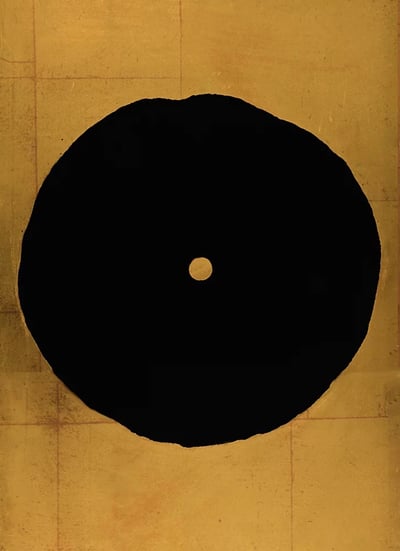
Donald Sultan
Black Trumpet, 2008
Limited Edition Print
Screen-print
EUR 8,500 - 10,000
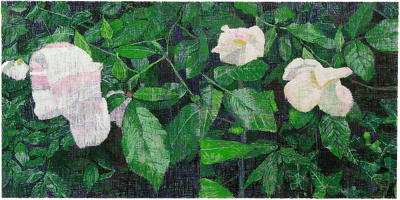
Jennifer Bartlett
White Roses, 2013
Limited Edition Print
Serigraph
Currently Not Available
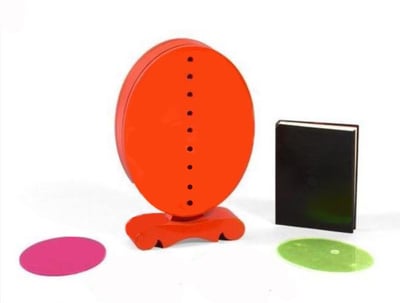
Lucio Fontana
Portrait D'antonin Artaud, 1968
Sculpture / Object
Mixed Media
Currently Not Available
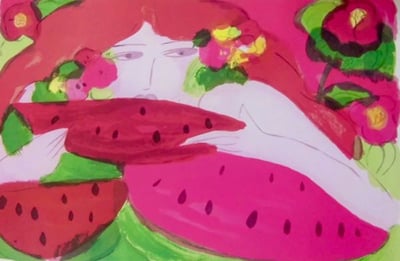
Walasse Ting
Untitled WT EP 17, 1985
Limited Edition Print
Lithograph
EUR 1,450
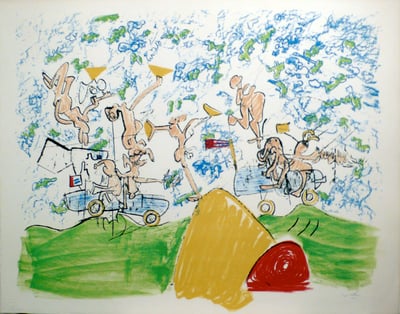
Roberto Matta
Fog Gog Magog (2), 1971
Limited Edition Print
Lithograph
USD 1,500
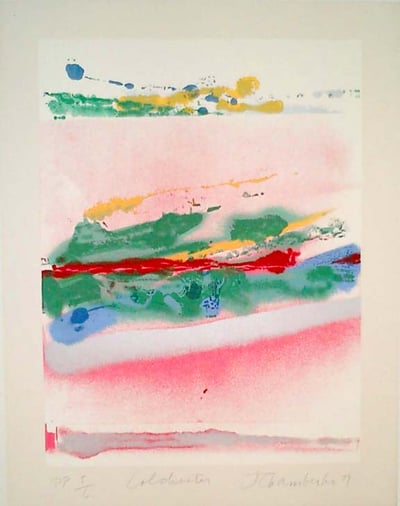
John Chamberlain
Coldchester, 1979
Limited Edition Print
Lithograph
USD 5,500
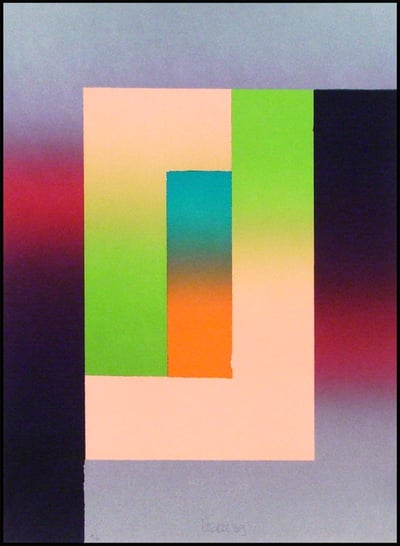
Larry Bell
Barcelona #5, 1988
Limited Edition Print
Lithograph
Currently Not Available
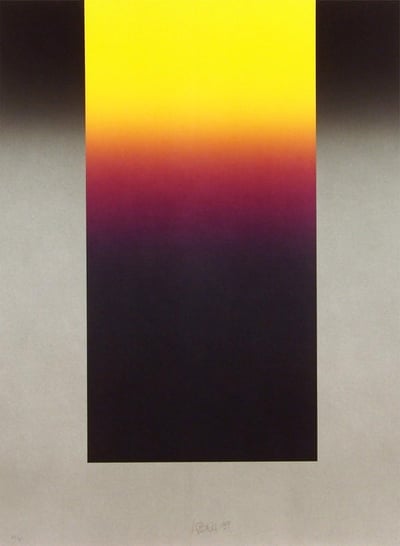
Larry Bell
Barcelona #10, 1988
Limited Edition Print
Lithograph
Currently Not Available
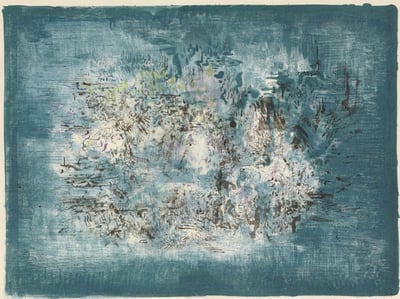
Zao Wou-Ki
Petit Jardin, 1956
Limited Edition Print
Lithograph
EUR 10,000
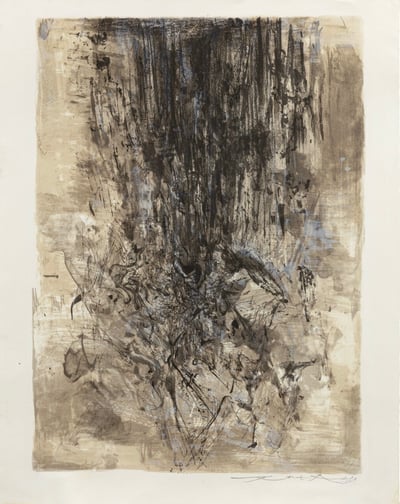
Zao Wou-Ki
Untitled (A. 127), 1960
Limited Edition Print
Lithograph
EUR 5,000
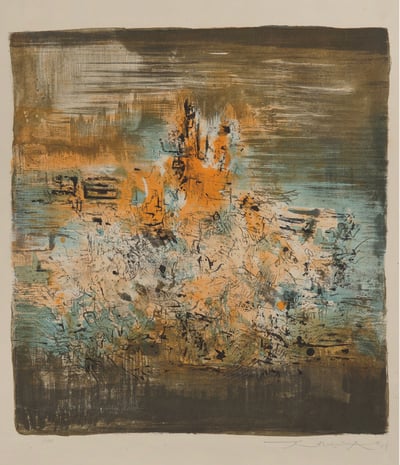
Zao Wou-Ki
Untitled (A.121), 1959
Limited Edition Print
Lithograph
EUR 10,000
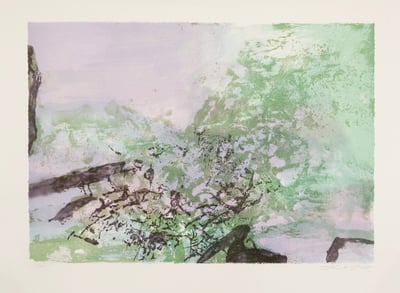
Zao Wou-Ki
Untitled (A. 394), 1998
Limited Edition Print
Lithograph
EUR 6,000
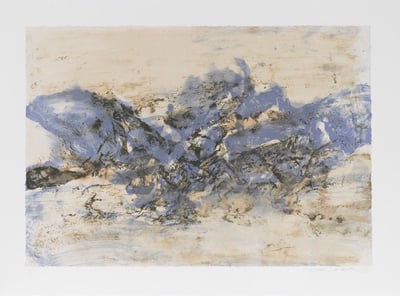
Zao Wou-Ki
Untitled (A. 390), 1998
Limited Edition Print
Lithograph
EUR 6,000
Related Articles
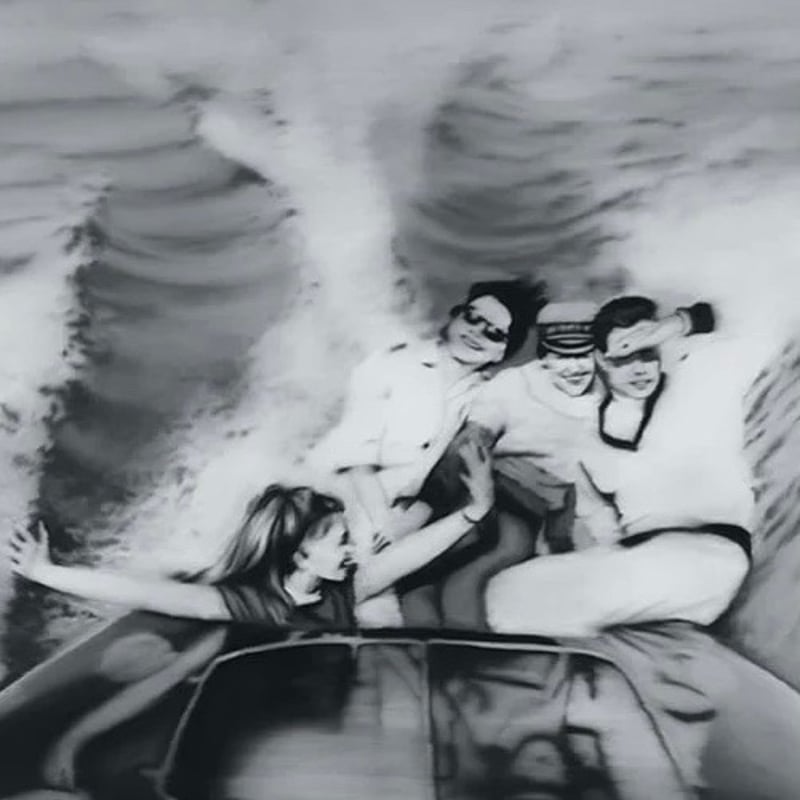
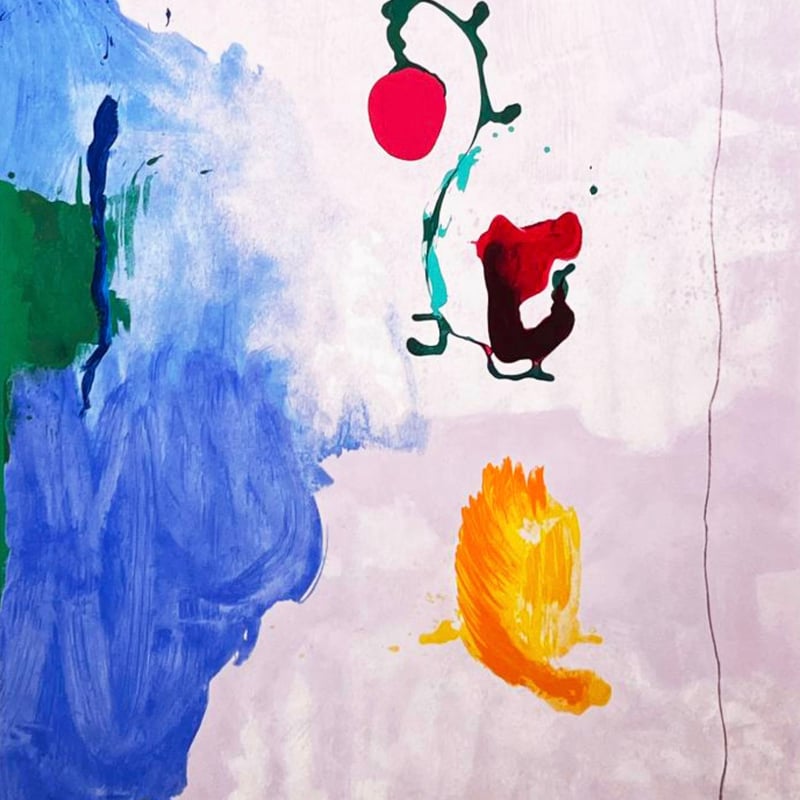
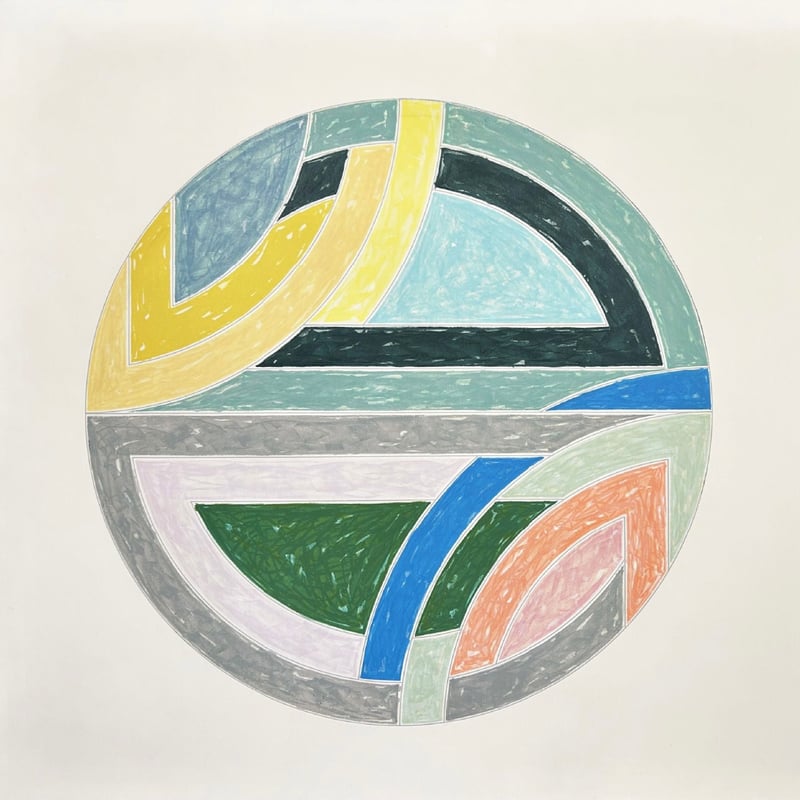
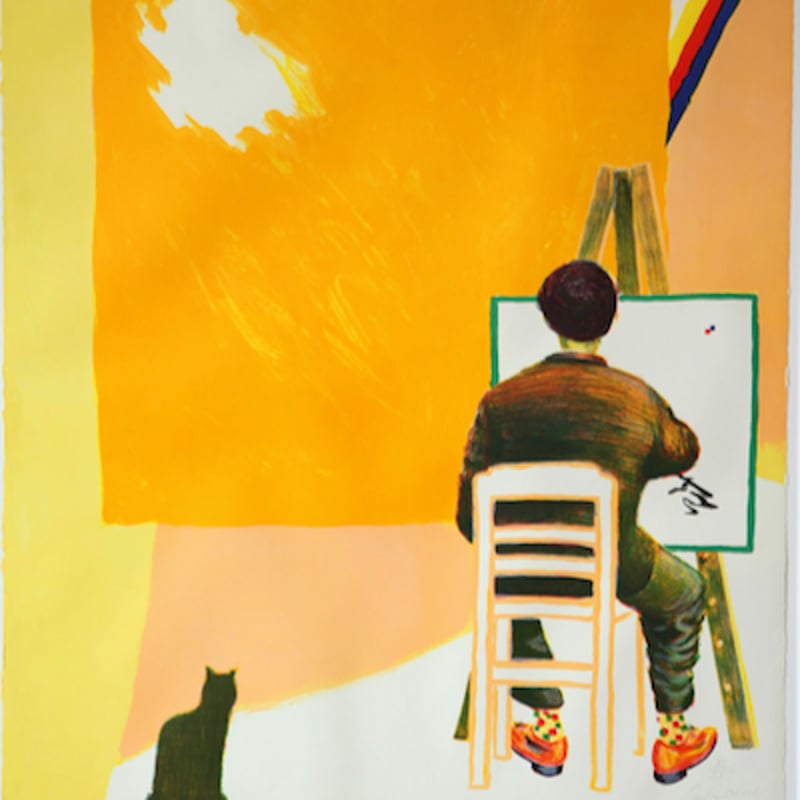
Neo-Figurative Art is a collective term that refers to the revival of figurative art in America and Europe during the 1960s, following a period dominated by abstraction. Michel Ragon, a French art critic, argued that this resurgence of figuration occurred during a critical time of social and political upheaval in both regions.

A Polaroid print is an instant photograph produced using a Polaroid camera, which develops the image immediately after exposure. The camera's internal processing allows the photograph to develop and appear within minutes. The term Polaroid is also used more generally to refer to instant photographs and films produced by similar technologies.

Performance Art is a genre of fine art that is traditionally interdisciplinary, involving various art forms. It can be scripted or unscripted, random or carefully orchestrated, spontaneous, or meticulously planned, with or without audience participation. Performance Art can be presented live or through media, with the artist either present or absent. It typically involves four basic elements: space, the performer’s body or presence through a medium, time, and the relationship between performer and audience. The artwork consists of actions performed by an individual or group in a specific time and space.
Can't find your Answer?
Thank you! Your question has been sent — we'll get back to you shortly.
