What is abstract expressionism?
- Show All
- Established
- Discoveries
- Show All
Artworks Related to Abstract expressionism
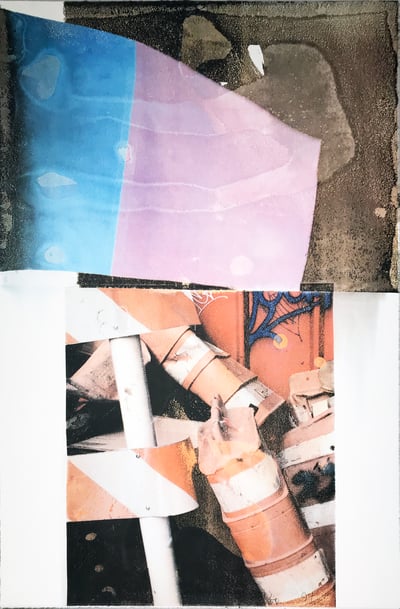
Robert Rauschenberg
Tribute 21: Art, 1994
Limited Edition Print
Lithograph
USD 4,950
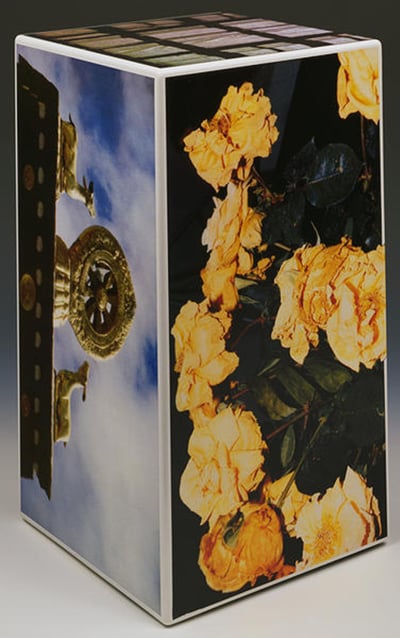
Robert Rauschenberg
Tibetan Keys (Rectangle), 1987
Sculpture / Object
Mixed Media
USD 14,250
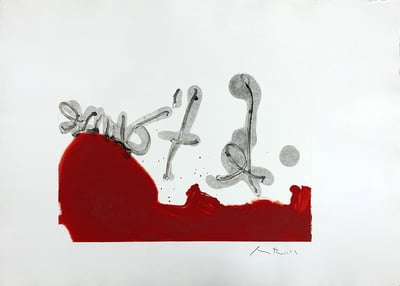
Robert Motherwell
Untitled (Gesture #6), 1976
Limited Edition Print
Etching
USD 11,900
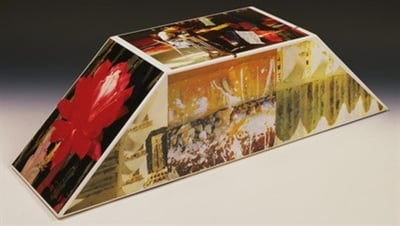
Robert Rauschenberg
Tibetan Keys (Double Bevel), 1987
Sculpture / Object
Mixed Media
USD 16,500
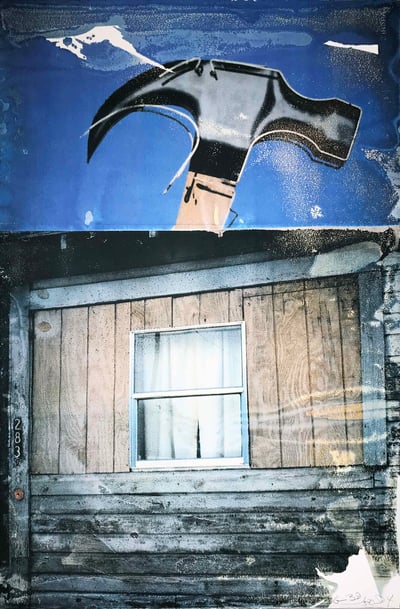
Robert Rauschenberg
Tribute 21: Labor, 1994
Limited Edition Print
Lithograph
USD 6,750
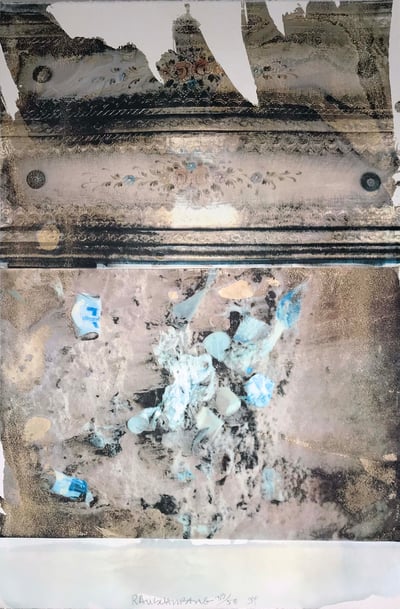
Robert Rauschenberg
Tribute 21: Cinema, 1994
Limited Edition Print
Lithograph
USD 4,950

Robert Rauschenberg
Relic (Speculations), 1997
Limited Edition Print
Screen-print
USD 11,900
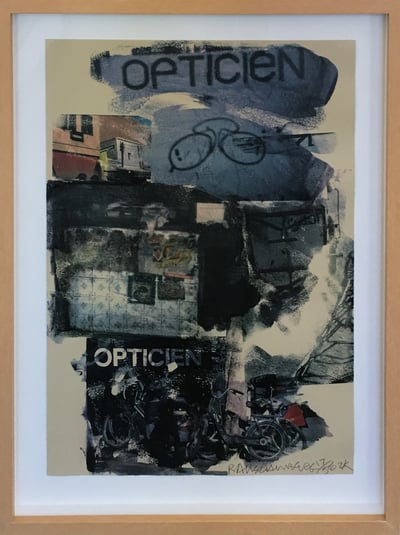
Robert Rauschenberg
Site, 2000
Limited Edition Print
Lithograph
USD 6,750
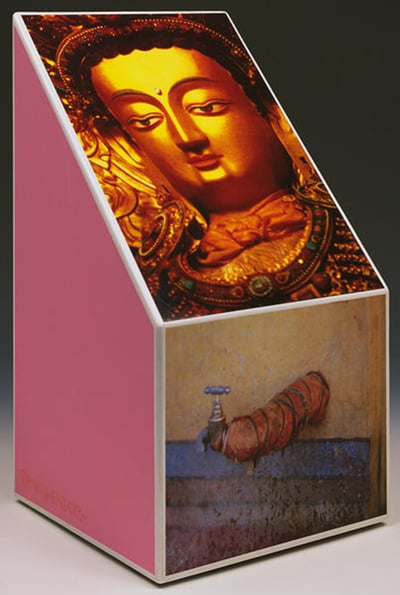
Robert Rauschenberg
Tibetan Keys (Bevel), 1987
Sculpture / Object
Mixed Media
USD 14,250
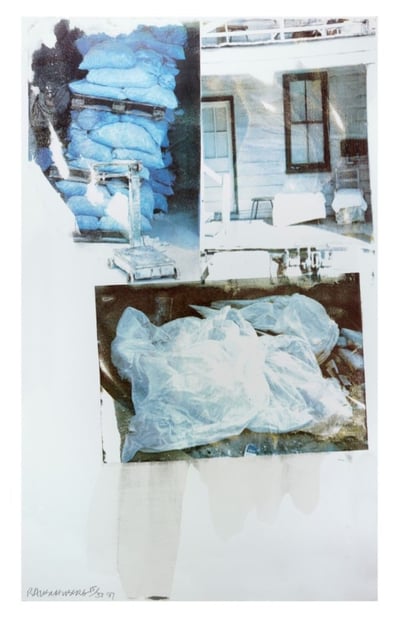
Robert Rauschenberg
Daydream (Speculations), 1997
Limited Edition Print
Screen-print
USD 12,950
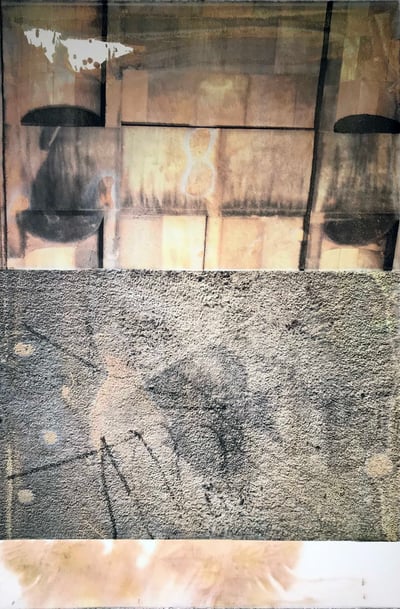
Robert Rauschenberg
Tribute 21: Education, 1994
Limited Edition Print
Lithograph
USD 4,950
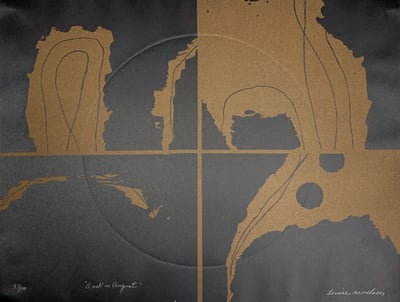
Louise Nevelson
Dusk in August from Portfolio 9, 1967
Limited Edition Print
Lithograph
USD 1,950
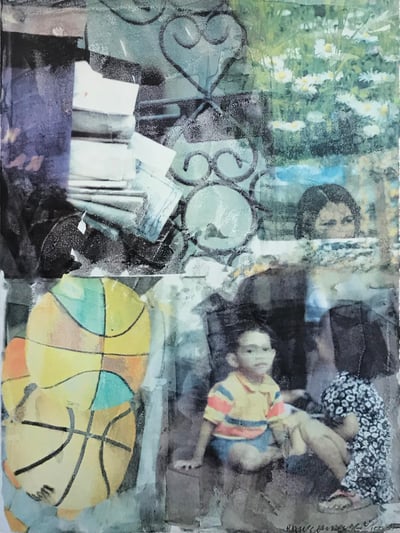
Robert Rauschenberg
Untitled (Doctor's of the world), 1997
Limited Edition Print
Lithograph
USD 6,750
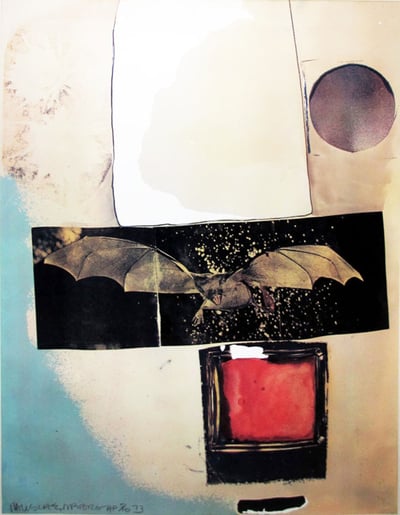
Robert Rauschenberg
Rays, 1973
Limited Edition Print
Lithograph
USD 9,950
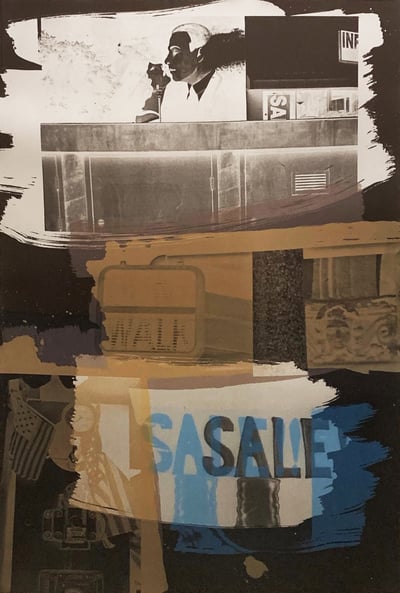
Robert Rauschenberg
Fence, 1992
Limited Edition Print
Lithograph
USD 9,250
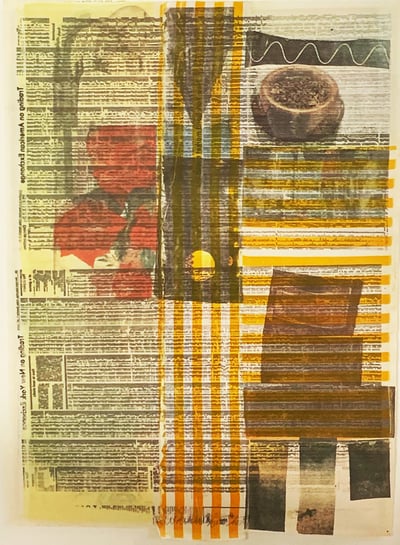
Robert Rauschenberg
One More & We Will Be More Than Halfway There, 1979
Limited Edition Print
Screen-print
USD 4,350
Related Articles
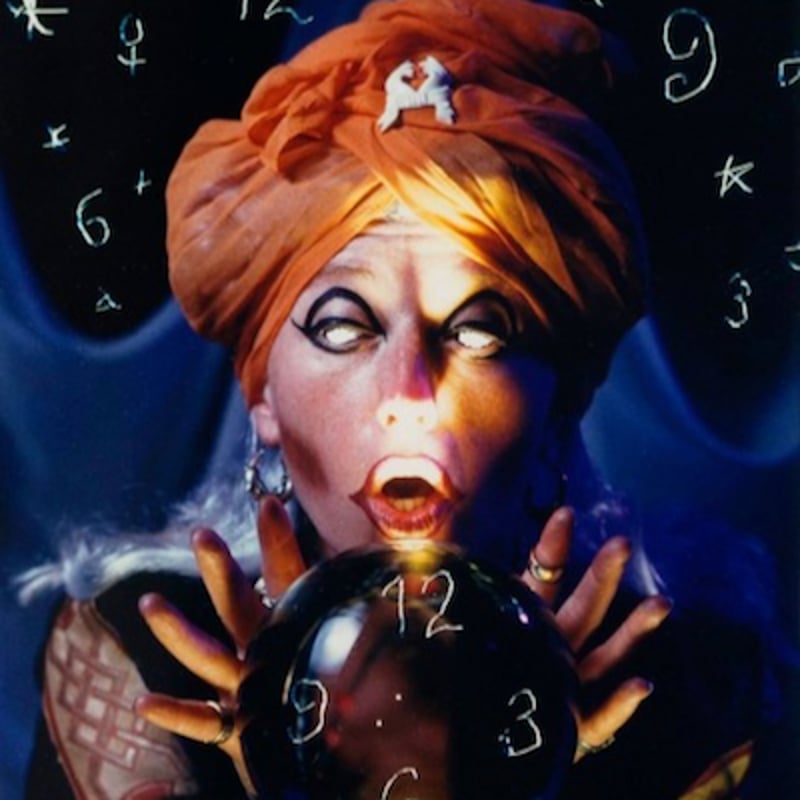
The Uncanny is a concept described by psychologist Sigmund Freud as the eerie or unsettling feeling that arises when something familiar is presented in a strange or unfamiliar way. Surrealist artists, who aimed to reveal the subconscious and merge it with reality, often utilized this concept by combining familiar objects in unexpected and bizarre ways. This approach created a sense of discomfort or unease, challenging the viewer's perception of reality.

Collage is a production art technique commonly used in visual arts where a new artwork is created by assembling various materials. These materials can include ribbons, newspaper and magazine clippings, pieces of handmade or colored paper, photographs, text fragments, and other objects, all combined to form a cohesive whole.

Clay is a natural material formed when rocks break down over time due to weathering. Water carries the fine particles of earth, which accumulate as a soft, sticky substance called muck. This muck is collected, cleaned, and refined by removing impurities like rocks and adding sand to improve its texture, resulting in usable clay.
Can't find your Answer?
Thank you! Your question has been sent — we'll get back to you shortly.
