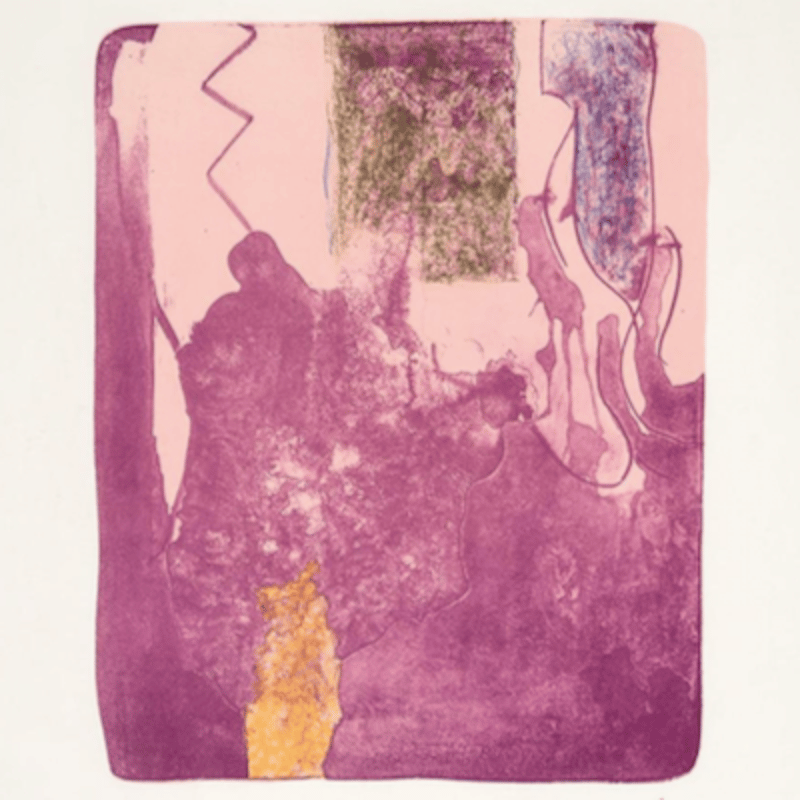
What is abstract expressionism?
- Show All
- Established
- Discoveries
- Show All
Artworks Related to Abstract expressionism

Donald Sultan
Gold Flowers, March 3, 2011, 2011
Limited Edition Print
Silkscreen
USD 5,500
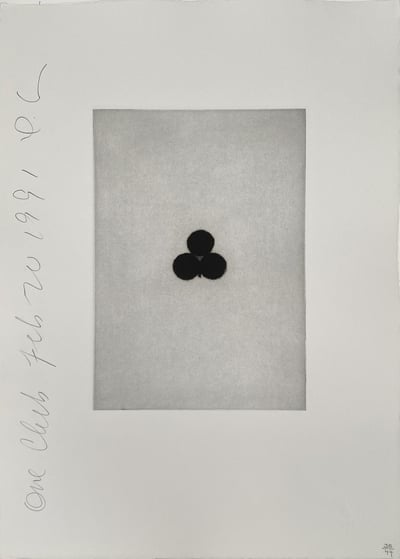
Donald Sultan
Playing Card (One of Clubs), 1990
Limited Edition Print
Aquatint
USD 1,100
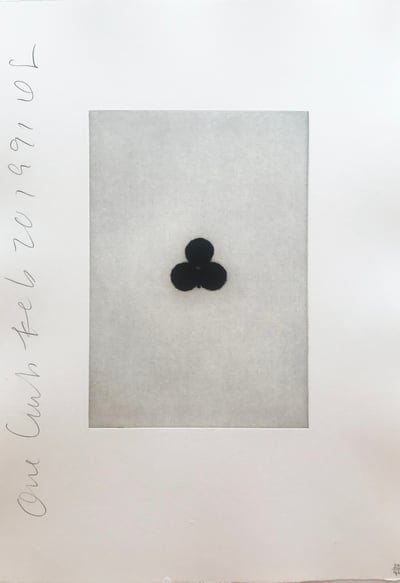
Donald Sultan
Playing Cards (Ace of Clubs), 1990
Limited Edition Print
Aquatint
USD 1,250
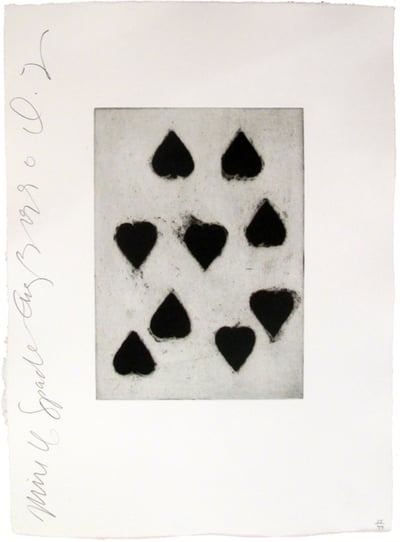
Donald Sultan
Playing Cards (Nine of Spades), 1990
Limited Edition Print
Aquatint
USD 1,100
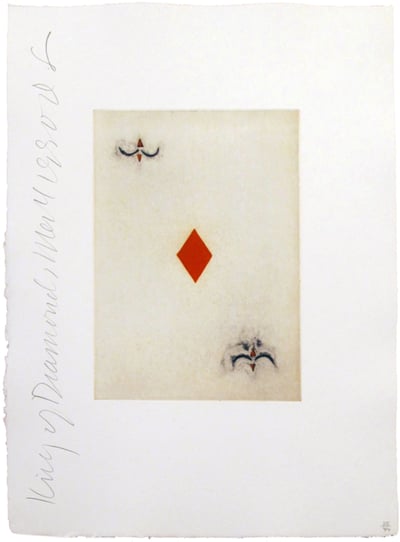
Donald Sultan
Playing Cards (King of Diamonds), 1990
Limited Edition Print
Aquatint
USD 1,450

Donald Sultan
Playing Card (Five of Clubs), 1990
Limited Edition Print
Aquatint
USD 1,100
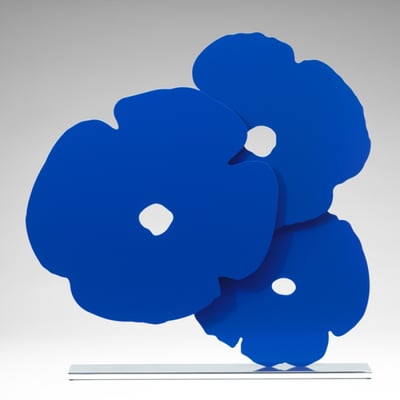
Donald Sultan
Blue Poppies, 2015
Sculpture / Object
Mixed Media
USD 19,950
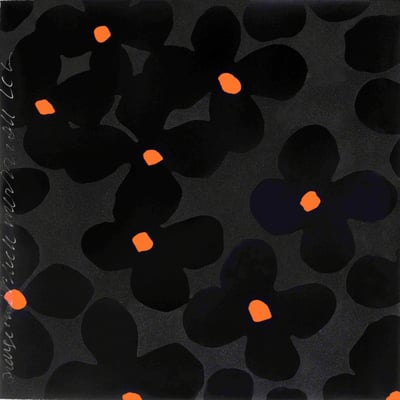
Donald Sultan
Orange and Black, March 22, 2011, 2011
Limited Edition Print
Silkscreen
USD 4,850
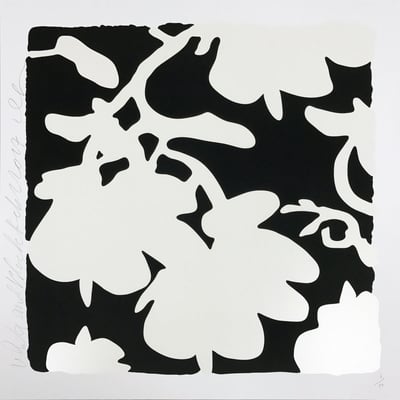
Donald Sultan
Lantern Flowers - White/Black background, 2017
Limited Edition Print
Silkscreen
USD 3,750
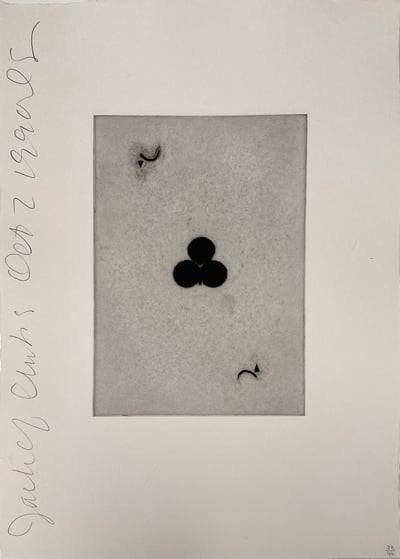
Donald Sultan
Playing Card (Jack of Clubs), 1990
Limited Edition Print
Aquatint
USD 1,100
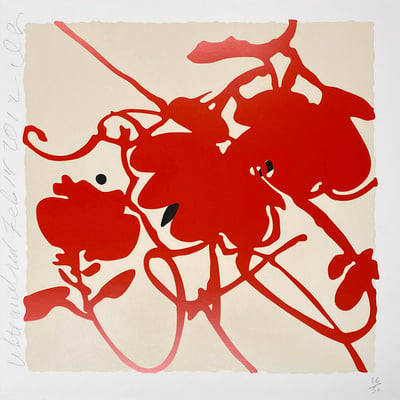
Donald Sultan
White and Red - Lantern Flowers, 2012
Limited Edition Print
Screen-print
USD 7,300

Donald Sultan
Playing Cards (Nine of Hearts), 1990
Limited Edition Print
Aquatint
USD 1,950
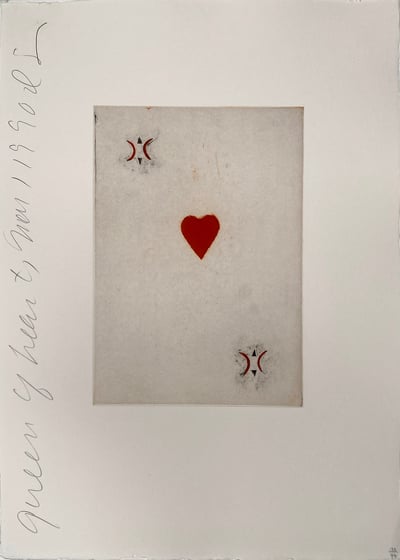
Donald Sultan
Playing Card (Queen of Hearts), 1990
Limited Edition Print
Aquatint
USD 1,950
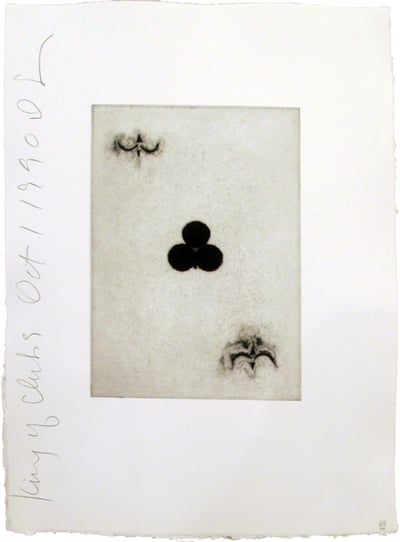
Donald Sultan
Playing Cards (King of Clubs), 1990
Limited Edition Print
Aquatint
USD 1,100
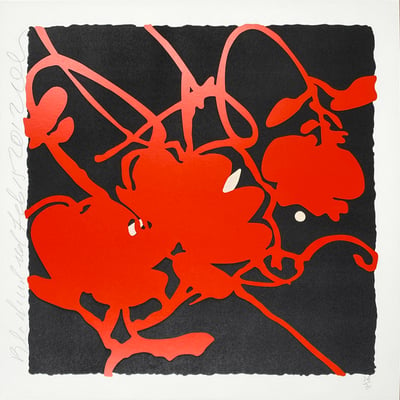
Donald Sultan
Black and Red - Lantern Flowers, 2012
Limited Edition Print
Screen-print
USD 7,300
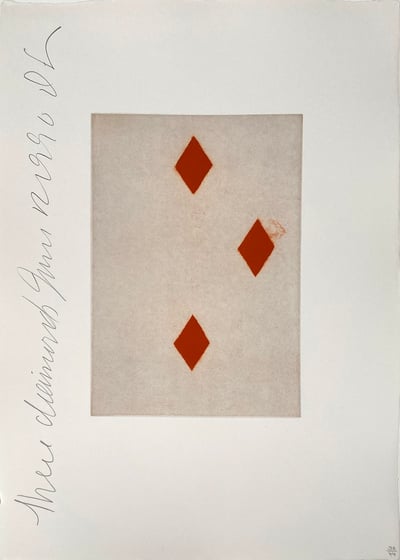
Donald Sultan
Playing Card (Three of Diamonds), 1990
Limited Edition Print
Aquatint
USD 1,450
Related Articles
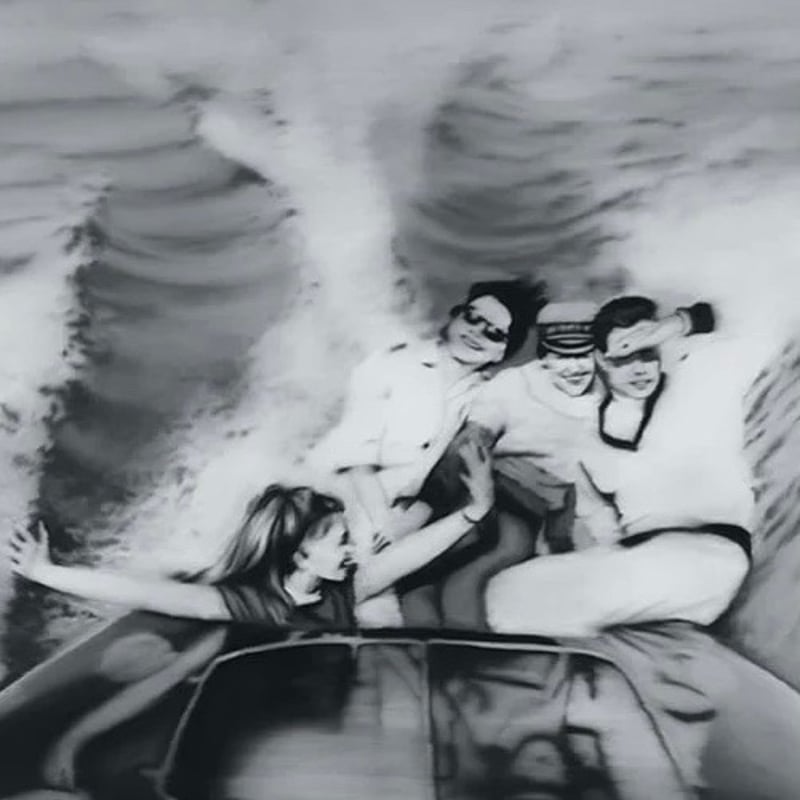
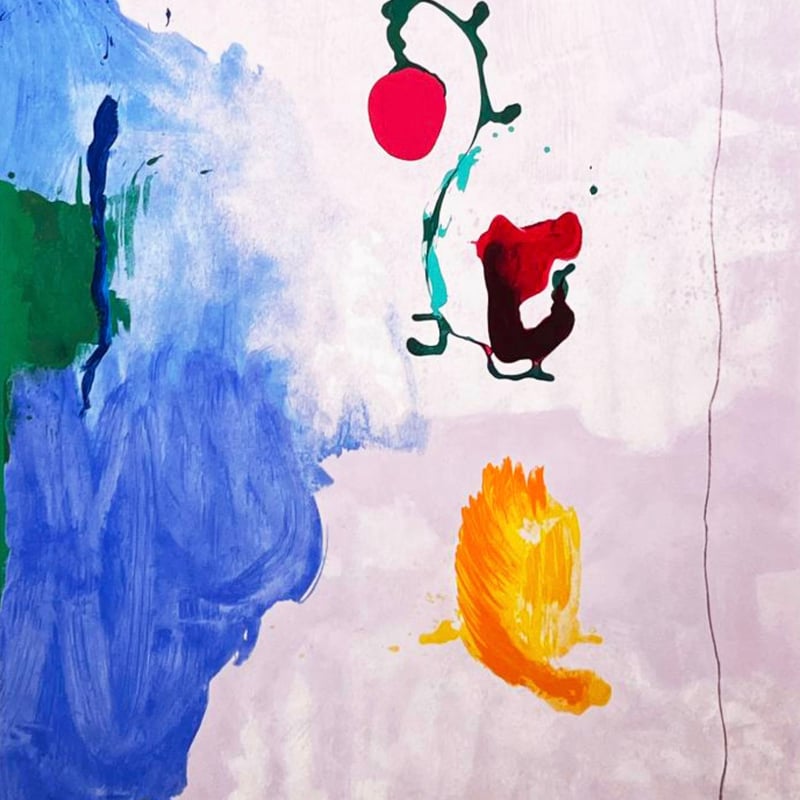
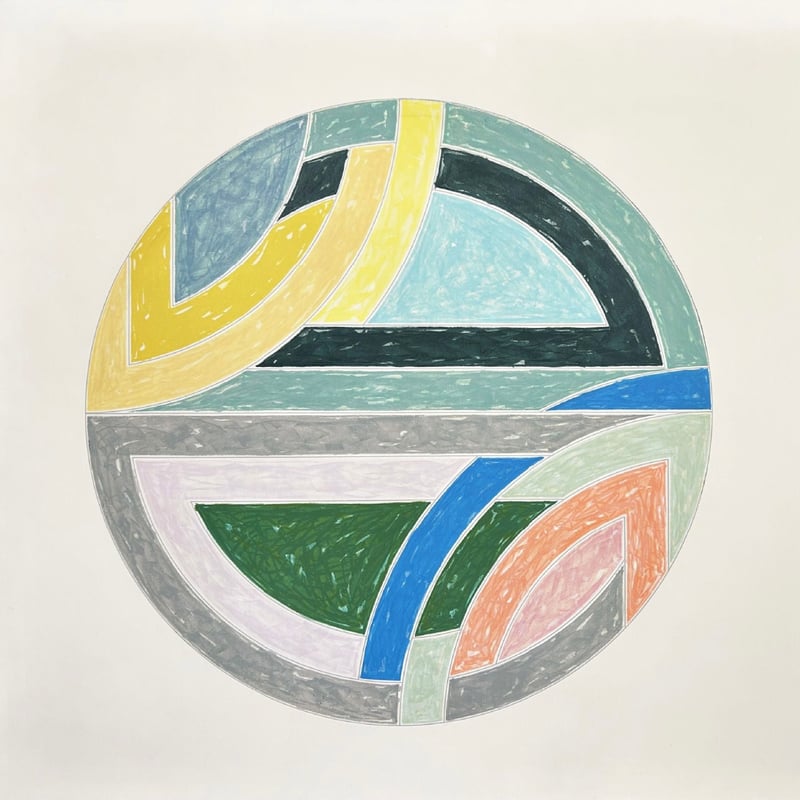
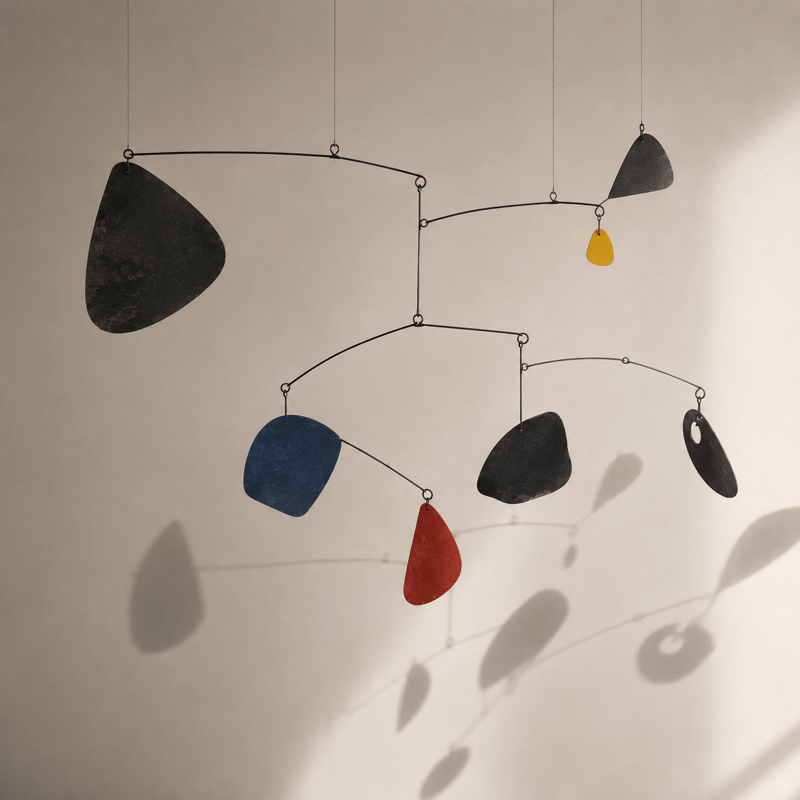
A mobile is a type of kinetic sculpture consisting of an ensemble of balanced parts that hang freely and move independently or as a whole when influenced by air currents or touch. Typically made of wire and colorful metal shapes, mobiles are designed to create dynamic visual effects through their motion.

CoBrA stands for Copenhagen, Brussels, and Amsterdam; the group was formed with a desire to break away from the existing art movements of the time. Their critique of Western society led them to experiment and evolve into a significant international movement. CoBrA was founded on November 8, 1948, at the Notre Dame Café in Paris, where its manifesto was signed by Karel Appel, Joseph Noiret, Corneille, Christian Dotremont, Constant, and Asger Jorn. The group was united by a shared commitment to freedom in both form and color, and their work emphasized experimentation and spontaneity.
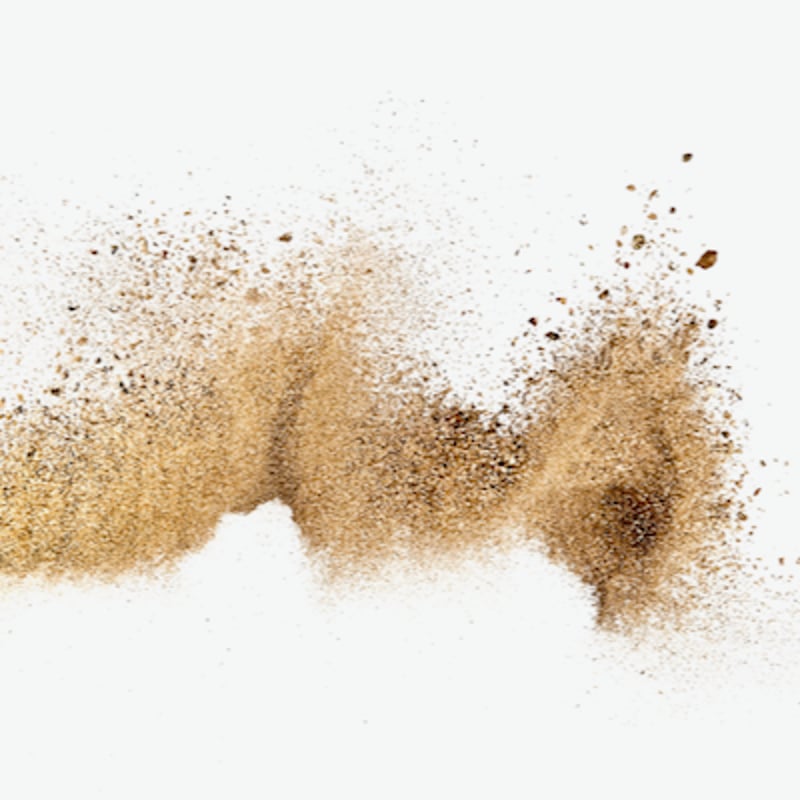
Sand consists of loose grains of material primarily made up of minerals like quartz, mica, and feldspar, as well as small fragments of rocks. Sand paintings are created by pouring colored sand into intricate designs, often for cultural rituals or special celebrations. These designs can take many days to complete and are traditionally brushed away after the ceremony, emphasizing the impermanence of the artwork.
Can't find your Answer?
Thank you! Your question has been sent — we'll get back to you shortly.
