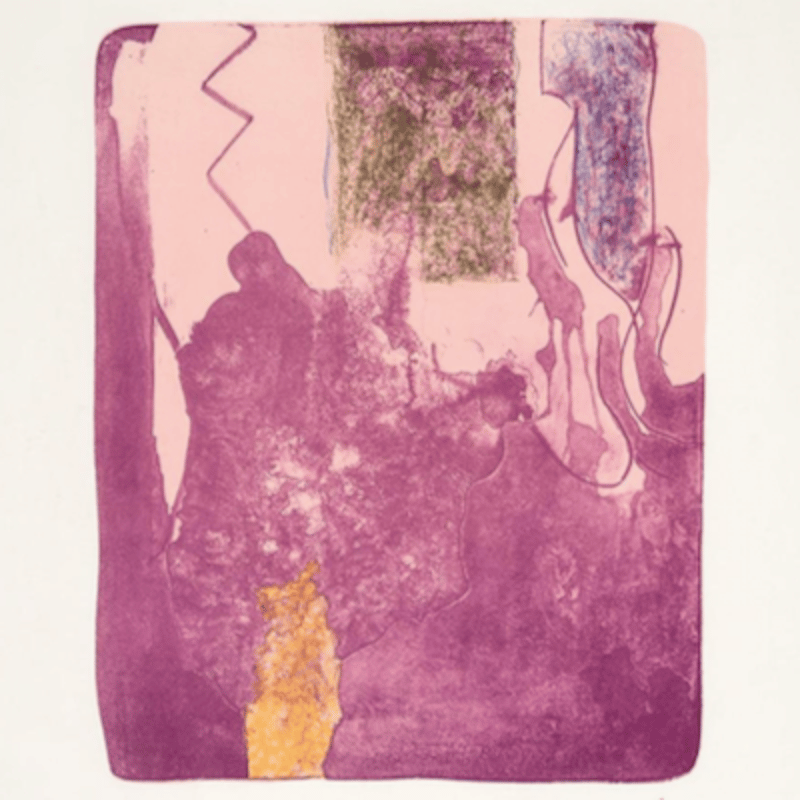
What is abstract expressionism?
- Show All
- Established
- Discoveries
- Show All
Artworks Related to Abstract expressionism
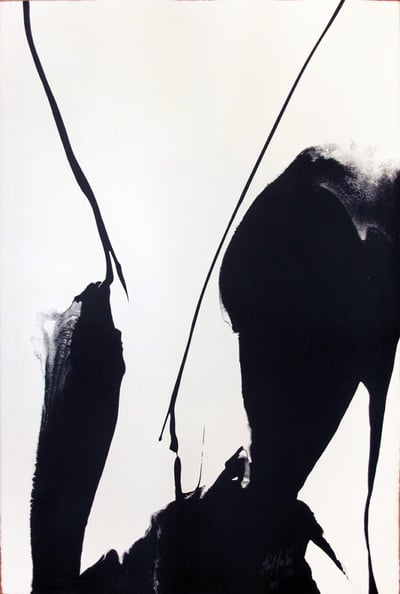
Paul Jenkins
Untitled (Black Strokes), 1971
Limited Edition Print
Lithograph
USD 1,580
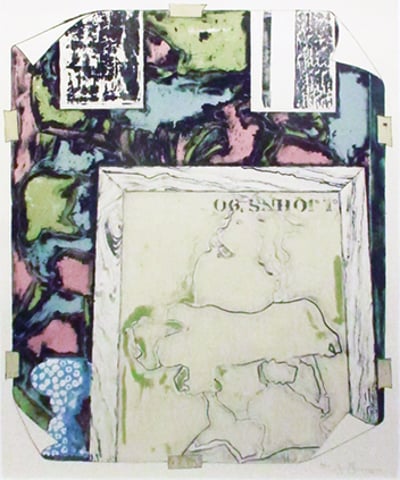
Jasper Johns
Untitled (Fragmented Frame), 1992
Limited Edition Print
Lithograph
USD 10,700
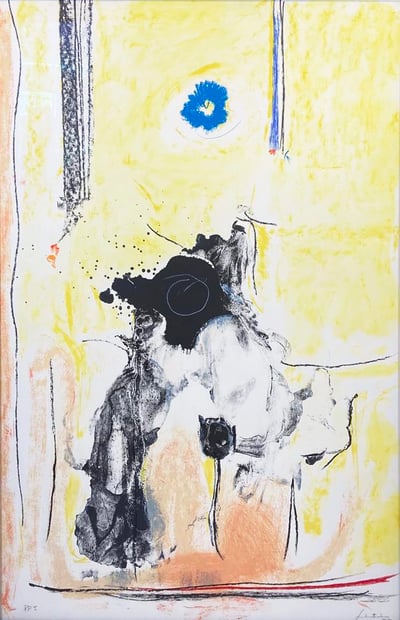
Helen Frankenthaler
Madame de Pompadour, 1985
Limited Edition Print
Lithograph
USD 14,250
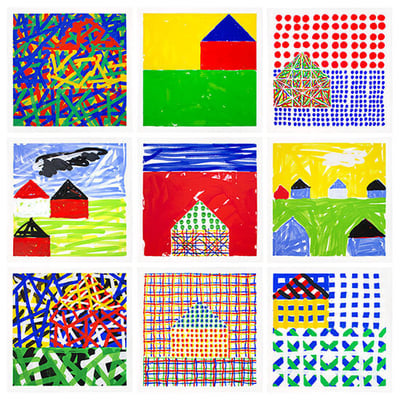
Jennifer Bartlett
House II (Suite of 9), 2014
Limited Edition Print
Serigraph
USD 18,000 - 25,000
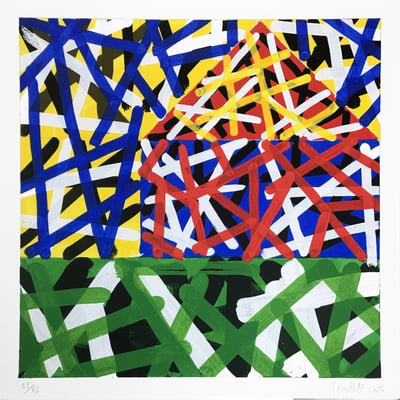
Jennifer Bartlett
House II #7, 2014-2015
Limited Edition Print
Screen-print
USD 3,900
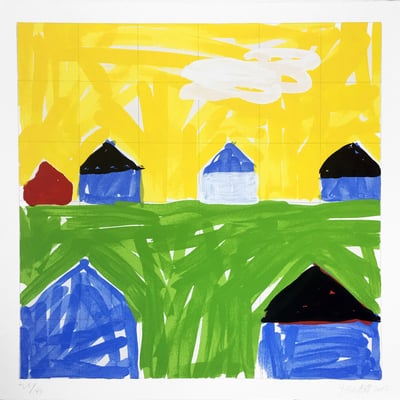
Jennifer Bartlett
House II #6, 2014-2015
Limited Edition Print
Screen-print
Currently Not Available
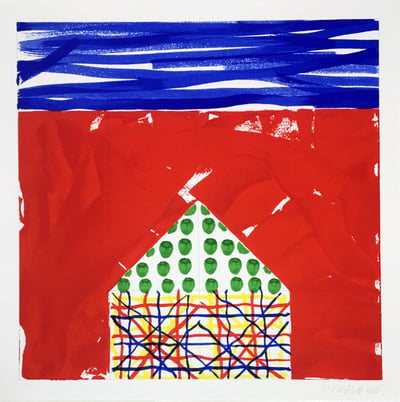
Jennifer Bartlett
House II #5, 2014-2015
Limited Edition Print
Screen-print
USD 5,200
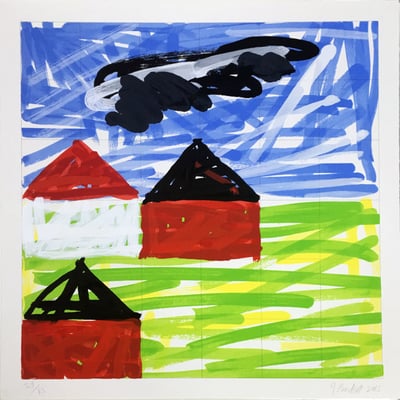
Jennifer Bartlett
House II #4, 2014-2015
Limited Edition Print
Screen-print
USD 5,200
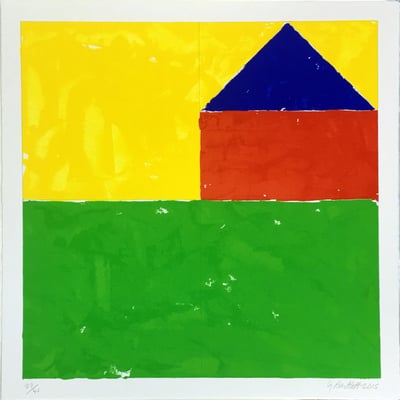
Jennifer Bartlett
House II #2, 2014-2015
Limited Edition Print
Screen-print
USD 5,200
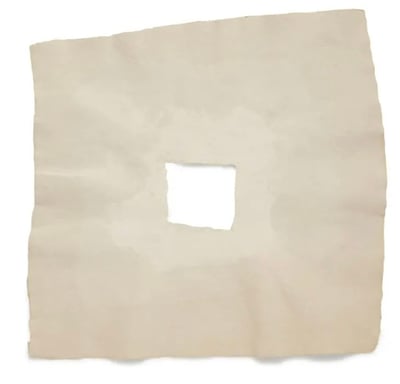
Robert Rauschenberg
Page III, 1974
Limited Edition Print
Mixed Media
Inquire For Price
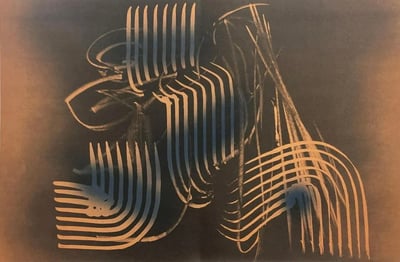
Hans Hartung
Lithograph V from Farandole, 1971
Limited Edition Print
Lithograph
USD 1,280
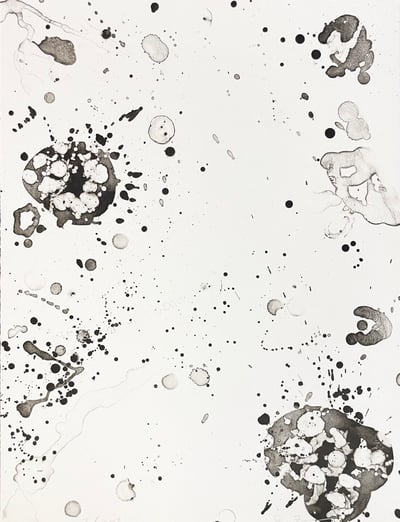
Sam Francis
Spring Solution, 1972
Limited Edition Print
Lithograph
Inquire For Price
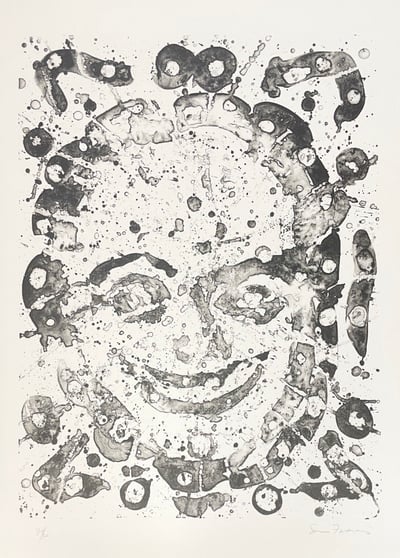
Sam Francis
Self Portrait (SF-051), 1976
Limited Edition Print
Lithograph
Inquire For Price
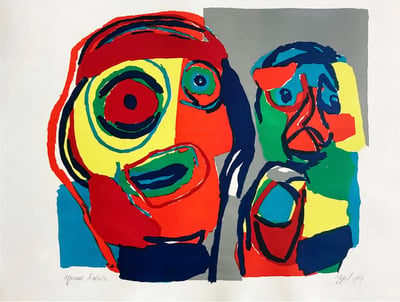
Karel Appel
Serie Personages, 1969
Limited Edition Print
Lithograph
USD 780
Frank Stella
Private Listing
Sculpture / Object

Frank Stella
Union (from Eccentric Polygons), 1974
Limited Edition Print
Mixed Media
USD 9,500
Related Articles
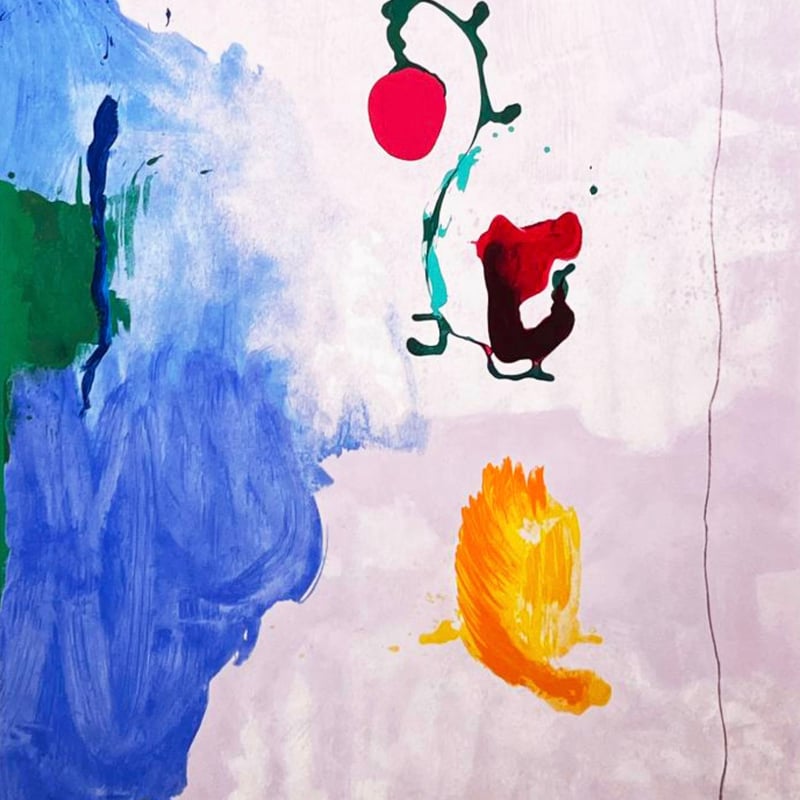
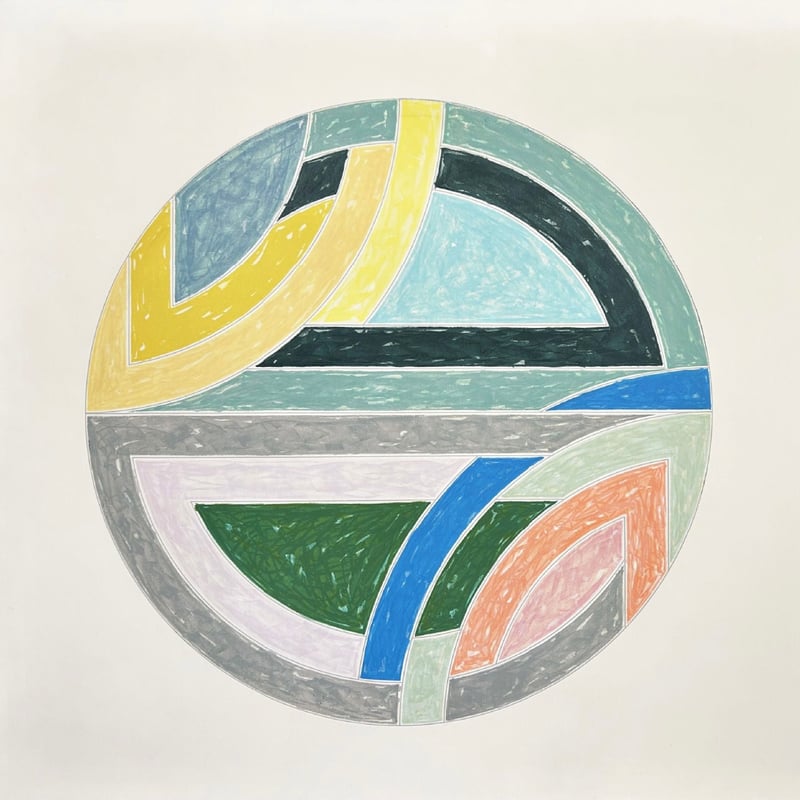

Hard Edge art is a style of abstract painting that became popular in the 1960s. It features areas of color separated by crisp, sharp edges that are painted with geometric precision. The term hard-edge painting was coined by art critic Jules Langsner to describe this approach, which contrasts with the softer, more fluid forms of other abstract styles.

Futurism was an early 20th-century art movement that sought to capture the energy and dynamism of the modern world. The movement was launched by Italian poet Filippo Tommaso Marinetti, who published the Manifesto of Futurism on February 20, 1909. Futurism denounced the past and passionately embraced technology, industry, and the speed of modern life.

Crayon is a French word that means pencil. In art, a crayon is a stick made of colored wax, chalk, charcoal, or clay used for drawing and coloring. Crayons are typically made from paraffin wax, which is derived from petroleum, coal, or wood. Types of crayons include wax crayons, pastel crayons, and oil pastels.
Can't find your Answer?
Thank you! Your question has been sent — we'll get back to you shortly.
