What is abstract expressionism?
- Show All
- Established
- Discoveries
- Show All
Artworks Related to Abstract expressionism
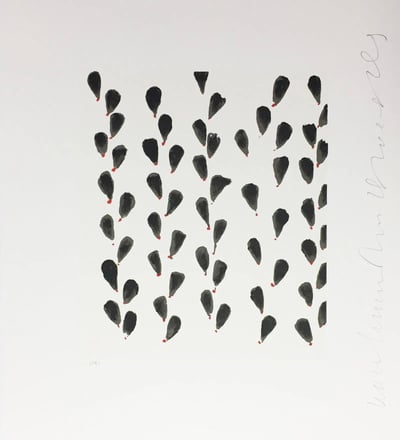
Donald Sultan
Wall Flower IX, 2008
Limited Edition Print
Screen-print
Inquire For Price

Frank Stella
Honduras Lottery Co., 1972
Limited Edition Print
Lithograph
Currently Not Available
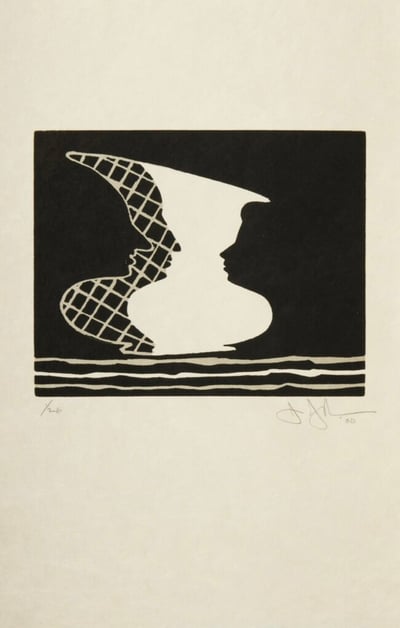
Jasper Johns
Sun on Six, 2000
Limited Edition Print
Linocut
Inquire For Price

Jasper Johns
Hinged Canvas, 1971
Limited Edition Print
Lithograph
USD 5,000

Jasper Johns
Untitled (from The Geldzahler Portfolio), 1998
Limited Edition Print
Etching
USD 6,300

Jasper Johns
Valentine, 2010
Limited Edition Print
Etching and Aquatint
Currently Not Available
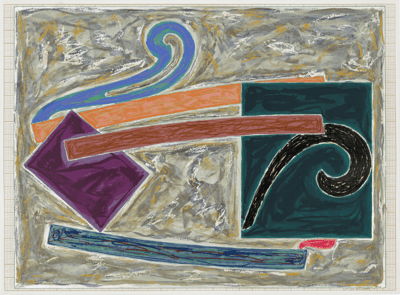
Frank Stella
Inaccessible Island Rail, 1977
Limited Edition Print
Mixed Media
USD 17,750
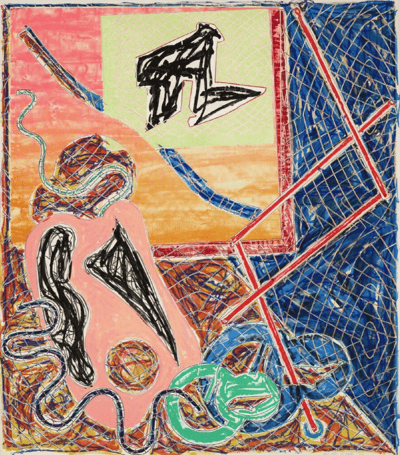
Frank Stella
Shards I, 1982
Limited Edition Print
Mixed Media
Inquire For Price
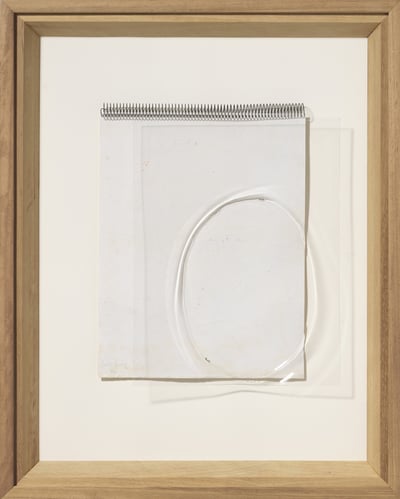
Jordi Alcaraz
Sense títol I, 2024
Limited Edition Print
Mixed Media
Currently Not Available
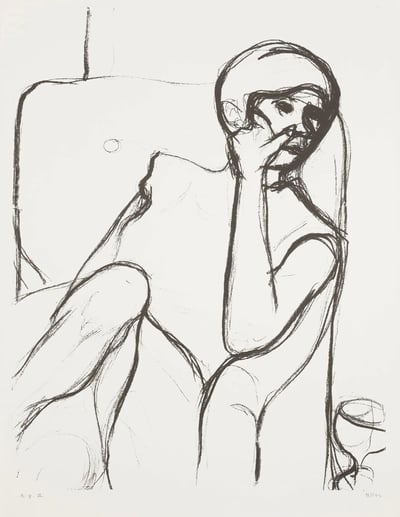
Richard Diebenkorn
Seated Woman in Arm Chair, 1965
Limited Edition Print
Lithograph
Currently Not Available
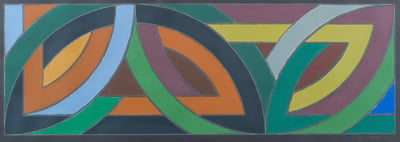
Frank Stella
York Factory II, 1974
Limited Edition Print
Screen-print
Currently Not Available
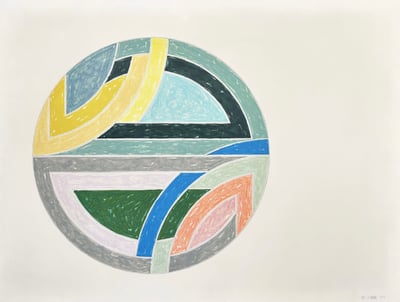
Frank Stella
Sinjerli Variation IIa, 1977
Limited Edition Print
Mixed Media
USD 18,500
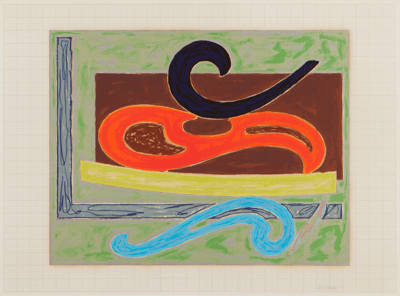
Frank Stella
Eskimo Curlew, 1977
Limited Edition Print
Mixed Media
USD 12,500

Zao Wou-Ki
Composition, 1967
Limited Edition Print
Etching
EUR 3,750
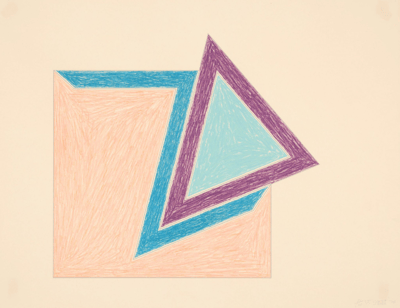
Frank Stella
Moultonboro, 1974
Limited Edition Print
Lithograph
USD 9,400

Richard Diebenkorn
Green Tree Spade, 1982
Limited Edition Print
Mixed Media
Currently Not Available
Related Articles
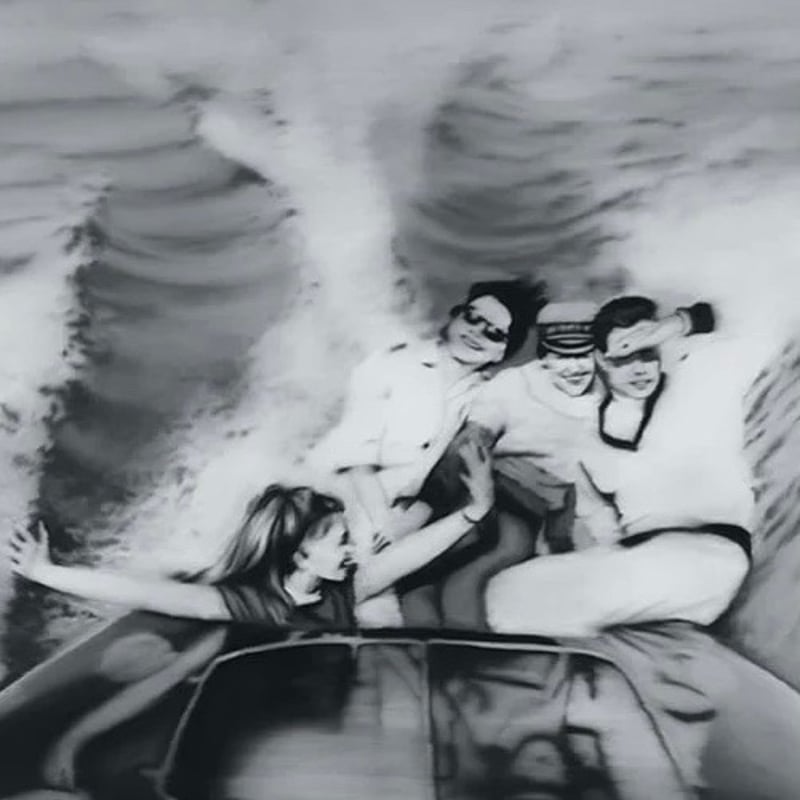
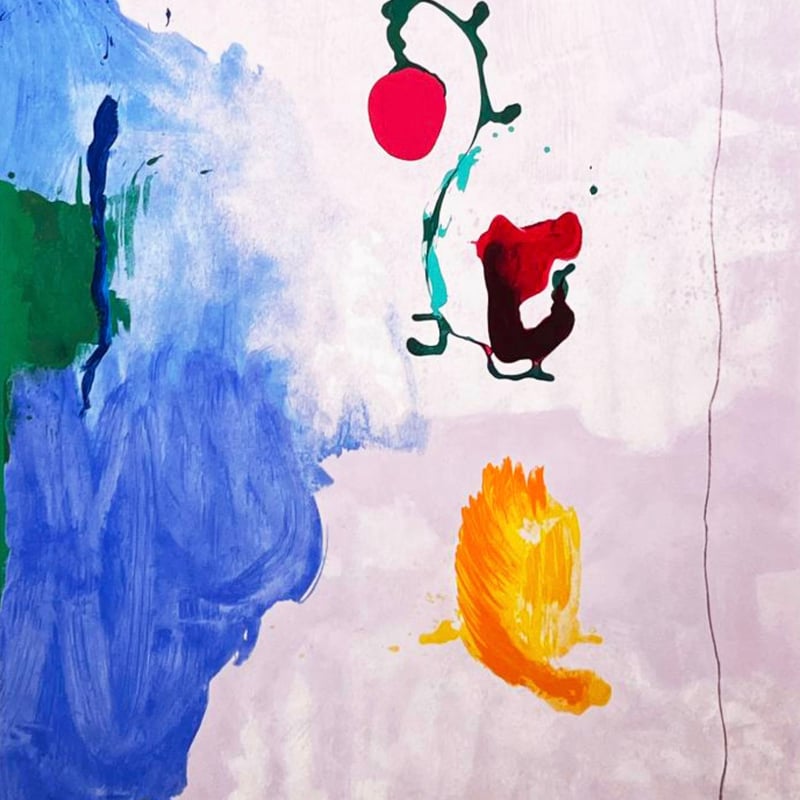
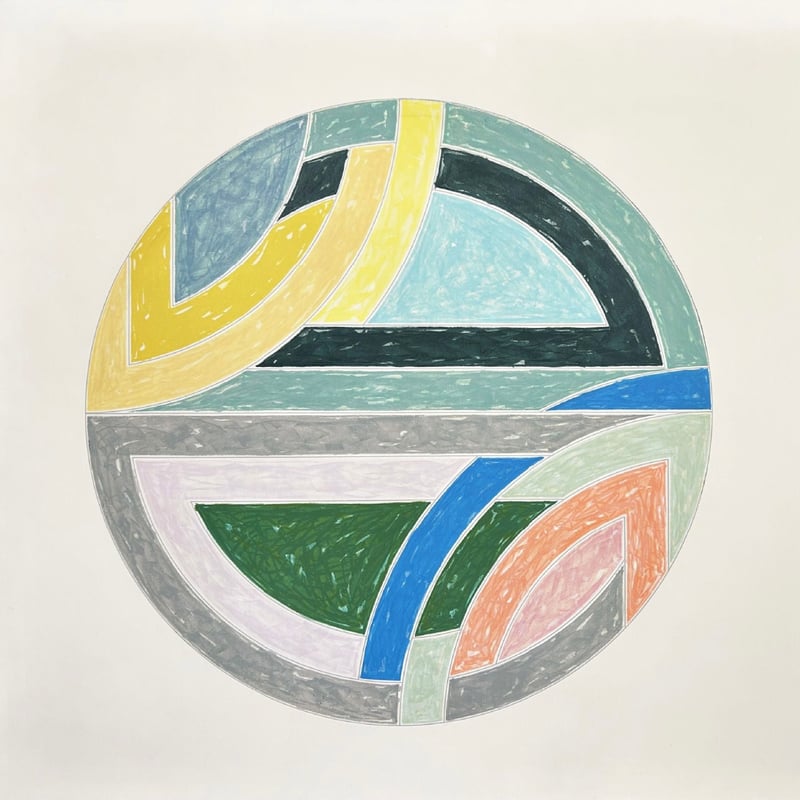
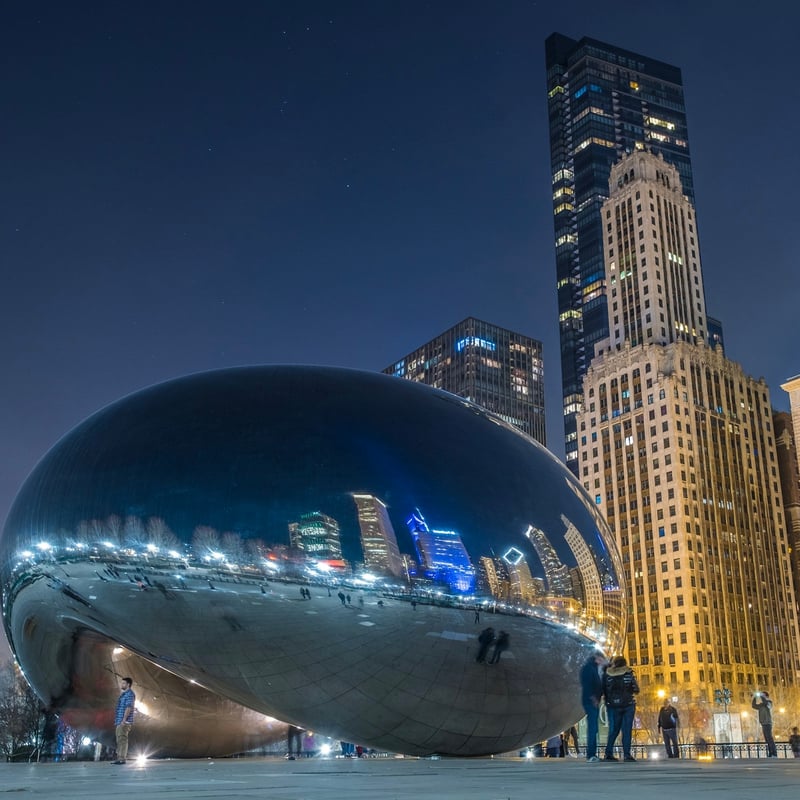
New British Sculpture is the name referring to the work produced by a group of sculptors, installation artists, and other creators who exhibited together in London during the 1980s. This group included artists like Richard Deacon, Richard Wentworth, and Tony Cragg. Tim Woods helped define this movement by identifying four major themes: the blending of kitsch and pop culture, the use of UK urban waste in a bricolage style, the assignment of new meanings to everyday objects, and a playful approach using wit and humor.
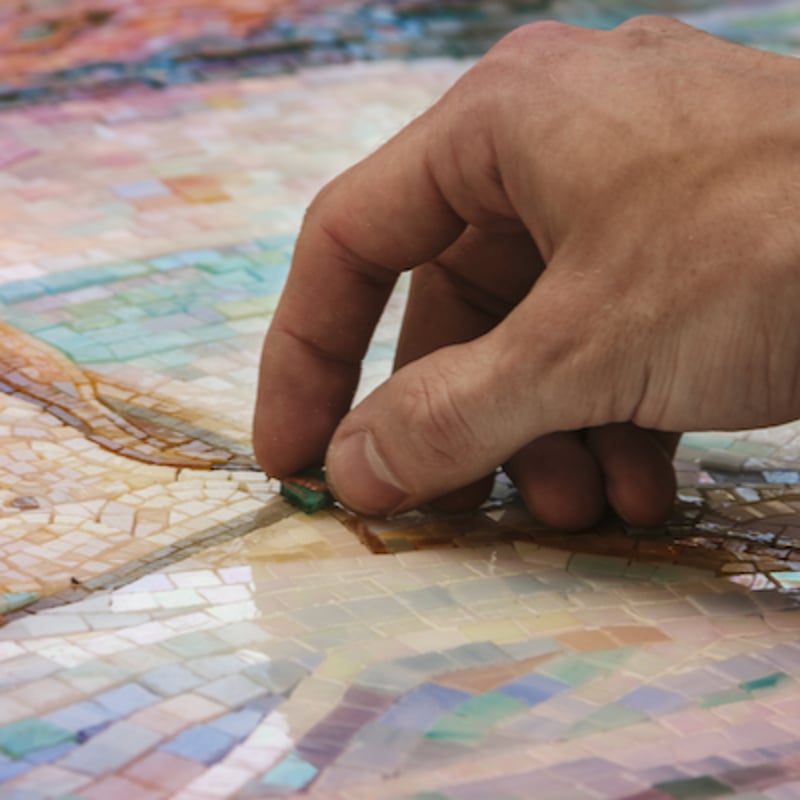
Mosaic is an art form that involves creating images by arranging many small pieces of colored tile, glass, or other materials. These pieces, often numbering in the hundreds, are placed closely together like a puzzle, each piece contributing to the overall picture.
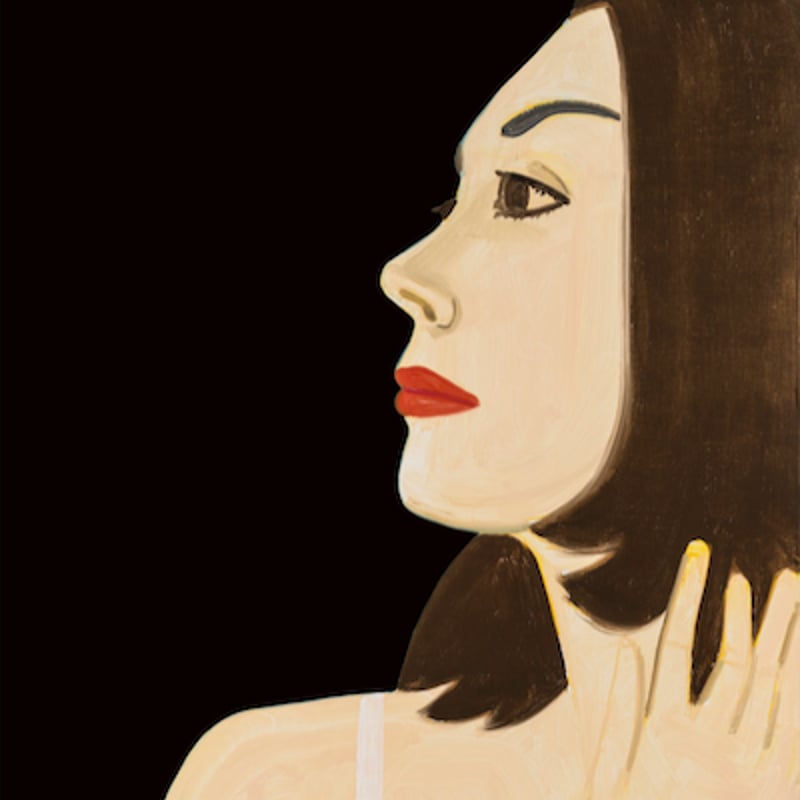
Sometimes known as Figurativism, figurative art refers to sculptures and paintings that are clearly or specifically derived from real objects, making them representational. The term figurative art is often used in contrast to abstract art. However, since the emergence of abstract art, figurative art has come to describe any form of modern art that has strong references to the real world or actual situations.
Can't find your Answer?
Thank you! Your question has been sent — we'll get back to you shortly.
