What is abstract expressionism?
- Show All
- Established
- Discoveries
- Show All
Artworks Related to Abstract expressionism
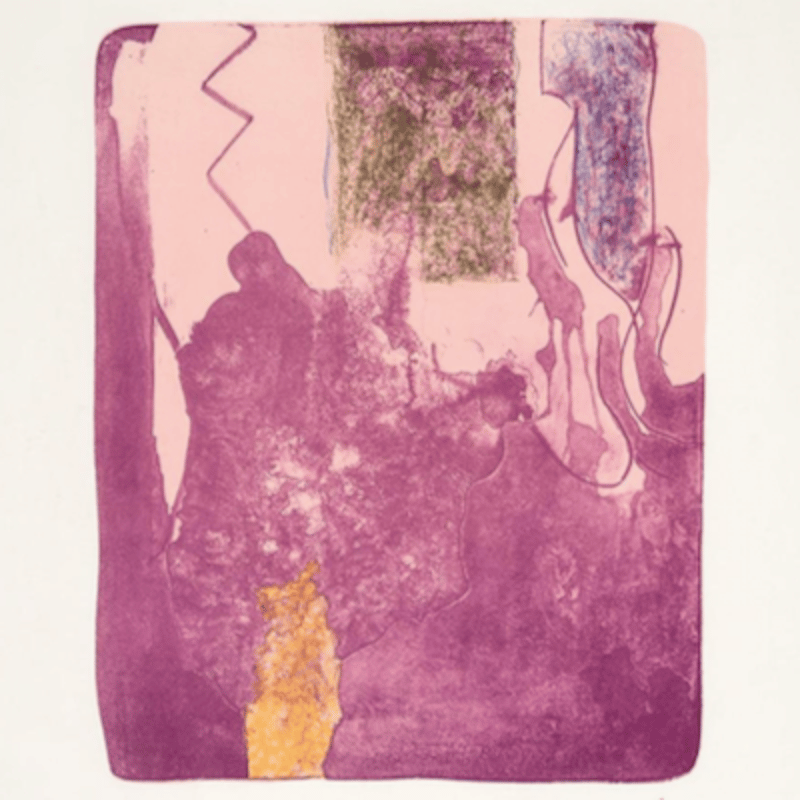
Sam Francis
Private Listing
Drawing / Watercolor
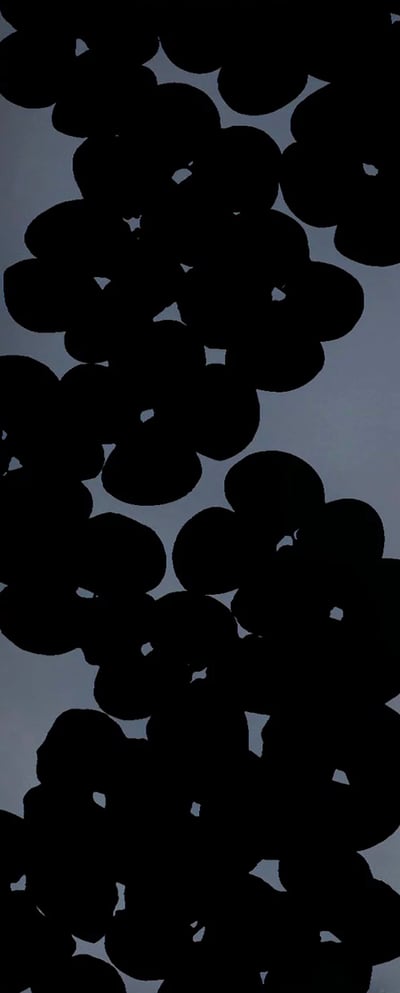
Donald Sultan
Wallflowers (black on grey), 2018
Limited Edition Print
Screen-print
USD 9,000 - 12,000

Frank Stella
Moultonville, 1974
Limited Edition Print
Mixed Media
USD 7,625

Robert Rauschenberg
Pre-Morocco, 1983
Limited Edition Print
Lithograph
USD 2,750

Frank Stella
Noguchi's Okinawa Woodpecker, 1977
Limited Edition Print
Mixed Media
Inquire For Price

Frank Stella
Giuf à e la berretta rossa, 1989
Limited Edition Print
Mixed Media
USD 28,750

Frank Stella
Pergusa Three Double, 1984
Limited Edition Print
Mixed Media
USD 50,000 - 60,000
Frank Stella
Private Listing
Drawing / Watercolor
Frank Stella
Private Listing
Drawing / Watercolor
Frank Stella
Private Listing
Sculpture / Object

Frank Stella
Polar Co-ordinates VIII, from Polar Co-ordinates for Ronnie Peterson, 1980
Limited Edition Print
Mixed Media
Currently Not Available
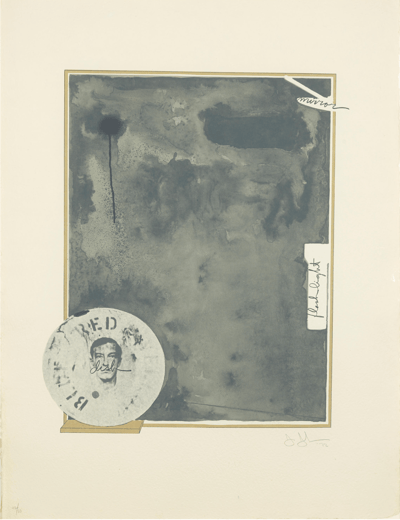
Jasper Johns
Souvenir I, 1972
Limited Edition Print
Lithograph
Inquire For Price

Jasper Johns
Zone, 1972
Limited Edition Print
Lithograph
Inquire For Price
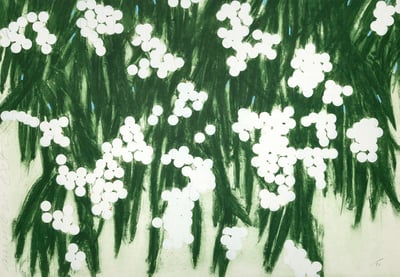
Donald Sultan
Mimosa, Oct. 2, 2006, 2006
Limited Edition Print
Mixed Media
USD 7,950
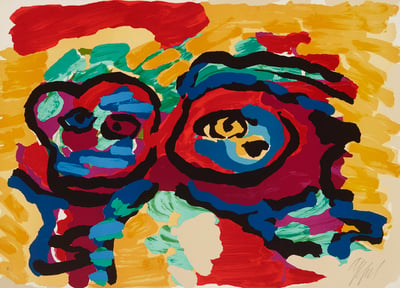
Karel Appel
Two Figures, c. 1980
Limited Edition Print
Lithograph
USD 1,000
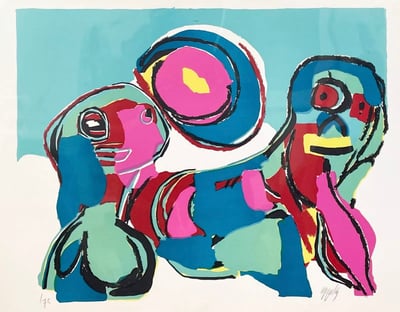
Karel Appel
Composition , 1969
Limited Edition Print
Lithograph
USD 950
Related Articles
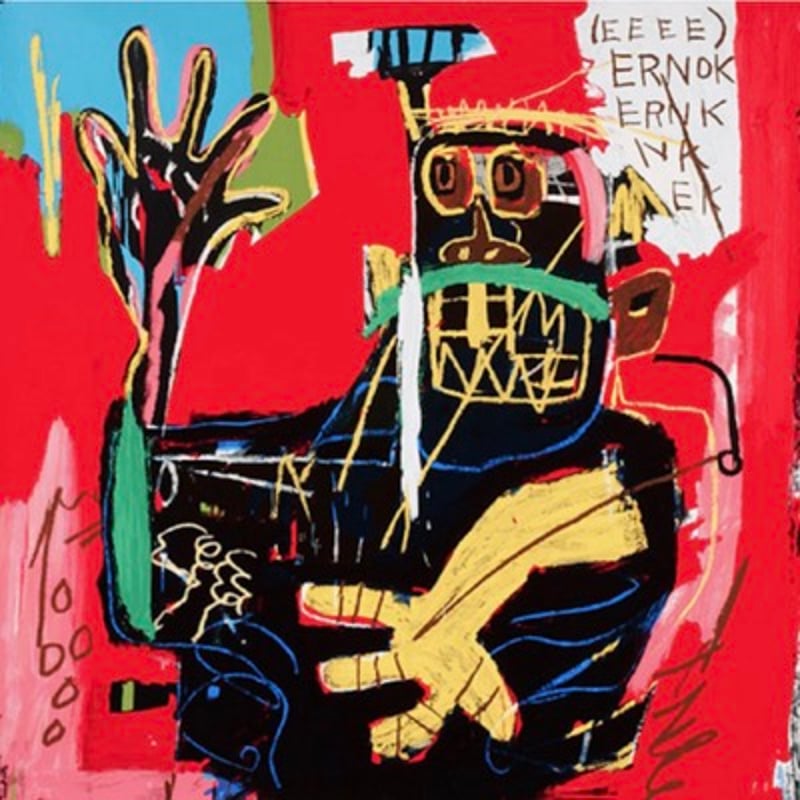
In 1981, Patti Astor opened the first art gallery in New York City's East Village, helping to launch the careers of various artists and musicians. The gallery started small but quickly gained popularity, contributing to the emergence of art movements such as Neo-Expressionism and Street Art in the area. The East Village became a hub for these new artistic expressions. However, the gallery closed in 1985 due to waning interest.

Porcelain is a hard, durable material made from clay, primarily composed of the mineral kaolinite. It is fired at high temperatures, resulting in a fine, white, and often translucent finish. Porcelain is used to create art objects and a wide range of household items such as dishes and bowls. Porcelain items are especially popular for painting with special glazes due to their smooth surface and ability to hold intricate designs.

Video art is an art form that uses video and audio data, primarily featuring moving images. It emerged in the late 1960s and early 1970s with the advent of new technology and consumer video equipment that became accessible beyond corporate broadcasting. Video art can take many forms, including broadcast recordings, installations in museums or galleries, online streamed works, videotapes, and performances incorporating video monitors, television sets, or projections that display live or recorded sounds and images.
Can't find your Answer?
Thank you! Your question has been sent — we'll get back to you shortly.
