
What is a C-print?
- Show All
- Established
- Discoveries
- Show All
Artworks Related to C-Print
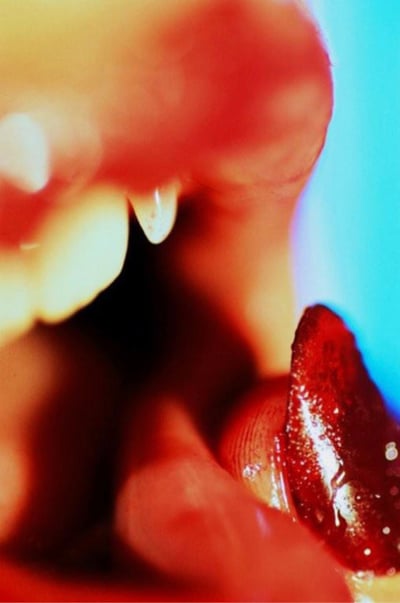
Marilyn Minter
Vamp, 2011
Photography
C-Print
Currently Not Available
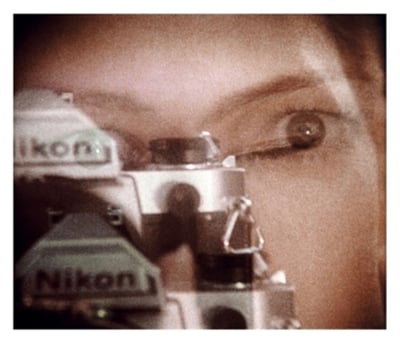
Anne Collier
Double exposure, 2011
Photography
C-Print
Currently Not Available
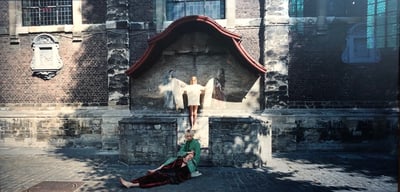
Hellen Van Meene
De Zeven Werken van Barmhartigheid / bezoek de zieken, 2019
Photography
C-Print
Currently Not Available
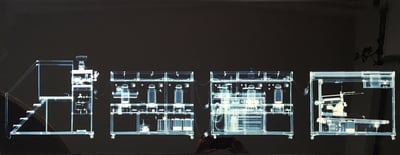
Wim Delvoye
Cloaca x rayed B/W, 2003
Photography
C-Print
EUR 14,500
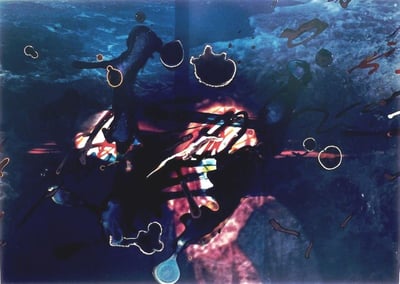
Rebecca Horn
Zenith of the Ocean II, 2007
Photography
C-Print
Currently Not Available
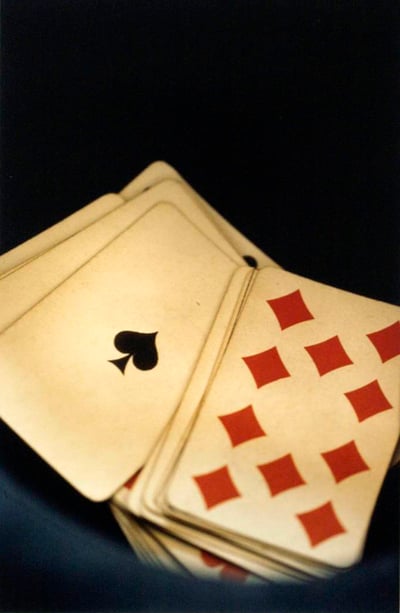
Ralph Gibson
Cards (from L' Histoire de France), 1991
Photography
C-Print
USD 2,500

Nobuyoshi Araki
Bondage Series #3, 1997
Photography
C-Print
EUR 5,500
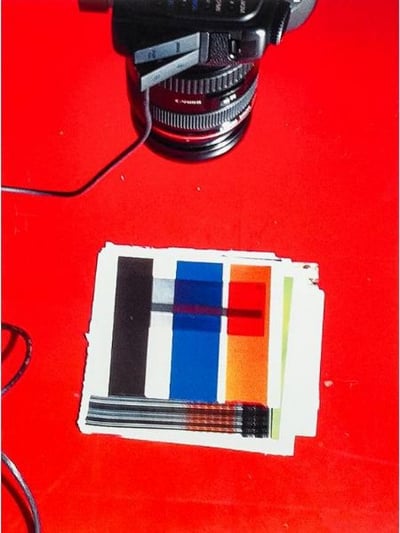
Wade Guyton
IMG_1919, 2013
Limited Edition Print
C-Print
Currently Not Available
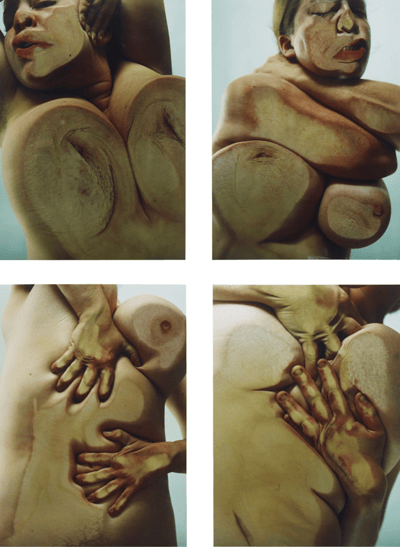
Jenny Saville
Close Contact, 2002
Photography
C-Print
Currently Not Available
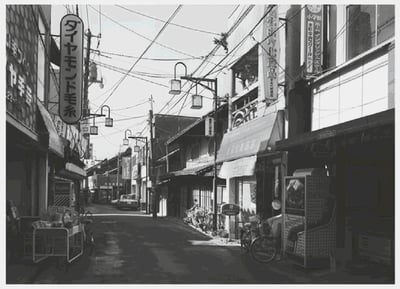
Thomas Struth
Deutsche Stadtbaukunst, 2010
Photography
C-Print
EUR 2,900

Nan Goldin
Joey in my Mirror, Berlin, 1992
Photography
C-Print
Currently Not Available

Martin Parr
#27, 2015
Photography
C-Print
EUR 950
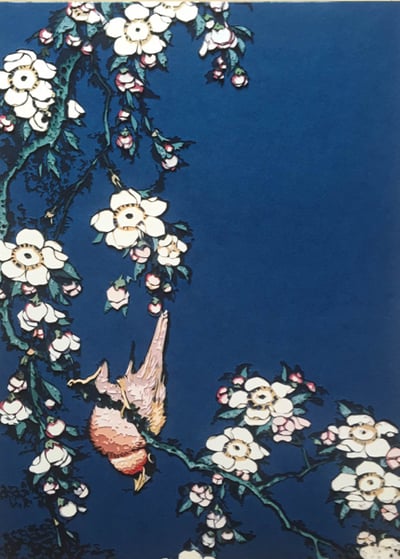
Vik Muniz
Bullfinch and weeping cherry, 2010
Photography
C-Print
EUR 6,500
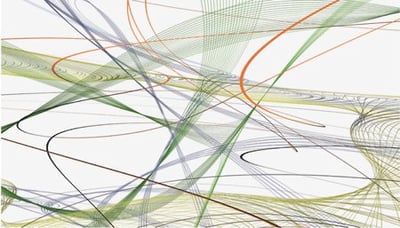
Thomas Ruff
Zycles III, 2009
Photography
C-Print
EUR 9,400

Gregory Crewdson
Brightview, 2005
Photography
C-Print
Currently Not Available

Jack Pierson
Stardust, 2012
Photography
C-Print
EUR 900
Related Articles



Site-Specific Art is a form of artwork created to exist in a particular location, with the artist considering the site as an integral part of the creative process. Robert Irwin was a key figure in promoting this art form in California. Site-Specific Art emerged as a reaction against modernist objects, which were often portable, commodified, and confined to museum spaces. In contrast, Site-Specific Art is inherently tied to its location, challenging the traditional notions of art as a transportable and marketable commodity.
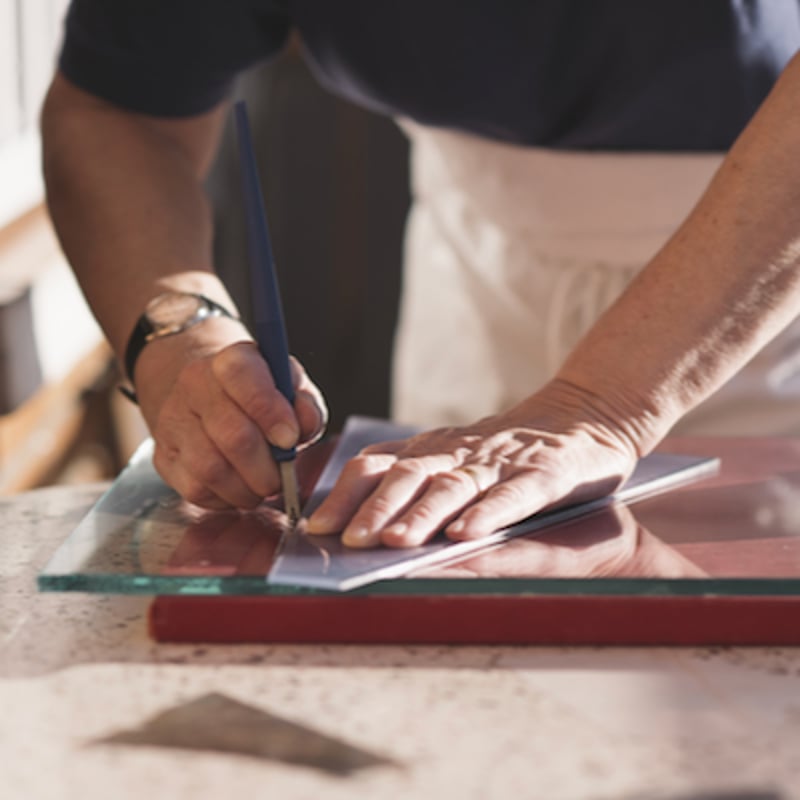
Glass is a transparent solid that varies in composition depending on the type. Artists use different types of glass to create art forms such as stained glass, blown glass, and various decorated pieces. Glass can be cut, textured, overlaid, engraved, and shaped in many ways to produce intricate and beautiful works of art.

Superflat is an art movement founded by Takashi Murakami, heavily influenced by anime and manga. The term Superflat refers to the flattened forms found in Japanese animation, graphic art, fine arts, and pop culture, as well as the perceived superficiality of Japanese culture. Murakami's movement, which he self-proclaimed, is considered postmodern and critiques both the depth and shallowness of contemporary Japanese society. Superflat has been highly influential in bridging the gap between high art and popular culture.
Can't find your Answer?
Thank you! Your question has been sent — we'll get back to you shortly.
