Portugal
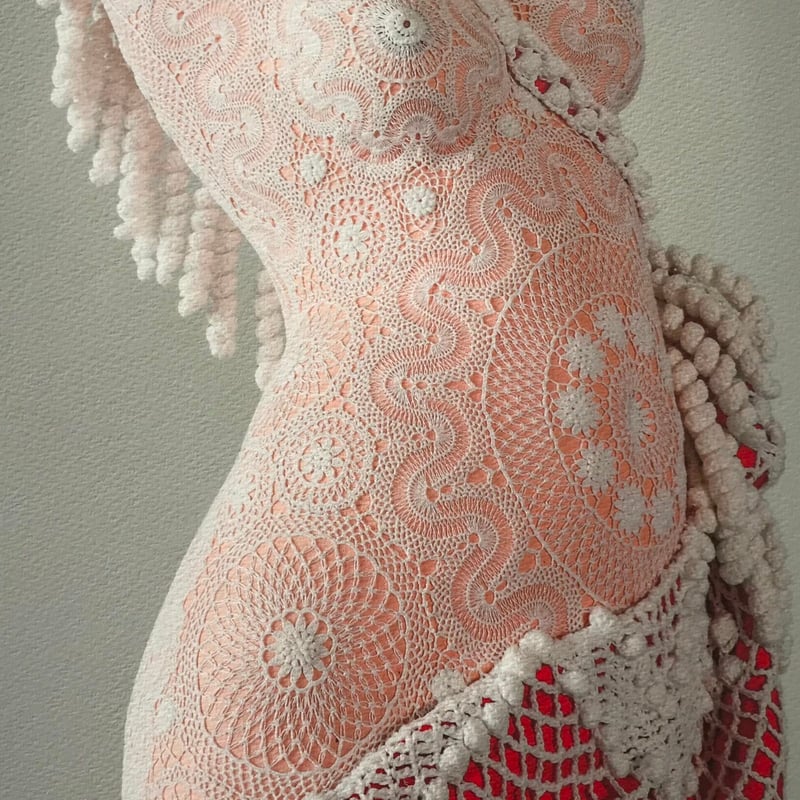
Portugal's contemporary art scene is a dynamic blend of history and innovation. Prestigious museums such as the Serralves Museum in Porto and the Museu Coleção Berardo in Lisbon serve as platforms for innovative exhibitions. Portuguese artists like Julião Sarmento and Joana Vasconcelos are significantly shaping contemporary art. Portugal's thriving art scene is also exemplified in events like ARCOlisboa. Explore the captivating dynamics of Portuguese contemporary art on Composition Gallery's website.
- Show All
- Established
- Discoveries
- Show All
Artworks Related to Portugal
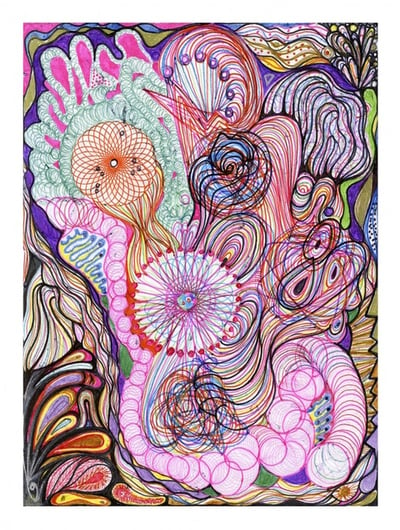
Joana Vasconcelos
Filament 2, 2014
Limited Edition Print
Archival Print
USD 1,875
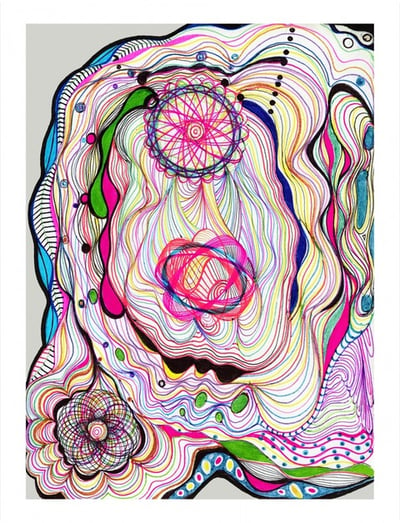
Joana Vasconcelos
Filament 1, 2014
Limited Edition Print
Archival Print
USD 1,875
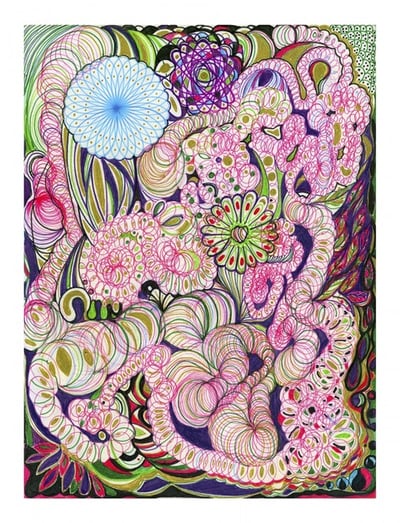
Joana Vasconcelos
Pandora 2, 2014
Limited Edition Print
Archival Print
USD 1,875
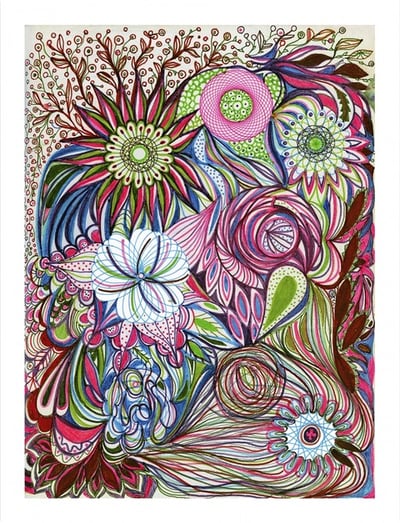
Joana Vasconcelos
Pandora 1, 2014
Limited Edition Print
Archival Print
USD 1,875
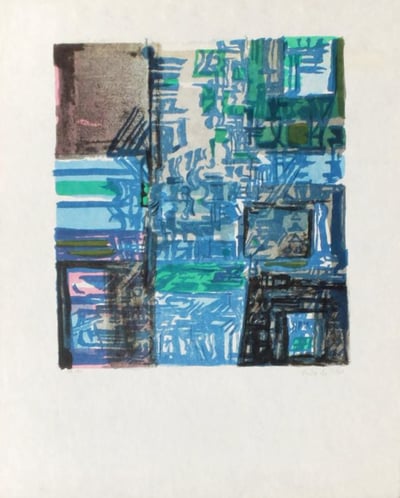
Helena Vieira da Silva
Faïence, 1971
Limited Edition Print
Lithograph
Currently Not Available
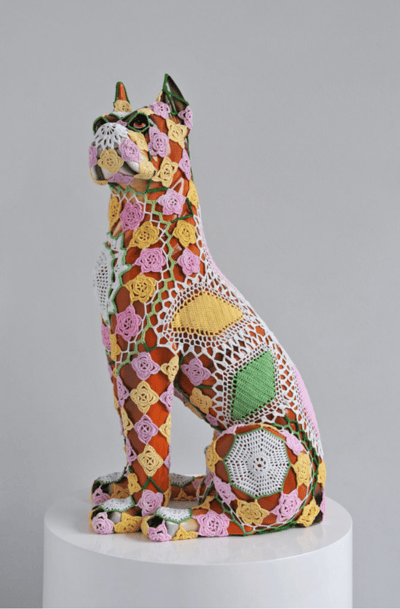
Joana Vasconcelos
Lady, 2014
Sculpture / Object
Textile
EUR 20,000
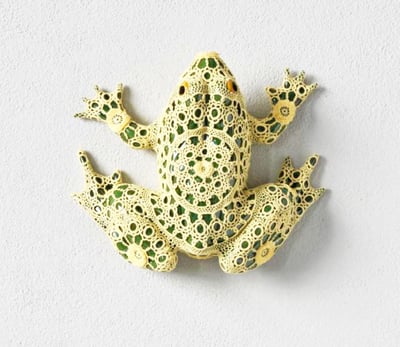
Joana Vasconcelos
Lovelace, 2014
Sculpture / Object
Textile
EUR 10,500
Related Articles
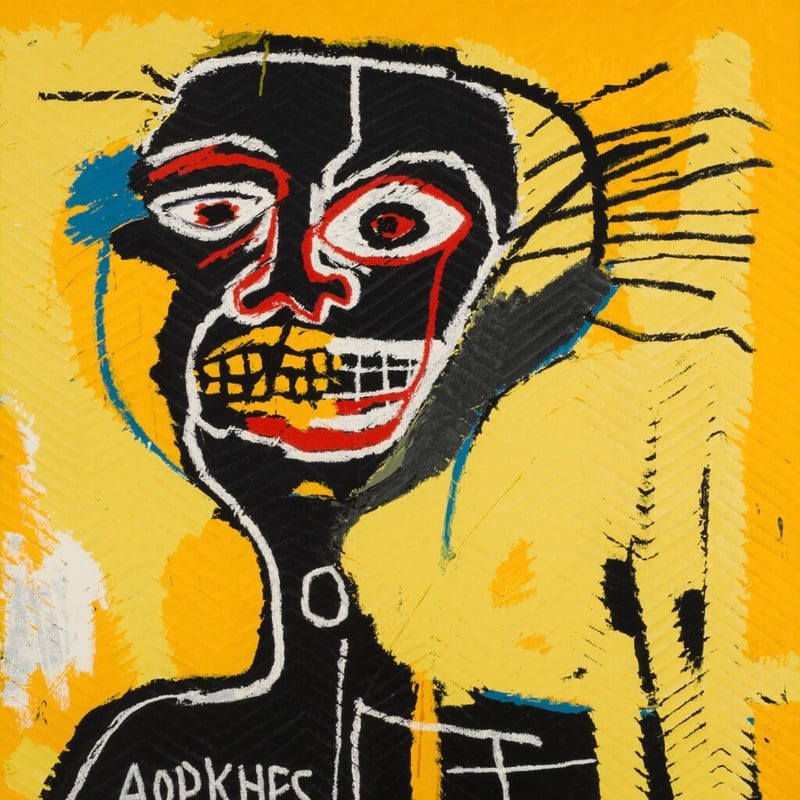
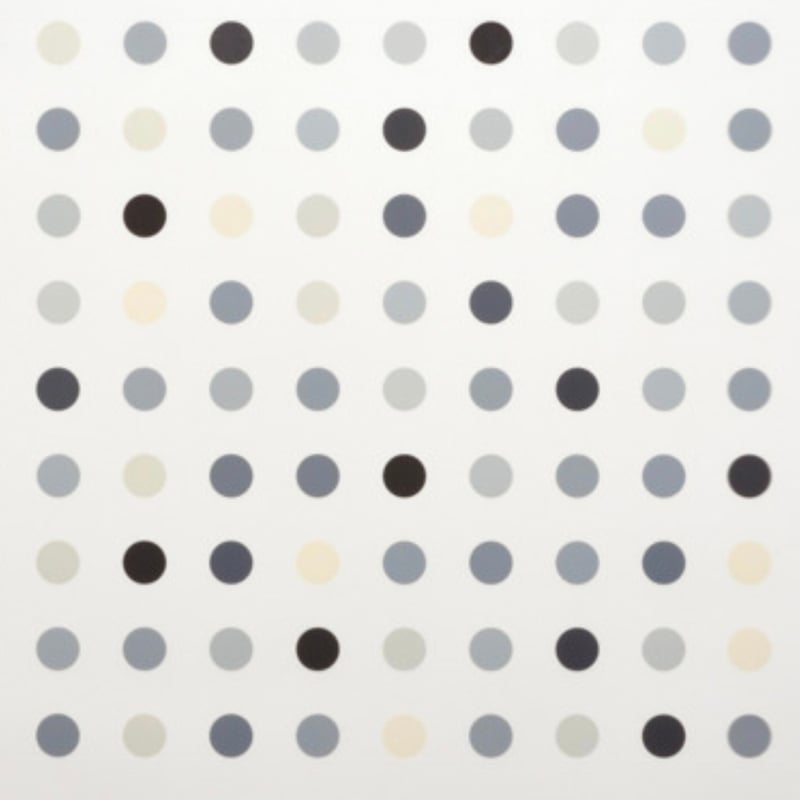


A plate is a broad, primarily flat vessel used for serving food, but it can also serve ceremonial or decorative purposes. Plates are typically circular, though they can be any shape and made from various water-resistant materials. Most plates have raised edges, either by curving upward or featuring a wider lip. Vessels without a raised edge or with a more rounded profile are often considered bowls or dishes, while very large, plate-shaped vessels might also be classified as dishes.
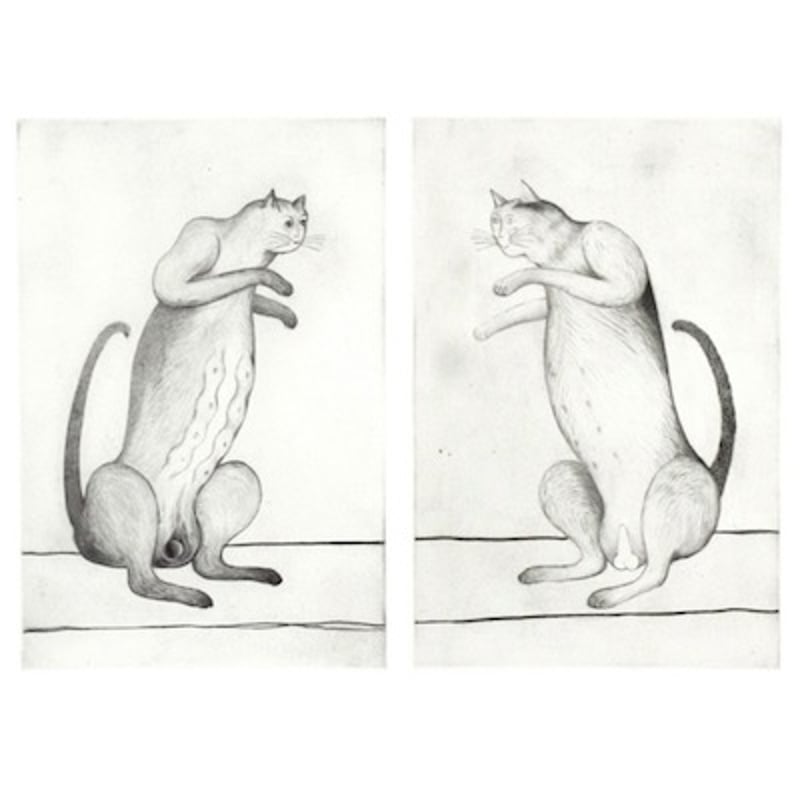
A diptych is an artwork composed of two panels. These panels can be painted, carved, or made using various mixed media techniques. They may be connected by hinges, allowing them to close for protection, or they can be displayed side by side. Historically, diptychs were often used in religious art.

The Aesthetic Movement emerged in the late 19th century, emphasizing the beauty and sensual qualities of art over practical or moral considerations. It promoted the idea of creating art for its own sake, valuing beauty and aesthetic experience as ends in themselves. The movement was particularly influential in Britain.
Can't find your Answer?
Thank you! Your question has been sent — we'll get back to you shortly.
