
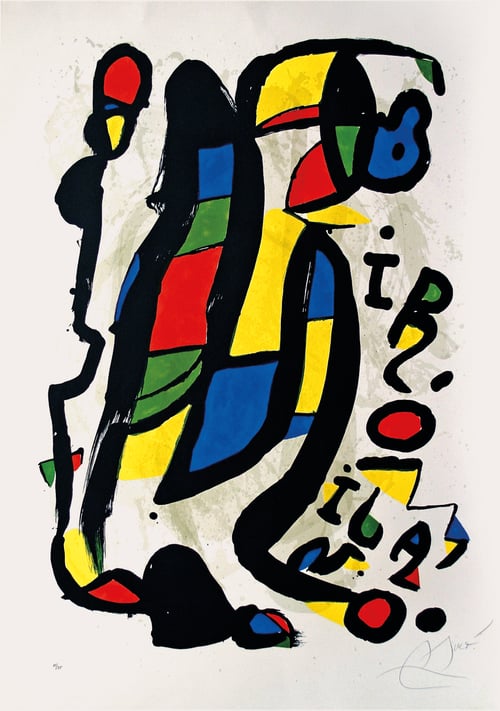
Joan Miró
© Joan Miró. All rights reserved.
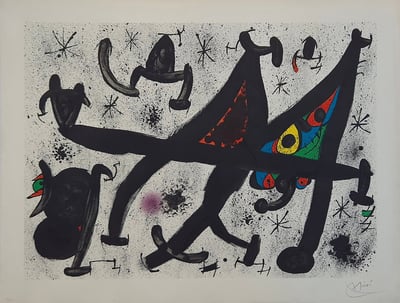
Joan Miró
Homenatge a Joan Prats 11, 1971
Limited Edition Print
Lithograph
Inquire For Price

Joan Miró
Pl.11 from L'enfance d'Ubu, 1975
Limited Edition Print
Lithograph
Inquire For Price
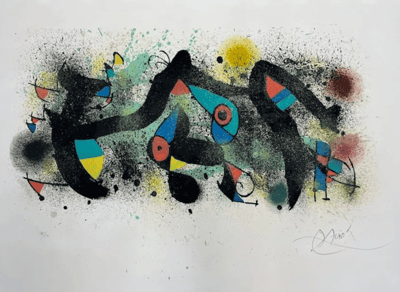
Joan Miró
Cerámicas de Miró y Artigas, 1974
Limited Edition Print
Lithograph
EUR 7,800

Joan Miró
Personnage Romantique, 1975
Limited Edition Print
Etching and Aquatint
EUR 9,000

Joan Miró
La Revolte des Caracteres, 1982
Limited Edition Print
Etching
EUR 7,800

Joan Miró
Le Lezard aux Plumes D'or, 1971
Limited Edition Print
Lithograph
EUR 6,700

Joan Miró
Le Lezard aux Plumes D'or, 1971
Limited Edition Print
Lithograph
EUR 7,200

Joan Miró
Untitled (Cosmic Bloom)
Drawing / Watercolor
Mixed Media
USD 17,000 - 21,000

Joan Miró
Untitled (Chromatic Scribble)
Drawing / Watercolor
Mixed Media
USD 17,000 - 21,000

Joan Miró
Les Oiseleurs I, 1951
Limited Edition Print
Lithograph
USD 18,500
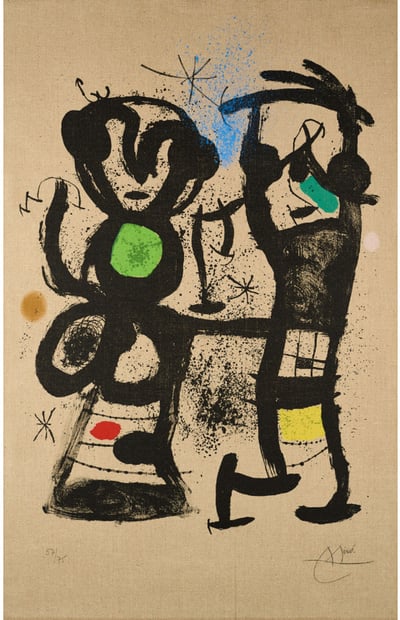
Joan Miró
La Conversation, 1969
Limited Edition Print
Lithograph
USD 25,000

Joan Miró
Arlequin Circonscrit, 1973
Limited Edition Print
Lithograph
USD 15,000
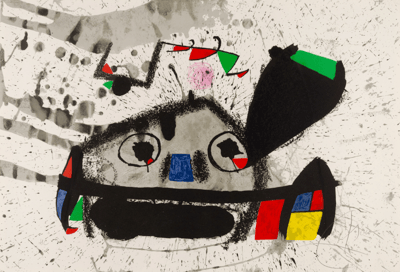
Joan Miró
Barcelona II, 1975
Limited Edition Print
Lithograph
USD 5,400
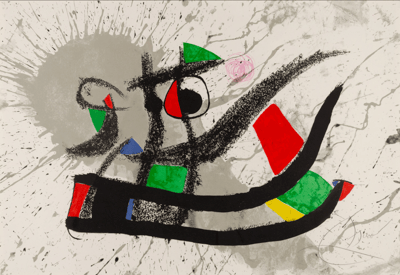
Joan Miró
Barcelona III, 1975
Limited Edition Print
Lithograph
USD 5,400

Joan Miró
Mandarin of the North, 1976
Limited Edition Print
Lithograph
USD 13,200

Joan Miró
42, Rue Blomet, 1977
Limited Edition Print
Lithograph
USD 13,100

Joan Miró
Untitled from Joan Miró, 1974
Limited Edition Print
Lithograph
USD 15,100
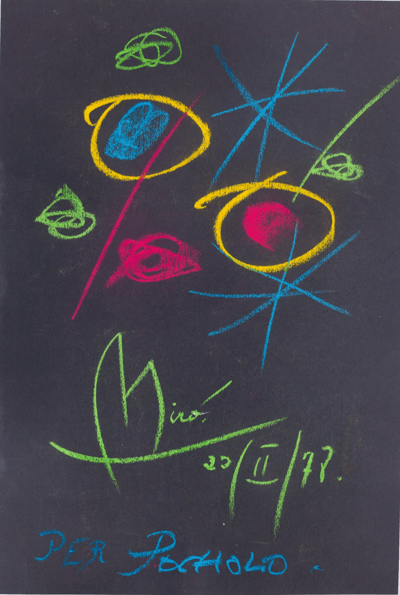
Joan Miró
Untitled (drawing), 1978
Drawing / Watercolor
Crayon
Inquire For Price
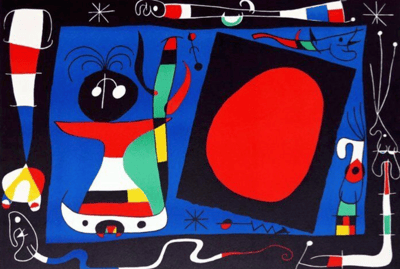
Joan Miró
Femme au Miroir / Woman at the Mirror, 1956
Limited Edition Print
Lithograph
EUR 3,950
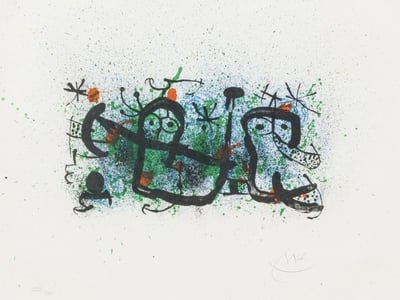
Joan Miró
Ma de proverbis - M. 673, 1970
Limited Edition Print
Lithograph
EUR 7,500

Joan Miró
Femme dans la nuit, Plate IX, 1959
Limited Edition Print
Lithograph
USD 3,800

Joan Miró
Untitled from Tracé sur l'Eau, 1963
Limited Edition Print
Etching and Aquatint
USD 5,250

Joan Miró
Miranda et La Spirale, 1979
Limited Edition Print
Etching
USD 5,100

Joan Miró
Préparatifs D'Oiseaux II, 1963
Limited Edition Print
Aquatint
USD 5,490
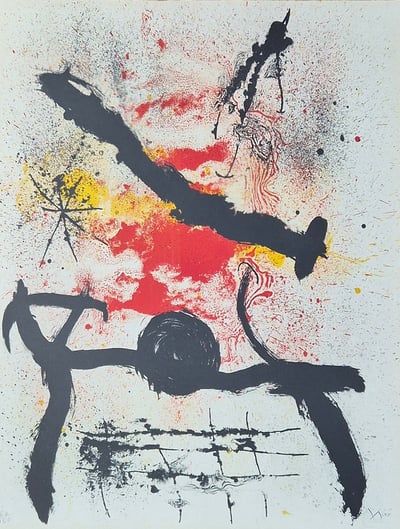
Joan Miró
Untitled from Graphikmappe Hochschule St. Gallen, 1964
Limited Edition Print
Lithograph
USD 6,800

Joan Miró
Composition for from XXe Siecle, No. 16, 1961
Limited Edition Print
Lithograph
USD 7,500

Joan Miró
Arlequin Circonscrit, 1973
Limited Edition Print
Lithograph
USD 8,450

Joan Miró
L'Hypnotiseur (orange), 1969
Limited Edition Print
Lithograph
USD 8,800

Joan Miró
Obra Gràfica, 1980
Limited Edition Print
Lithograph
USD 9,900
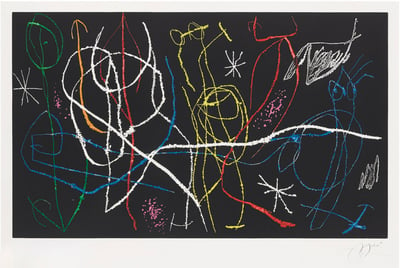
Joan Miró
Sunday Guest III (L'Invitée du Dimanche), 1969
Limited Edition Print
Etching
USD 10,900
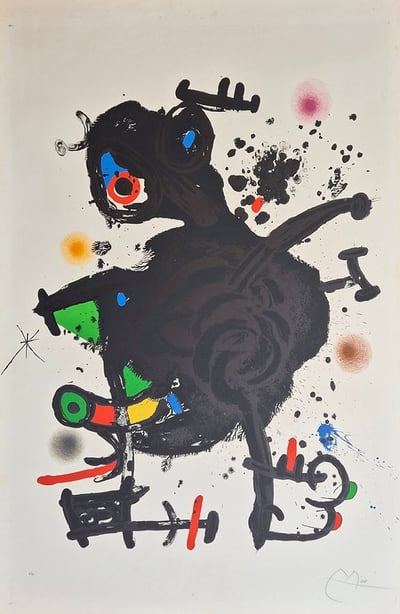
Joan Miró
Le gourou déployé, 1971
Limited Edition Print
Lithograph
USD 23,000

Joan Miró
Poster for the exhibition '100 sculptures', 1978
Limited Edition Print
Lithograph
USD 4,950

Joan Miró
One plate, from Série III, 1952-53
Limited Edition Print
Etching and Aquatint
USD 4,690

Joan Miró
Series I, vert sur rouge, 1961
Limited Edition Print
Lithograph
USD 12,000

Joan Miró
Obra Inedita Recent (plate IX), 1964
Limited Edition Print
Lithograph
USD 6,000

Joan Miró
Cahiers d'Art (Dupin 14-15), 1934
Limited Edition Print
Mixed Media
USD 10,000

Joan Miró
Poster proof before the lettering for the Galerie Matarasso, Nice, 1957
Limited Edition Print
Lithograph
EUR 5,050
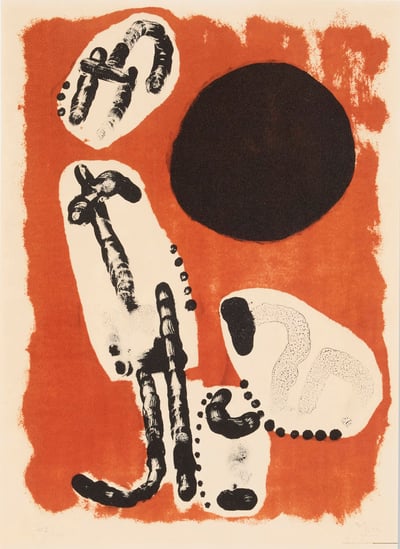
Joan Miró
Astrologie I, 1953
Limited Edition Print
Lithograph
USD 3,690

Joan Miró
Series I, red wash, 1961
Limited Edition Print
Lithograph
USD 5,310

Joan Miró
For XXe siècle no.31, 1968
Limited Edition Print
Lithograph
USD 4,750

Joan Miró
Untitled (from the Bouquet de rêves pour Neila portfolio), 1967
Limited Edition Print
Lithograph
USD 3,060

Joan Miró
Untitled (from the La bague d’Aurore portfolio), 1957
Limited Edition Print
Mixed Media
USD 14,850

Joan Miró
Les Geants III, 1960
Limited Edition Print
Aquatint
USD 4,690

Joan Miró
Le Marteau sans maître: one plate, 1976
Limited Edition Print
Etching and Aquatint
USD 4,950

Joan Miró
Plate III from Espriu-Miró, 1975
Limited Edition Print
Etching and Aquatint
USD 8,350
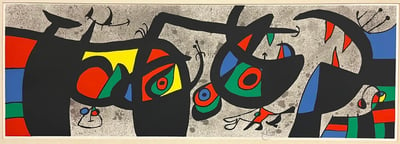
Joan Miró
Le lézard aux plumes d' or -II, 1971
Limited Edition Print
Lithograph
EUR 14,300

Joan Miró
One plate, Homenatge à Joan Prats, 1975
Limited Edition Print
Lithograph
USD 4,250

Joan Miró
Preparatifs d’Oiseaux, 1963
Limited Edition Print
Etching and Aquatint
USD 4,060

Joan Miró
Le Lezard aux Plumes d'Ord 3, 1971
Limited Edition Print
Lithograph
Inquire For Price

Joan Miró
I Work Like a Gardener, 1964
Limited Edition Print
Lithograph
EUR 13,800

Joan Miró
Untitled 3 from Maravillas con variaciones acrósticas , 1975
Limited Edition Print
Lithograph
USD 5,690

Joan Miró
Series III, 1952
Limited Edition Print
Etching
EUR 25,900

Joan Miró
Préparatifs d'oiseaux IV, 1963
Limited Edition Print
Aquatint
EUR 7,790

Joan Miró
El lagarto de las plumas de oro, 1971
Limited Edition Print
Lithograph
EUR 7,200
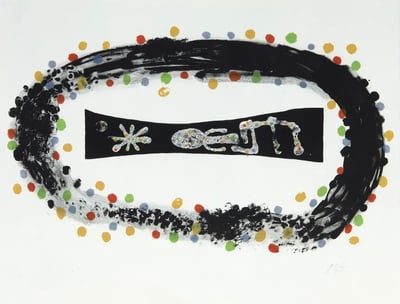
Joan Miró
Nebuleuse, 1958
Limited Edition Print
Lithograph
EUR 5,625

Joan Miró
Le Courtisan Grotesque VI, 1974
Limited Edition Print
Etching and Aquatint
EUR 3,125
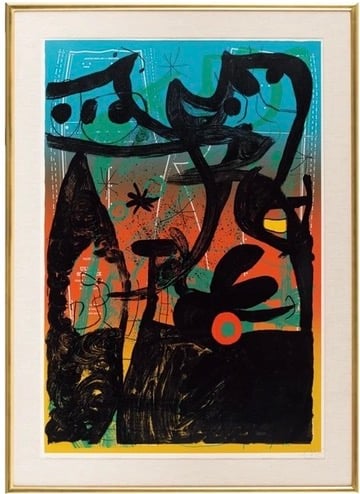
Joan Miró
Mannequin Parade in Bahia, 1969
Limited Edition Print
Lithograph
USD 40,500

Joan Miró
Terres de Grand Feu, 1956
Limited Edition Print
Lithograph
USD 4,500
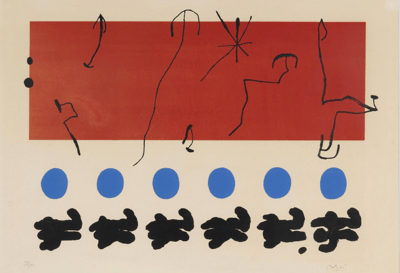
Joan Miró
Ciel rouge, 1960
Limited Edition Print
Lithograph
USD 4,850

Joan Miró
Emehpylop, 1968
Limited Edition Print
Drypoint
USD 9,700

Joan Miró
Personnage, 1980
Drawing / Watercolor
Pencil
Inquire For Price
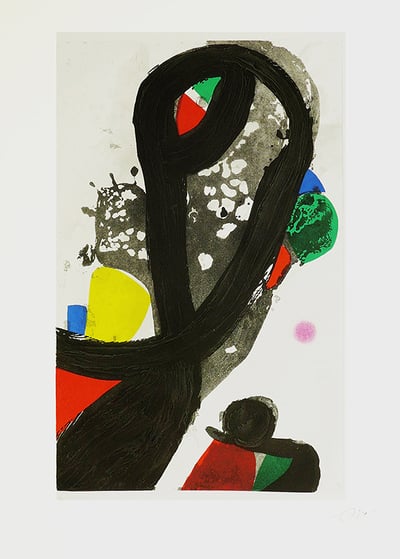
Joan Miró
La veuve du corsaire, 1981
Limited Edition Print
Etching and Aquatint
EUR 9,500
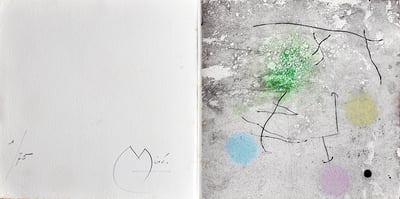
Joan Miró
Création Miró MCMLXI, 1962
Limited Edition Print
Etching and Aquatint
EUR 3,350

Joan Miró
Commedia D’arte V, 1979
Limited Edition Print
Etching
USD 15,000 - 20,000

Joan Miró
Quelques Fleurs IV, 1964
Limited Edition Print
Lithograph
USD 5,890
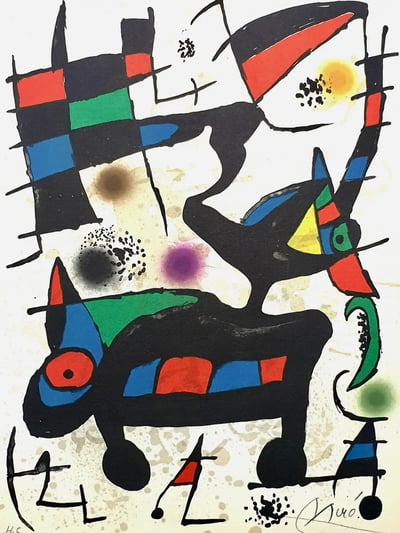
Joan Miró
Plate I from Oda à Joan Miró, 1973
Limited Edition Print
Lithograph
EUR 7,750

Joan Miró
Plate IV from Espriu, 1975
Limited Edition Print
Etching
EUR 19,500

Joan Miró
Le Lézard aux plumes d'or (book), 1971
Limited Edition Print
Lithograph
EUR 28,000 - 35,000
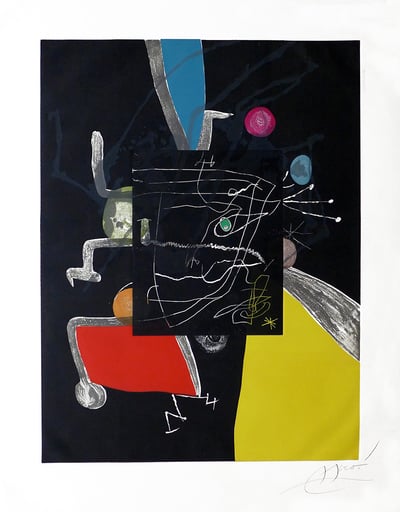
Joan Miró
Martí i Pol, 1976
Limited Edition Print
Mixed Media
EUR 14,250
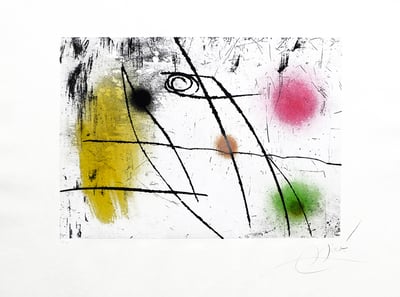
Joan Miró
Lapidari nº 37 Calsedonia, 1981
Limited Edition Print
Mixed Media
EUR 11,900
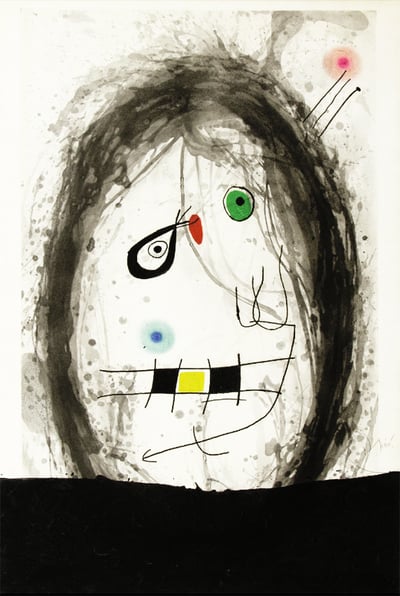
Joan Miró
L´exilé noir, 1969
Limited Edition Print
Mixed Media
EUR 15,400
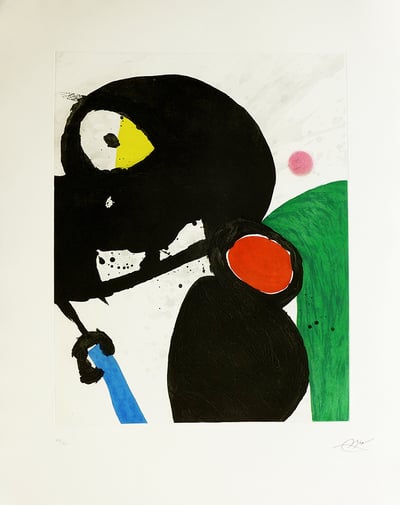
Joan Miró
La mangeuse de crabes, 1981
Limited Edition Print
Mixed Media
EUR 9,500

Joan Miró
Personnage II, 1979
Drawing / Watercolor
Pencil
Inquire For Price

Joan Miró
Miró Graveur VII, 1981
Limited Edition Print
Woodcut
EUR 8,350

Joan Miró
Miró Graveur III, 1981
Limited Edition Print
Woodcut
EUR 13,000

Joan Miró
Serie Mallorca I, 1973
Limited Edition Print
Etching and Aquatint
EUR 11,300

Joan Miró
Serie Mallorca III, 1973
Limited Edition Print
Etching and Aquatint
EUR 11,300

Joan Miró
Serie Mallorca - Negro y blanco IX, 1973
Limited Edition Print
Etching and Aquatint
EUR 8,350
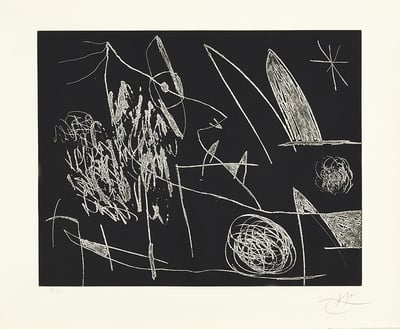
Joan Miró
Serie Mallorca - Negro y blanco VII, 1973
Limited Edition Print
Etching and Aquatint
EUR 8,350

Joan Miró
Serie Mallorca - Negro y blanco VI, 1973
Limited Edition Print
Etching and Aquatint
EUR 8,350
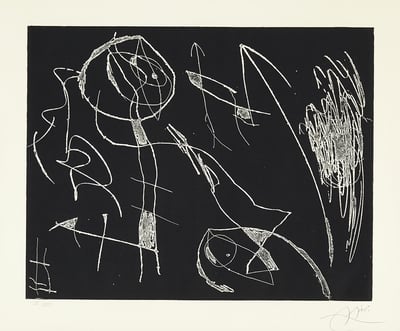
Joan Miró
Serie Mallorca - Negro y blanco I, 1973
Limited Edition Print
Etching and Aquatint
EUR 8,350

Joan Miró
Gaudí IX, 1979
Limited Edition Print
Etching and Aquatint
EUR 11,660
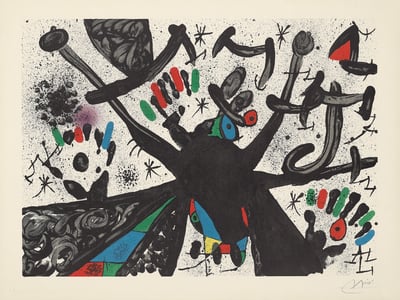
Joan Miró
Homenatge a Joan Prats 2, 1971
Limited Edition Print
Lithograph
USD 10,000
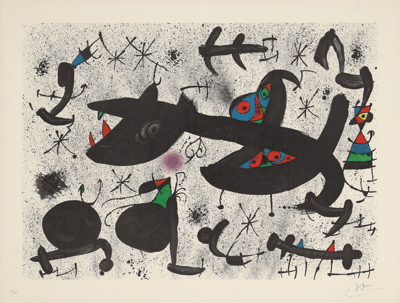
Joan Miró
Homenatge a Joan Prats, 1971
Limited Edition Print
Lithograph
USD 10,000
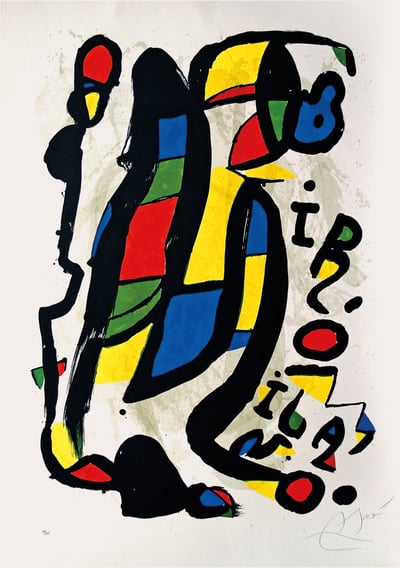
Joan Miró
Mirò Milano, 1981
Limited Edition Print
Lithograph
EUR 11,300
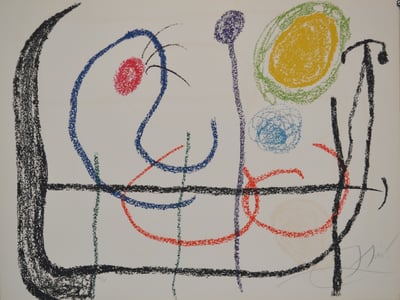
Joan Miró
Untitled, from Album 21 portfolio - M1136, 1978
Limited Edition Print
Lithograph
USD 6,250
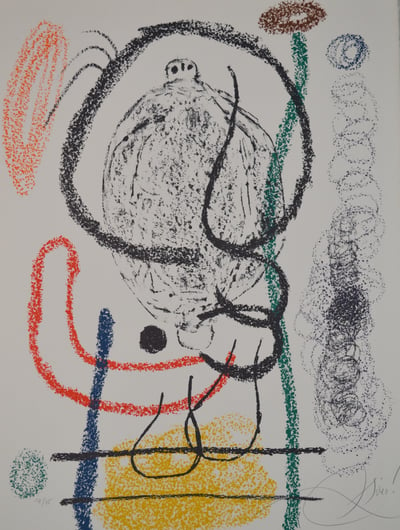
Joan Miró
Untitled, from Album 21 portfolio - M1130, 1978
Limited Edition Print
Lithograph
USD 6,250

Joan Miró
Les Scarabees - D1018, 1978
Limited Edition Print
Mixed Media
USD 6,250

Joan Miró
Paroles Peintres III - D446, 1967
Limited Edition Print
Etching and Aquatint
USD 5,000
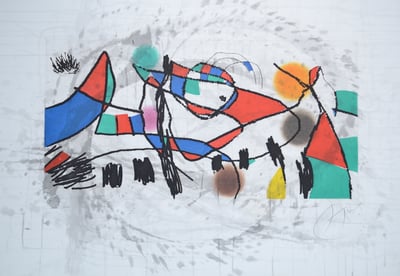
Joan Miró
Gravure Pour Un Exposition - D606, 1973
Limited Edition Print
Etching
USD 6,200

Joan Miró
Serie Mallorca - D618, 1973
Limited Edition Print
Etching and Aquatint
USD 6,200
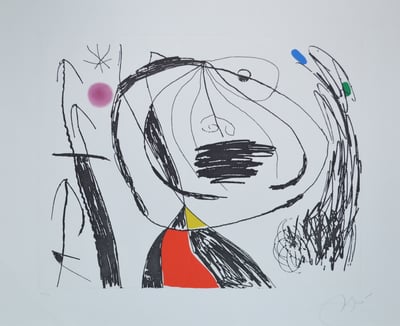
Joan Miró
Série Mallorca 5 - D615, 1973
Limited Edition Print
Etching and Aquatint
USD 6,500
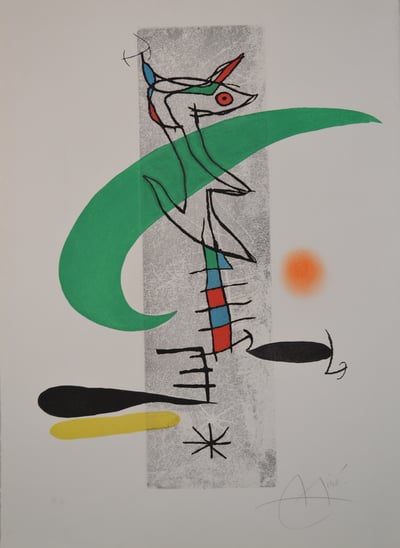
Joan Miró
Translunaire - D659, 1974
Limited Edition Print
Etching and Aquatint
USD 7,200

Joan Miró
Demi Mondaine A Sa Fenetre - D742, 1975
Limited Edition Print
Etching and Aquatint
USD 7,200

Joan Miró
Vega - D1006, 1978
Limited Edition Print
Etching
USD 6,200
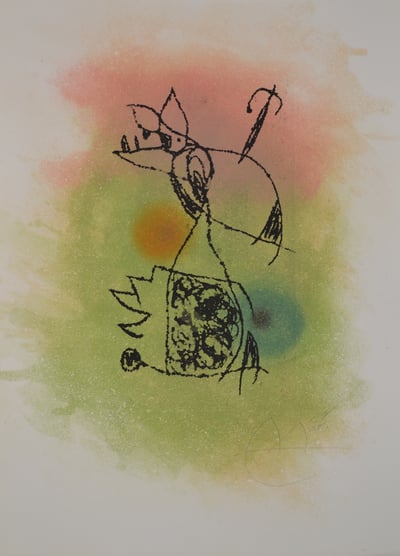
Joan Miró
Le Criquet - D1021, 1978
Limited Edition Print
Etching and Aquatint
USD 6,500

Joan Miró
Le Souriceau - D1026, 1978
Limited Edition Print
Etching
USD 6,300

Joan Miró
Grand Duc II (Grand Duke II) - D395, 1965
Limited Edition Print
Etching
USD 6,250

Joan Miró
L'Invention Du Feu - D284, 1960
Limited Edition Print
Aquatint
USD 5,250

Joan Miró
Series II - Rouge et Vert - M288, 1961
Limited Edition Print
Lithograph
USD 4,375
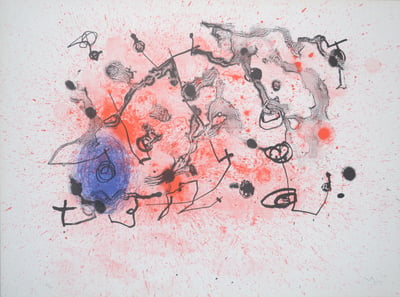
Joan Miró
Series II, Blue and Red - M291, 1961
Limited Edition Print
Lithograph
USD 4,375
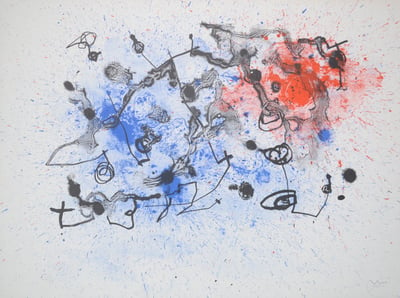
Joan Miró
Series II - Blue And Red - M290, 1961
Limited Edition Print
Lithograph
USD 4,375

Joan Miró
Series II Blue Red And Green - M294, 1961
Limited Edition Print
Lithograph
USD 4,375
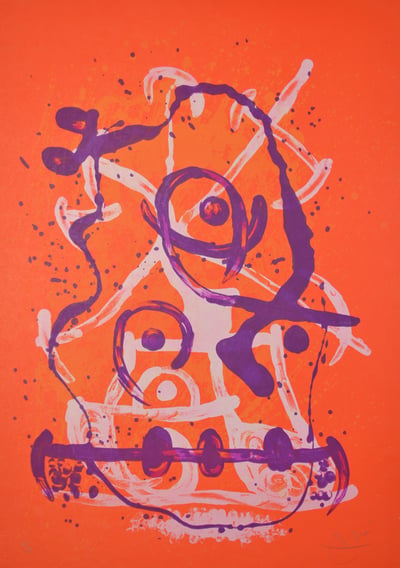
Joan Miró
Chevauchee Rouge Et Violet - M610, 1969
Limited Edition Print
Lithograph
USD 6,500
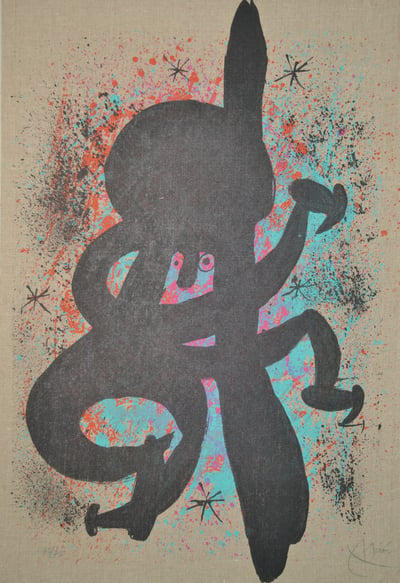
Joan Miró
The Feverish Eskimo - M637, 1969
Limited Edition Print
Lithograph
USD 6,500

Joan Miró
La Nuit Tentaculaire - M639, 1969
Limited Edition Print
Lithograph
USD 6,200
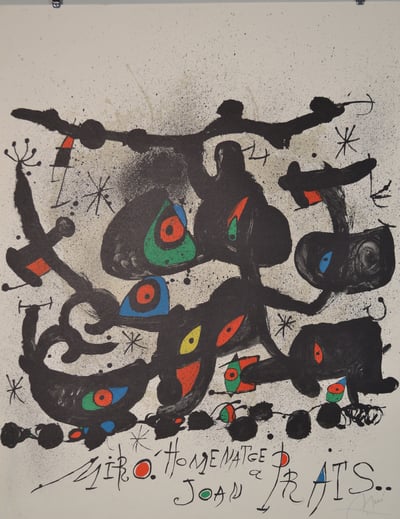
Joan Miró
Homentage A Joan Prats - M735, 1971
Limited Edition Print
Lithograph
USD 6,200

Joan Miró
Hommage A Miro - M868, 1972
Limited Edition Print
Lithograph
USD 5,300

Joan Miró
Homentage A Joan Prats - M852, 1972
Limited Edition Print
Lithograph
USD 5,300
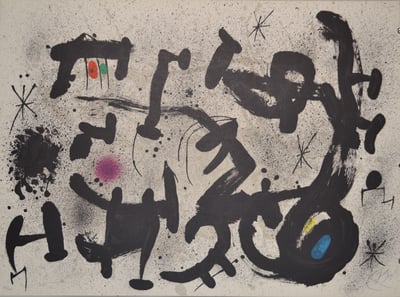
Joan Miró
Hommage A Joan Prats - M1034, 1975
Limited Edition Print
Lithograph
USD 5,200
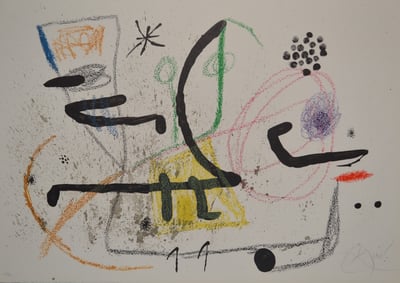
Joan Miró
Maravillas - M1061, 1975
Limited Edition Print
Lithograph
USD 6,500

Joan Miró
Album 21 - M1132, 1978
Limited Edition Print
Lithograph
USD 6,250

Joan Miró
Album 21, plate 14 - M1139, 1978
Limited Edition Print
Lithograph
USD 6,200
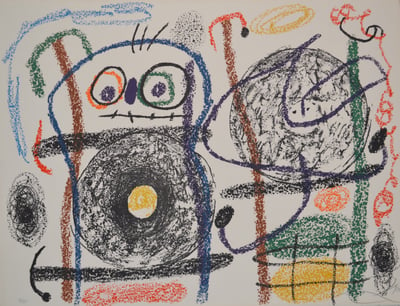
Joan Miró
Album 21, plate 15 - M1140
Limited Edition Print
Lithograph
USD 6,250

Joan Miró
Le Bagnard - M594 , 1969
Limited Edition Print
Lithograph
USD 7,450

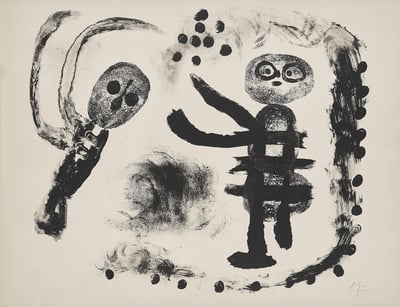
Joan Miró
Maravillas - M1055
Limited Edition Print
Lithograph
USD 6,250
Joan Miró
Petite Fille au Bois, 1958
Limited Edition Print
Lithograph
EUR 3,750

Joan Miró
Passage de L´Egyptienne 2, 1985
Limited Edition Print
Etching
EUR 6,600
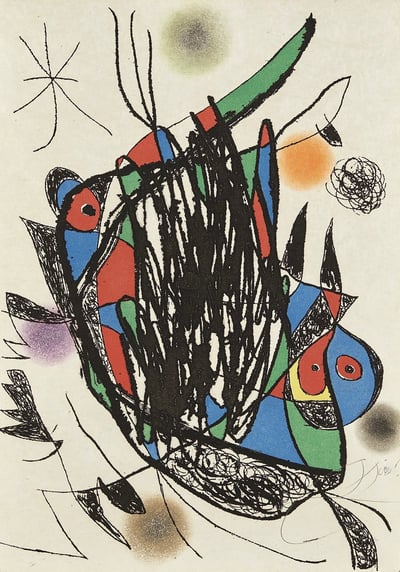
Joan Miró
Passage De L'Egyptienne 5, 1985
Limited Edition Print
Etching and Aquatint
EUR 7,200

Joan Miró
Passage De L'Egyptienne 3, 1985
Limited Edition Print
Etching
EUR 6,600
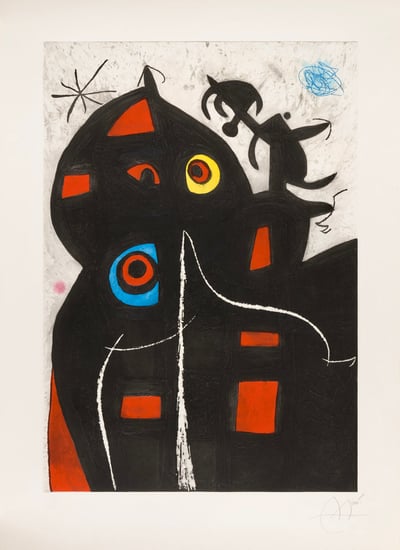
Joan Miró
Pantagruel, 1978
Limited Edition Print
Etching and Aquatint
EUR 30,000

Joan Miró
La chevelure De Bérénice II, 1963
Limited Edition Print
Etching and Aquatint
EUR 6,250

Joan Miró
Miró 1959-1961, 1959
Limited Edition Print
Aquatint
EUR 2,250

Joan Miró
Fusées 1, 1959
Limited Edition Print
Etching
EUR 8,400

Joan Miró
Gravures Pour Une Exposition , 1973
Limited Edition Print
Etching and Aquatint
EUR 10,800
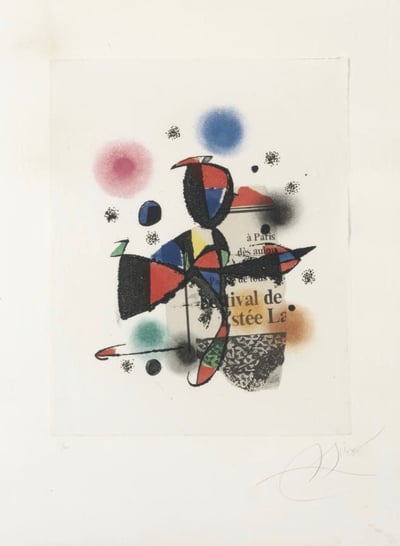
Joan Miró
Gaudi XV, 1979
Limited Edition Print
Etching and Aquatint
EUR 9,600

Joan Miró
El Aguador I, 1962
Limited Edition Print
Aquatint
EUR 5,000

Joan Miró
Derrière Le Miroir, Nº 119., 1960
Limited Edition Print
Lithograph
EUR 5,000

Joan Miró
Passage De L'Egyptienne 4, 1985
Limited Edition Print
Etching and Aquatint
EUR 7,200

Joan Miró
Passage De L'Egyptienne 12, 1985
Limited Edition Print
Etching
EUR 7,200

Joan Miró
Sobreteixims I Escultures, 1972
Limited Edition Print
Lithograph
Currently Not Available
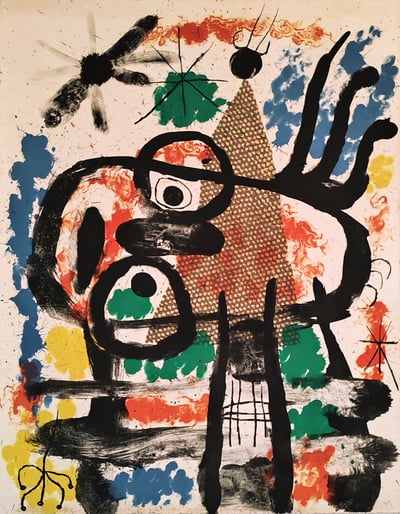
Joan Miró
Album 19, Planche 5, 1961
Limited Edition Print
Lithograph
Artwork On Hold

Joan Miró
Le Roi des lapins, 1981
Limited Edition Print
Etching and Aquatint
Currently Not Available
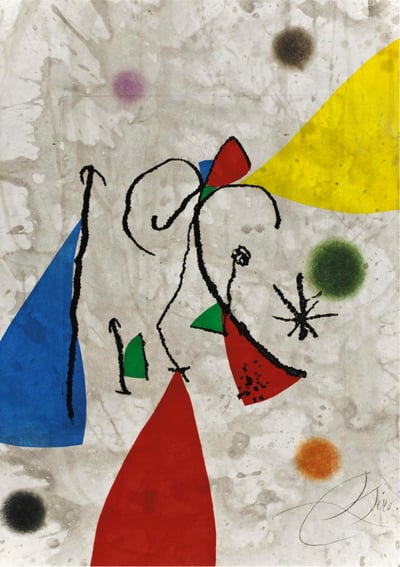
Joan Miró
Passage De L'Egyptienne, 10, 1985
Limited Edition Print
Etching and Aquatint
Currently Not Available
Joan Miró’s lifelong flirtation with non-objectivity and tenacious experimentation, he worked widely in lithography and at the same time he produced several sculptures, abundant murals, and embroideries for public spaces. Although he was a Surrealist, Joan Miró had an influence on color field painters and abstract expressionists.
Joan Miró’s major consideration was social, which is getting close to the human masses/ feeling, and he was extremely swayed that returning to the roots is the only way art can make an honest appeal. In his late years, he continued to embrace modern society by being interested in the young generations to see what the future holds. He never lost his passion or the spark of creativity and continued to work until his demise.
Related Artists


Related Articles

Popular, News, Collecting - December 18, 2025
20 Years of Composition Gallery - A Conversation with the Founder
Celebrating 20 years of digital art excellence: Discover how Composition Gallery built global trust in online collecting through curation and integrity.Read More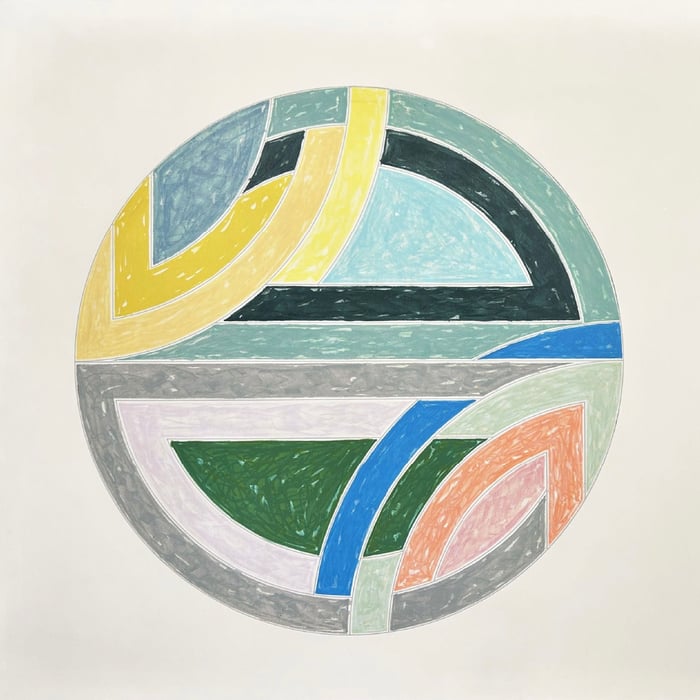
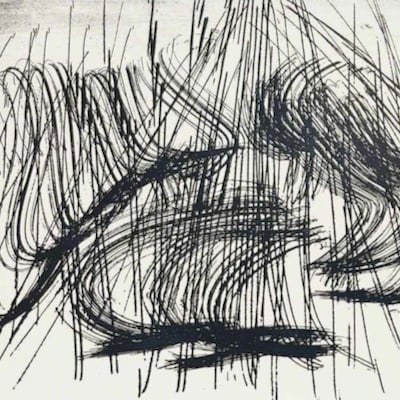 Artwork by Hans Hartung
What is automatism?
Automatism refers to a technique in the creative process that accesses material from the unconscious or subconscious mind. It is based on Sigmund Freud’s psychoanalytic method of free association. Artists value this process for its ability to inspire creative thought and spontaneous creation.
Explore »

