
Untitled WT EP 17, 1985
Form
Medium
Size
- Inches
- Centimeters
Edition
Price
- USD
- EUR
- GBP
- CHF
- Authenticity Guaranteed
- Insured Shipping
- Online Since 2005

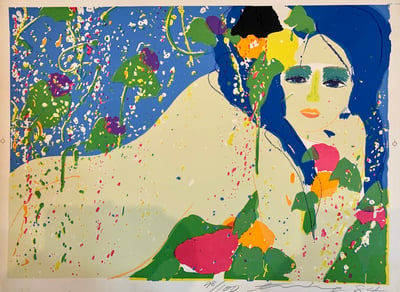
Walasse Ting
Natasha, 1997
Drawing / Watercolor
Mixed Media
Inquire For Price
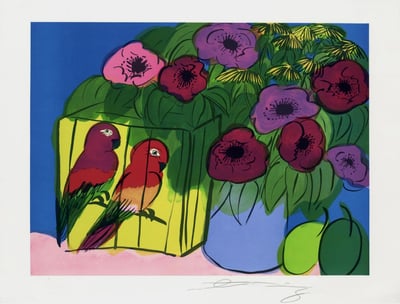
Walasse Ting
Lovely Nude, 1984
Limited Edition Print
Lithograph
EUR 1,100
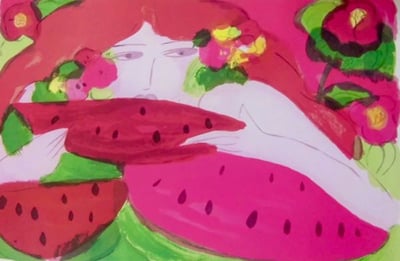
Walasse Ting
Conversation, 1985
Limited Edition Print
Lithograph
EUR 990
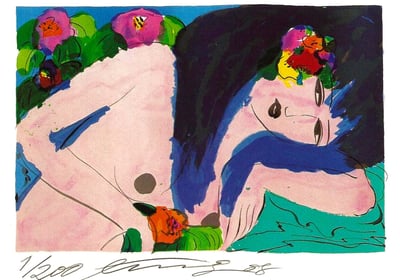
Walasse Ting
Untitled WT EP 17, 1985
Limited Edition Print
Lithograph
EUR 1,450
Walasse Ting
Untitled WT EP 20, 1985
Limited Edition Print
Lithograph
EUR 1,490
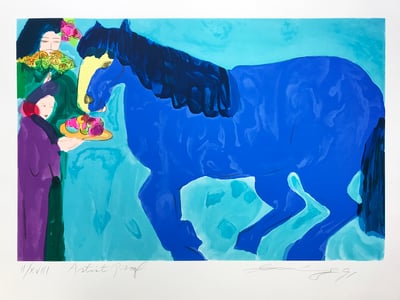
Walasse Ting
Blue horse, 1991
Limited Edition Print
Screen-print
Currently Not Available
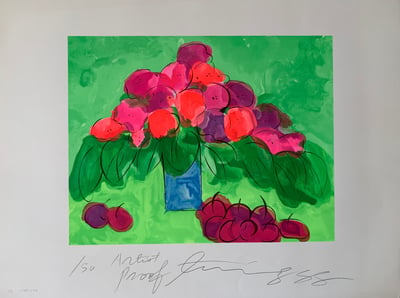
Walasse Ting
I Love Cherries and Flowers, 1980
Limited Edition Print
Lithograph
Currently Not Available
Related Artists


Related Articles
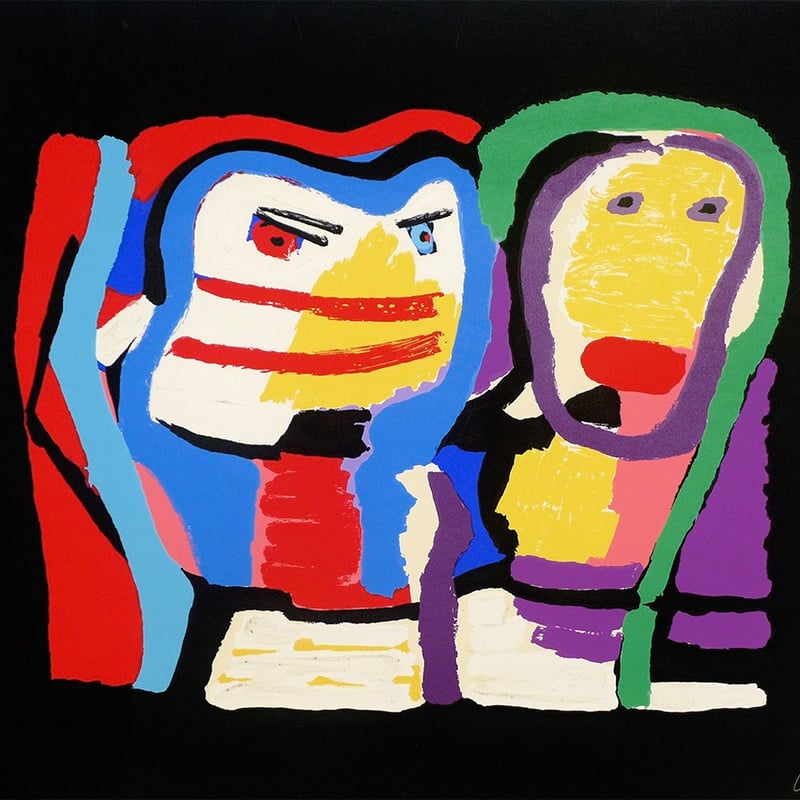
Art Movements - November 21, 2022
Botch, Blotch and Splotch: The Exuberant Maelstrom of the Cobra Art Movement.
Explore the CoBrA movement’s bold creativity, blending raw expression and experimentation. Discover its impact on post-war art and avant-garde traditions.Read More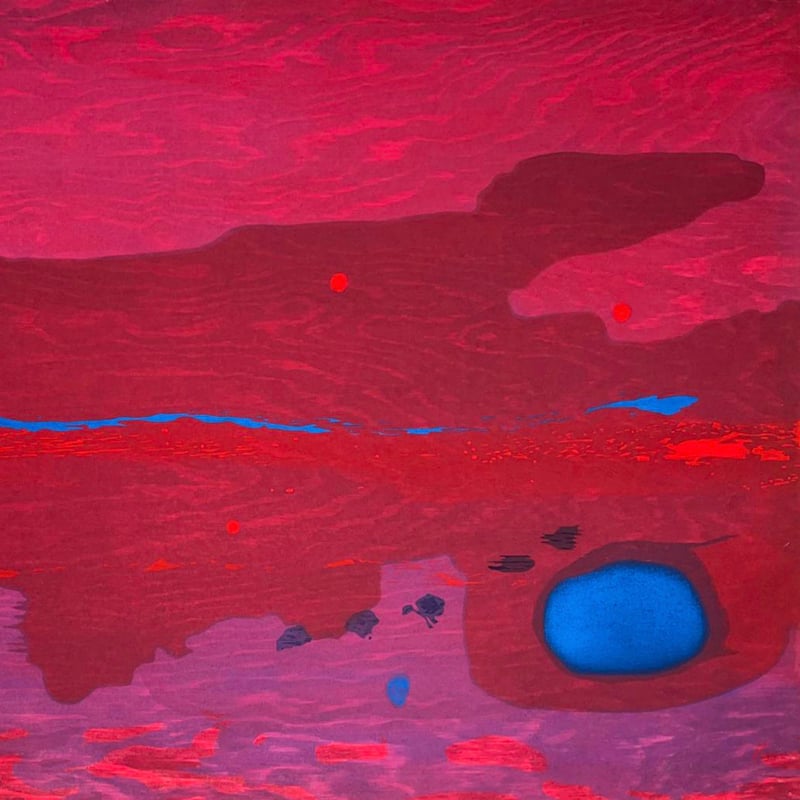
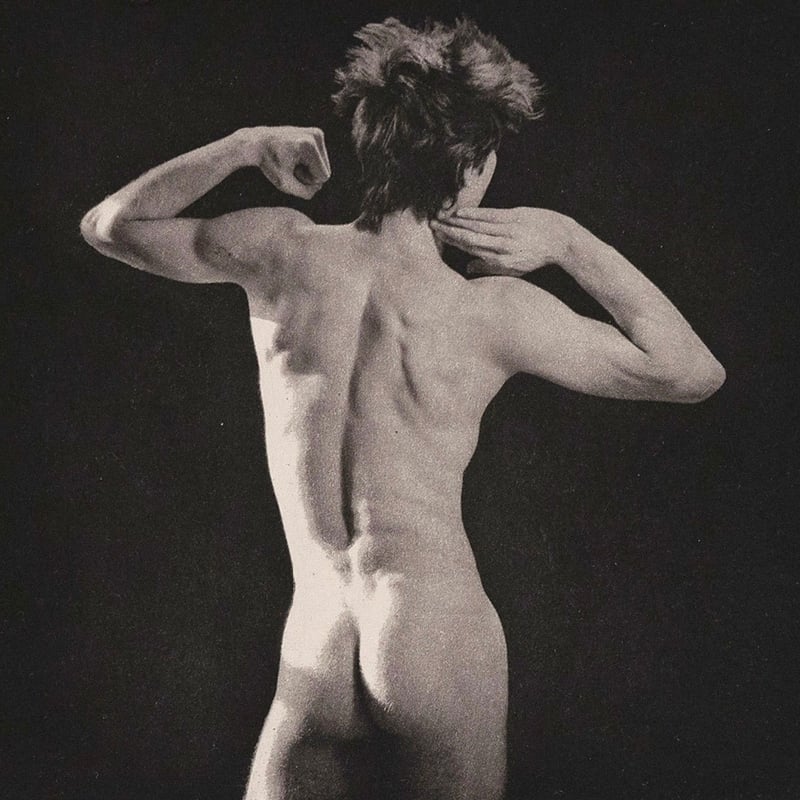
What is abstract expressionism?
Abstract Expressionism is an art movement that emerged in the United States during the 1940s and 1950s. Characterized by large, abstract canvases, the movement emphasized spontaneous, expressive brushwork and the use of color and form to convey emotion rather than represent reality. Artists like Jackson Pollock, Mark Rothko, and Willem de Kooning are key figures in this movement. Abstract Expressionism marked a shift in the art world, making New York City a center of the international art scene.

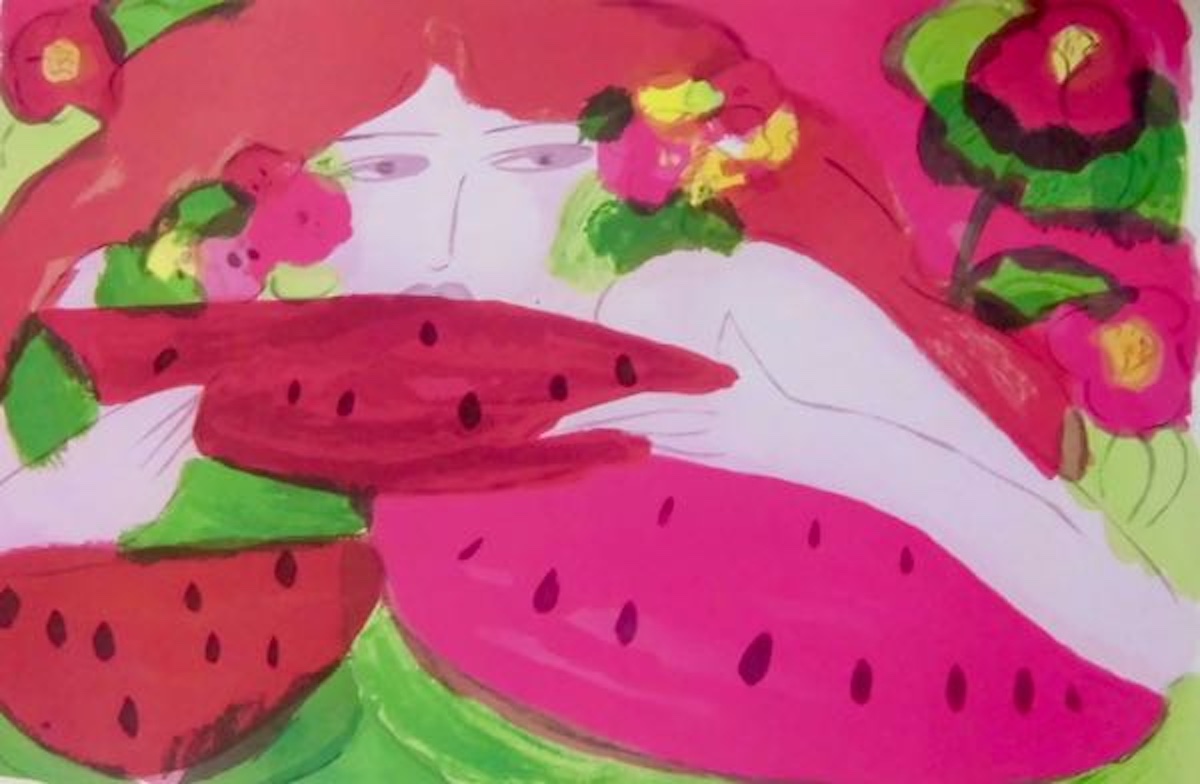
Walasse Ting
Untitled WT EP 17, 1985
72 x 101 cm


