Original Chromogenic print -Signed, numbered and dated
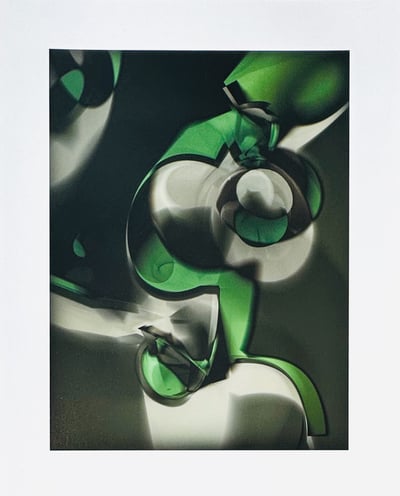
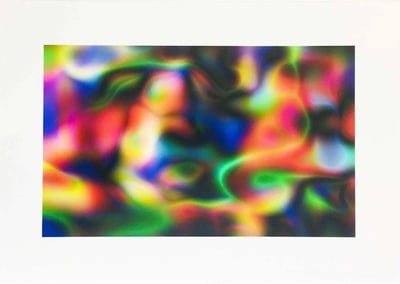
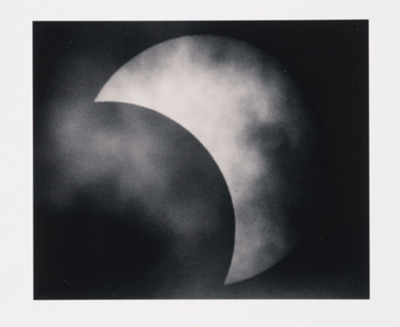
Thomas Ruff’s PHG.06_I (2013) is a limited edition chromogenic (C-print) that explores the intersection of abstraction and digital manipulation. The image presents an array of overlapping, semi-transparent shapes in muted tones of red, beige, and hints of purple. The forms appear fluid, as if in motion, with soft edges blending into one another, creating a sense of depth and dynamism. Ruff, known for his innovative use of technology in art, uses digital techniques to deconstruct familiar forms, leaving viewers to interpret the ambiguous shapes in their own way. This print measures approximately 49.8 x 39.9 cm and exemplifies Ruff's fascination with the boundaries between photography and digital abstraction.
Thomas Ruff (Germany, 1958) is a contemporary photographer known for his conceptual approach and exploration of the photographic medium. A member of the Düsseldorf School, he has produced diverse series, including large-scale portraits, architectural studies, and digitally manipulated images. Ruff's work challenges perceptions of reality and representation in photography.
C-PrintA C-type print, also known as a chromogenic print, is a photographic print made from a color negative or slide. The print is created on chromogenic paper, which contains three emulsion layers, each sensitized to a different primary color. After exposure, the paper is processed in a series of chemical baths, where each layer reacts to the chemicals to produce the final image. C-type prints are known for their rich color depth and are widely used in fine art and commercial photography.
Original Chromogenic print -Signed, numbered and dated
Thomas Ruff’s PHG.06_I (2013) is a limited edition chromogenic (C-print) that explores the intersection of abstraction and digital manipulation. The image presents an array of overlapping, semi-transparent shapes in muted tones of red, beige, and hints of purple. The forms appear fluid, as if in motion, with soft edges blending into one another, creating a sense of depth and dynamism. Ruff, known for his innovative use of technology in art, uses digital techniques to deconstruct familiar forms, leaving viewers to interpret the ambiguous shapes in their own way. This print measures approximately 49.8 x 39.9 cm and exemplifies Ruff's fascination with the boundaries between photography and digital abstraction.
Thomas Ruff (Germany, 1958) is a contemporary photographer known for his conceptual approach and exploration of the photographic medium. A member of the Düsseldorf School, he has produced diverse series, including large-scale portraits, architectural studies, and digitally manipulated images. Ruff's work challenges perceptions of reality and representation in photography.
My images are not images of reality, but show a kind of second reality, the image of the image.
- Thomas Ruff
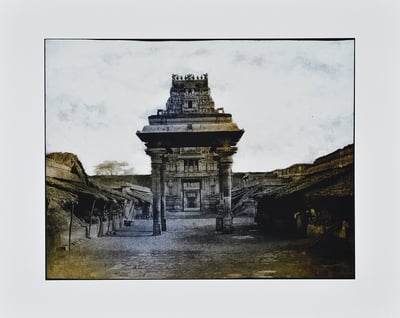
Deemed the ‘master of edited and reimagined images’, Thomas Ruff is a photographer renowned for his use of technological advancements as a means of bringing new meaning and visual possibilities to his field. Press++ is among the photographer’s most notable works and is comprised of numerous images that had been published in American newspapers and magazines between the 1920’s and 1970’s, later sourced by Ruff on eBay - in producing the works, he scanned the front and back of the images and digitally combined them, with consideration taken of touch-ups, scribbles and date stamps. Among Ruff’s wider oeuvre are expressionless portraits, blurred pornography, domestic interiors and internet-sourced JPEGs. Heavily inspired by his teachers Bernd and Hilla Becher, Ruff learned from their expertise in straight photography; Joel Meyerowitz and Stephen Shore are among his other early influences.
Digital art refers to artistic practices or works that utilize digital technology as an essential component of both the creation and presentation process. Since the 1970s, various terms like multimedia and computer art have been used to describe this practice. Digital art is a subset of the broader category known as new media art, which has brought significant changes to the art world. Technology has transformed traditional forms of painting, drawing, sound/music, and sculpture into new digital formats, expanding the possibilities of artistic expression.