Details
Artist
Styles
Fine color screen print, signed by the artist. // Addis Abeba 8 by Otto Piene, a screen print from 1972, is a vibrant exploration of abstract form and intense color. Dominated by bold red and black hues, the composition conveys a sense of energy and movement through sweeping, textured brushstrokes that evoke a floral or organic shape. At the center, a dark triangular form contrasts sharply against the rich red background, drawing the eye and adding a sense of grounding amidst the dynamic swirls. Piene, known for his association with the Zero group, often explored light, color, and elemental forms, and this work is no exception. The artwork encapsulates the intensity of expressionism and an almost primal aesthetic, suggesting themes of creation, energy, and transformation.
Addis Abeba 8, 1972
form
Medium
Size
146 x 96 cm
- Inches
- Centimeters
Edition
Price
- USD
- EUR
- GBP
Details
Artist
Styles
Fine color screen print, signed by the artist. // Addis Abeba 8 by Otto Piene, a screen print from 1972, is a vibrant exploration of abstract form and intense color. Dominated by bold red and black hues, the composition conveys a sense of energy and movement through sweeping, textured brushstrokes that evoke a floral or organic shape. At the center, a dark triangular form contrasts sharply against the rich red background, drawing the eye and adding a sense of grounding amidst the dynamic swirls. Piene, known for his association with the Zero group, often explored light, color, and elemental forms, and this work is no exception. The artwork encapsulates the intensity of expressionism and an almost primal aesthetic, suggesting themes of creation, energy, and transformation.
- Recently Added
- Price (low-high )
- Price (high-low )
- Year (low-high )
- Year (high-low )

Otto Piene
Addis Abeba, 1972
Limited Edition Print
Silkscreen
EUR 19,500

Otto Piene
Seuloeil (red), 1991
Limited Edition Print
Screen-print
EUR 2,600

Otto Piene
Seuloeil Blau/schwarzes Auge, 1991
Limited Edition Print
Screen-print
EUR 2,600

Otto Piene
Seuloeil (white), 1991
Limited Edition Print
Screen-print
EUR 2,600

Otto Piene
Zyklop Rot, 1984
Limited Edition Print
Mixed Media
EUR 2,400

Otto Piene
Zyklop Gelb, 1984
Limited Edition Print
Carborundum
EUR 2,400

Otto Piene
Addis Abeba 8, 1972
Limited Edition Print
Screen-print
EUR 3,200

Otto Piene
Blue Streak, 1980
Limited Edition Print
Screen-print
Currently Not Available

Otto Piene
Rastersonne, 2009
Ceramics
Mixed Media
Currently Not Available
Related Artists


Related Articles

Popular, Art Movements - November 25, 2025
Trash to Treasure: Eco-Art and the Beauty of Recycled Materials
Discover how artists turn trash into treasure—transforming e-waste, scrap, and textiles into powerful, sustainable eco-art with global impact. Read More

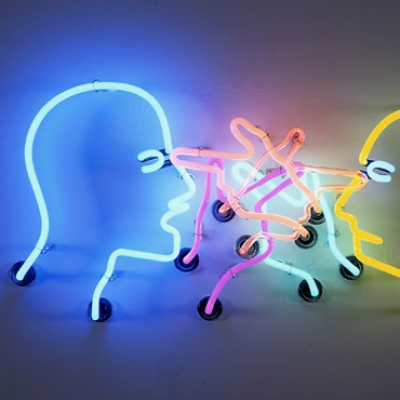
What is Process Art?
Process Art is an artistic movement and creative approach where the focus is on the act of creation rather than the final product. The term process in this context refers to the various stages of art-making, including gathering, sorting, associating, and organizing materials and actions. This movement emphasizes the artistic journey and the human expression involved in creating art, rather than the finished piece itself. Process Art is driven by inherent motivation, intentionality, and the rationale behind the actions, viewing the creative process as the true artwork.