Collecting Gerhard Richter Editions: A Guide for New and Seasoned Collectors
By Emilia Novak
Gerhard Richter is the rare artist whose market operates at almost every level. His unique paintings command prices accessible mainly to institutions and a small group of private collectors, while his prints, photographic editions and multiples offer a more attainable way to engage with his work.
For many collectors, a Richter edition is their first work by an artist represented in the world’s leading museums. Prices vary considerably, however, and not everything described as a “Richter edition” belongs to the same category.
The market has its own terminology, reference literature and potential pitfalls. Understanding the difference between a historic catalogue-raised edition, a later authorized print, a facsimile object and a signed poster is essential before making a purchase.
Why Richter made editions
Richter has produced editions since the mid-1960s, almost as long as he has pursued his mature painting practice. They were not simply an afterthought or a merchandising exercise. Prints, photographs, objects, artist’s books and other multiples form an important and independent part of his wider body of work.
Some editions were conceived directly in a graphic, photographic or three-dimensional medium. Others revisit images associated with his paintings, including landscapes, blurred photographic subjects and abstractions.
Not all of these objects should be understood in the same way. Some are original graphic works created specifically as editions; others are later, artist-authorized print publications or facsimile objects based on existing paintings. Both can be legitimate collecting categories, but their histories, materials and market positions are different.
The principal reference: Butin’s catalogue raisonné
For Richter editions produced through 2013, the principal reference is Gerhard Richter: Editions 1965–2013, compiled by Hubertus Butin and Stefan Gronert. It documents prints, photographic editions, artist’s books, multiples, objects and other editioned works produced during that period.
For works falling within its dates and scope, a Butin catalogue number is normally expected. Later authorized editions and facsimile objects may not have a Butin number and may instead be identified through the artist, publisher and publisher-specific references, such as the P numbers used for HENI editions.
Before buying, the following questions should be answerable:
What is the relevant catalogue or publisher reference?
For a work produced through 2013, this will often be a Butin number. For a later publication, it may be a publisher’s edition reference.Does the physical work match the documented specifications?
Check the medium, dimensions, paper or support, edition size, publisher, inscriptions and signature status.Was the edition originally issued signed or unsigned?
An unsigned impression from an edition that was published unsigned is very different from a work that should carry a signature but does not.How is the individual impression identified?
Numbered impressions, artist’s proofs, printer’s proofs and other variants should be understood and documented where applicable.
The absence of a Butin number does not automatically make a work illegitimate, particularly when it was produced after 2013. It does, however, mean that the publisher, authorization and production history must be clearly established.
The main categories of Richter editions
Historic catalogue-raised editions
The central part of the established Richter edition market consists of prints, photographic works, artist’s books and objects documented in the catalogue raisonné.
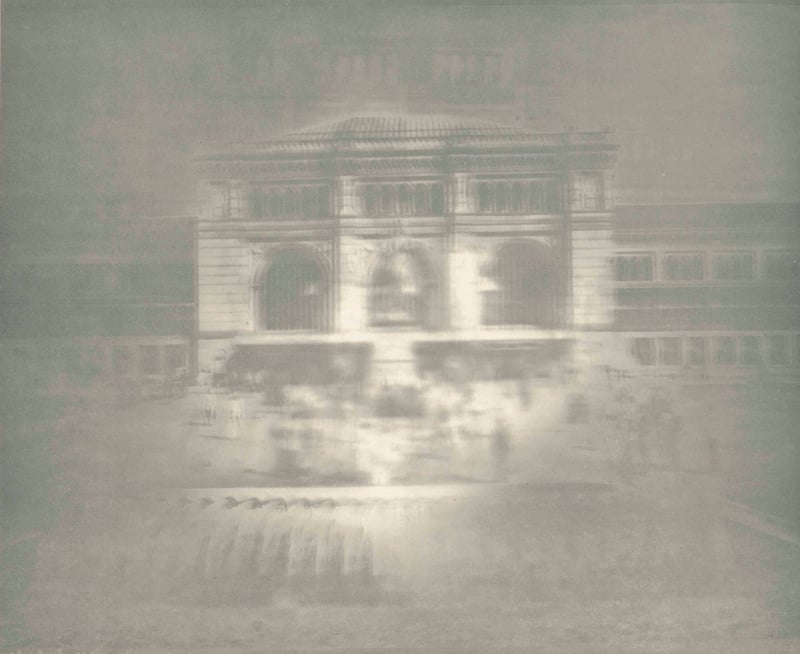
Techniques include offset lithography, lithography, screenprint, photography and mixed-media production. Historic examples such as Bahnhof (Hannover), Self-portrait and Elizabeth demonstrate how Richter translated his investigation of photography, repetition and visual uncertainty into editioned form.
Some of these works were hand-signed and numbered. Others were issued unsigned or with different forms of inscription. The catalogue entry and the specifications of the individual edition—not assumptions about how an edition “should” look—must determine what is correct.
Later authorized print editions
A separate category consists of later print publications based on earlier paintings or images. These may be produced in numbered editions and accompanied by documentation from the publisher, but they should not automatically be equated with Richter’s historic, catalogue-raised graphic editions.
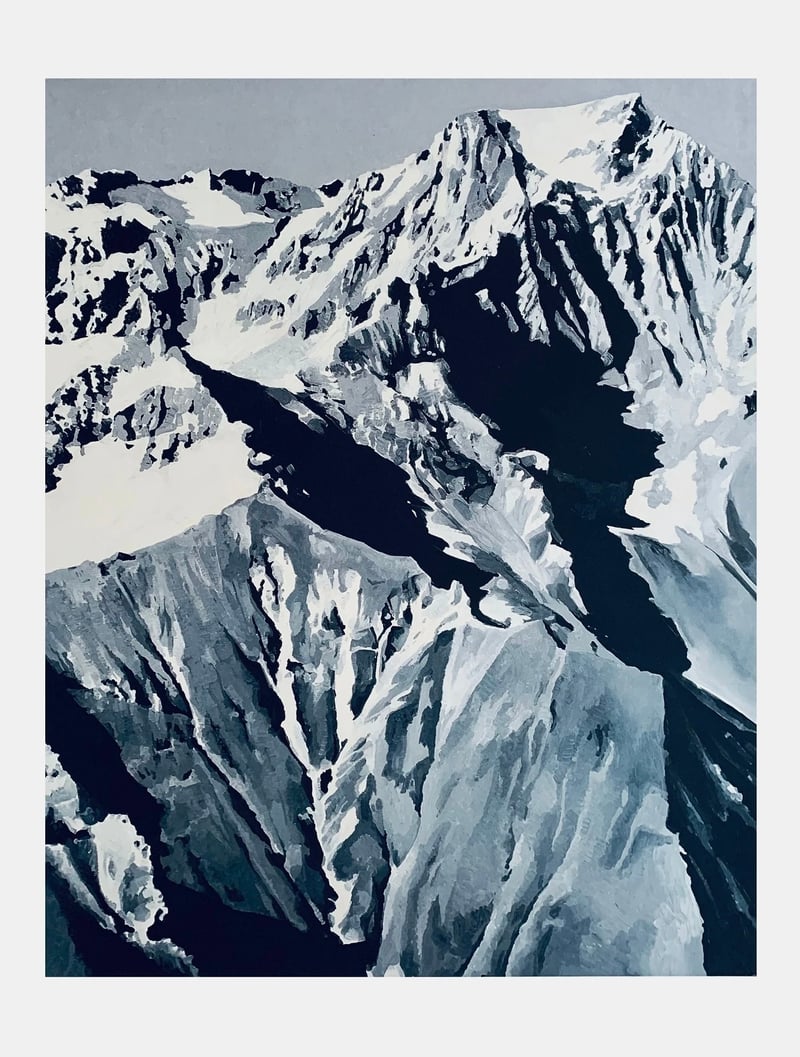
Works such as Seestück (bewölkt), Eis (Ice) and Juno make important Richter images accessible in carefully produced contemporary formats.
Collectors should confirm the year of publication, edition size, signature status, publisher and type of certificate supplied. The date of the original painting and the date of the later print publication should always be stated separately.
Facsimile objects and the P series
Richter’s facsimile objects form another distinct collecting category. These are high-fidelity, artist-authorized objects based on paintings and produced in defined editions, frequently using photographic or digital printing mounted beneath a glossy Diasec surface.
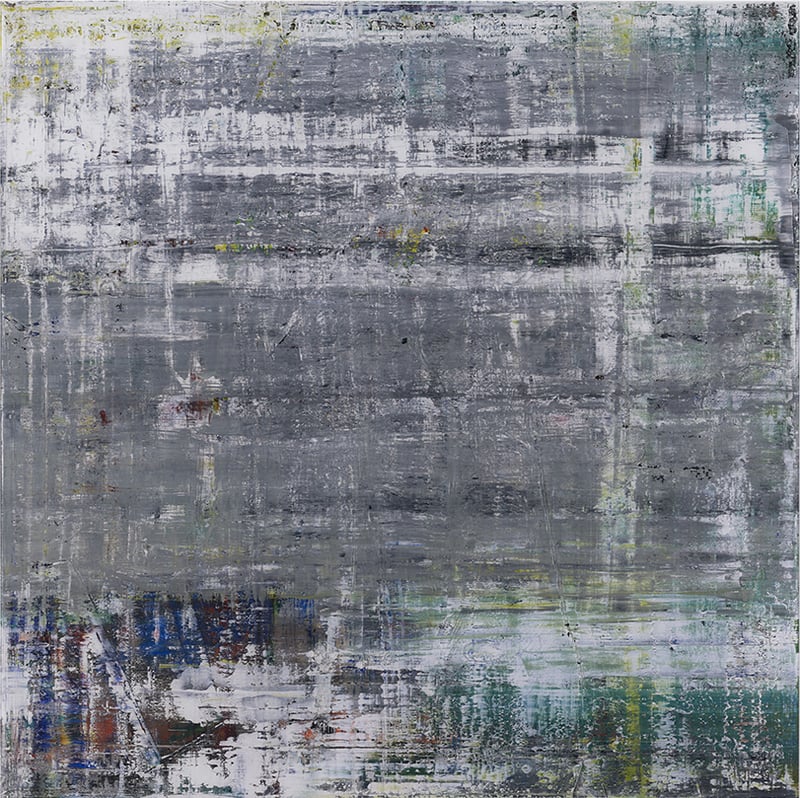
The P series includes works such as Cage P19-1 and Flow P16. The Cage P19 works, for example, were published by HENI as unsigned, numbered facsimile objects.
These works have brought major images, including the Cage abstractions, within reach of a broader collector base. Nevertheless, a facsimile object and a hand-signed historic edition are different market segments. Their pricing, rarity, production methods and collecting appeal should be evaluated separately.
Posters, offsets and ephemera
Exhibition posters, announcements, invitations and other printed material occupy the most accessible end of the Richter market. Some examples were signed by Richter at exhibitions or other events.
They can be visually compelling, historically interesting and collectible, particularly when connected to an important exhibition. However, a signed exhibition poster is not automatically a signed limited edition. Sellers should clearly distinguish between an edition conceived as an artwork and a piece of ephemera subsequently signed by the artist.
What influences the value of a Richter edition?
No single factor determines value. The following elements usually interact.
Subject and relationship to Richter’s wider work.
Collectors often respond strongly to recognizable motifs such as abstractions, seascapes, clouds, candles, skulls and blurred photographic subjects. Works connected to important paintings or established bodies of work may attract additional attention.
Type of edition.
A historic graphic edition, a later authorized print, a facsimile object and a signed poster should not be compared as though they were interchangeable.
Signature and edition size.
All else being equal, a hand-signed impression will usually command more than an otherwise comparable unsigned one, and a smaller edition may attract a premium over a larger edition. Subject, quality, rarity and historical importance can nevertheless outweigh either factor.
Condition.
Condition is particularly important with glossy photographs, Diasec-mounted works and large sheets of paper. Scratches, abrasions, edge damage, staining, fading, rippling and poor mounting can materially affect desirability.
Cibachrome and other photographic processes each have their own conservation characteristics. No photographic work is immune to damage from excessive light, heat, moisture, unsuitable framing or careless handling.
Provenance and documentation.
Publisher labels, original invoices, gallery records, certificates and catalogue references help establish what the work is and how it entered the market. Documentation should correspond precisely to the individual work rather than merely to the edition in general.
Market context.
Major museum exhibitions and renewed scholarly attention can bring particular periods or images back into focus. This may influence visibility and demand, but it does not guarantee an increase in value.
How to buy safely
The Richter secondary market is active and international, which makes careful verification essential.
Identify the exact category of work. Determine whether it is a historic edition, later print publication, facsimile object, poster or another type of multiple.
Request the relevant reference. This may be a Butin number, publisher’s reference, P number or other documented identifier.
Check the entire object, not only the signature. Dimensions, materials, printing method, paper, inscriptions, numbering, publisher’s marks and provenance must all be consistent.
Do not rely on signature comparison alone. A plausible signature cannot compensate for incorrect materials, dimensions or production details.
Request a written condition report. For glossy or Diasec-mounted works, ask for high-resolution photographs taken from several angles and under raking light.
Clarify what documentation is included. Establish whether the work comes with a publisher’s certificate, original invoice, gallery certificate, catalogue reference or other supporting material.
Buy from a seller who will stand behind the description. The invoice should identify the artist, title, date, medium, dimensions, edition and signature status accurately.
Treat “rare and undocumented” with caution. With an artist whose work has been extensively researched, the absence of documentation is normally a reason for further investigation, not an advantage.
Where should a collector start?
There is no single correct entry point. Some collectors begin with an image they immediately recognize; others focus on a particular decade, medium or aspect of Richter’s work.
A coherent group can be more rewarding than a collection built solely around individual market opportunities. Landscapes, photographic subjects, abstractions or works from a single period can each provide the basis for a focused collection.
It is also important to compare like with like. A large unsigned facsimile object should be compared with other examples from the same publication, not with a small hand-signed edition from the 1970s. Likewise, a correctly priced later print may be more satisfying than a compromised historic edition purchased solely because of its age.
The best starting point is a work whose image you value and whose precise status you understand. Buy the strongest example you can reasonably afford, with appropriate documentation and in the best available condition, without assuming a guaranteed financial return.
Collecting Richter through Composition Gallery
Composition Gallery has specialized in blue-chip secondary-market editions for more than two decades. Our Richter holdings include historic editions, later authorized print publications and facsimile objects across his figurative, landscape and abstract bodies of work.
Every work we offer is condition-checked and accompanied by documentation appropriate to the individual work, including catalogue or publisher references where applicable.
Browse all available Gerhard Richter works →
Questions about a specific edition—whether offered by us or one you are considering elsewhere? Write to us. Assessing the category, documentation, condition and market position of Richter editions is a regular part of our work.
FAQ
Are unsigned Richter editions worth collecting?
Yes, when the edition was originally issued unsigned and the price reflects that status. An unsigned edition can be entirely authentic and properly documented. The important point is whether the work is correct for that particular publication.
An unsigned impression should not be presented as incomplete if the complete edition was published unsigned. Conversely, a signature added after publication requires additional scrutiny and does not automatically transform a poster or later print into a signed original edition.
What is a facsimile object?
A facsimile object is a high-fidelity, artist-authorized object based on another work, usually a painting. Richter’s examples are typically produced in defined editions using photographic or digital processes and may be mounted beneath a Diasec surface.
They are a legitimate collecting category, but they are different from hand-signed historic graphic editions.
How do I check a catalogue raisonné number?
For editions produced through 2013, Gerhard Richter: Editions 1965–2013 by Hubertus Butin and Stefan Gronert is the principal reference. Major art libraries hold copies, and a specialist dealer should be able to confirm the relevant entry.
For later editions, consult the original publisher’s records and documentation. HENI facsimile objects, for example, use P-series references.
Do Richter editions hold their value?
Some Richter editions have maintained sustained collector demand, particularly works connected to recognizable subjects and important periods. However, values fluctuate, transaction costs can be substantial and resale is never guaranteed.
Correct identification, condition, provenance, documentation and the price paid will all influence future marketability. A collector should therefore buy primarily for the quality and significance of the work, not on the assumption of a certain financial return.
Related Articles
Popular, News, Artists - January 27, 2026
Gerhard Richter at Fondation Louis Vuitton: Why It Matters for Collectors
Art dealer Kris Ghesquière examines the Gerhard Richter exhibition at Fondation Louis Vuitton and its significance for collectors and the art market.Read More
Related Artworks You Might Like
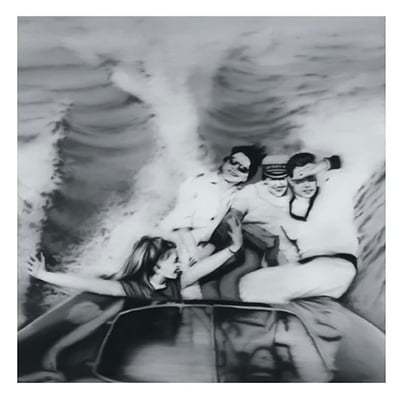
Gerhard Richter
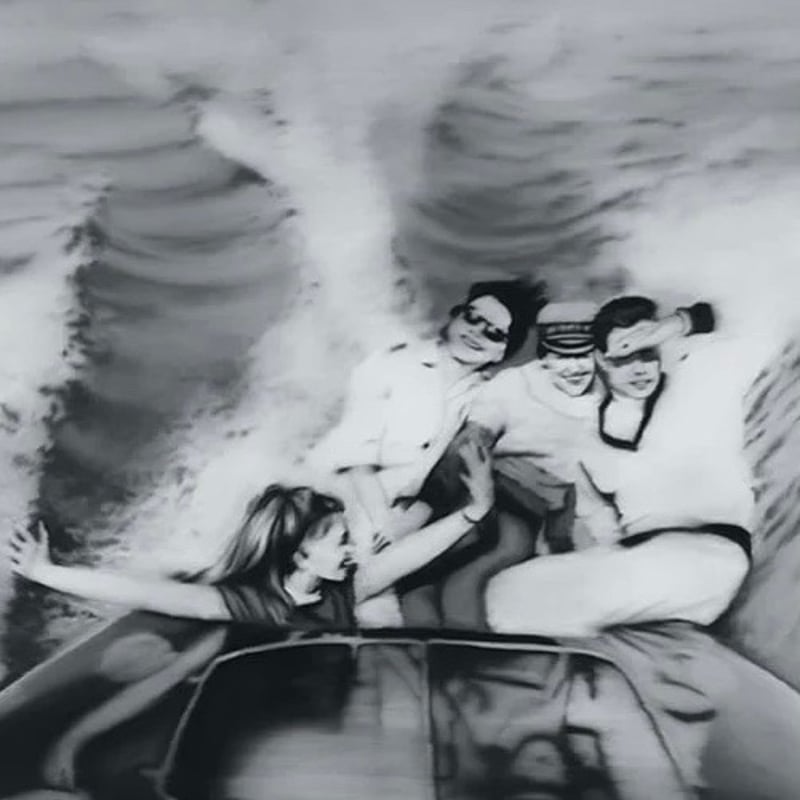
Motorboot, 1965/2022
Limited Edition Print
Offset Print
GBP 5,300

Gerhard Richter
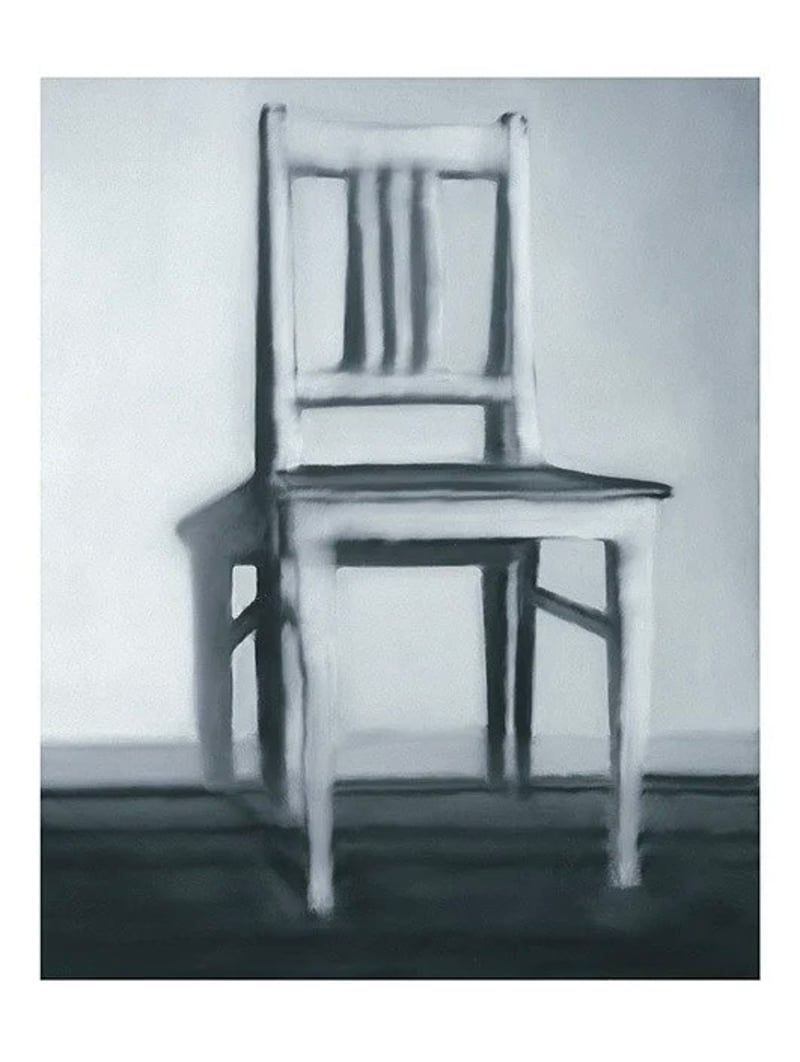
Küchenstuhl, 1965/2022
Limited Edition Print
Offset Print
GBP 2,100
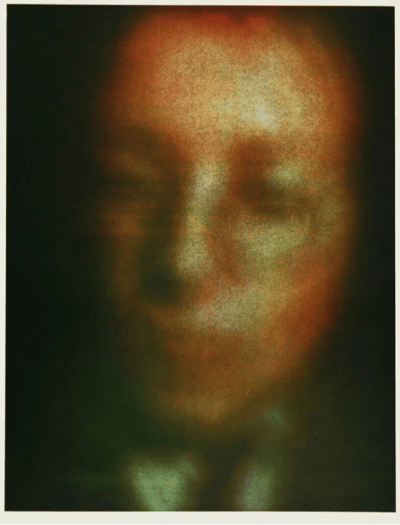
Gerhard Richter
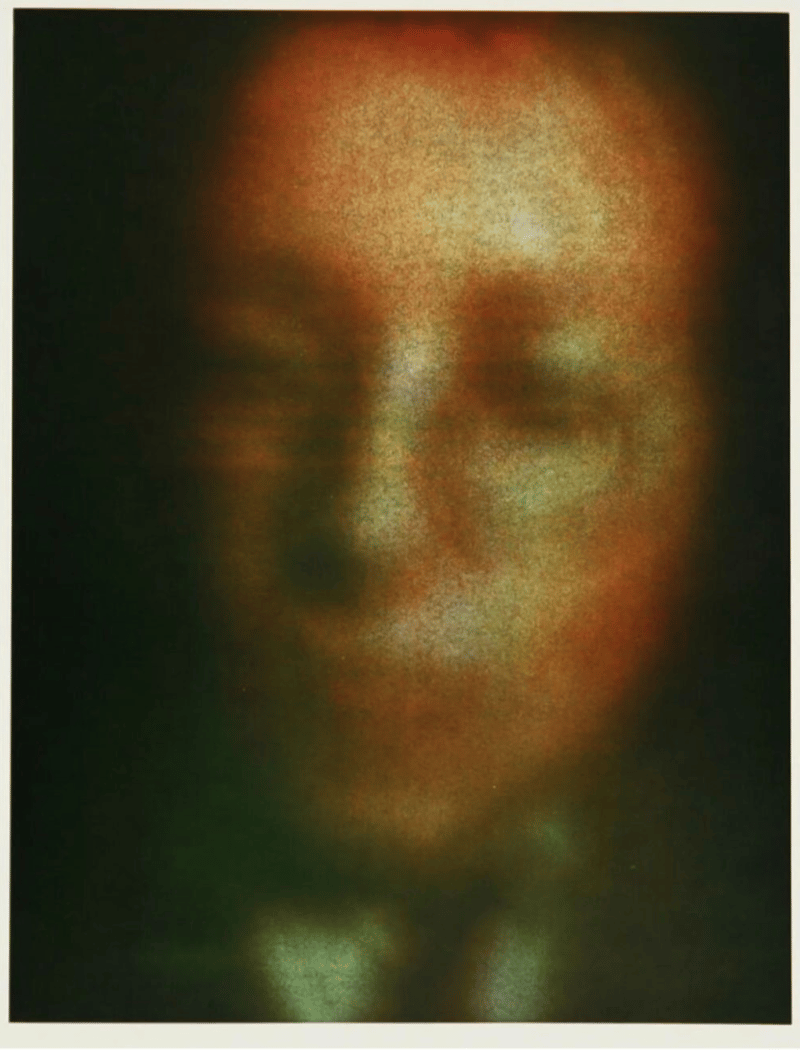
Heiner Friedrich, 1970
Limited Edition Print
Offset Print
GBP 15,000 - 20,000
