
Grey Fireworks, 2000
Form
Medium
Size
- Inches
- Centimeters
Edition
Price
- Authenticity Guaranteed
- Insured Shipping
- Online Since 2005
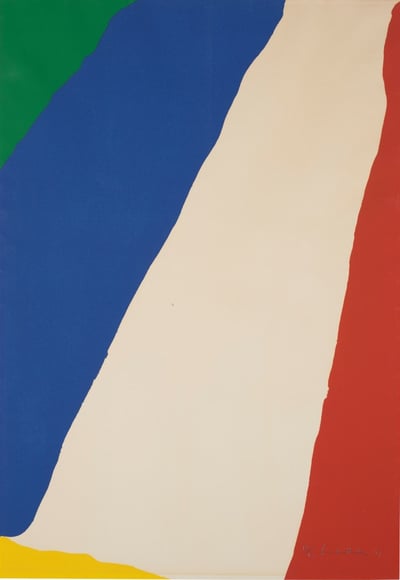
Helen Frankenthaler
Untitled, 1967
Limited Edition Print
Screen-print
USD 6,550
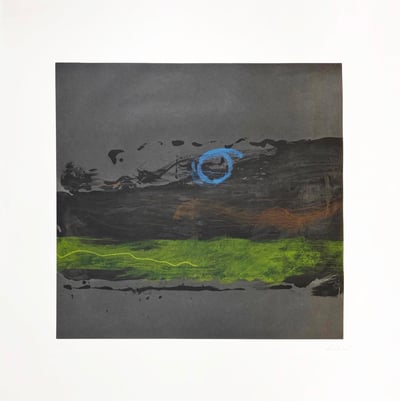
Helen Frankenthaler
Broome Street at Night, 1987
Limited Edition Print
Mixed Media
EUR 13,250
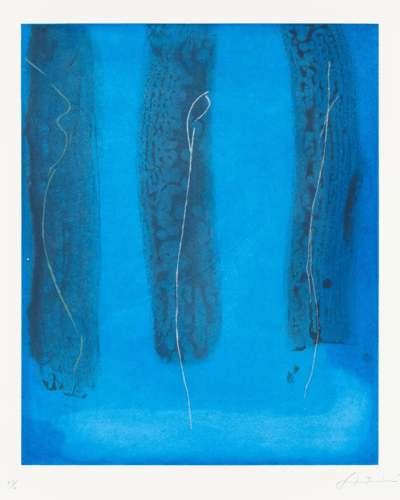
Helen Frankenthaler
Midnight, 1987
Limited Edition Print
Mixed Media
Inquire For Price
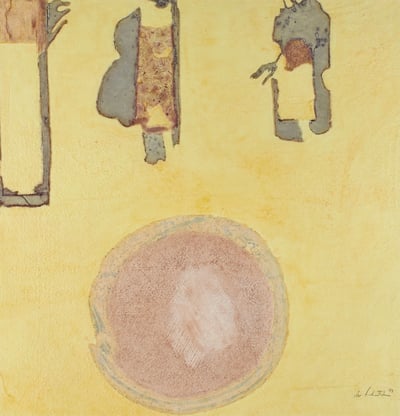
Helen Frankenthaler
Sirocco, 1989
Limited Edition Print
Mixed Media
GBP 13,000
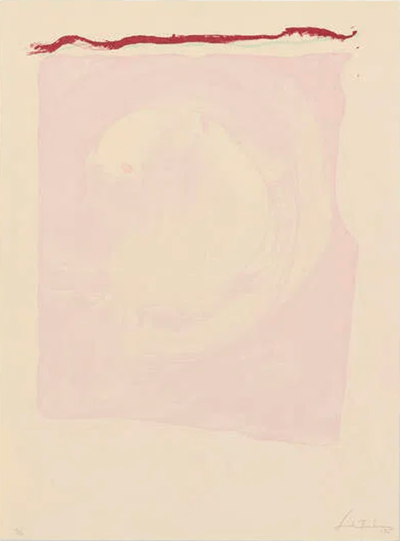
Helen Frankenthaler
Reflections IX, 1995
Limited Edition Print
Lithograph
USD 7,150
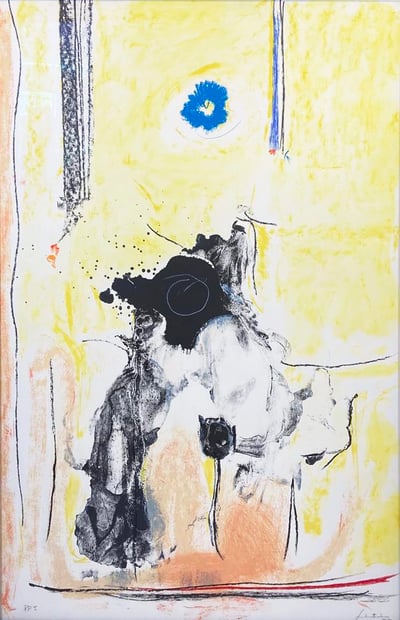
Helen Frankenthaler
Madame de Pompadour, 1985
Limited Edition Print
Lithograph
USD 14,250
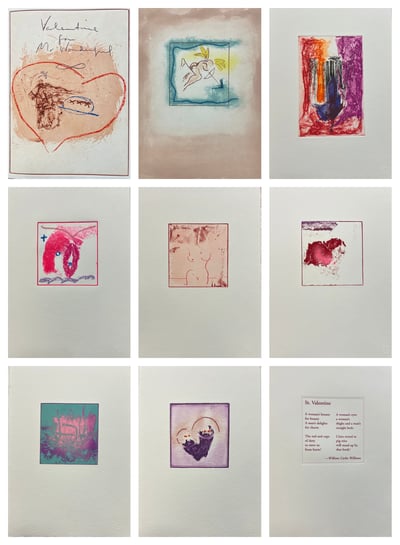
Helen Frankenthaler
Valentine for Mr. Wonderful (book), 1995
Limited Edition Print
Intaglio
USD 15,700
Helen Frankenthaler
Private Listing
Limited Edition Print
request info
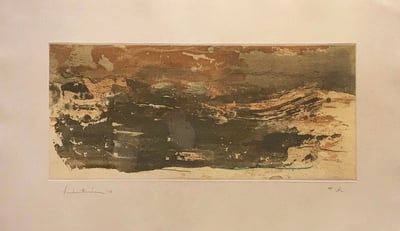
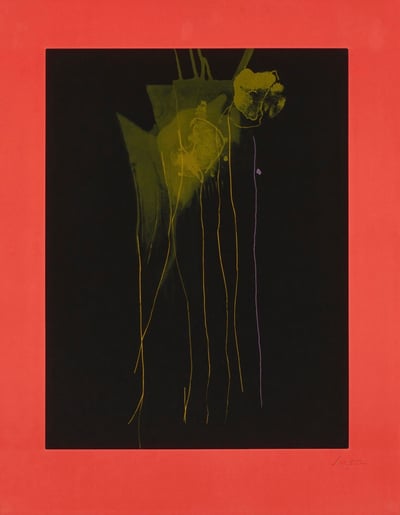
Helen Frankenthaler
Earth Slice, 1978
Limited Edition Print
Etching and Aquatint
USD 11,500
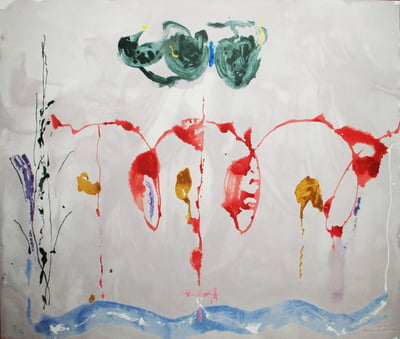
Helen Frankenthaler
Ramblas, 1987-1988
Limited Edition Print
Mixed Media
USD 9,600
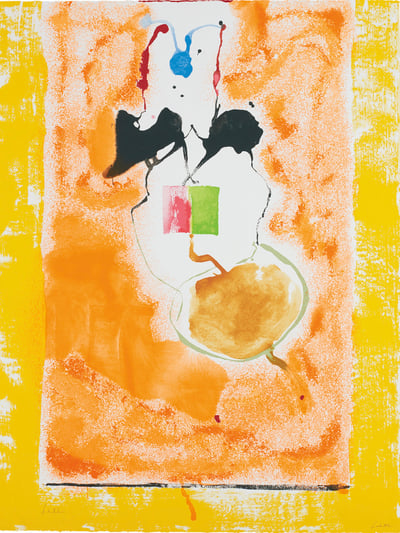
Helen Frankenthaler
Aerie, 2009
Limited Edition Print
Silkscreen
USD 25,900
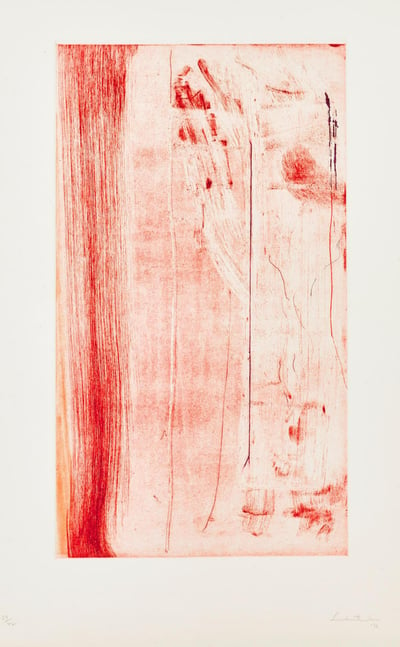
Helen Frankenthaler
Solar Imp, 2001
Limited Edition Print
Screen-print
Currently Not Available
Helen Frankenthaler
Pompeii Forte, 1976-82
Limited Edition Print
Etching and Aquatint
Currently Not Available
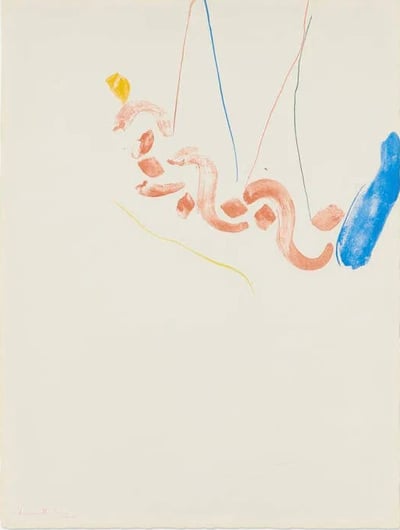
Helen Frankenthaler
Venice II, 1969-1972
Limited Edition Print
Lithograph
Currently Not Available
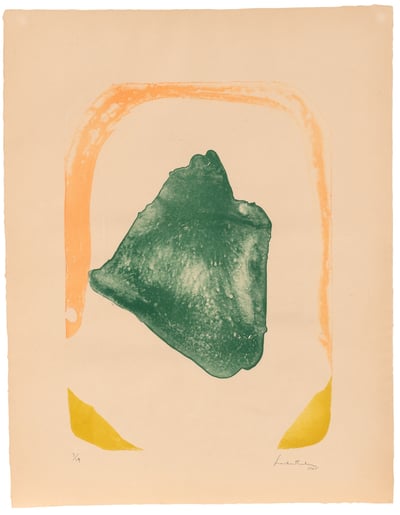
Helen Frankenthaler
Orange Hoop, 1965
Limited Edition Print
Lithograph
Currently Not Available
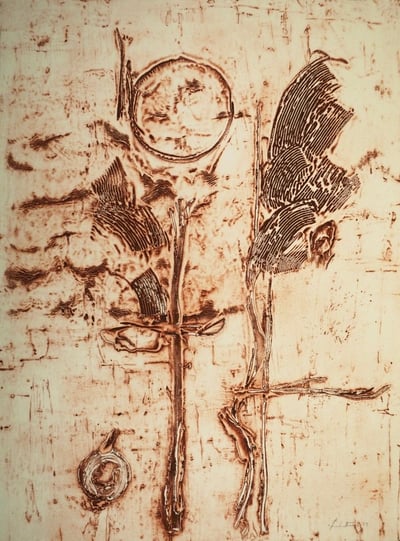
Helen Frankenthaler
Parets, 1987
Limited Edition Print
Etching
Currently Not Available
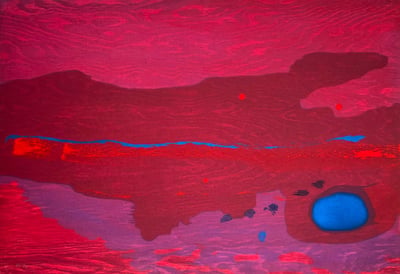
Helen Frankenthaler
Japanese Maple, 2005
Limited Edition Print
Mixed Media
Currently Not Available
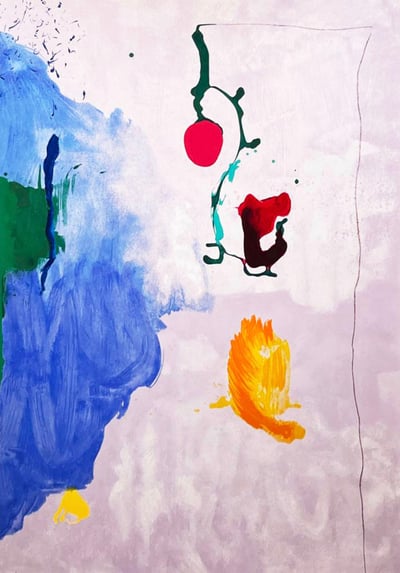
Helen Frankenthaler
Eve, 1995
Limited Edition Print
Screen-print
Currently Not Available

Helen Frankenthaler
Untitled (What red lines can do), 1970
Limited Edition Print
Serigraph
Currently Not Available
Related Artists

Related Articles
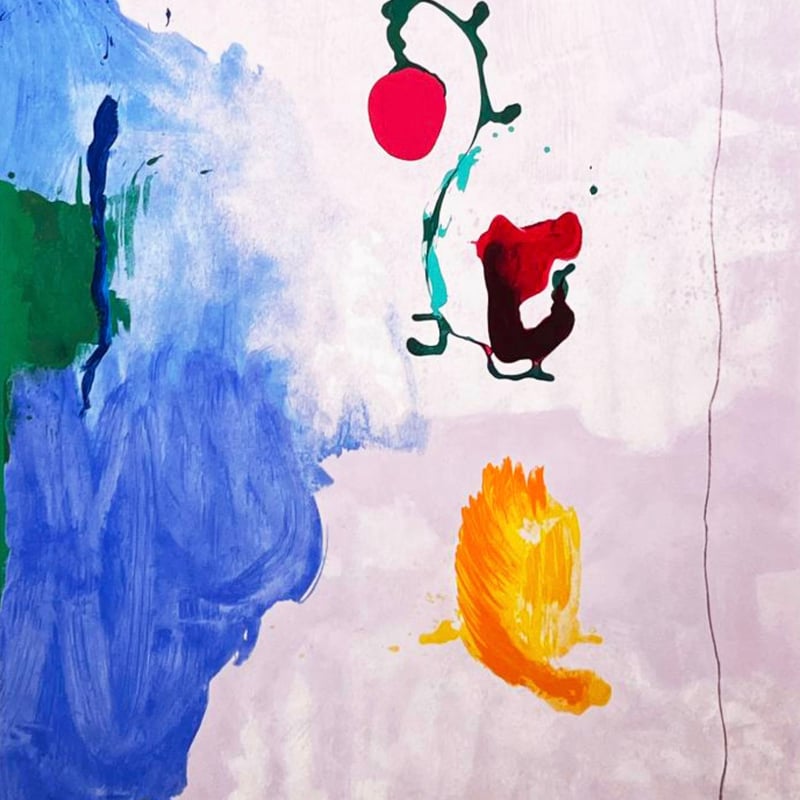
Popular, Artists - October 9, 2025
How Helen Frankenthaler Taught Color to Speak
Discover how Helen Frankenthaler transformed modern art with her soak-stain technique—bridging Abstract Expressionism and Color Field painting.Read More
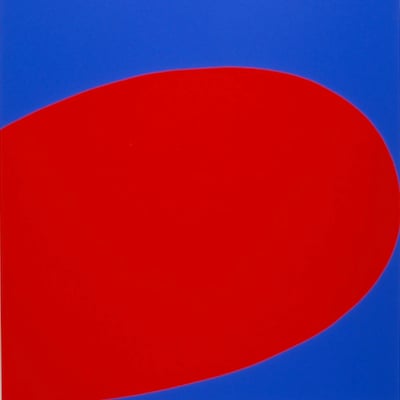
What is Colour Field Painting?
Colour Field Painting is an abstract style characterized by large areas of a single color or simple, solid colors. The term was first used in the 1950s to describe the work of three American Abstract Expressionist painters—Barnett Newman, Mark Rothko, and Clyfford Still. Their work emphasized the emotional power of color and the creation of vast, meditative spaces through expansive color fields.


