
Generale, 1961
Form
Medium
Size
- Inches
- Centimeters
Edition
Price
- Authenticity Guaranteed
- Insured Shipping
- Online Since 2005

Enrico Baj
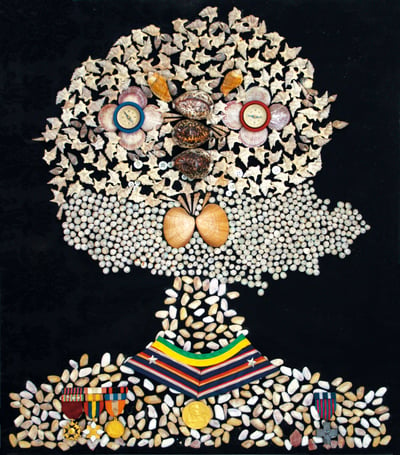
Catherine Henriette de Balzac d’Etrague Marquise de Verneuil, 1978
Sculpture / Object
Mixed Media
EUR 9,500
Enrico Baj
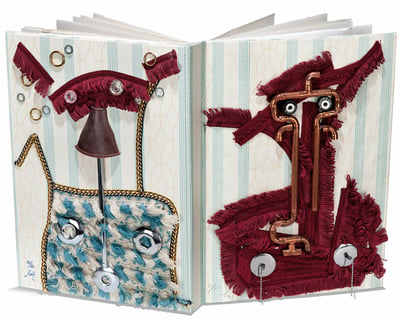
Horatius Nelson duke of Bronte, 1972
Limited Edition Print
Mixed Media
EUR 8,350
Enrico Baj
Sull’acqua (book), 2003
Sculpture / Object
Mixed Media
EUR 7,300
Enrico Baj
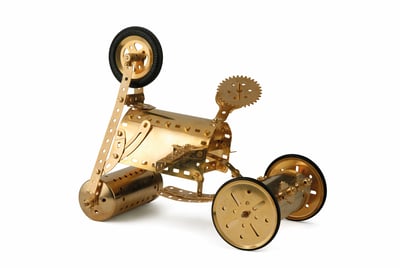
The golden Roll-Dragster, 1986
Sculpture / Object
Mixed Media
EUR 5,200
Enrico Baj
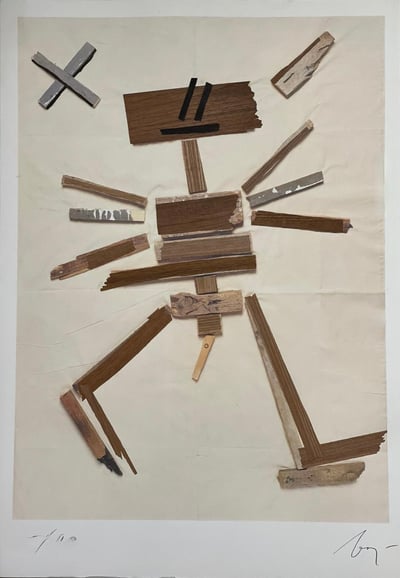
Untitled (Wooden Figure), 1980
Limited Edition Print
Mixed Media
EUR 2,100
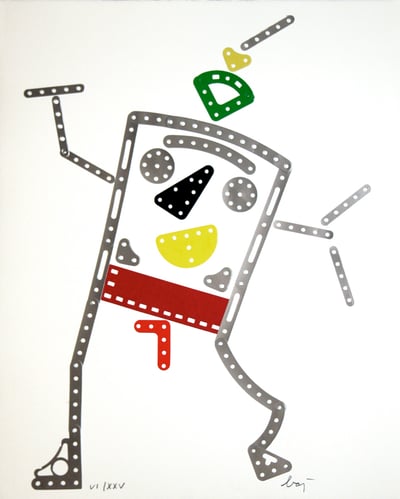
Enrico Baj
Mic-Mac, danseus mecanique, 2001
Limited Edition Print
Collage
EUR 1,650
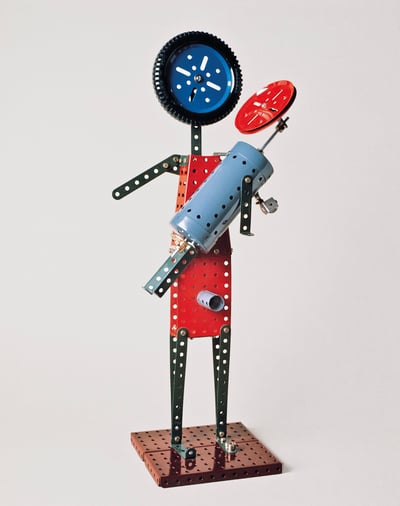
Enrico Baj
Maternità, 1974
Sculpture / Object
Mixed Media
EUR 4,850
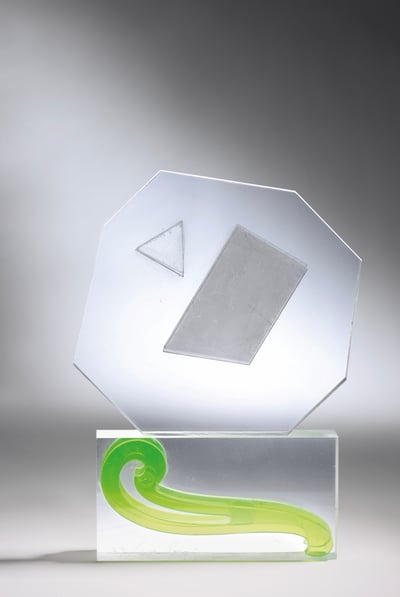
Enrico Baj
Busto, 1969
Sculpture / Object
Acrylic sculpture
EUR 3,900
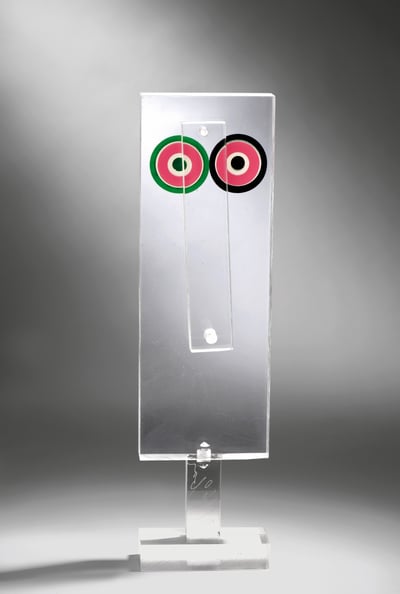
Enrico Baj
Testa d’uomo, 1969
Sculpture / Object
Acrylic sculpture
EUR 3,900
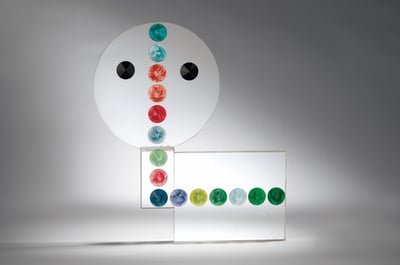
Enrico Baj
Figura in ginocchio, 1969
Sculpture / Object
Acrylic sculpture
EUR 3,900
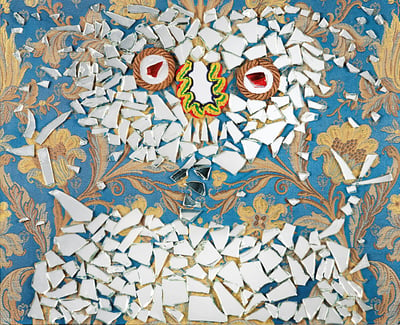
Enrico Baj
Personaggio allo specchio, 1971
Limited Edition Print
Mixed Media
EUR 9,500
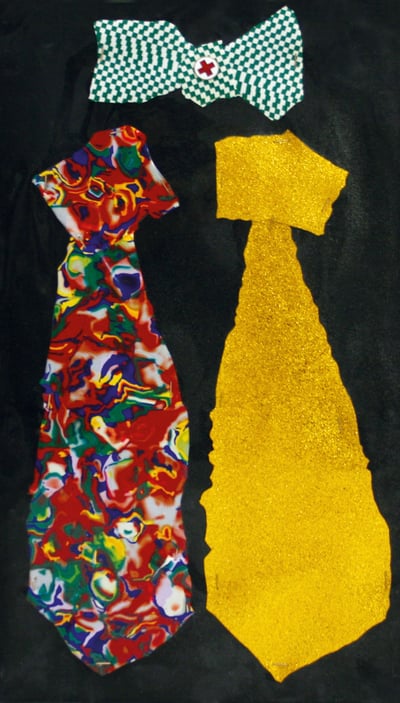
Enrico Baj
Cravatte, 1967
Limited Edition Print
Mixed Media
EUR 3,450
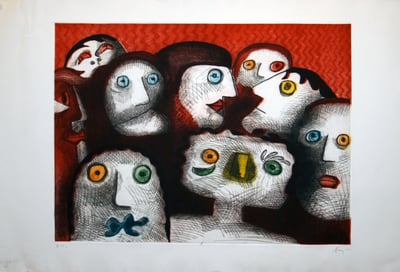
Enrico Baj
Folla, 1985
Limited Edition Print
Aquatint
EUR 2,500
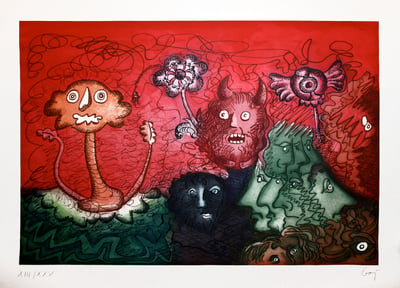
Enrico Baj
Incontri ravvicinati, 1986
Limited Edition Print
Etching
EUR 4,250
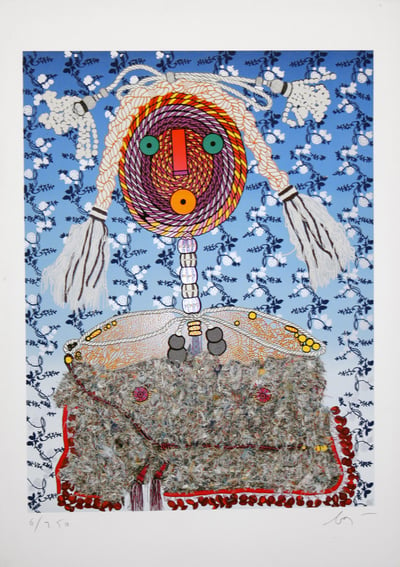
Enrico Baj
Ermengarda, 1975
Limited Edition Print
Mixed Media
EUR 3,350
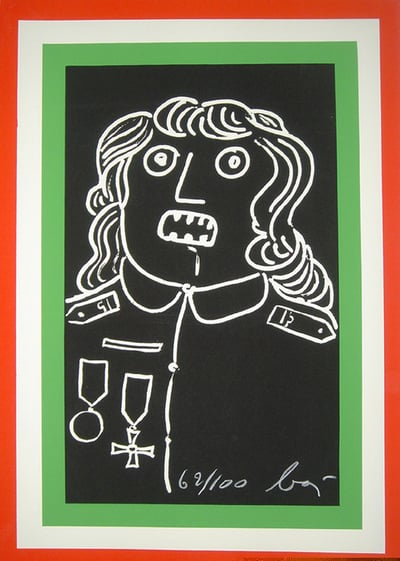
Enrico Baj
Manifesto per la mostra Enrico Baj, Palazzo dei Diamanti, Ferrara, 1977
Limited Edition Print
Silkscreen
EUR 1,500
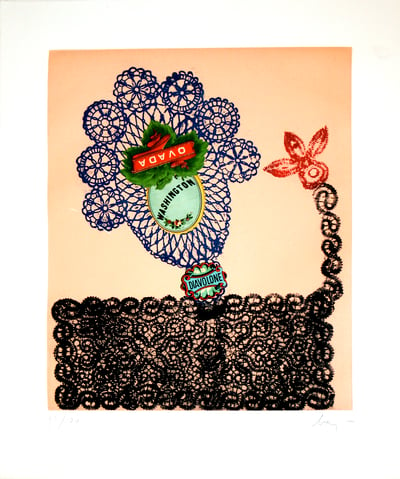
Enrico Baj
Diavolone, 1973
Limited Edition Print
Mixed Media
EUR 950
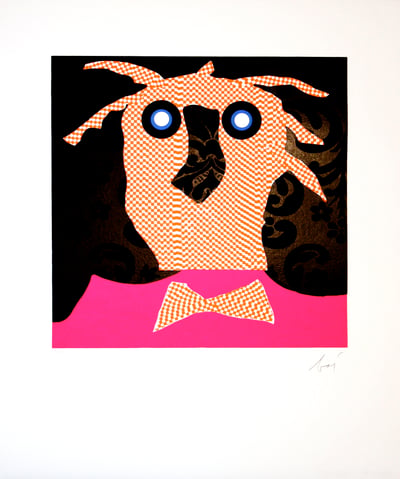
Enrico Baj
Personaggio, 1968
Limited Edition Print
Silkscreen
EUR 1,150
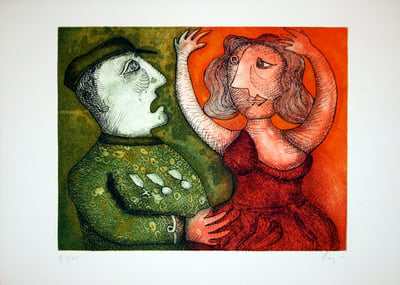
Enrico Baj
Generale con la sua favorita, 1978
Limited Edition Print
Etching
EUR 1,250
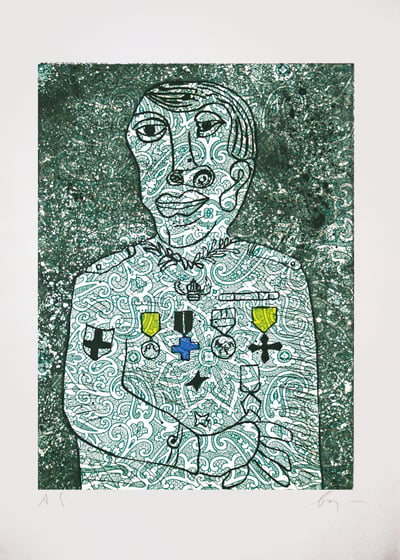
Enrico Baj
Personnage de guerre, 1971
Limited Edition Print
Etching
EUR 1,250
Related Artists
Related Articles
Popular, Art Movements - May 1, 2020
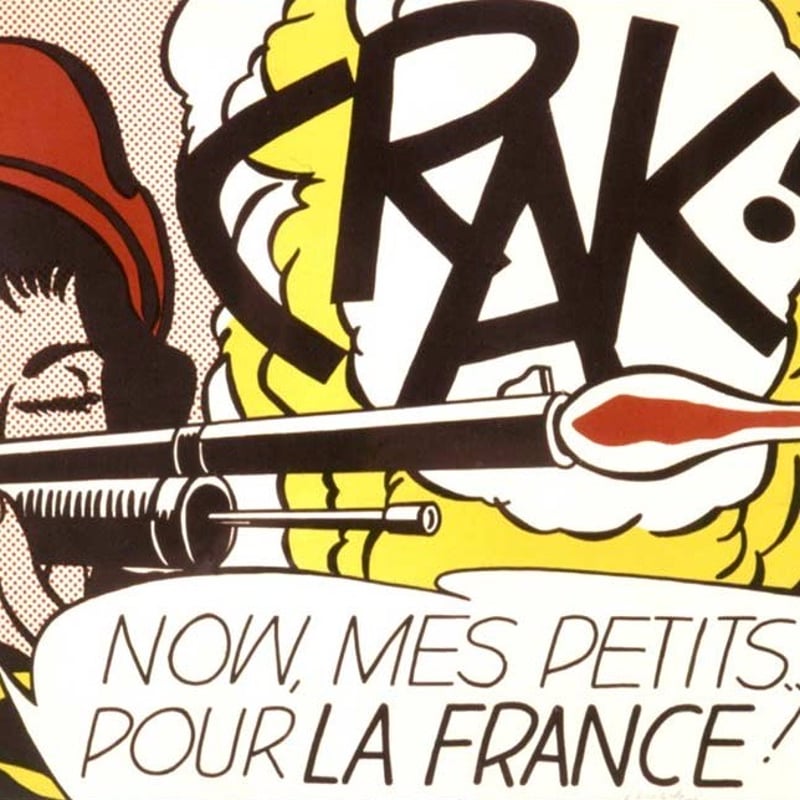
Reinvention of the Art world: The Insurgency of Pop Art
Explore the rise of Pop Art, from its roots in 1950s Britain to its global impact. Discover iconic works by Warhol, Lichtenstein, and others redefining culture.Read More

What is Art Nucleare?
Arte Nucleare was the name of an artist group founded in Milan in 1951. The group aimed to create art that responded to the dangers and technologies of the nuclear age. Their works often utilized automatic techniques and depicted devastated landscapes and mushroom clouds, reflecting the anxieties of a world on the brink of nuclear catastrophe.


