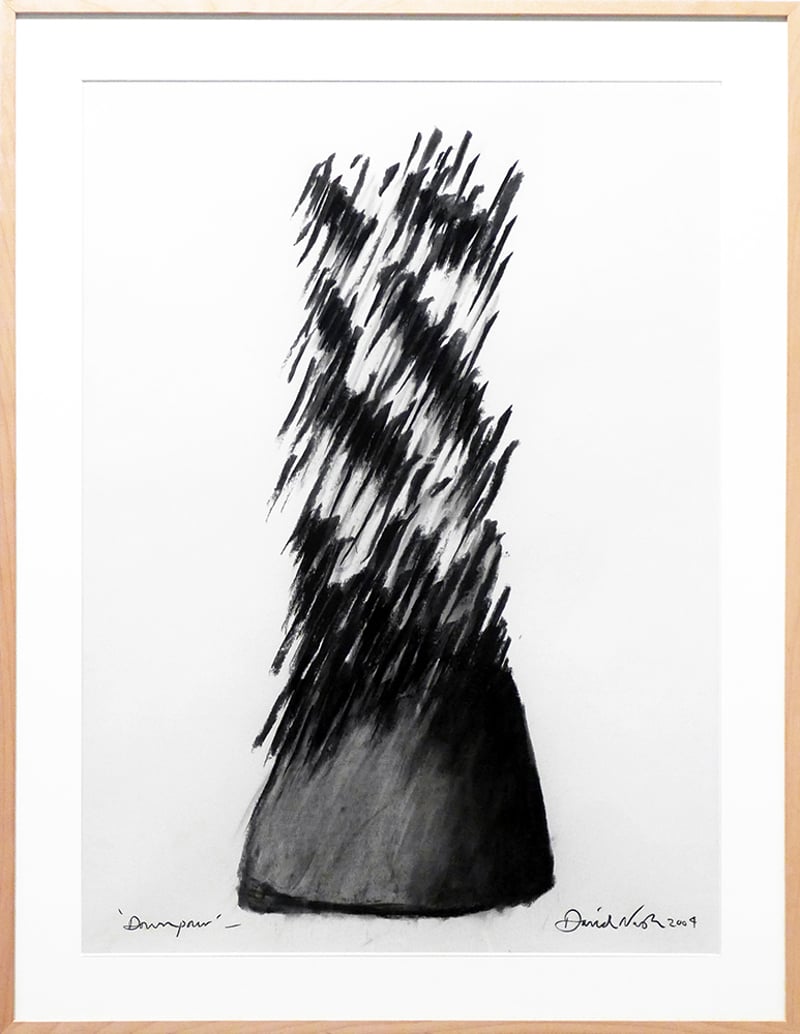
Charcoal on paper
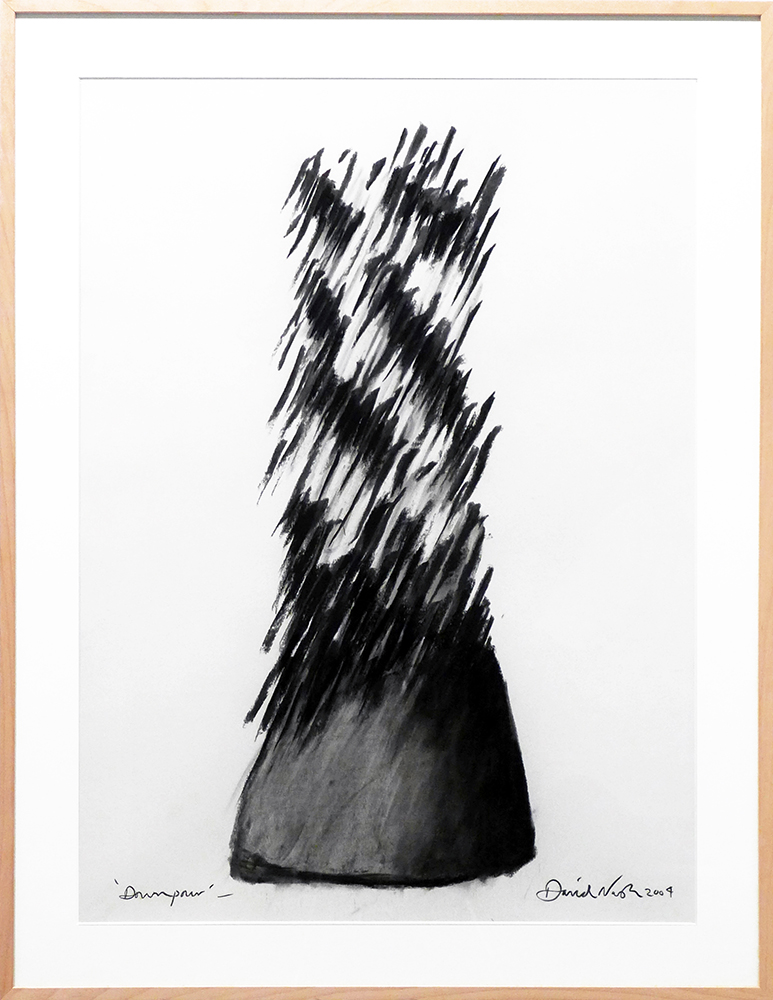
David Nash's Downpour (2004) is a striking charcoal drawing that embodies the essence of a heavy rainfall. With vigorous, bold strokes that appear to cascade down the paper, Nash captures the movement and intensity of a downpour in purely abstract form. The dense black strokes create a dynamic, almost tactile impression of water pouring downward, while the base of the shape, darker and more solid, grounds the composition, suggesting a solidified pool or earth absorbing the water. The piece is both minimalistic and expressive, drawing viewers into its rhythmic, almost meditative portrayal of nature’s raw elements.
Artwork Copyright © David NashDavid Nash (UK, 1945) is a renowned sculptor and land artist celebrated for his work with wood and natural materials. His sculptures often engage with themes of growth, decay, and transformation, reflecting his deep connection to the environment. Iconic works like Ash Dome showcase his commitment to sustainable art and ecological concerns.
Artwork Copyright © David NashDownpour, 2004
Form
Medium
Size
- Inches
- Centimeters
Edition
Price
- Authenticity Guaranteed
- Insured Shipping
- Online Since 2005
●Inventory 9824
●Signed
●Comes with gallery invoice and certificate
●Sell Us a Similar Artwork. Learn more.
Charcoal on paper
David Nash's Downpour (2004) is a striking charcoal drawing that embodies the essence of a heavy rainfall. With vigorous, bold strokes that appear to cascade down the paper, Nash captures the movement and intensity of a downpour in purely abstract form. The dense black strokes create a dynamic, almost tactile impression of water pouring downward, while the base of the shape, darker and more solid, grounds the composition, suggesting a solidified pool or earth absorbing the water. The piece is both minimalistic and expressive, drawing viewers into its rhythmic, almost meditative portrayal of nature’s raw elements.
Artwork Copyright © David NashDavid Nash (UK, 1945) is a renowned sculptor and land artist celebrated for his work with wood and natural materials. His sculptures often engage with themes of growth, decay, and transformation, reflecting his deep connection to the environment. Iconic works like Ash Dome showcase his commitment to sustainable art and ecological concerns.
Artwork Copyright © David Nash- Recently Added
- Price (Low-High)
- Price (High-Low)
- Year (Low-High)
- Year (High-Low)
David Nash
Downpour, 2004
Drawing / Watercolor
Charcoal
Inquire For Price
David Nash
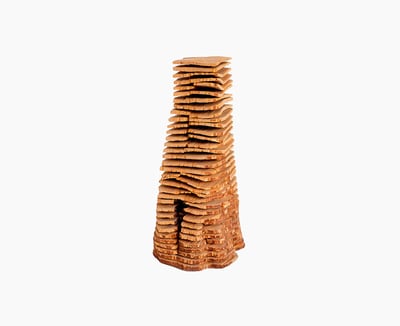
Birch crack and warp column, 1999
Sculpture / Object
Wood
EUR 14,260
David Nash
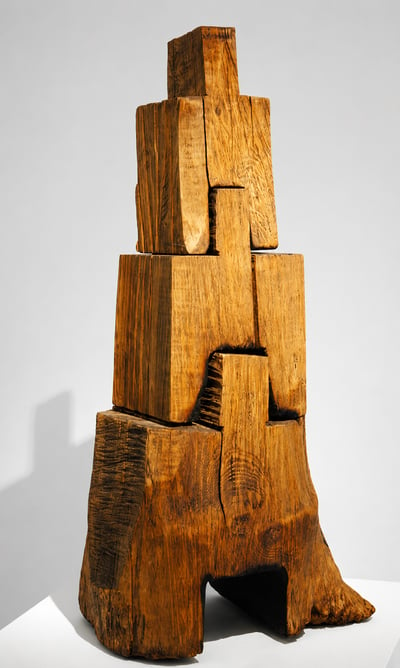
Tongue and groove stove, 1983
Sculpture / Object
Wood
Inquire For Price
Related Artists
Related Articles

Collecting - March 25, 2025
Understanding Editioned Sculptures: What Collectors Need to Know
Explore the value of editioned sculptures, from bronze to electric art. Learn how edition size, material, and artist impact collectability.Read More
© Composition.gallery
What is Earth Art?
Earth art, also known as Land Art, emerged in the 1960s and 70s as part of the conceptual art movement. It involves creating artworks by sculpting the land or constructing structures in the landscape using natural materials like earth, rocks, or twigs. These works are often large-scale and emphasize the relationship between art and nature.

David Nash
Downpour, 2004
115 x 83 cm


