Details
Artist
Styles
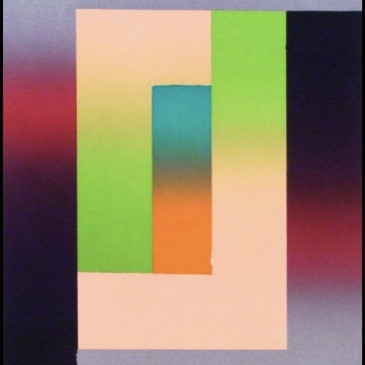
// Untitled (Triptych) by Dan Flavin, created between 1996 and 1998, is a limited edition aquatint print that captures the artist’s minimalist approach and focus on color. The piece features three panels in solid colors: green, blue, and pink. Each panel has subtly uneven edges, lending an organic touch to the otherwise stark, monochromatic surfaces. Flavin, known primarily for his work with fluorescent light, brings a similar emphasis on simplicity and color theory to this print, where each color is isolated in its own space, creating a harmonious yet vibrant interaction. The triptych invites contemplation of color as both an aesthetic and conceptual element, aligning with Flavin's exploration of light and minimalism.
Untitled (Triptych), 1996-1998
form
Medium
Size
50 x 40 cm
- Inches
- Centimeters
Edition
Price
Details
Artist
Styles
// Untitled (Triptych) by Dan Flavin, created between 1996 and 1998, is a limited edition aquatint print that captures the artist’s minimalist approach and focus on color. The piece features three panels in solid colors: green, blue, and pink. Each panel has subtly uneven edges, lending an organic touch to the otherwise stark, monochromatic surfaces. Flavin, known primarily for his work with fluorescent light, brings a similar emphasis on simplicity and color theory to this print, where each color is isolated in its own space, creating a harmonious yet vibrant interaction. The triptych invites contemplation of color as both an aesthetic and conceptual element, aligning with Flavin's exploration of light and minimalism.
- Recently Added
- Price (low-high )
- Price (high-low )
- Year (low-high )
- Year (high-low )

Dan Flavin
Guggenheim Tondo, 1992
Sculpture / Object
Mixed Media
EUR 7,500

Dan Flavin
Untitled (Triptych), 1996-1998
Limited Edition Print
Aquatint
Currently Not Available
Related Artists


Related Articles

Popular, Artists, Art Movements - May 05, 2022
9 Essential Artists of the The Minimalist School
Discover 9 essential artists of the Minimalist movement, including Donald Judd and Agnes Martin. Explore their transformative impact on modern art and design. Read More

What is Entropy?
Entropy, in a broader sense, refers to the inevitable deterioration or decline of a society or system. In art, the concept was popularized by artist Robert Smithson in the 1960s. He used the term to critique what he saw as the static and overly simplified nature of contemporary minimalist art. Smithson's work often explored the idea of entropy as a force of chaos and decay, contrasting with the perceived order and purity of minimalist works.