
Space No. 28, 2025
Form
Medium
Size
- Inches
- Centimeters
Edition
Price
- Authenticity Guaranteed
- Insured Shipping
- Online Since 2005
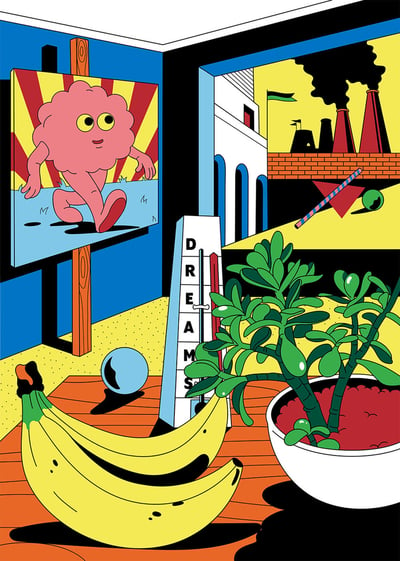
DabsMyla
Metaphysical Interior, 2022
Limited Edition Print
Lithograph
EUR 1,200
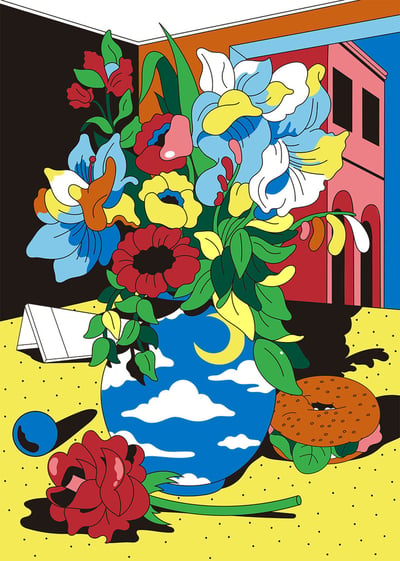
DabsMyla
Double Dream, 2022
Limited Edition Print
Lithograph
EUR 1,200
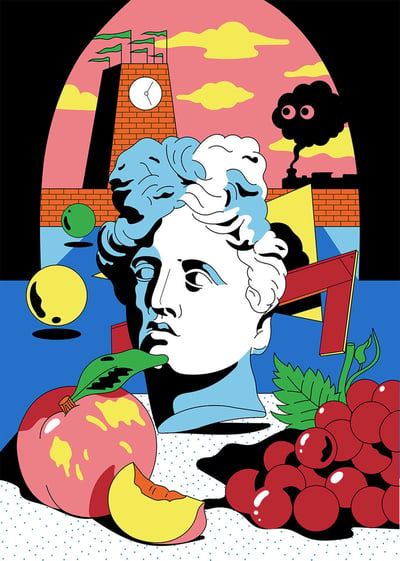
DabsMyla
The Great Destiny, 2022
Limited Edition Print
Lithograph
EUR 1,200
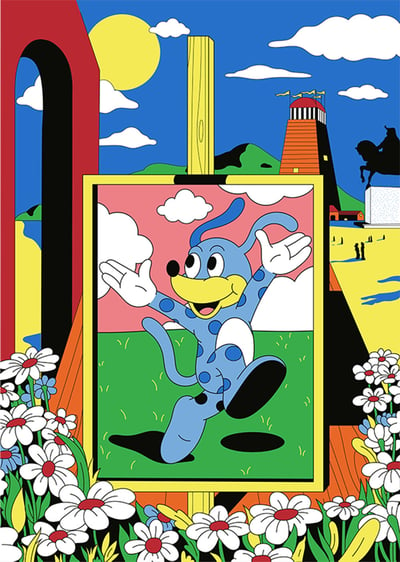
DabsMyla
Metaphysical Departure, 2022
Limited Edition Print
Lithograph
EUR 1,200
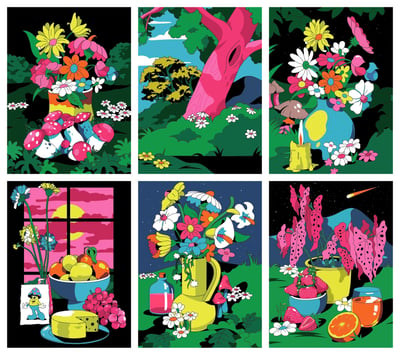
DabsMyla
Untitled (Set of 6), 2024
Limited Edition Print
Lithograph
USD 5,000

DabsMyla
Memories from The Garden Party, 2024
Limited Edition Print
Lithograph
EUR 850

DabsMyla
The magic of a Garden Party, 2024
Limited Edition Print
Lithograph
EUR 850

DabsMyla
Moonlit Window, 2024
Limited Edition Print
Lithograph
EUR 850
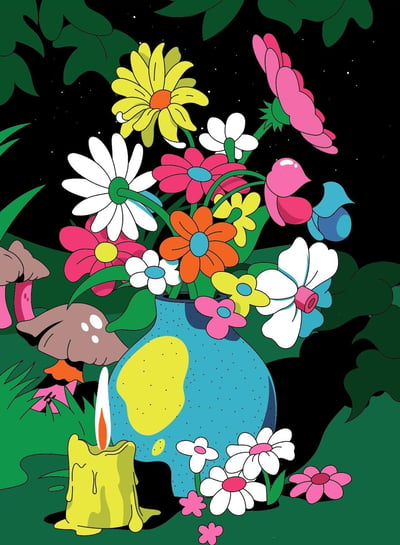
DabsMyla
The Stars and Your Dreams, 2024
Limited Edition Print
Lithograph
EUR 850
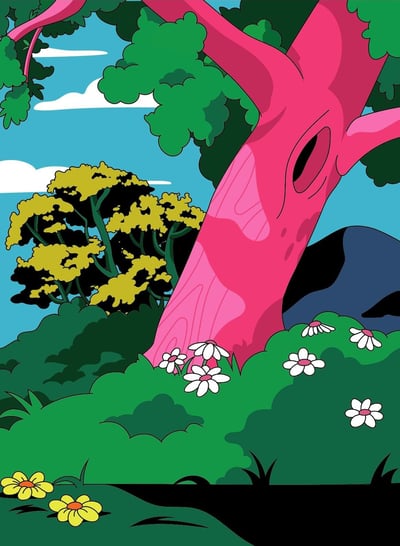
DabsMyla
Scenes from the Garden Party, 2024
Limited Edition Print
Lithograph
EUR 850
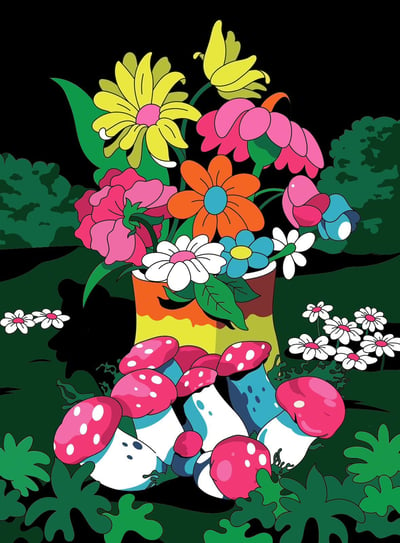
DabsMyla
A cosmic invitation, 2024
Limited Edition Print
Lithograph
EUR 850
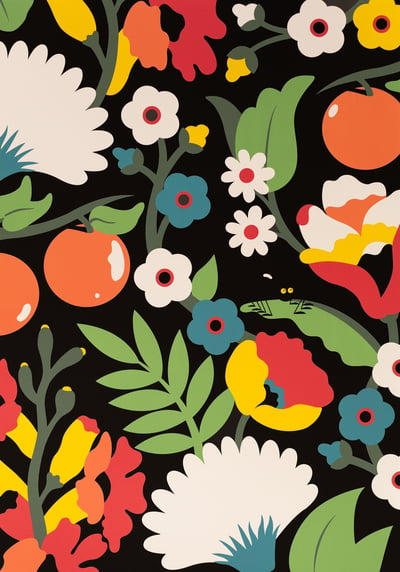
DabsMyla
Good / Great Morning 4, 2020
Limited Edition Print
Lithograph
Currently Not Available
Related Artists
Related Articles
Popular, Artists, Collecting - July 22, 2025
Investing in Emerging Artists: A Guide for Collectors
Learn how to invest wisely in emerging artists—spot talent early, manage risk, and build a meaningful, future-focused art collection.Read More
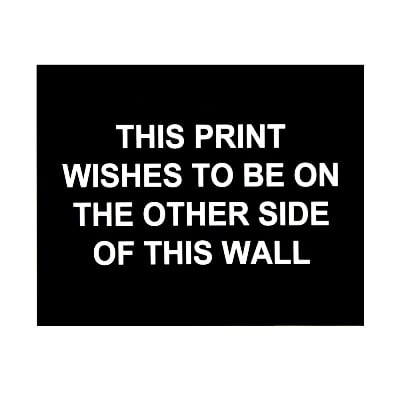
What is Lettrism?
Lettrism is an art form that uses letters, words, and symbols to create artwork. The movement was established in Paris in the 1940s and later gained popularity in the 1950s in America. Lettrisme is the French spelling of the movement's name, derived from the French word for letter.


