
Details
Artist
Styles
Original lithograph and screenprint in colors - Stamped with the artist’s name and copyright, and dated, verso - An unsigned, unnumbered proof outside of the edition of 300 - Stamped by the printer – Styria Studio – verso // Cy Twombly’s Untitled from The New York Collection for Stockholm portfolio (1973) is a dynamic lithograph and screenprint that embodies the artist’s gestural and expressive mark-making style. The composition features an interplay of sharp, diagonal strokes that intersect and overlap, creating a sense of movement and intensity. The monochromatic palette, dominated by dark tones, enhances the raw energy of the piece, characteristic of Twombly’s approach to abstract expressionism. This unsigned, unnumbered proof bears the printer’s stamp (Styria Studio) on the reverse, offering insight into the production process behind this limited edition of 300 prints.
Untitled (from The New York Collection for Stockholm portfolio), 1973
form
Medium
Size
30 x 22.5 cm
- Inches
- Centimeters
Edition
Price
Details
Artist
Styles
Original lithograph and screenprint in colors - Stamped with the artist’s name and copyright, and dated, verso - An unsigned, unnumbered proof outside of the edition of 300 - Stamped by the printer – Styria Studio – verso // Cy Twombly’s Untitled from The New York Collection for Stockholm portfolio (1973) is a dynamic lithograph and screenprint that embodies the artist’s gestural and expressive mark-making style. The composition features an interplay of sharp, diagonal strokes that intersect and overlap, creating a sense of movement and intensity. The monochromatic palette, dominated by dark tones, enhances the raw energy of the piece, characteristic of Twombly’s approach to abstract expressionism. This unsigned, unnumbered proof bears the printer’s stamp (Styria Studio) on the reverse, offering insight into the production process behind this limited edition of 300 prints.
- Recently Added
- Price (low-high )
- Price (high-low )
- Year (low-high )
- Year (high-low )
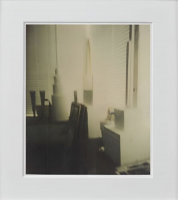
Cy Twombly
Studio Lexington, 2008
Limited Edition Print
Drypoint
EUR 4,800

Cy Twombly
No. I, From Natural History, Part I, Mushroom (Bastian 42), 1974
Limited Edition Print
Collage
GBP 12,000 - 17,000
Related Artists


Related Articles
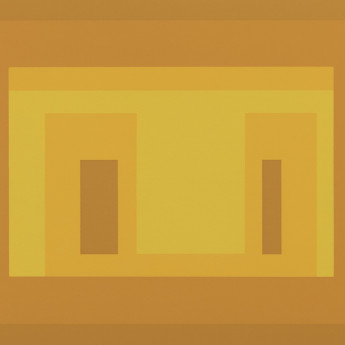
Art Movements - November 28, 2022
Shadow Play and Geometry: The Optical Phenomena of Hard Edge Painting
Discover the world of Hard Edge Painting, where geometry and optical effects meet. Explore the movement's pioneers and its influence on abstraction. Read More

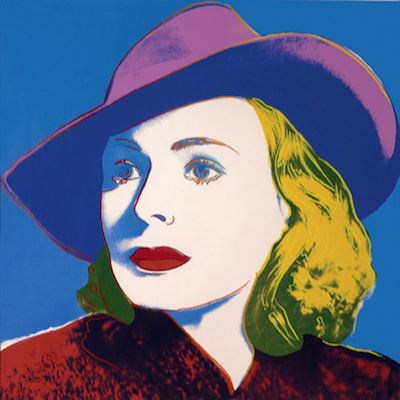
What is pop-art?
Pop Art is an art movement that began in Britain in 1955 and in the late 1950s in the U.S. It challenged traditional fine arts by incorporating imagery from popular culture, such as news, advertising, and comic books. Pop Art often isolates and recontextualizes materials, combining them with unrelated elements. The movement is more about the attitudes and ideas that inspired it than the specific art itself. Pop Art is seen as a reaction against the dominant ideas of Abstract Expressionism, bringing everyday consumer culture into the realm of fine art.