
Lithograph in colours with collage and hand-colouring on Rives wove paper
- Signed and numbered on the front
No. I, from Natural History, Part I, Mushroom (Bastian 42) by Cy Twombly is a limited edition lithograph with collage and hand-coloring, created in 1974. This abstract piece is characterized by Twombly's signature style of combining childlike drawings, scribbles, and scientific imagery. The composition features various elements: a mushroom drawing on the left, a textured, organic form in the center, and scattered hand-written notes across the surface. Red rectangular frames accentuate parts of the images and sketches. The artwork reflects Twombly’s fascination with nature and history, evoking themes of knowledge, exploration, and the intersection of art and science.
Artwork Copyright © Cy TwomblyCy Twombly (USA, 1928–2011) was a celebrated painter and sculptor known for his abstract, calligraphic style. His works combined gestural marks, poetic references, and layered textures. Twombly’s monumental paintings and sculptures often explored themes of history, mythology, and memory, leaving a profound impact on 20th-century art.
Artwork Copyright © Cy TwomblyNo. I, from Natural History, Part I, Mushroom (Bastian 42), 1974
Form
Medium
Size
- Inches
- Centimeters
Edition
Price
Available works →
- Authenticity Guaranteed
- Insured Shipping
- Online Since 2005
●
●Inventory 14919
●Signed
●Comes with gallery invoice and certificate
●Sell Us a Similar Artwork. Learn more.
Lithograph in colours with collage and hand-colouring on Rives wove paper
- Signed and numbered on the front
No. I, from Natural History, Part I, Mushroom (Bastian 42) by Cy Twombly is a limited edition lithograph with collage and hand-coloring, created in 1974. This abstract piece is characterized by Twombly's signature style of combining childlike drawings, scribbles, and scientific imagery. The composition features various elements: a mushroom drawing on the left, a textured, organic form in the center, and scattered hand-written notes across the surface. Red rectangular frames accentuate parts of the images and sketches. The artwork reflects Twombly’s fascination with nature and history, evoking themes of knowledge, exploration, and the intersection of art and science.
Artwork Copyright © Cy TwomblyCy Twombly (USA, 1928–2011) was a celebrated painter and sculptor known for his abstract, calligraphic style. His works combined gestural marks, poetic references, and layered textures. Twombly’s monumental paintings and sculptures often explored themes of history, mythology, and memory, leaving a profound impact on 20th-century art.
Artwork Copyright © Cy Twombly- Recently Added
- Price (Low-High)
- Price (High-Low)
- Year (Low-High)
- Year (High-Low)
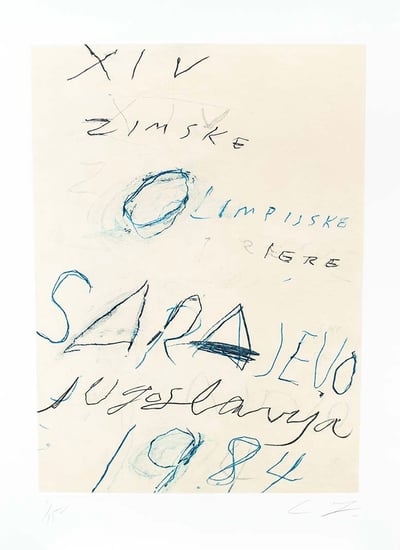
Cy Twombly
Sarajevo, 1984
Limited Edition Print
Mixed Media
Inquire For Price
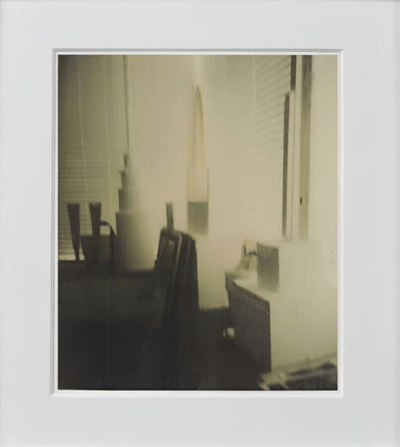
Cy Twombly
Studio Lexington, 2008
Limited Edition Print
Drypoint
EUR 4,800
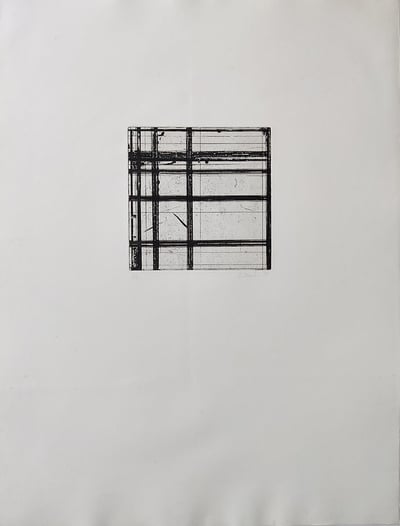
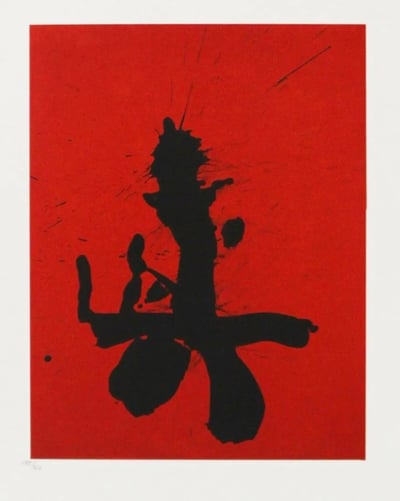
Related Artists
Related Articles
Art Movements - November 28, 2022
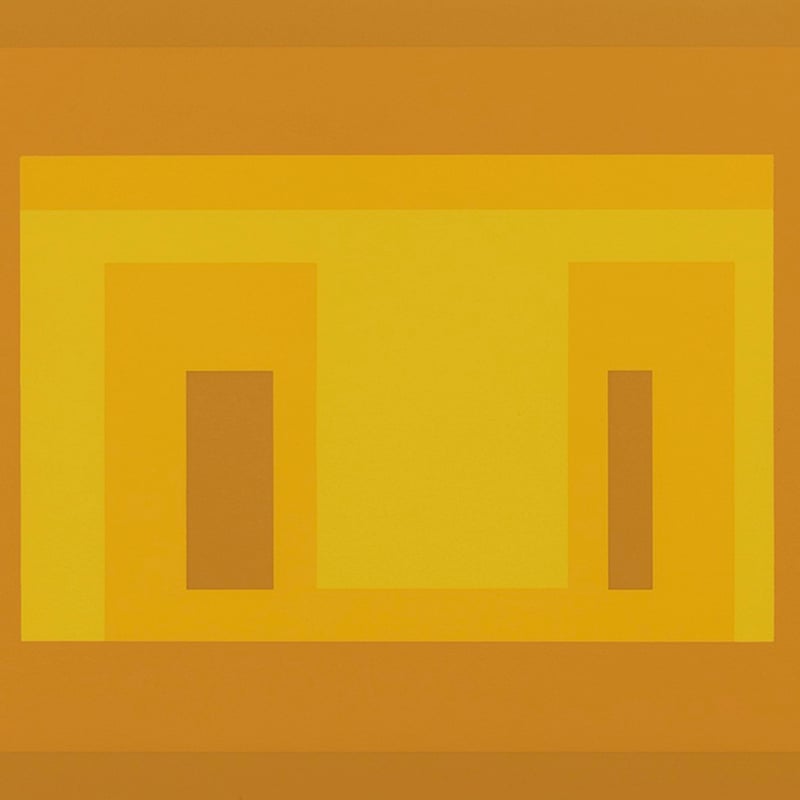
Shadow Play and Geometry: The Optical Phenomena of Hard Edge Painting
Discover the world of Hard Edge Painting, where geometry and optical effects meet. Explore the movement's pioneers and its influence on abstraction.Read More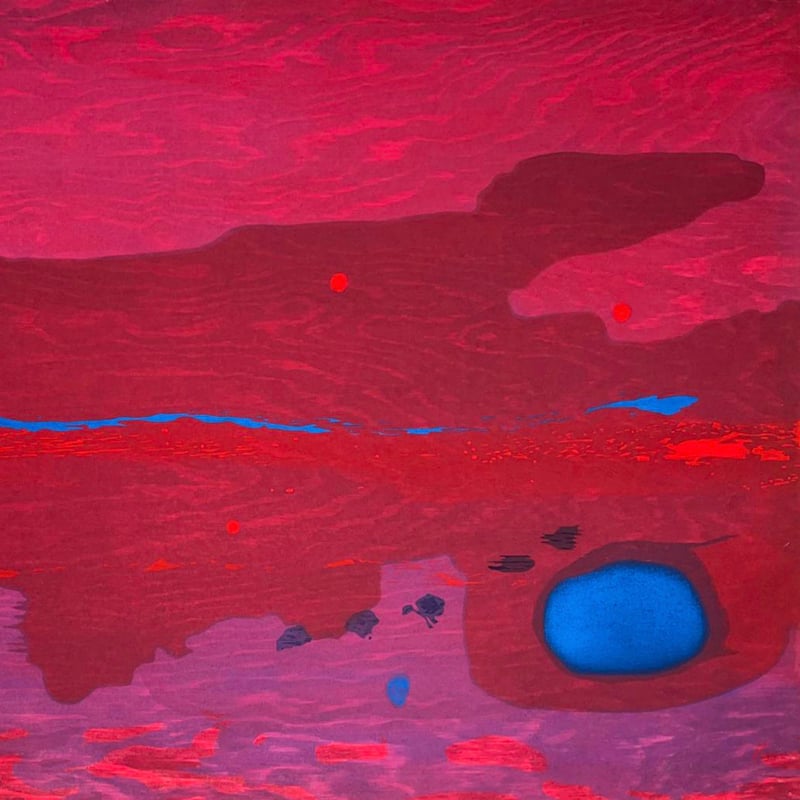
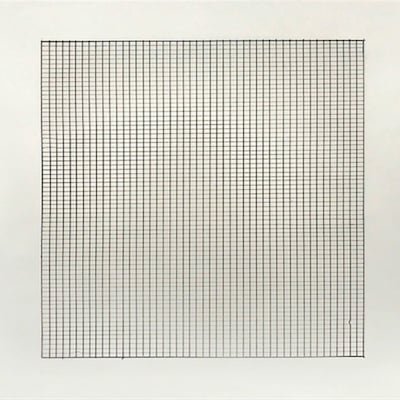
Artwork by Agnes Martin
What is minimalism?
Minimalism is a style in music and visual arts characterized by pared-down designs and simplicity. It began in Western art after World War II, gaining prominence particularly in American visual arts. Minimalism draws heavily on aspects of modernism and is often viewed as a reaction against Abstract Expressionism, as well as a precursor to post-minimal art practices. Prominent minimalist artists include Agnes Martin, Donald Judd, Robert Morris, Frank Stella, and Dan Flavin.


