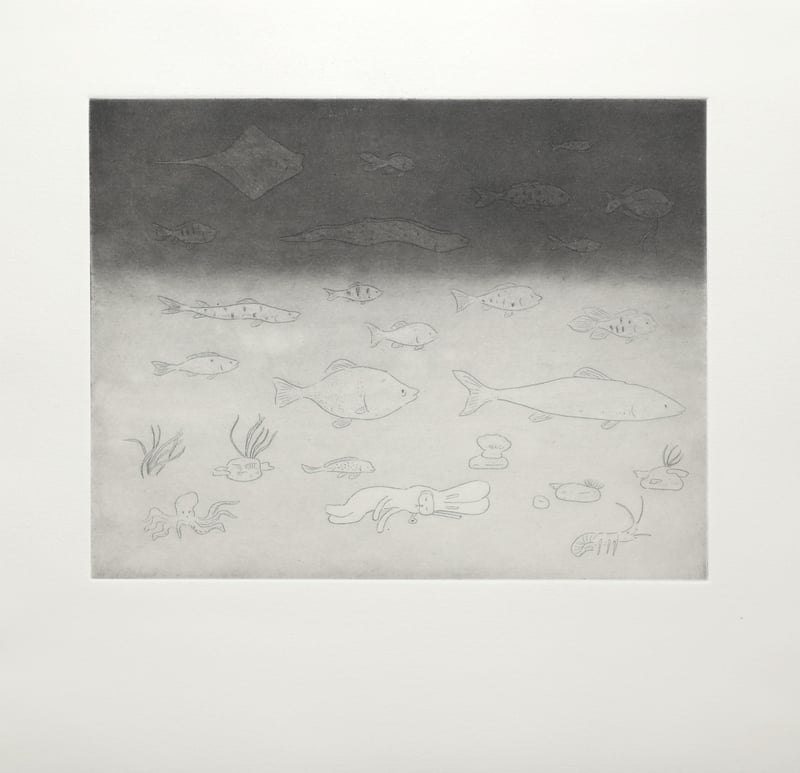
At the bottom of the sea, 2026
Form
Medium
Size
- Inches
- Centimeters
Edition
Price
- USD
- EUR
- GBP
- CHF
- Authenticity Guaranteed
- Insured Shipping
- Online Since 2005

Atsushi Kaga
At the bottom of the sea, 2026
Limited Edition Print
Etching
EUR 3,500

Atsushi Kaga
Baby sharks, 2026
Limited Edition Print
Etching
EUR 3,500

Atsushi Kaga
Painters think like trees, 2026
Limited Edition Print
Etching
EUR 3,500

Atsushi Kaga
Sleeping with gorilla, 2026
Limited Edition Print
Etching
EUR 2,000

Atsushi Kaga
Four sleepers with gorilla, 2026
Limited Edition Print
Etching
EUR 2,000

Atsushi Kaga
Four sleepers with cats and fox, 2026
Limited Edition Print
Etching
EUR 2,000

Atsushi Kaga
Four sleepers with monkeys, 2026
Limited Edition Print
Etching
EUR 2,000
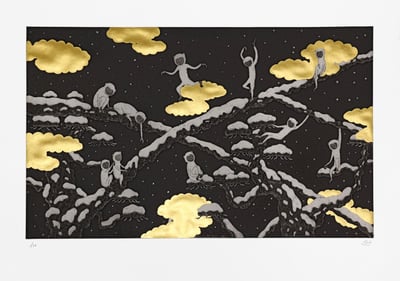
Atsushi Kaga
After Tohaku, 2026
Limited Edition Print
Etching and Aquatint
EUR 7,000

Atsushi Kaga
S/T-1, 2024
Limited Edition Print
Etching
EUR 9,000
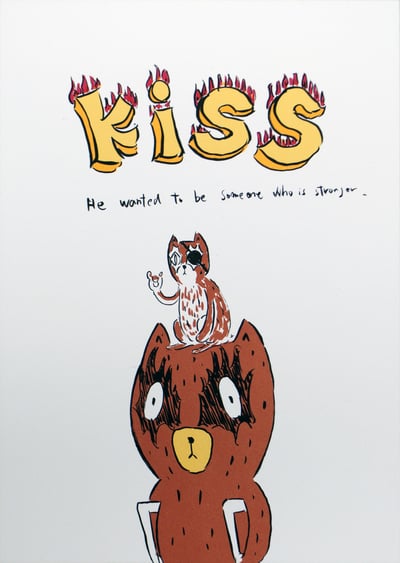
Atsushi Kaga
Kumacchi wanted to be someone else, 2012
Limited Edition Print
Lithograph
EUR 1,300
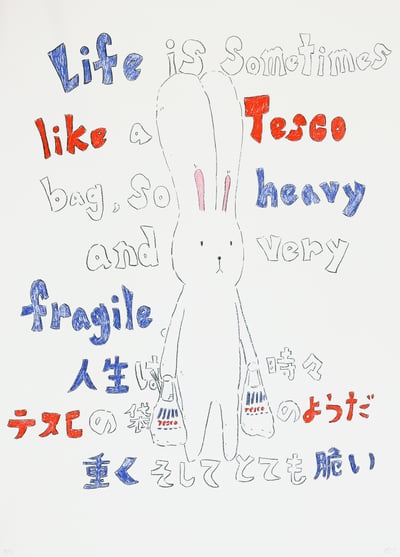
Atsushi Kaga
Usacchi 4, 2024
Limited Edition Print
Lithograph
EUR 3,500
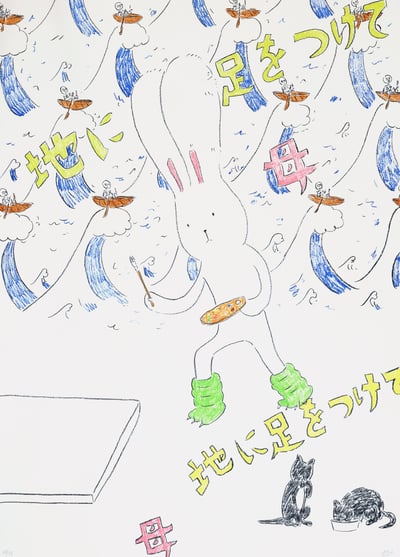
Atsushi Kaga
Usacchi 3, 2024
Limited Edition Print
Lithograph
EUR 3,500
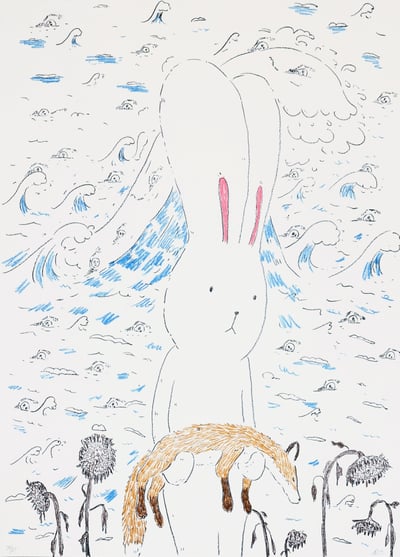
Atsushi Kaga
Usacchi 2, 2024
Limited Edition Print
Lithograph
EUR 3,500
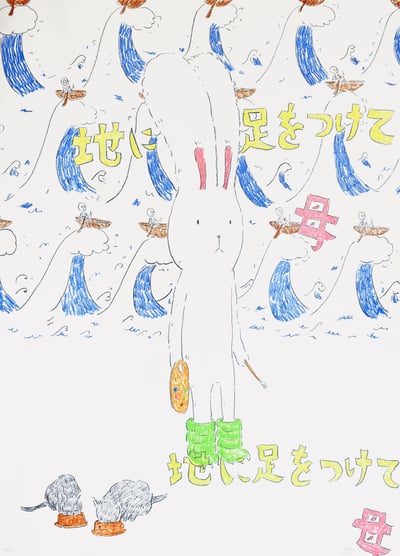
Atsushi Kaga
Usacchi 1, 2024
Limited Edition Print
Lithograph
EUR 3,500

Atsushi Kaga
Usacchi-Painting butterflies, 2025
Limited Edition Print
Etching
EUR 2,000

Atsushi Kaga
Usacchi-Cleaning, 2025
Limited Edition Print
Etching
EUR 2,000

Atsushi Kaga
Usacchi-Flashlight falling, 2025
Limited Edition Print
Etching
EUR 2,500

Atsushi Kaga
Usacchi-Observing, 2025
Limited Edition Print
Etching
EUR 2,500
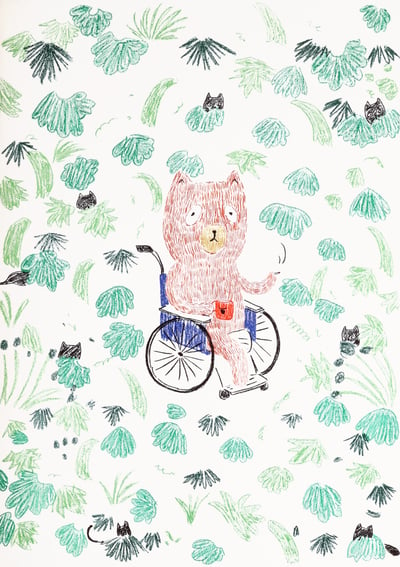
Atsushi Kaga
Kumacchi in green 2, 2023
Limited Edition Print
Lithograph
EUR 5,000
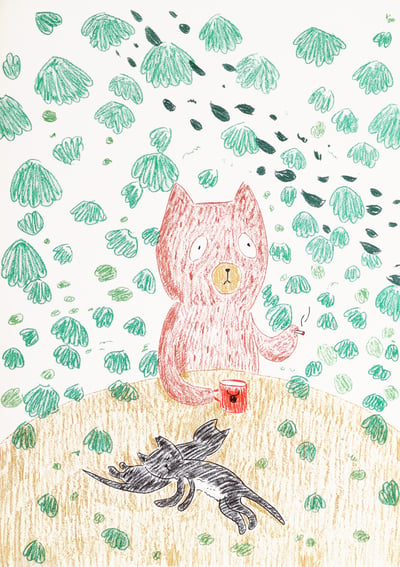
Atsushi Kaga
Kumacchi in green 1, 2023
Limited Edition Print
Lithograph
EUR 5,000
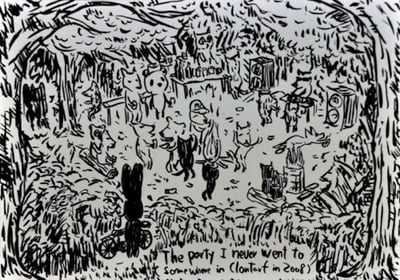
Atsushi Kaga
The party I never went to..., 2012
Limited Edition Print
Lithograph
EUR 1,300
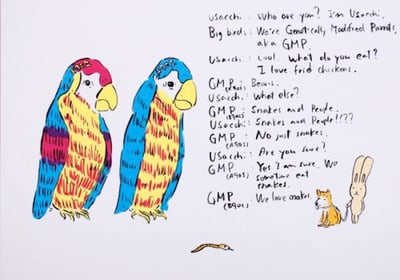
Atsushi Kaga
2 Genetically modified parrots, 2012
Limited Edition Print
Lithograph
EUR 1,300

Atsushi Kaga
The new nose for Micheal Jackson's skull, 2014
Limited Edition Print
Etching
EUR 1,500

Atsushi Kaga
Robert Battles with the octopus, 2014
Limited Edition Print
Etching
EUR 1,500

Atsushi Kaga
Vivir con plantas, 2014
Limited Edition Print
Etching
EUR 1,500

Atsushi Kaga
The darkness covers his work, 2014
Limited Edition Print
Etching
EUR 1,500

Atsushi Kaga
This way cat leads Robert, 2014
Limited Edition Print
Etching
EUR 1,500
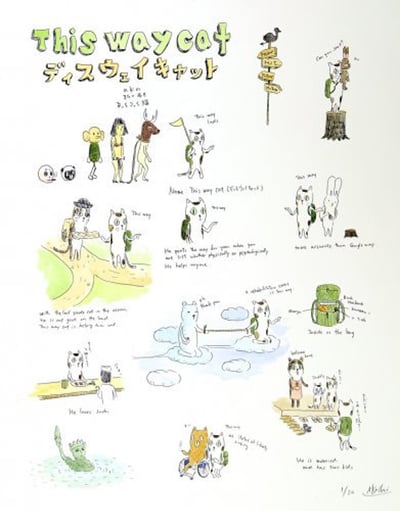
Atsushi Kaga
This way cat, 2014
Limited Edition Print
Lithograph
EUR 2,000
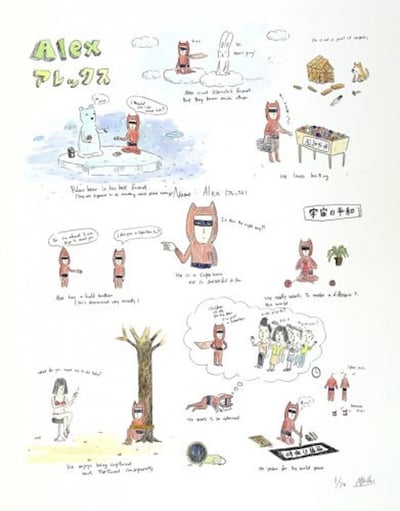
Atsushi Kaga
Alex, 2014
Limited Edition Print
Lithograph
EUR 2,000
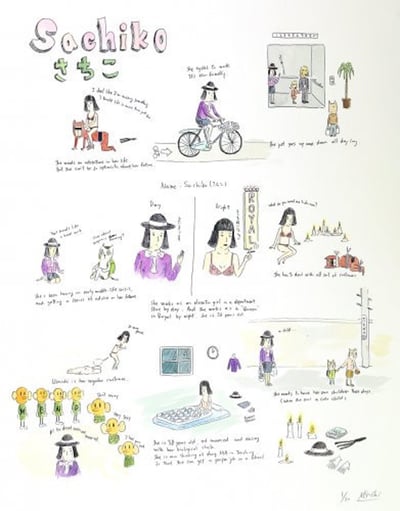
Atsushi Kaga
Sachiko, 2014
Limited Edition Print
Lithograph
EUR 2,000
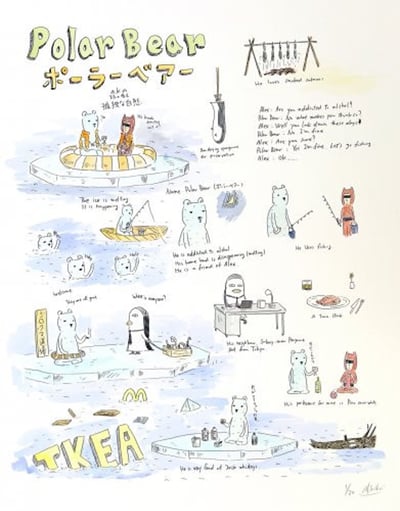
Atsushi Kaga
Polar Bear, 2014
Limited Edition Print
Lithograph
EUR 2,000
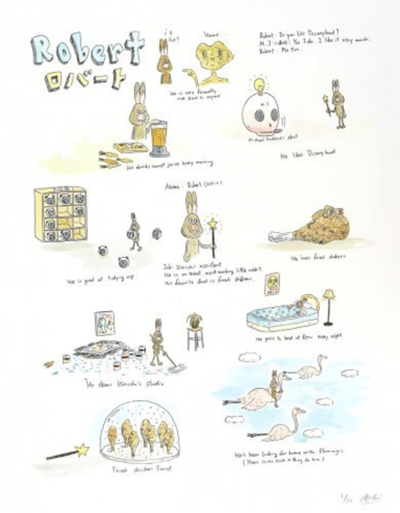
Atsushi Kaga
Robert, 2014
Limited Edition Print
Lithograph
EUR 2,000

Atsushi Kaga
Surrounded by animals, 2022
Limited Edition Print
Etching
EUR 3,500

Atsushi Kaga
Catching of the 7 wild black cats, 2022
Limited Edition Print
Etching
EUR 3,500

Atsushi Kaga
Elephant and whale, 2022
Limited Edition Print
Etching
EUR 3,500

Atsushi Kaga
Albert College Park, 2022
Limited Edition Print
Etching
EUR 3,500

Atsushi Kaga
Your memorabilia float in the air, 2022
Limited Edition Print
Etching
EUR 3,500
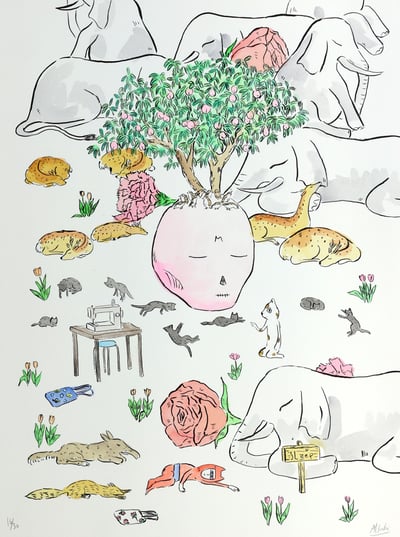
Atsushi Kaga
Peach tree, 2023
Limited Edition Print
Lithograph
EUR 2,500

Atsushi Kaga
Peach tree, 2023
Limited Edition Print
Etching
EUR 2,500

Atsushi Kaga
Lemon tree, 2023
Limited Edition Print
Etching
EUR 2,500

Atsushi Kaga
Loquat tree, 2023
Limited Edition Print
Etching
EUR 2,500
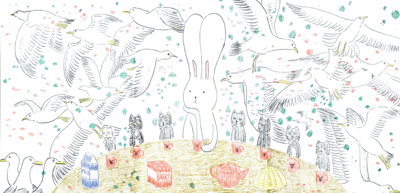
Atsushi Kaga
Usacchi con gaviotas, 2023
Limited Edition Print
Lithograph
EUR 11,000
Related Artists
Related Articles
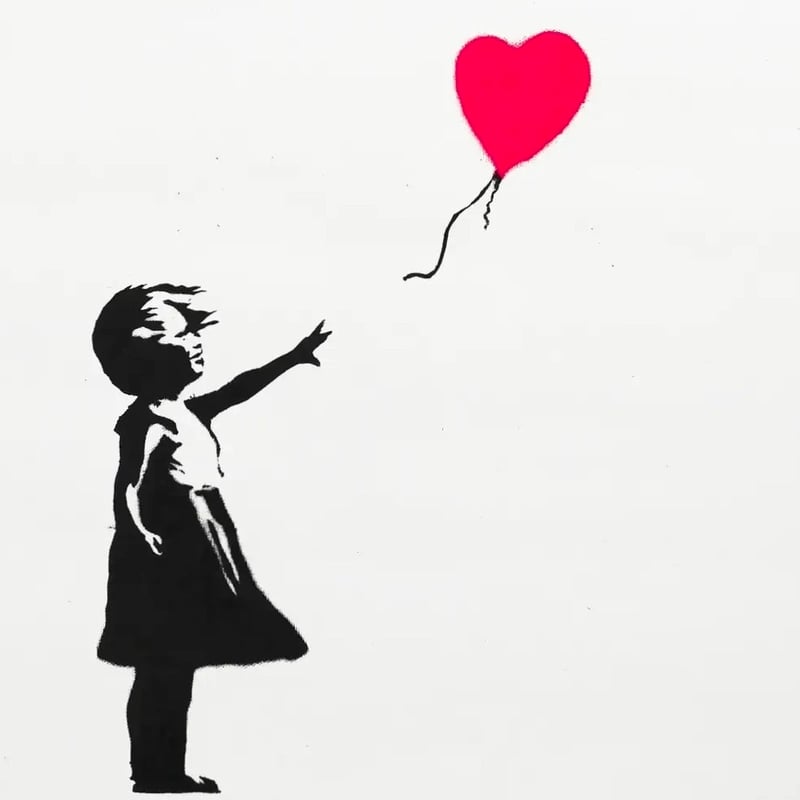
Popular, Artists, Collecting - August 25, 2026
Banksy’s Girl with Balloon, 2004: Signed vs Unsigned Prints
Compare Banksy’s 2004 Girl with Balloon signed and unsigned screenprints, edition sizes, Pest Control authentication, rare proofs and auction history.Read More
Popular, Artists, Collecting - August 20, 2026
Collecting Gerhard Richter Editions: A Guide for New and Seasoned Collectors
Learn how to collect Gerhard Richter editions: catalogue references, signatures, facsimile objects, condition, provenance and secondary-market buying.Read More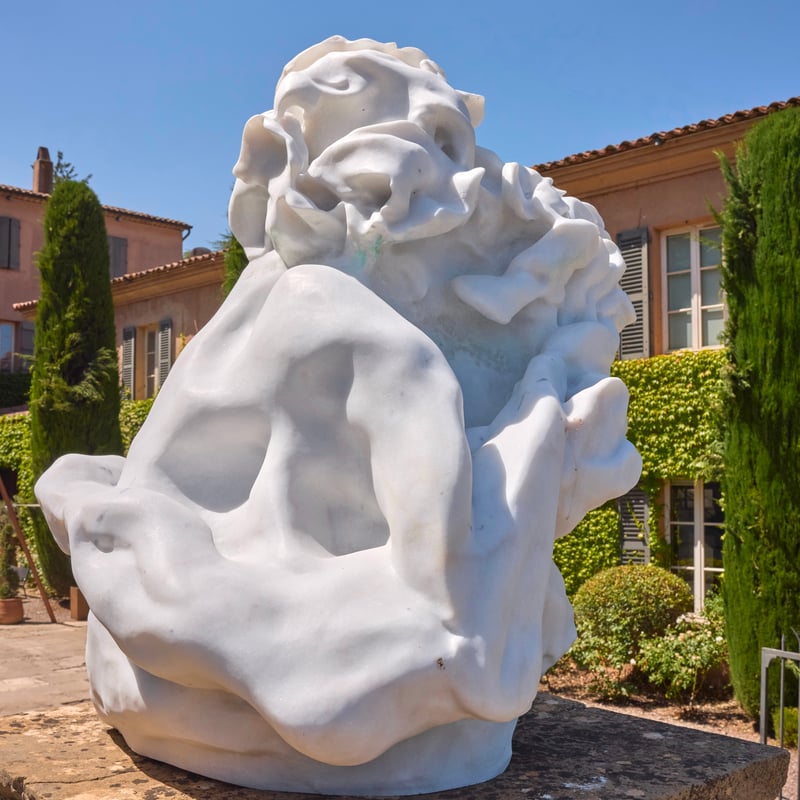
Popular, News, Artists, Collecting - August 12, 2026
In Minor Keys: Finding Intimacy and Identity at the 61st Venice Biennale — and in Your Collection
Explore how Koyo Kouoh’s 61st Venice Biennale vision, In Minor Keys, is shifting contemporary collecting toward quiet introspection, memory, and personal identity.Read More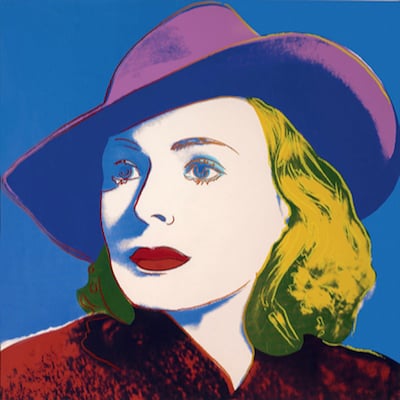
What is pop-art?
Pop Art is an art movement that began in Britain in 1955 and in the late 1950s in the U.S. It challenged traditional fine arts by incorporating imagery from popular culture, such as news, advertising, and comic books. Pop Art often isolates and recontextualizes materials, combining them with unrelated elements. The movement is more about the attitudes and ideas that inspired it than the specific art itself. Pop Art is seen as a reaction against the dominant ideas of Abstract Expressionism, bringing everyday consumer culture into the realm of fine art.

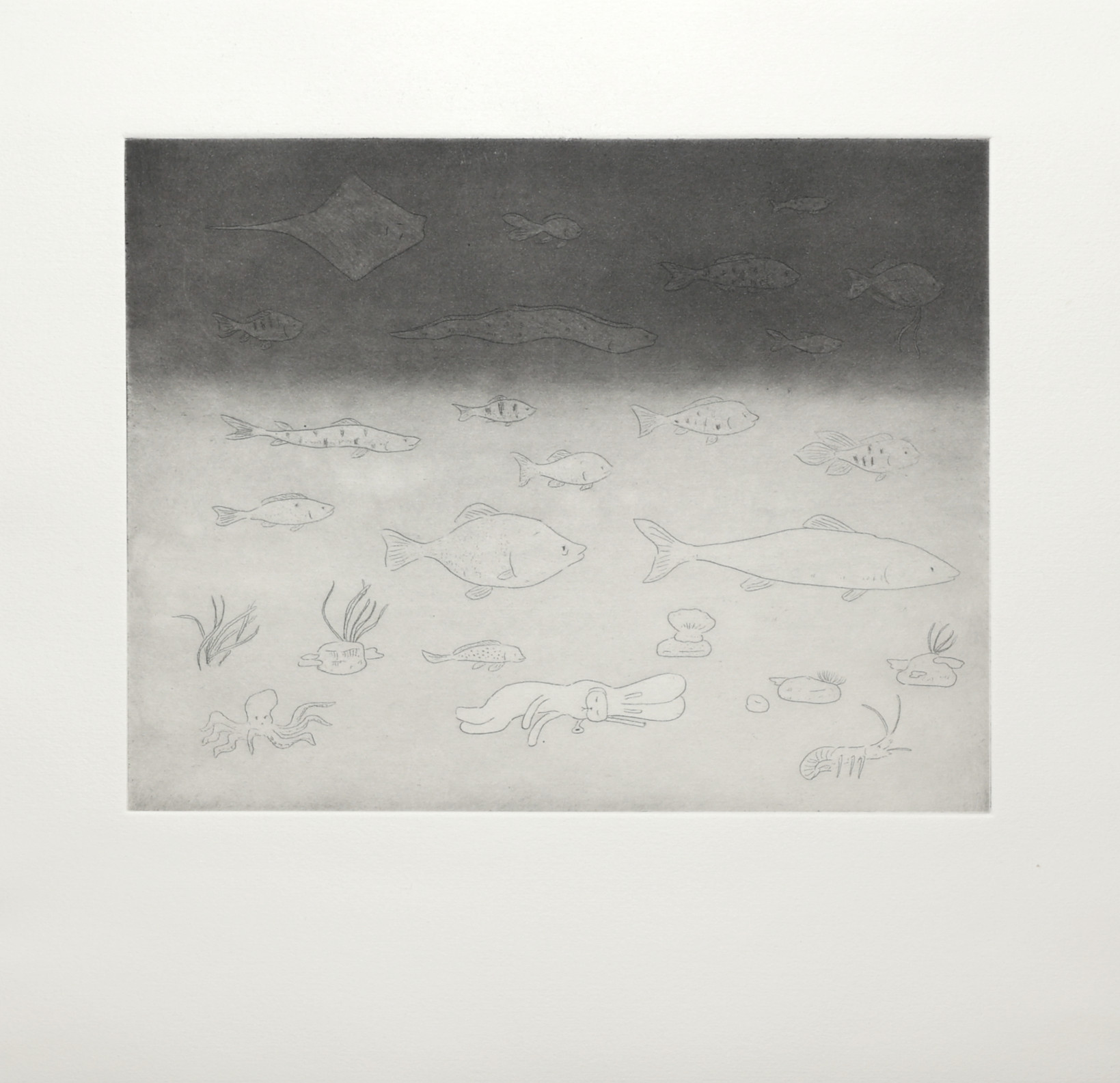
Atsushi Kaga
At the bottom of the sea, 2026
40 x 38 cm


