
// Alfons Borrell's Records de paisatge-1 (1993) is an etching that captures the essence of abstract landscape through bold color and dynamic forms. The composition features a large, dominant black shape set against a vibrant background of orange and red splashes, creating a sense of movement and intensity. The black form evokes the silhouette of a mountain or a hill, while the surrounding splashes hint at the fiery and dramatic elements of nature. Borrell's minimalistic yet expressive approach allows for an emotional connection with the viewer, inviting interpretations of nature's power and its abstract representation. This limited edition print showcases Borrell’s signature style of simplicity combined with impactful color usage.
Artwork Copyright © Alfons BorrellAlfons Borrell (Spain, 1931–2020) was a master of Catalan lyrical abstraction. Transitioning from figurative art to abstract expressionism, his work featured large monochromatic surfaces and geometric forms. Renowned for his focus on color and simplicity, Borrell’s art conveyed introspection and a search for purity in expression.
Artwork Copyright © Alfons BorrellRecords de paisatge-1, 1993
Form
Medium
Size
- Inches
- Centimeters
Edition
Price
Available works →
- Authenticity Guaranteed
- Insured Shipping
- Online Since 2005
●
●Inventory 13158
●Signed
●Comes with gallery invoice and certificate
●Sell Us a Similar Artwork. Learn more.
// Alfons Borrell's Records de paisatge-1 (1993) is an etching that captures the essence of abstract landscape through bold color and dynamic forms. The composition features a large, dominant black shape set against a vibrant background of orange and red splashes, creating a sense of movement and intensity. The black form evokes the silhouette of a mountain or a hill, while the surrounding splashes hint at the fiery and dramatic elements of nature. Borrell's minimalistic yet expressive approach allows for an emotional connection with the viewer, inviting interpretations of nature's power and its abstract representation. This limited edition print showcases Borrell’s signature style of simplicity combined with impactful color usage.
Artwork Copyright © Alfons BorrellAlfons Borrell (Spain, 1931–2020) was a master of Catalan lyrical abstraction. Transitioning from figurative art to abstract expressionism, his work featured large monochromatic surfaces and geometric forms. Renowned for his focus on color and simplicity, Borrell’s art conveyed introspection and a search for purity in expression.
Artwork Copyright © Alfons BorrellAvailability
Size
Form
Medium
SORT BY

Alfons Borrell
Untitled (Crimson Edge and Indigo Field), 2000
Painting
Mixed Media
EUR 9,500

Alfons Borrell
Untitled (Violet Stripes and Thin Lines), 2008
Drawing / Watercolor
Mixed Media
EUR 2,350

Alfons Borrell
Untitled (Violet Veil and Red Line), 2008
Drawing / Watercolor
Mixed Media
EUR 2,350
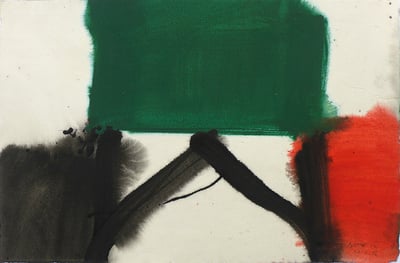
Alfons Borrell
Untitled (Green Block and Black Strokes), 1988
Drawing / Watercolor
Mixed Media
Inquire For Price
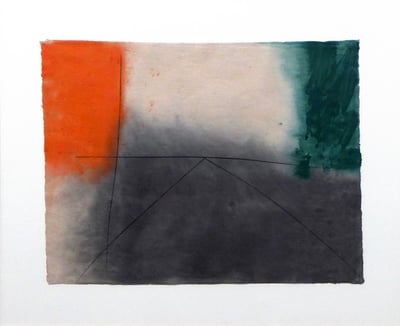
Alfons Borrell
Untitled (Orange, Green, and Shaded Form), 1987
Drawing / Watercolor
Mixed Media
Inquire For Price
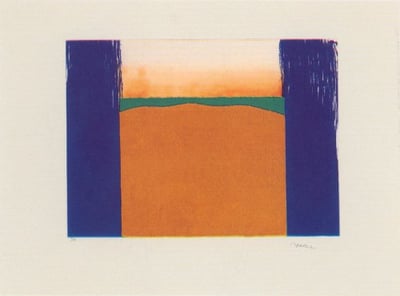
Alfons Borrell
Illes-3, 1997
Limited Edition Print
Etching
Currently Not Available
Related Artists
Related Articles
Popular, Collecting - March 17, 2026
Why Buy from Composition Gallery
Why buy from Composition Gallery? Since 2005, the gallery offers curated works, clear provenance, fair pricing, and secure international shipping for confident art collecting.Read More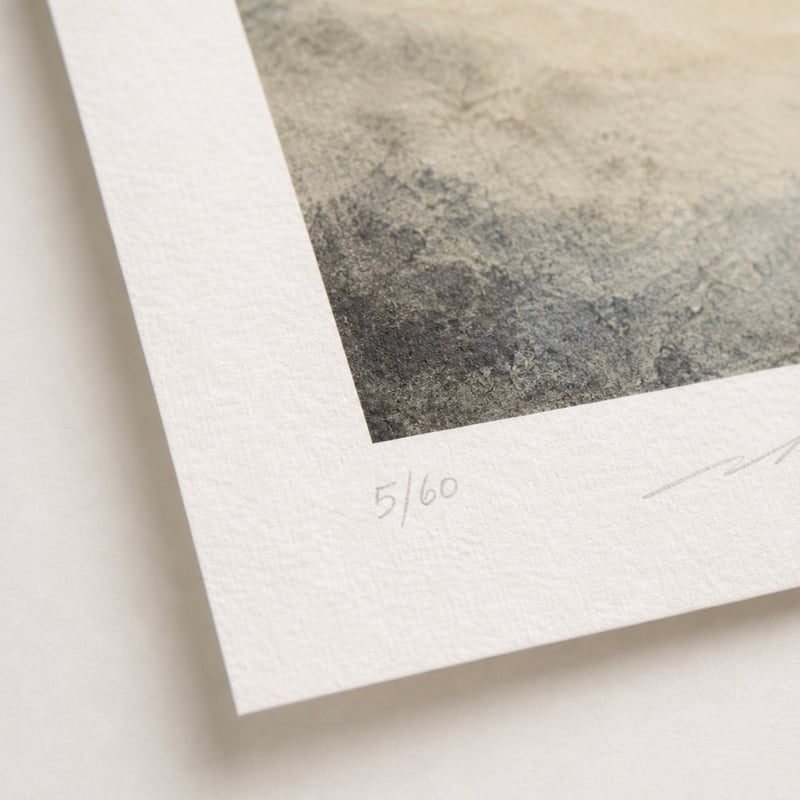

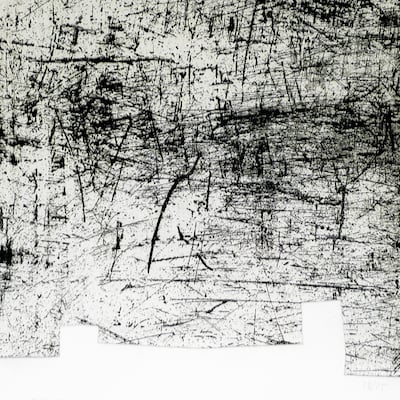
Artwork by Eduardo Chillida
What is abstract art?
Abstract art uses form, shape, line, and color to create a visual experience without attempting to represent external reality. The composition exists independently of the world's visual references, focusing on expressing ideas and emotions through non-representational means.


