
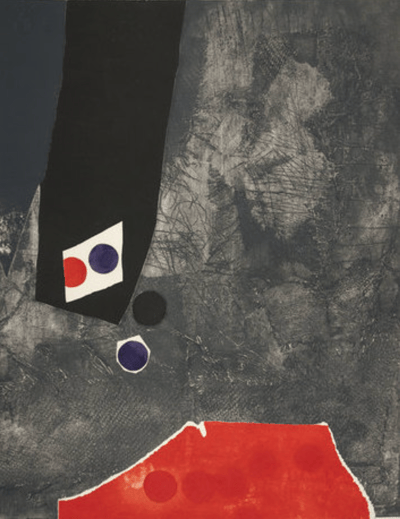
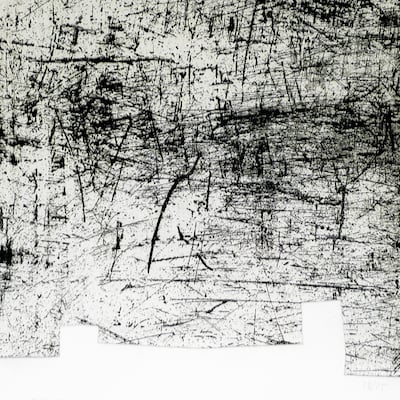
Espais-2, 1990
Form
Medium
Size
- Inches
- Centimeters
Edition
Price
- Authenticity Guaranteed
- Insured Shipping
- Online Since 2005

Alfons Borrell
Untitled (Crimson Edge and Indigo Field), 2000
Painting
Mixed Media
EUR 9,500

Alfons Borrell
Untitled (Violet Stripes and Thin Lines), 2008
Drawing / Watercolor
Mixed Media
EUR 2,350

Alfons Borrell
Untitled (Violet Veil and Red Line), 2008
Drawing / Watercolor
Mixed Media
EUR 2,350
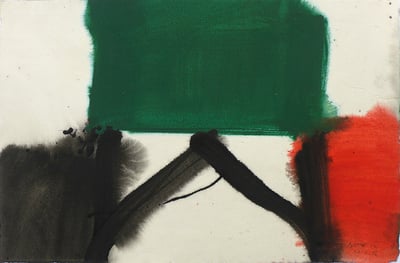
Alfons Borrell
Untitled (Green Block and Black Strokes), 1988
Drawing / Watercolor
Mixed Media
Inquire For Price
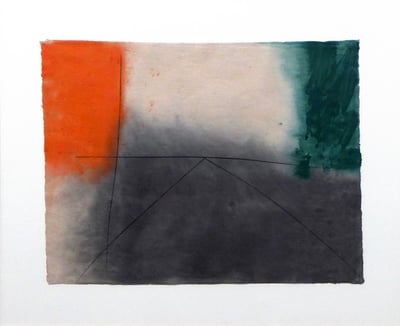
Alfons Borrell
Untitled (Orange, Green, and Shaded Form), 1987
Drawing / Watercolor
Mixed Media
Inquire For Price
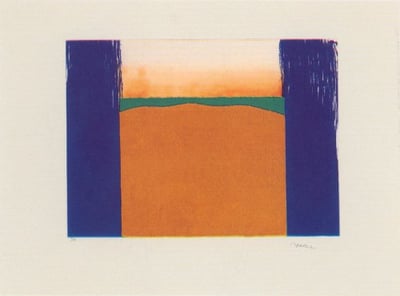
Alfons Borrell
Illes-3, 1997
Limited Edition Print
Etching
Currently Not Available
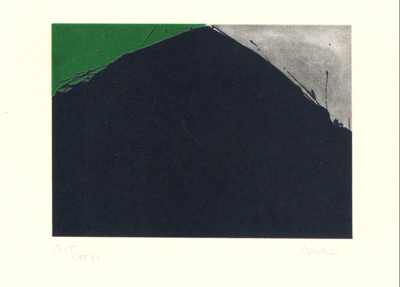
Alfons Borrell
Records de paisatge-4, 1993
Limited Edition Print
Etching
Currently Not Available
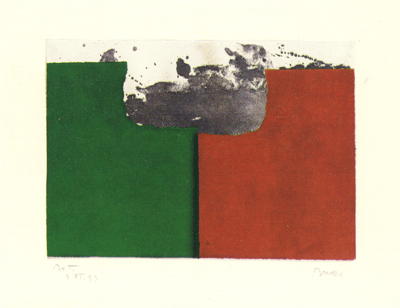
Alfons Borrell
Records de paisatge-2, 1993
Limited Edition Print
Etching
Currently Not Available
Related Artists
Related Articles
Popular, News, Artists - January 27, 2026
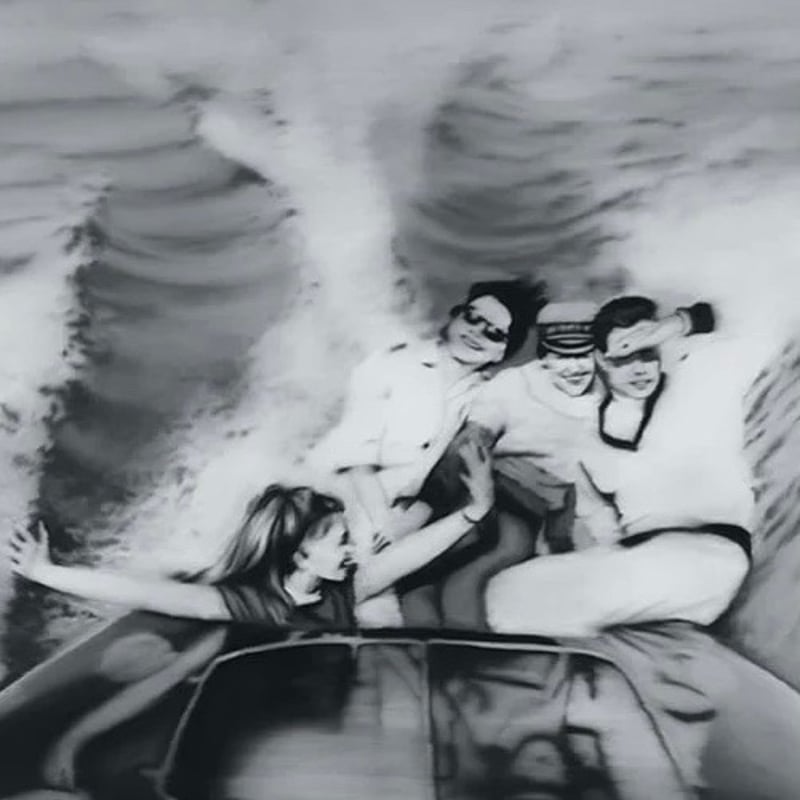
Gerhard Richter at Fondation Louis Vuitton: Why It Matters for Collectors
Art dealer Kris Ghesquière examines the Gerhard Richter exhibition at Fondation Louis Vuitton and its significance for collectors and the art market.Read More
What is abstract art?
Abstract art uses form, shape, line, and color to create a visual experience without attempting to represent external reality. The composition exists independently of the world's visual references, focusing on expressing ideas and emotions through non-representational means.


