
Who are the Young British Artists - YBA
- Show All
- Established
- Discoveries
- Show All
Artworks Related to Young British Artists (YBAs)
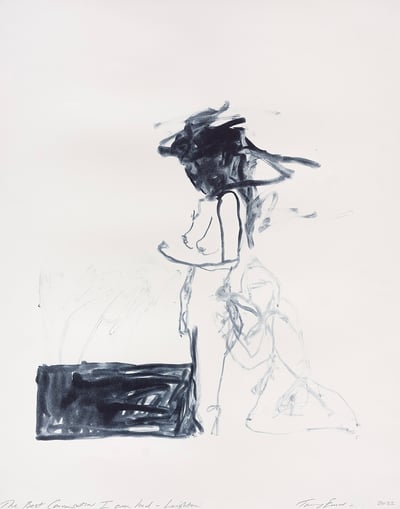
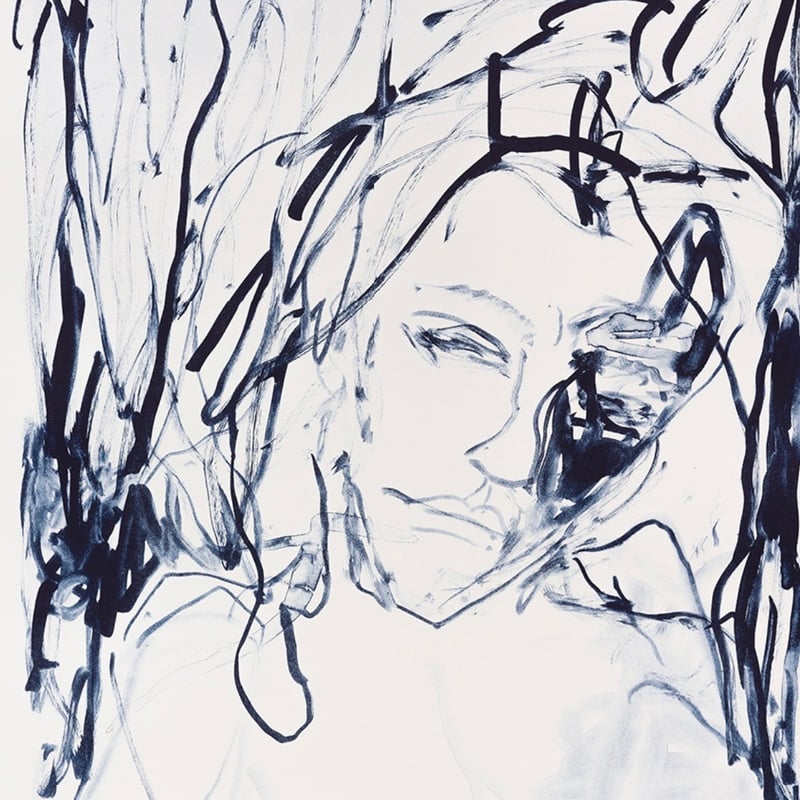
Tracey Emin
The Best Conversation I ever had – Laughter, 2022
Limited Edition Print
Lithograph
EUR 12,000

Tracey Emin
No! This is sad, 2022
Limited Edition Print
Lithograph
EUR 15,000

Tracey Emin
Crying – Shouting – Screaming – Was Not going to help me Live, 2022
Limited Edition Print
Lithograph
EUR 14,000
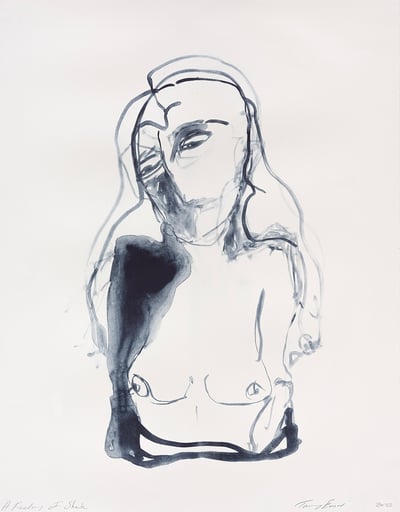
Tracey Emin
A Feeling Of Shock, 2022
Limited Edition Print
Lithograph
EUR 10,000

Tracey Emin
You were There - Thank you, 2021
Limited Edition Print
Lithograph
EUR 9,000

Tracey Emin
And This Was Me A Thousand Years Ago, 2022
Limited Edition Print
Lithograph
EUR 12,000
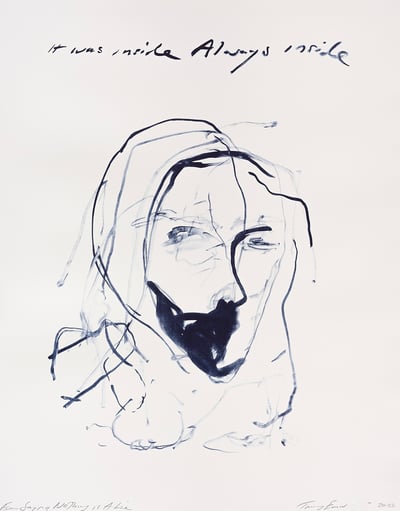
Tracey Emin
Even Saying Nothing Is a Lie, 2022
Limited Edition Print
Lithograph
EUR 9,500

Tracey Emin
Then I wasn’t Alone Life was here, 2022
Limited Edition Print
Lithograph
EUR 11,000

Tracey Emin
Life Will never be The Same (Nor should it), 2022
Limited Edition Print
Lithograph
EUR 18,000
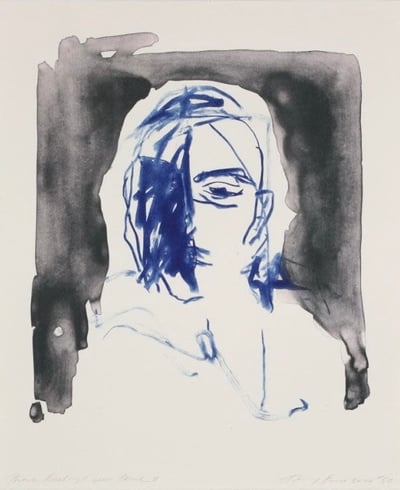
Tracey Emin
These Feelings Were True II, 2020
Limited Edition Print
Lithograph
EUR 14,000

Tracey Emin
These Feelings Were True, 2020
Limited Edition Print
Lithograph
EUR 16,000

Tracey Emin
Blue Madonna, 2020
Limited Edition Print
Lithograph
EUR 18,000

Tracey Emin
After the Shadow, 2020
Limited Edition Print
Lithograph
EUR 14,000
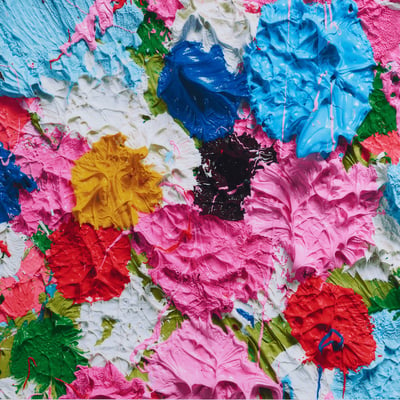
Damien Hirst
Fruitful, Large, 2020
Limited Edition Print
Mixed Media
EUR 2,500
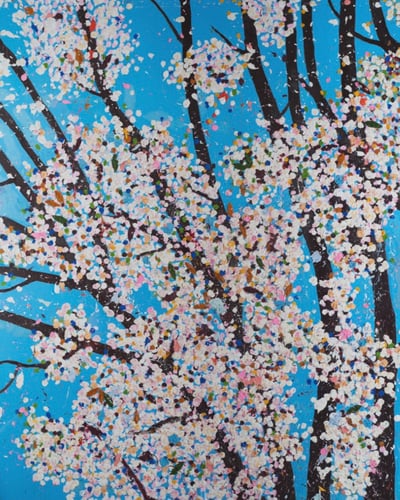
Damien Hirst
Justice – H9-1 (The Virtues), 2021
Limited Edition Print
Giclée printing
GBP 17,500
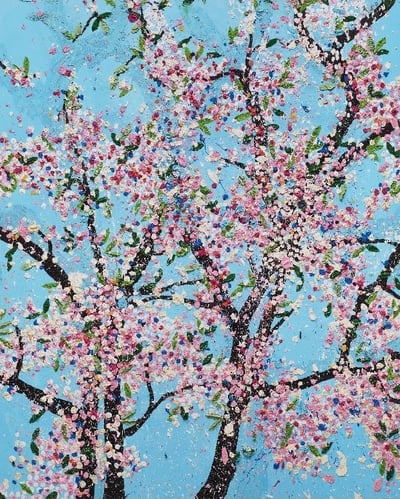
Damien Hirst
Politeness – H9-4 (The Virtues), 2021
Limited Edition Print
Giclée printing
GBP 19,000
Related Articles
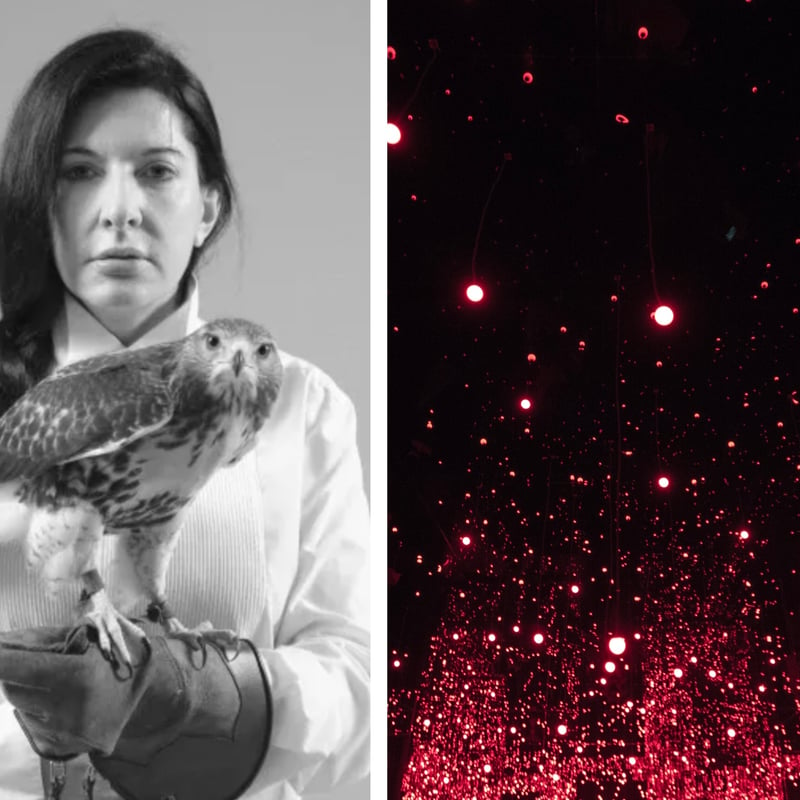
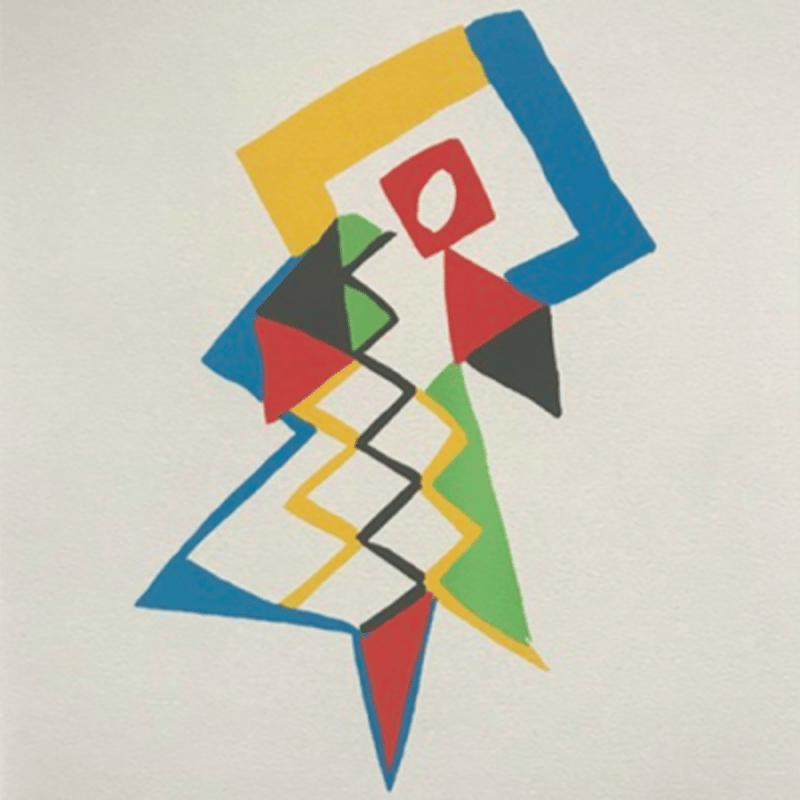
Orphism is an abstract style of painting influenced by Cubism, developed by Sonia and Robert Delaunay. The term was coined around 1912 by French poet Guillaume Apollinaire to differentiate the Delaunays' work from Cubism, emphasizing their focus on vibrant color and light. The name Orphism is inspired by the Greek musician Orpheus, symbolizing the movement's lyrical and harmonious qualities.

Naïve art describes a style of artwork that is simple and unsophisticated, often created by artists without formal training in an academy or art school. The style is characterized by a lack of advanced techniques, giving it a childlike appearance. Naïve art often features bright colors, simple shapes, and a straightforward approach to subject matter, reflecting the artist's untrained perspective.
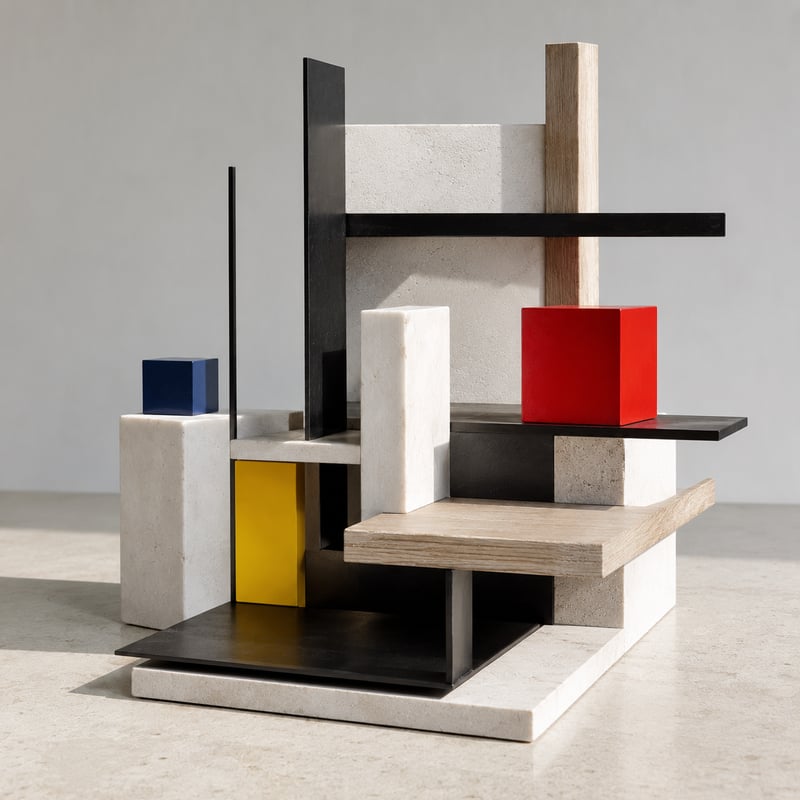
De Stijl, meaning The Style, was a group of Dutch artists who created abstract art based on strict adherence to vertical and horizontal geometry. The group was founded by Piet Mondrian and Theo van Doesburg in 1917. Mondrian eventually left De Stijl when Van Doesburg began incorporating diagonal geometry into his work, which Mondrian felt deviated from the group's principles.
Can't find your Answer?
Thank you! Your question has been sent — we'll get back to you shortly.
