
What is the Dusseldorf school of photography?
The Düsseldorf School of Photography refers to a group of photographers who studied under Bernd and Hilla Becher at the Kunstakademie Düsseldorf during the 1970s. This group was known for its devotion to the black-and-white industrial images characteristic of the German tradition known as New Objectivity. The photographers focused on precise, methodical documentation of industrial structures, often using a detached and objective approach.
Show All
- Show All
- Established
- Discoveries
Show All
- Show All
Artworks Related to Dusseldorf school of photography
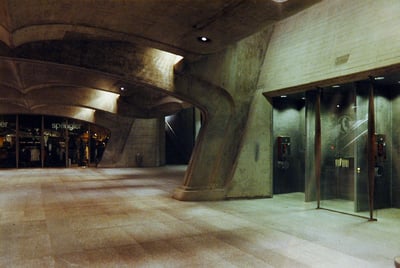
Candida Hofer
Bahnhof Stadelhofen Zurich, 1991
Photography
Photograph
EUR 5,800
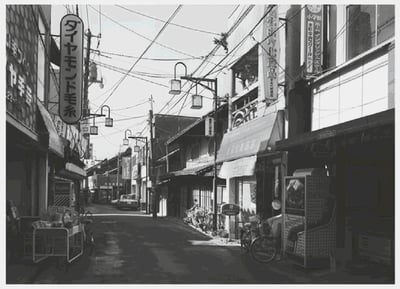
Thomas Struth
Deutsche Stadtbaukunst, 2010
Photography
C-Print
EUR 2,900

Thomas Ruff
Chiracs battle, 1998
Photography
Photograph
EUR 950
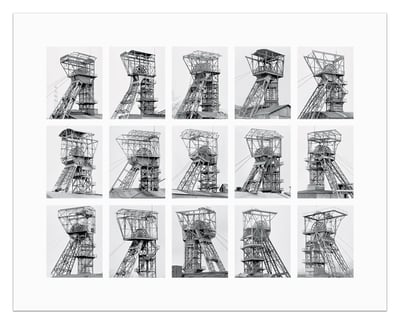
Bernd & Hilla Becher
Fördertürme, 2006
Limited Edition Print
Digital Print on paper
Currently Not Available
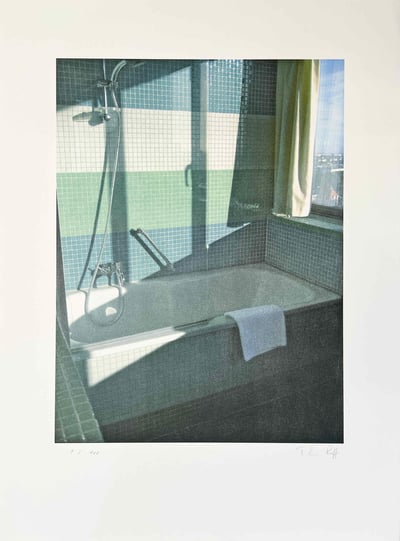
Thomas Ruff
No Title, 2009
Limited Edition Print
Lithograph
EUR 1,900
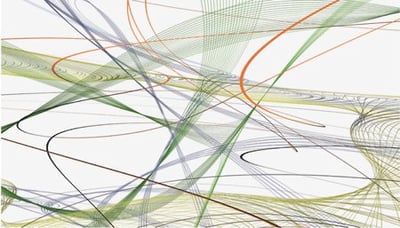
Thomas Ruff
Zycles III, 2009
Photography
C-Print
EUR 9,400
Related Articles


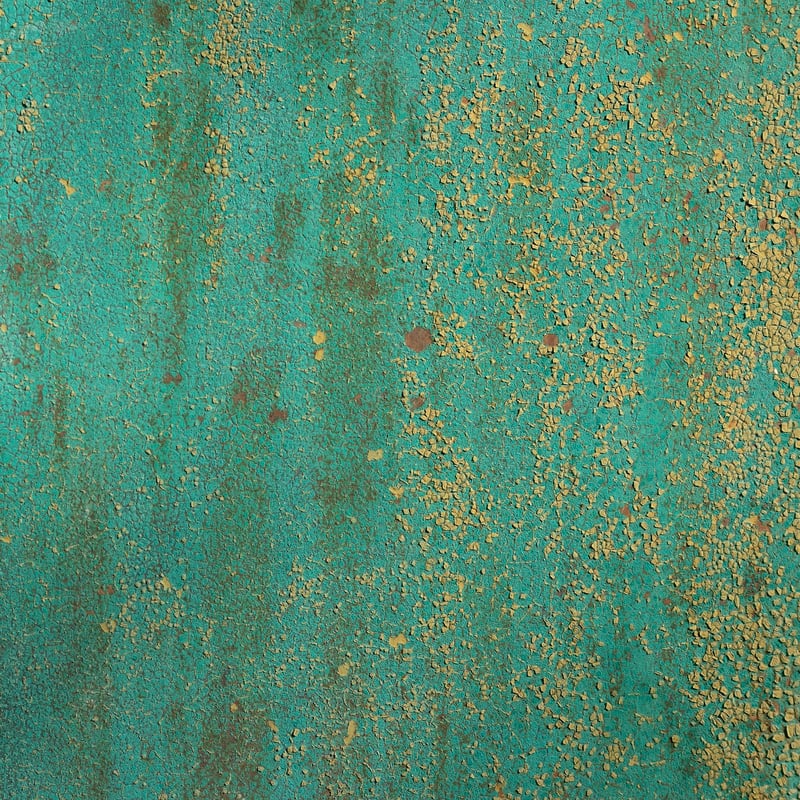
Patina is the distinctive greenish surface that bronze develops over time due to exposure to air and humidity. Artists can also apply chemicals to bronze to artificially create patina. Alternatively, bronze can be polished to reveal its natural rich gold color. Patina is not exclusive to bronze; it can also occur on other metals like copper and even on wood and stone, enhancing the material's character over time.

An airbrush is a device that sprays various media, including paint and ink, using compressed air. Artists use airbrushes to create a smooth, even application of color, often achieving effects that are not possible with traditional brushes. James Rosenquist, an American Pop artist, regularly used an airbrush in his work. Before gaining fame with pieces like the iconic F-111 (1965), he worked as a commercial and industrial painter, where he honed his airbrush skills.
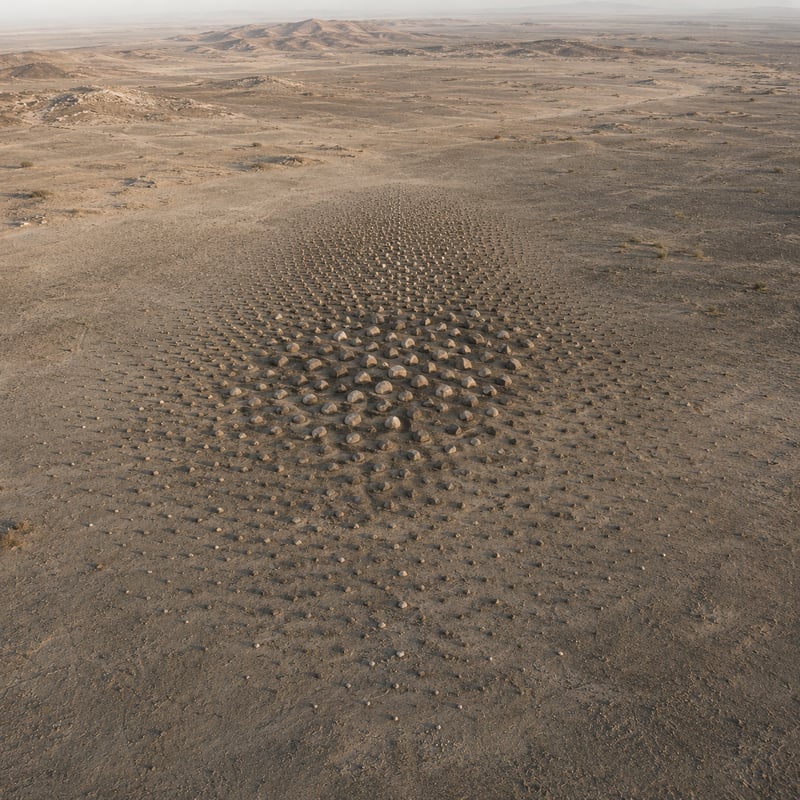
Earth art, also known as Land Art, emerged in the 1960s and 70s as part of the conceptual art movement. It involves creating artworks by sculpting the land or constructing structures in the landscape using natural materials like earth, rocks, or twigs. These works are often large-scale and emphasize the relationship between art and nature.
Can't find your Answer?
Thank you! Your question has been sent — we'll get back to you shortly.
