
What is Surrealism?
- Show All
- Established
- Discoveries
- Show All
Artworks Related to Surrealism

Joan Miró
Untitled 3 from Maravillas con variaciones acrósticas , 1975
Limited Edition Print
Lithograph
USD 5,690
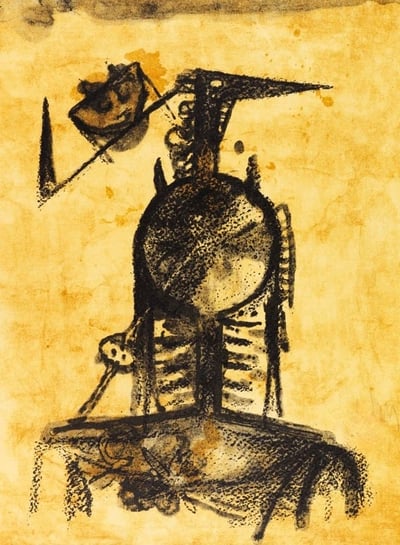
Wifredo Lam
Jean Cassou, 1975
Limited Edition Print
Lithograph
EUR 980
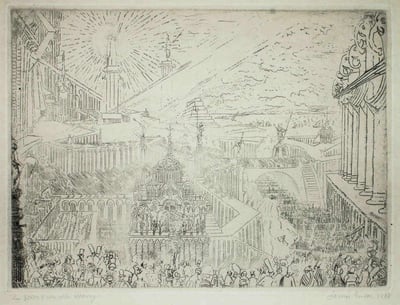
James Ensor
Capture of a strange town, 1888
Limited Edition Print
Etching
EUR 15,350
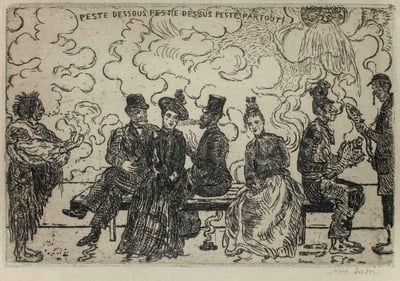
James Ensor
Peste Dessous Peste Dessus Peste Partout!, 1904
Limited Edition Print
Etching
EUR 13,900
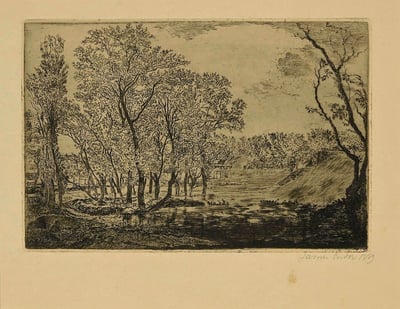
James Ensor
La Mare aux Peupliers, 1889
Limited Edition Print
Etching
EUR 3,650

James Ensor
Les Toits a Ostende, 1903
Limited Edition Print
Etching
Currently Not Available

James Ensor
La Cathédrale, 1896
Limited Edition Print
Etching
Currently Not Available
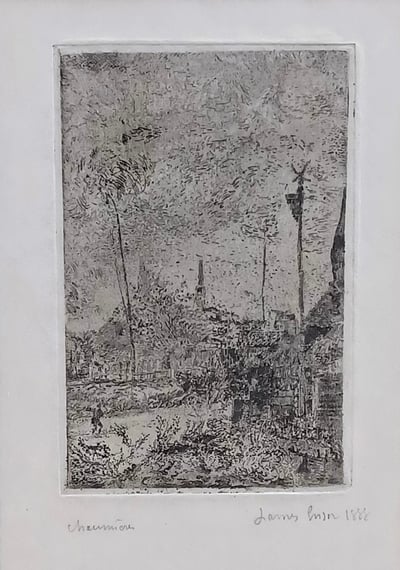
James Ensor
Chaumières, 1888
Limited Edition Print
Etching
EUR 1,495
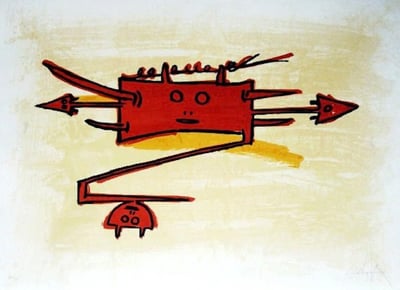
Wifredo Lam
El último viaje del buque fantasma VI, 1976
Limited Edition Print
Lithograph
EUR 850
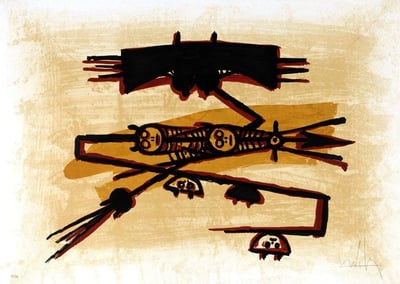
Wifredo Lam
El último viaje del buque fantasma III, 1976
Limited Edition Print
Lithograph
EUR 850

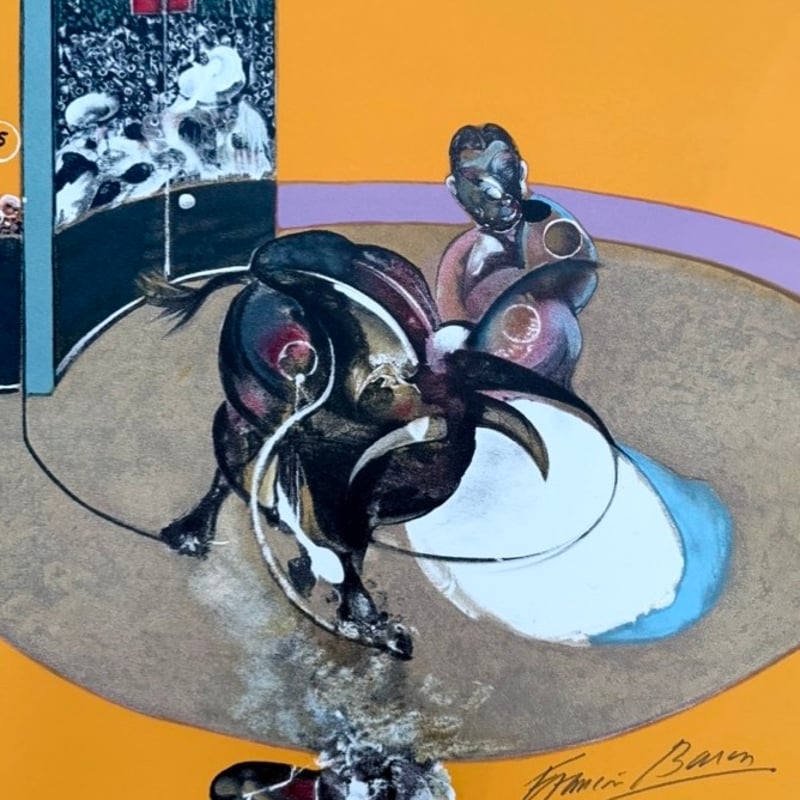
Francis Bacon
Triptych, 1974-1977
Limited Edition Print
Etching and Aquatint
Currently Not Available
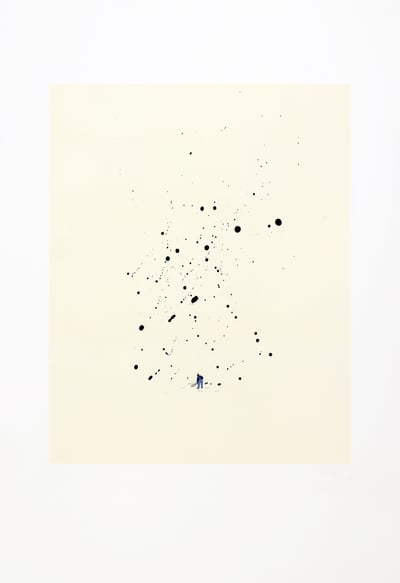
Liliana Porter
La faena, 2024
Limited Edition Print
Collage
EUR 3,000
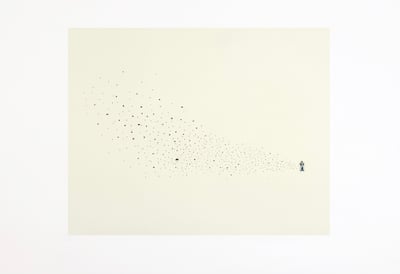
Liliana Porter
Uno más, 2024
Limited Edition Print
Collage
EUR 3,000
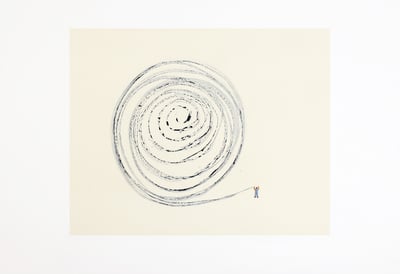
Liliana Porter
La espiral, 2024
Limited Edition Print
Collage
EUR 3,000
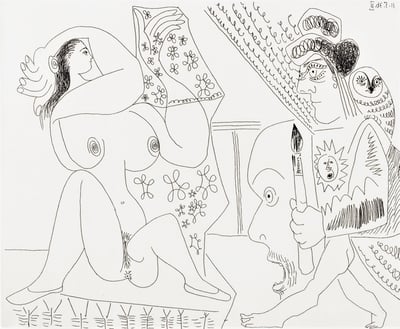
Pablo Picasso
Peintre et modèle , 1970
Limited Edition Print
Etching
EUR 2,400
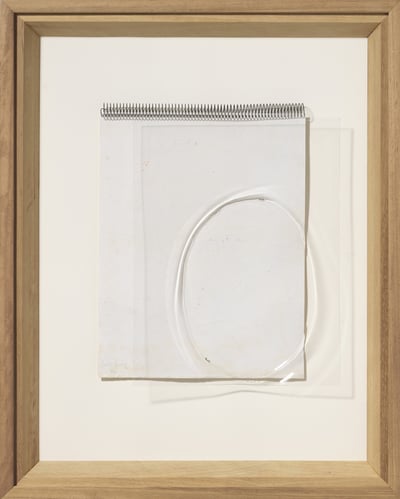
Jordi Alcaraz
Sense títol I, 2024
Limited Edition Print
Mixed Media
Currently Not Available
Related Articles

Oil on board is a painting technique where oil paint is applied to either wood panels that have been sanded and primed or high-density cardboard covered with canvas. These surfaces offer the advantage of being more compact for storage compared to traditional stretched canvas on frames, while still providing a stable surface for painting.
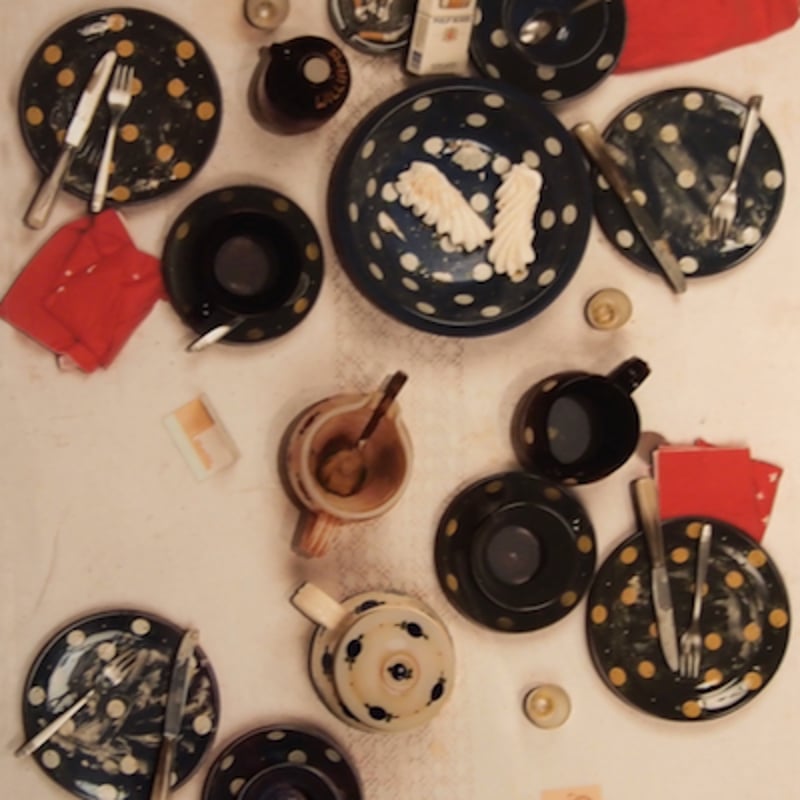
Nouveau Réalisme is an artistic movement founded in 1960 by art critic Pierre Restany and painter Yves Klein during a collective exhibition at a gallery in Milan. Restany wrote the original manifesto in April 1960, proclaiming the movement. In October of that year, nine artists, including Martial Raysse, Yves Klein, Daniel Spoerri, Jean Tinguely, Arman, Pierre Restany, and three Ultra-Lettrists—Jacques de la Villeglé, François Dufrêne, and Raymond Hains—signed the declaration. In 1961, the movement expanded to include Mimmo Rotella, Niki de Saint Phalle, Gérard Deschamps, and César. The movement emphasized a return to reality in art, often incorporating everyday objects and exploring the boundaries between art and life.

Woodcut is a printing technique where an image is carved into the surface of a woodblock using gouges, with the remaining flat surface holding the ink for printing. The areas cut away by the artist do not carry ink, while the uncut areas do, producing the desired print. The carving follows the wood's grain, unlike wood engraving, where the block is cut across the end-grain. Ink is applied to the surface with a roller, ensuring only the flat, uncarved areas receive ink, leaving the recessed, non-printing areas clean.
Can't find your Answer?
Thank you! Your question has been sent — we'll get back to you shortly.
